
Your puppy's brain is most open to new experiences between 3 and 16 weeks. Miss that window, and you can spend months fixing fear that a few calm introductions would have prevented. I've fostered and trained puppies for years, and the checklist below is what I actually hand to new owners — not the glossy version, but the one that covers the weird, specific situations that trip puppies up later.
What's in this guide (jump ahead)
What a real puppy socialization checklist covers
Socialization isn't "meet 100 people." It's exposure to a wide range of sensory inputs in a way that leaves the puppy calmer than before. That means people, animals, surfaces, sounds, handling, and the environment.
Here's the working list I keep on my fridge. Each item should get at least one positive experience, not a routine.
People and handling
- Three age groups: kids, adults, elderly — kids move fast, elderly move slowly and smell different.
- Three looks: hats, glasses, beards, uniforms (delivery driver, postal carrier) — puppies generalize poorly.
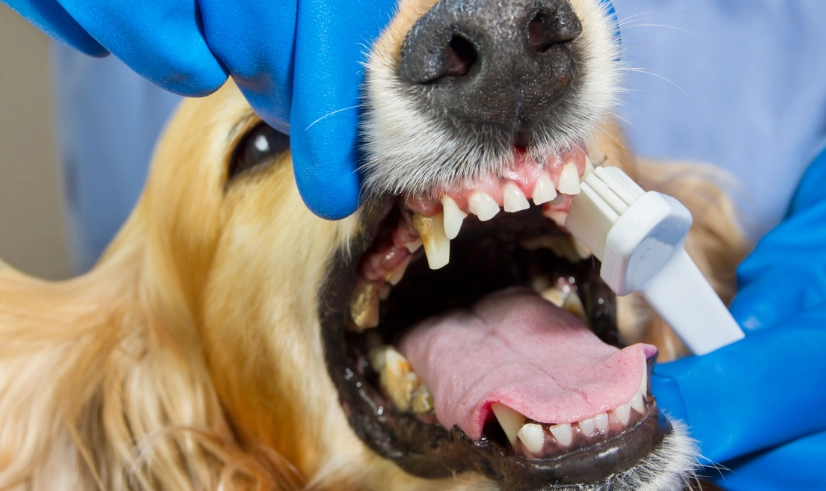
- Handling zones: paws, ears, mouth, tail — do this while the puppy chews a frozen carrot, not while it's tired.
- Umbrella opening and closing at a distance, then closer.
Sounds
Play these at low volume while the puppy eats: doorbell, vacuum, thunder recording, baby crying, traffic, fireworks (yes, even in spring — you're pre-loading for July). The American Veterinary Society of Animal Behavior has a practical position statement on early socialization worth reading if you want the research side.
Surfaces and environments
- Grass, gravel, metal grate, wet sidewalk, carpet.
- Car ride with engine off, then engine on, then a 5-minute drive.
- Vet lobby — weigh the puppy, give treats, leave. No appointment.
A note on disease risk: vet advice varies by region, and parvo is real. My rule for litters I've raised is avoid high-traffic dog areas (dog parks, pet store floors) until the vaccine series is complete, but do carry the puppy in public. Socialization and safety aren't opposites.
The weekly puppy socialization schedule I follow
Most owners front-load everything in week one and the puppy shuts down. Spread it out. This is the schedule I've used with rescue litters and it works.
| Week | Focus | Concrete tasks |
|---|---|---|
| Week 1 (after first shots) | Home base | 5 surface types, handling routine twice daily, vacuum at low volume |
| Week 2 | People | 3 new people, 1 in a hat, 1 child, 1 sitting on the floor |
| Week 3 | Sounds + car | Doorbell, traffic recording, 2 short car rides ending somewhere fun |
| Week 4 | Public spaces (carried) | Park bench, coffee shop patio, vet lobby weigh-in |
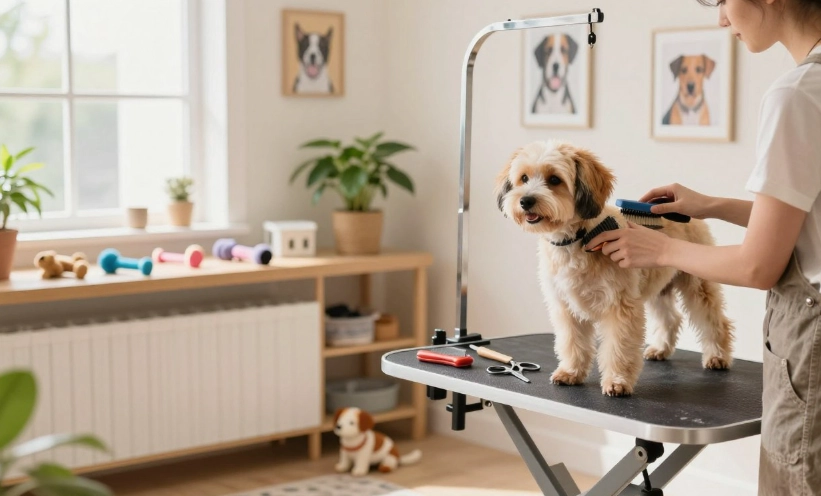
| Week 5 | Grooming prep | Nail clipper touch, toothbrush touch, bath with no water |
If the puppy freezes, whines, or refuses treats, you moved too fast. Back up one step. A puppy that takes treats is a puppy that's still thinking.
How to socialize a puppy without overwhelming it
This is where most checklists fail. They list what to expose the puppy to but not how to read the puppy's response.
The treat test
Offer a treat the moment the new thing appears. If the puppy takes it and chews, it's coping. If it takes it and drops it, it's borderline. If it won't take it at all, the stimulus is too much — create distance and try again lighter.
Let the puppy retreat
Never corner a puppy for a greeting. I see owners hold a puppy while a stranger pets it, and the puppy's ears go back. That's not socialization, that's flooding. Let the puppy approach, and let it leave.
Sessions last 5–10 minutes
Short and frequent beats long and intense. After a session, the puppy should sleep. If it's wired and nipping, it was too much.
Mistakes that quietly ruin socialization
The obvious ones (skipping socialization, only meeting one type of person) get written about. The ones below are the subtle ones I've seen do real damage.
Treating the second fear period like the first. Around 6–14 months, puppies hit a second fear period. Owners panic and shelter the dog, and the dog gets worse. Keep exposing, just at a lower intensity.
Only socializing with dog people. The mail carrier, the vet tech, the toddler who screams — those are the real test. Dog-savvy people read the puppy's signals; strangers don't.
Using treats only when something scary happens. Then the treat becomes a predictor of scary things. Pair treats with neutral and pleasant things, too, so the treat doesn't signal "bad stuff incoming."
Skipping the boring stuff. Nail trims, baths, brushing teeth — these are handling exercises, and they're as important as meeting a hundred people. I've seen more dogs rehomed over nail-trim fights than over people-fear.
I have a bias here: I think the checklist should be shorter and the quality of each exposure higher. Ten calm exposures beat fifty chaotic ones.
FAQ
My puppy got scared by a loud noise during socialization. Did I ruin it?
No. One bad experience doesn't undo the work. Let the puppy recover, then reintroduce the sound at a much lower volume while feeding. The mistake is avoiding loud sounds entirely afterward — that's what makes a lasting fear.
Can I socialize my puppy before all vaccines are done?
Yes, with a distinction. Carry the puppy in public, let it meet vaccinated dogs you know, host calm people at home. Avoid dog parks, pet store floors, and unknown dogs. The American Veterinary Society of Animal Behavior supports early socialization with these precautions.
How do I socialize a puppy with an older dog in the house?
Let the older dog set the rules. Short, supervised introductions, and let the older dog walk away. If the puppy is too pushy, use a tether or baby gate to create space rather than correcting — corrections teach the puppy that other dogs are risky.
What if my puppy won't take treats outside?
That's a stress signal. Lower the difficulty — go further from the trigger, go at a quieter time, or bring higher-value food (boiled chicken, cheese). If it still won't eat, the environment is too much; socialize at home for a few days.
Is the second fear period a real thing?
It's more real than some trainers admit. Between roughly 6 and 14 months, many dogs get jumpy about things they were fine with. Don't stop exposing — just dial back intensity and don't force greetings.
This article was fact-checked against current veterinary behavior guidance from the American Veterinary Society of Animal Behavior and the American Kennel Club's puppy socialization resources.
Comments