
What's in this guide (jump to what you need)
I've fostered 23 puppies over the last decade. The one thing that consistently separates a smooth crate training experience from a scream-fest? It's not the crate brand. It's not the treats. It's the timing of when you first close that door. Get that wrong and you're fighting an uphill battle for weeks. Get it right and most puppies settle within five to seven days. This guide is the no-fluff version I wish someone had handed me before my first foster, a terrified beagle mix who howled for three hours straight.
Why crate training matters (beyond potty training)
Most people think of crate training puppy as a potty training tool. That's only half the story. A crate is a management system for the entire first year. When a puppy learns that the crate is a safe, predictable space, you unlock three things: faster housebreaking, safer alone time, and a portable calm-down zone for vet visits or travel. The American Veterinary Society of Animal Behavior puts it plainly—puppies need a designated safe space to prevent anxiety from escalating into destructive behavior.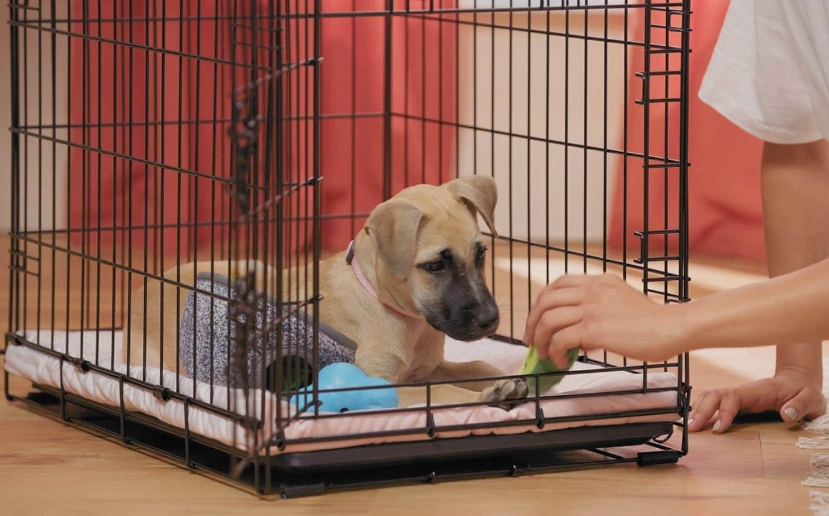
Here's the non-consensus bit. I don't crate my puppies for long stretches during the day. Ever. The crate is for sleep, naps, and short timeouts. If you're using the crate to manage a puppy for four hours while you work, you're setting up a cycle of pent-up energy that makes the next crate session harder. I learned this the hard way with a border collie mix who started chewing the crate bars at month three. The fix wasn't a stronger crate—it was shorter crate sessions paired with a mid-day dog walker.
The 2-hour rule (for puppies under 6 months): No more than two consecutive hours in the crate during the day. At night, one potty break for every month of age (so a 3-month-old gets up once around 2 a.m.).
How to start crate training a puppy: the first 48 hours
Skip the 'throw the puppy in and let them cry it out' advice. That's the fastest way to create a dog who panics every time you reach for the door. Instead, here's the sequence I use with every foster.
Hour 0–4: Make the crate the best place on earth
Toss a handful of tiny treats (pea-sized pieces of cooked chicken work better than store-bought training treats) into the crate. Leave the door open. Let the puppy wander in and out. Don't close the door. Don't even stand near it. Just sit on the floor nearby and read a book. The goal is zero pressure. I've seen puppies walk into an open crate within ten minutes just because the treats smelled right.
Hour 4–8: Feed every meal inside the crate
Put the food bowl at the back of the crate. Close the door while the puppy eats. Open it the second they finish. This builds a positive association with the door being closed. If your puppy refuses to eat with the door closed, leave it open for two more meals, then try again.
Hour 8–24: First closed-door session (10 seconds max)
With the puppy inside and a stuffed Kong or a lick mat, close the door. Count to ten. Open it. That's it. Repeat three or four times. If the puppy whines, wait for a half-second pause in the whining, then open the door. You're teaching them that quiet gets the door open, not noise.
Day 2: Extend to 30 seconds, then 1 minute
Same routine, longer duration. Never open the door while the puppy is actively crying. Wait for a split second of silence. This is the single most important rule. I know it's hard. I've stood outside a crate at 2 a.m. with my hand on the latch, waiting for that half-second gap. It works.
A realistic puppy crate training schedule by age
The schedule below is for a puppy who is already comfortable with the crate door being closed for a few minutes. Adjust based on your individual dog's bladder capacity and energy level. These are starting points, not gospel.
| Age | Max daytime crate session | Nighttime potty breaks | Total daily crate hours (goal) |
|---|---|---|---|
| 8–10 weeks | 45–60 minutes | 2–3 | 14–16 (mostly naps and night) |
| 10–12 weeks | 1–1.5 hours | 2 | 12–14 |
| 3–4 months | 1.5–2 hours | 1–2 | 10–12 |
| 4–6 months | 2–3 hours | 1 | 8–10 |
| 6+ months | 3–4 hours | 0–1 | 6–8 |
Notice the total daily crate hours go down as the puppy gets older. That's intentional. By six months, the crate should be a nap spot and a sleep spot, not a full-time containment zone. The puppy crate training schedule that works is one that gradually gives the dog more freedom, not less.
How to stop a puppy crying in the crate without creating bad habits
First, rule out the obvious. A puppy who cries in the crate might need to potty. Take them outside on a leash, give them three minutes to go, then bring them back in. No play, no talking. If they don't potty, they go back in the crate. If they do, praise calmly and return them to the crate. This is not a jailbreak—it's a bathroom break.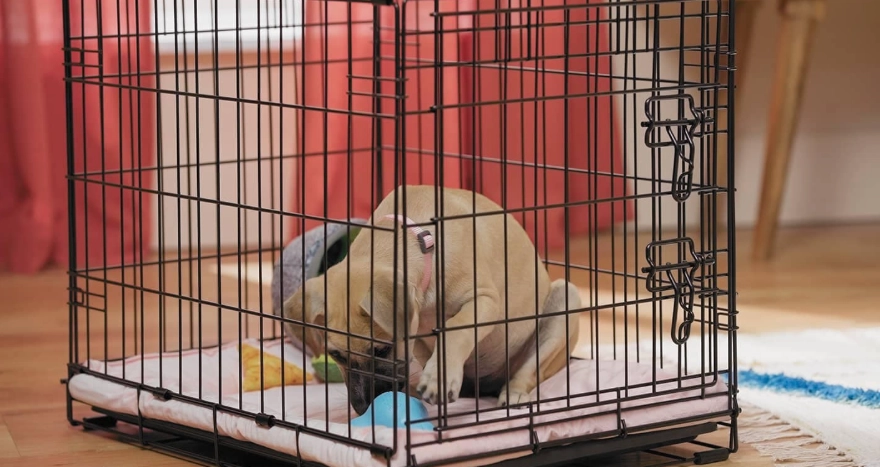
Second, check the crate size. A crate that's too big gives a puppy room to pace and work themselves up. The right size lets them stand up, turn around, and lie down stretched out. Not more. I use a crate divider for every foster puppy and adjust it weekly as they grow. The divider is the cheapest tool that solves a surprising number of crying problems.
Third, the location matters more than you think. A crate in a back bedroom with the door closed is a recipe for isolation distress. Put the crate in the main living area during the day and next to your bed at night for the first two weeks. Yes, you'll hear every whimper. That's the point. You want to be there to reward the quiet moments. The ASPCA's crate training position paper backs this up—proximity to the social group reduces anxiety during the adjustment period.
Here's the mistake almost everyone makes: they respond to the crying with talking. 'It's okay, shhh, good boy.' That's attention. To a lonely puppy, attention is a reward. Instead, wait for a two-second pause in the crying, then quietly say 'yes' and drop a treat through the crate bars. No eye contact. No big emotions. Just a calm marker and a reward for silence.
Common crate training mistakes I see every week
Mistake 1: Using the crate as punishment. If you yell 'bad dog' and shove them in the crate after an accident, the crate becomes a scary place. I've seen this create a dog who won't go near a crate for months. The fix is simple: never put a puppy in the crate when you're frustrated. Take a breath. Walk away. Calm down. Then crate them with a treat.
Mistake 2: Leaving the collar on inside the crate. A puppy can catch a collar tag on the crate bars and panic. I had a foster who did this and it took three weeks to rebuild her comfort with the crate. Remove the collar before crating. Every time.
Mistake 3: Expecting the crate to work on day one. Crate training puppy takes time. The average puppy needs five to ten days of consistent, positive exposure before they stop fussing at bedtime. If you're on day three and losing hope, you're normal. Keep going. The turnaround usually happens around day six.
Mistake 4: Skipping the midday break. A puppy under four months old cannot hold their bladder for a full workday. They just can't. If you're gone eight hours, you need a dog walker, a neighbor, or a pet sitter to let the puppy out at least once. Crate training fails more often from unrealistic expectations than from bad technique.
One last thing. Crate training is not a test of dominance. It's a skill you teach, the same way you teach sit or leash manners. Some puppies take to it in two days. Others need two weeks. Both are normal. Watch the puppy, not the calendar.
This guide was fact-checked against guidelines from the American Veterinary Society of Animal Behavior and the ASPCA's position on crate training.


Comments