
What's in this guide (jump ahead)
- Quick answer: the short version
- How often to bathe a dog by breed and coat type
- Signs you're bathing your dog too often
- When a bath is actually necessary (and when it's not)
- What about dogs with skin issues or allergies?
- A simple bath routine that keeps skin healthy
- Real questions I hear from dog owners
Quick answer: the short version
Most healthy dogs do fine with a bath every 4 to 8 weeks. That's the sweet spot I've landed on after a decade of grooming and working alongside vet techs. But it's not a one-size-fits-all number. A short-coated Beagle and a thick-coated Chow Chow have completely different needs. So does an apartment dog versus one that rolls in pond mud every weekend.
The real question isn't just how often to bathe a dog. It's what does your dog's skin and coat actually need. I've seen dogs bathed weekly with no issues, and I've seen dogs whose skin flared up after every single bath. The difference usually comes down to coat type, shampoo choice, and how well you dry them.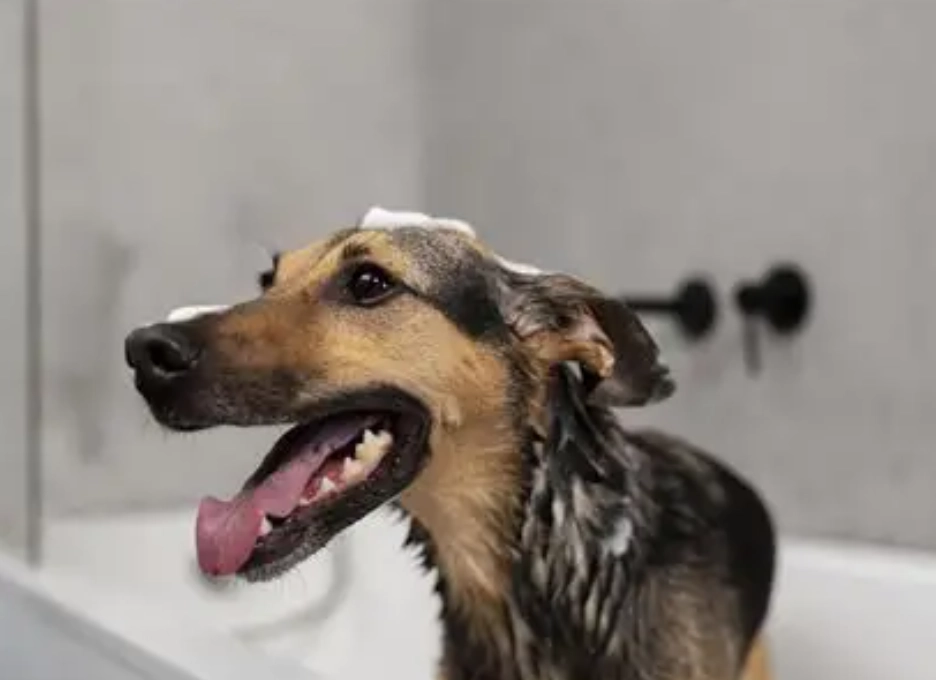
How often to bathe a dog by breed and coat type
I keep this chart on my phone when owners ask at the groomer's counter. It's based on what I've observed working with hundreds of dogs, plus guidance from the ASPCA's dog grooming resources.
| Breed / Coat Type | Typical Bath Frequency | Why |
|---|---|---|
| Short smooth coat (Beagle, Boxer, Labrador) | Every 6–8 weeks | Natural oils spread easily; too-frequent baths strip them fast |
| Double coat (Husky, Golden Retriever, German Shepherd) | Every 6–10 weeks, more during blowouts | Undercoat traps dirt but also holds moisture—drying is critical |
| Curly or wool coat (Poodle, Bichon, doodle mixes) | Every 3–4 weeks | Hair traps debris and oils near the skin; matting risk climbs fast |
| Long silky coat (Yorkie, Shih Tzu, Maltese) | Every 2–4 weeks | Dirt travels down the hair shaft; frequent brushing helps extend time between baths |
| Hairless or very short (Chinese Crested, Xolo) | Every 1–2 weeks (or as needed) | Skin is exposed; buildup of oils and dirt shows quickly |
One thing I've noticed: doodle owners often over-bathe because the coat feels dirty fast. But over-washing a doodle can make the coat greasier. The skin panics and produces more oil. I tell people to try stretching to 4 weeks and use a leave-in conditioner between baths.
Signs you're bathing your dog too often
Your dog can't tell you their skin is dry. But they show it. Here's what I watch for—and what I've seen owners miss.
Flaking that looks like dandruff. That white dust on a black coat? Often a sign the skin barrier is stripped. I saw a Cocker Spaniel last month whose owner bathed him weekly because he "smelled like dog." The smell was actually from over-washing—the skin was overcompensating with oil. We cut baths to every 5 weeks and the smell vanished.
Constant scratching after a bath. Some itchiness is normal for a few minutes. But if your dog scratches for hours after drying, the shampoo might be too harsh, or you're not rinsing enough. I can't tell you how many dogs I've re-bathed just to get leftover shampoo residue off their skin.
Dull, brittle coat. Healthy dog fur has a slight shine. If it starts looking like straw, back off the baths.
Redness or rash in armpits and groin. Those areas have thinner skin. Over-bathing irritates them first.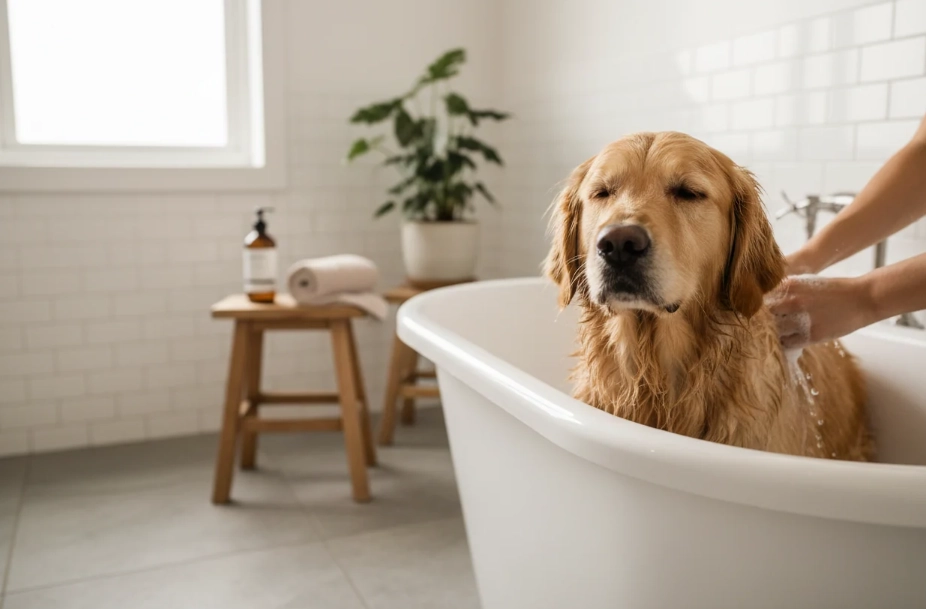
A non-consensus take: Most online guides say "bathe your dog every 4-6 weeks." But I've found that doubling the time between baths for indoor, short-haired dogs often fixes dry skin better than switching shampoos. The skin just needs a break.
When a bath is actually necessary (and when it's not)
Not every dirty dog needs a full bath. Here's my rule of thumb after years of dealing with muddy paws and mystery smells.
Definitely bath: after rolling in something dead (I've gagged more times than I care to admit), after a run-in with skunk spray, if they've been swimming in stagnant water, or if they have fleas (use flea shampoo and follow vet advice).
Skip the full bath: a little dust from the park, drool on the chest, or a slightly "doggy" smell that a damp towel can fix. I use dog-safe wipes on paws and belly for quick cleanups. A full bath for minor dirt just dries out the skin.
Here's a scenario I see all the time: owner comes home from a hike, dog is covered in dried mud. They panic and bathe immediately. But dried mud brushes off easily once it's dry. A quick brush and a paw rinse saves the skin from a full soak.
What about dogs with skin issues or allergies?
This is where general advice falls apart. If your dog has been diagnosed with a skin condition—seborrhea, allergies, fungal infections—your vet's instructions override any breed chart.
I worked with a vet dermatologist who told me something most owners never hear: medicated baths are a treatment, not grooming. That means frequency is prescribed—sometimes twice a week for a few weeks—and then tapered. Using a medicated shampoo too often can cause resistance, and stopping too soon lets the issue return.
For allergic dogs, the Merck Veterinary Manual's section on itchy skin notes that bathing can remove allergens from the coat. But the wrong shampoo can also irritate. I always suggest fragrance-free, oatmeal-based shampoos unless the vet says otherwise. And always follow with a conditioner—medicated baths dry out coats fast.
One more thing: if your dog has a hot spot or open sore, do not bathe the area without vet approval. Water can make it worse. I made that mistake once with my own dog's hot spot—set the healing back a week.
A simple bath routine that keeps skin healthy
Frequency matters, but so does how you bathe. These steps are what I actually do at the tub.
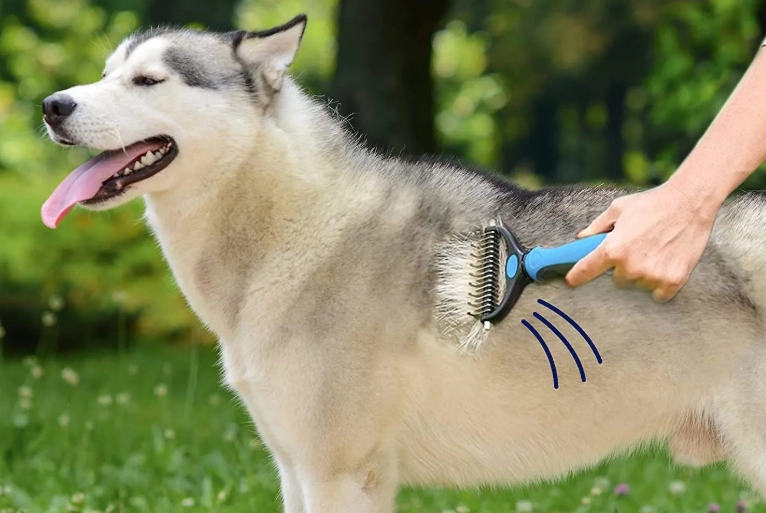
Brush first. Always. Brushing removes loose fur and dirt so shampoo can reach the skin. I've seen mats turn into felted clumps after a bath because the owner skipped brushing.
Lukewarm water only. Hot water strips oils. Test it on your inner wrist—if it's too hot for you, it's too hot for your dog.
Dilute the shampoo. Most people squirt shampoo straight onto the coat. I mix a teaspoon of shampoo in a cup of warm water and pour it over. It spreads more evenly and rinses cleaner.
Rinse, rinse, rinse. I can't stress this enough. Leftover shampoo is a top cause of post-bath itching. Rinse until the water runs completely clear, then rinse one more minute.
Dry thoroughly. Towel dry, then use a blow dryer on cool or low heat. Double-coated dogs need extra drying time at the skin level. A damp undercoat can grow bacteria. I once saw a Husky develop a yeast infection because the owner let him air dry after a bath on a humid day.
Real questions I hear from dog owners
My dog smells bad even after a bath. How often should I actually bathe them?
That smell isn't always dirt—it's often yeast or bacteria on the skin. Bathing more won't fix it. In fact, over-bathing can make the smell worse because it disrupts the skin's microbiome. I'd try a vet-approved chlorhexidine or ketoconazole shampoo once, then wait 2 weeks. If the smell returns fast, see your vet. It might be an ear infection or anal gland issue, not a coat problem.
Can I bathe my dog once a week if they sleep in my bed?
You can, but watch the coat. Weekly baths with a gentle, soap-free shampoo work for some short-coated dogs. But I've seen more dry skin issues from weekly baths than from monthly ones. Try a rinse-free waterless shampoo on the paws and belly for in-between days. And always use a conditioner if you're bathing that often.
Is it okay to bathe a puppy every month?
Puppies have thinner skin and less developed oil glands. Monthly is usually fine after 12 weeks old, but use a puppy-specific shampoo. I'd avoid bathing a puppy under 8 weeks unless the vet says so. Also, puppies lose heat fast—dry them thoroughly and keep them warm.
How often should I bathe a dog with dry skin?
Less often than you think. Every 8 weeks is a good starting point. Use an oatmeal or ceramide shampoo, and add a fish oil supplement to their diet. I've seen dramatic improvement in dry skin just from stretching bath time and adding omega-3s. If the skin is cracked or bleeding, see a vet before bathing.
Does bathing help with dog shedding?
A bath can loosen dead fur, but it's not a fix for heavy shedding. Brushing does more. That said, a bath during a blowout (when the undercoat releases) helps get the loose fur out faster. I use a rubber curry brush in the tub during shedding season. Just don't bathe more than every 4 weeks for shedding—it won't stop the shed.
I've checked the breed-specific advice in this article against published guidance from the ASPCA and the Merck Veterinary Manual. Individual dogs vary—when in doubt, ask your vet.

Comments