
I have a Lab mix who sheds like the seasons depend on it. For three years I vacuumed twice a day and still found hair in my coffee. Then a groomer friend watched me brush him wrong and said, "You're not doing dog shedding control. You're petting him with a comb." That stung. But she was right.
Real shedding control isn't about one magic tool. It's a short routine — the right brush, the right timing, and a few diet and bathing rules — that cuts loose fur by a noticeable margin. Below is exactly what worked on my heavy-coated dogs, including the moves most owners skip and the ones that actually make things worse.
What's inside this quick guide
Why Your Dog Sheds So Much (And What's Normal)
First, the part nobody tells you: double-coated breeds (Huskies, Golden Retrievers, German Shepherds) blow their coat twice a year. In those weeks, a phone-book-sized puff of fur per day is normal. I weigh the hair I collect sometimes — my Lab gave up 11 ounces in one spring week. That's not a problem. That's biology.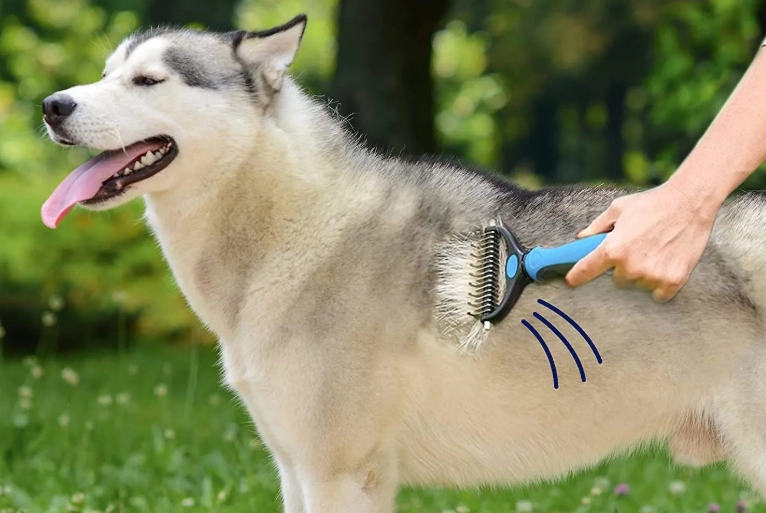
What's not normal: bald patches, itchy red skin, or hair that pulls out in clumps with crust. Those point to allergies or thyroid issues. According to the Merck Veterinary Manual, endocrine disorders like hypothyroidism are a common hidden cause of stubborn shedding.
So before you buy another gadget, figure out which shedder you have. A short-haired Beagle needs a rubber curry. A Husky in April needs a high-volume undercoat rake and a schedule. Matching tool to coat type is the whole game.
How to Brush a Heavy Shedder the Right Way
Here's my routine, tested on two dogs and one very patient cat that supervises. It takes 12 minutes, done three times a week outside shedding season and daily during a coat blow.
Step 1: Work with the coat, not against it
Brush in the direction the hair grows. Sounds obvious. Most people drag backward and pull the skin. Start at the hindquarters, move forward. My groomer friend taught me to do the "tail test": if the brush snags near the tail, the undercoat is matted and you need a dematting comb first, not a rake.
Step 2: Section the coat with one hand
I part the fur down to the skin with my left hand, then run the undercoat rake through that strip with my right. This is the move that actually reaches the dead layer. Without sectioning, you're just grooming the surface.
Step 3: Finish with a rubber curry in circles
A curry brush pulls up loose hair and gives a mini massage that most dogs love. My Lab leans into it. Do this last, then wipe the coat with a damp microfiber cloth — it grabs the flyaway hair before it hits your couch.
The Deshedding Tool Lineup I Actually Use
You don't need all of these. Pick by coat type. Here's what's in my bin and how each one performs.
| Tool | Best for | How I use it | Cost range |
|---|---|---|---|
| Undercoat rake | Double coats (Husky, Shepherd) | Sectioned strips, 3x weekly | $15–$30 |
| Deshedding blade | Short, dense coats (Lab, Beagle) | Light strokes, never on skin | $20–$45 |
| Rubber curry | All coat types, finishing | Circular motion after raking | $8–$15 |
| Slicker brush | Feathery ears, tail fringe | Detangling only, not deshedding | $10–$20 |
| Dematting comb | Mats behind ears and tail | Only on knots, then rake | $12–$25 |
One warning on deshedding blades: they're sharp. I nicked my dog's flank once being careless. Keep the blade flat, use short strokes, and stop if you see pink skin. These tools strip dead fur — they don't need pressure.
Bath Rhythm and Diet Tweaks That Calm the Fur Storm
Bathing is where opinions split. Some vets say bathe a shedding dog every 4–6 weeks with a gentle oatmeal shampoo — the water loosens dead coat and the shampoo soothes winter-dry skin. Others warn too-frequent baths strip oils. My take, after trial and error: every 4 weeks during a coat blow, every 8 weeks otherwise. Harsh detergents dry the skin, which triggers more shedding. Look for a pH-balanced dog shampoo.
Diet matters more than people admit. Omega-3 and omega-6 fatty acids support the skin barrier — the American Kennel Club notes that a balanced diet with healthy fats can improve coat condition. I added a fish-oil capsule to my Lab's food and saw less flaking within six weeks. Not a miracle, but the hair that came out was less brittle.
Hydration too. A dog drinking enough water sheds less dry, brittle coat. I keep a second bowl in the hallway because mine ignores the kitchen one.
When Shedding Is a Vet Visit, Not a Brush Problem
Look, shedding control handles normal coat blow. It doesn't handle disease. Book a vet if you see any of these: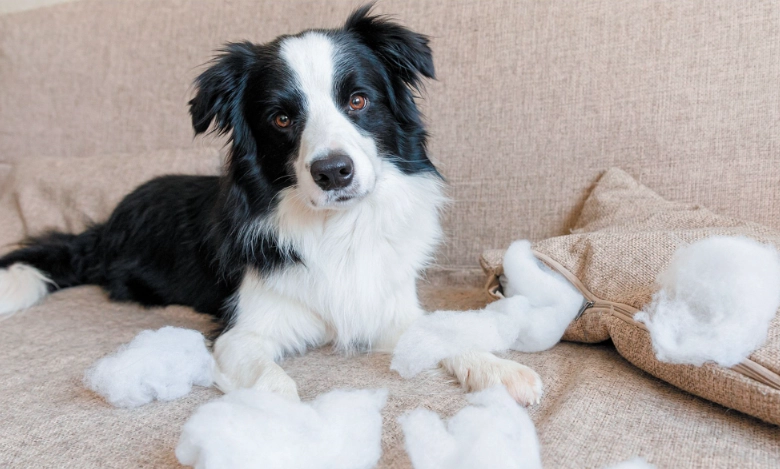
- Bald patches or thinning in a pattern — often thyroid or skin infection.
- Hair pulling out in clumps with scabs — parasitic or fungal issue.
- Relentless scratching with dander — allergies need testing, not more brushing.
- Sudden heavy shedding plus lethargy — endocrine check is worth it.
I learned this the hard way with a foster dog. I brushed a bald patch for a week assuming "seasonal shed." Turned out to be a skin infection. Two weeks of treatment and the fur came back. Vets know what I didn't.
Shedding Questions I Get Asked Most
My dog sheds heavily only in fall — is that a coat blow or something else?
Fall coat blow is real for double-coated breeds — they grow a thick winter coat in autumn. But in a short-coated breed, sudden fall shedding often tracks indoor heating kicking on. Check the coat near the spine for flaking. If it's clean, it's seasonal. If you see crust, get it looked at.
Does shaving a heavy shedder actually reduce fur in the house?
It reduces loose fur for a few weeks, then backfires. Shaving a double coat can damage the insulation and regrowth pattern, and the coat often comes back coarser and sheds harder. I've seen groomers refuse this request for that reason. Stick to deshedding, not clipping.
How often should I use a deshedding blade without irritating skin?
Twice a week in normal weeks, daily during a coat blow, and always on dry fur. The tell is skin color — stop the moment you see pink instead of the normal pale tone. Pressure is the enemy here, not frequency.
Is there a diet change that noticeably cuts shedding in a month?
Not in a month for most dogs. Skin and coat turnover is slow — expect 6–8 weeks to see a difference from omega fatty acid supplements. If someone promises two-week results, they're selling, not helping.
That's the whole system. Brush with the grain, section the coat, match tool to fur, bathe on a rhythm, feed the skin, and let a vet handle anything that looks like more than coat blow. The vacuum still runs — but not twice a day. This article was fact-checked against veterinary and breed-standard sources.


Comments