
What I've seen work (and fail) at the park
I’ve been the guy holding a shaking Jack Russell terrier behind a parked car while a German Shepherd walks by. I’ve also been the guy at the café, calmly feeding chicken to a foster dog who used to lunge at every bicycle. Dog socialization isn’t about forcing your dog to “say hi” to every stranger at the park. It’s about teaching them that the world is neutral — and that they don’t need to fight or flee it.
When you get that wrong, you end up with leash reactivity, fear-based aggression, or a dog that hides under the sofa when guests come over. I’ve spent the last ten years fixing those messes. Here’s the no-fluff breakdown.
What is dog socialization, really?
Most people think socialization equals playing with other dogs. That’s dog-dog play, and it’s a tiny slice of the pie. True socialization means your dog can be in the presence of other dogs, people, sounds, and surfaces without flipping out. It’s a neutrality game, not a popularity contest.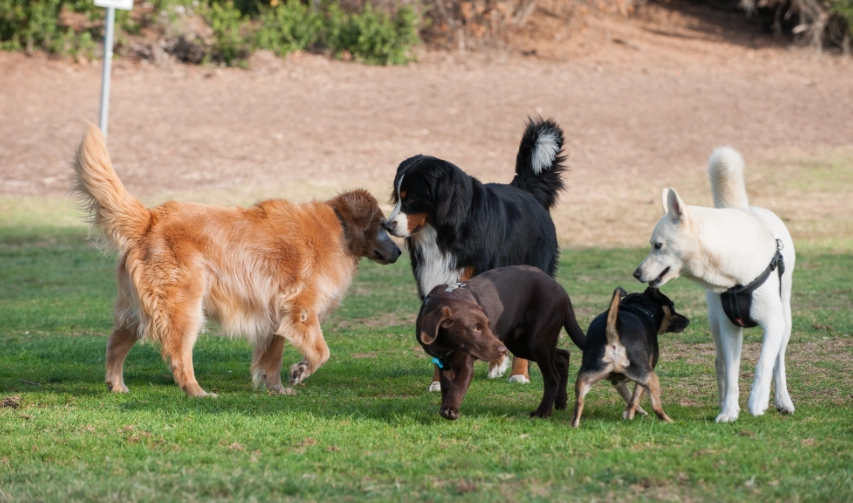
I learned this the hard way with a border collie named Tess. She went to puppy class, played with twenty dogs, and still screamed at skateboards. Why? Because she never learned to ignore stuff. Playtime doesn’t teach calm. Distance and rewards do.
The three pillars
Exposure without flooding. Your dog needs to see the trigger from a distance where they can still eat a treat. If they won’t eat, you’re too close. This is the foundation of dog socialization that actually sticks.
Choice. Let the dog approach or retreat. Drag them toward a scary trash can and you’re teaching them that trash cans predict bad stuff. I cringe every time I see an owner yank a dog toward a stranger “to say hello.”
Reward the calm, not the contact. If your dog looks at a jogger and then looks back at you, that’s gold. Mark it and pay. They just learned that ignoring joggers pays better than barking at them.
Why it matters: the science and my n=1 case
The American Veterinary Society of Animal Behavior (AVSAB) has a position statement that says the risk of behavioral euthanasia from under-socialization far outweighs the risk of disease from early classes. That’s a strong claim, but I’ve lived it.
I fostered a two-year-old lab mix named Bruno. He’d spent his life in a backyard. First walk, he pancaked when a garbage truck rumbled by. No bite, just pure terror. Six months of systematic counter-conditioning later, he walked past that same truck with a loose leash and a wagging tail. That’s the power of late socialization. Not easy, but doable.
Here’s the non-conspensus part: many trainers push “socialization” as endless playdates. The result is a dog who becomes addicted to other dogs and loses their mind when they can’t play. I call those “frustrated social butterflies.” They’re just as hard to walk as a reactive dog. Balance exposure to dogs with heavy focus on neutrality and handler engagement.
How to socialize a reactive dog (step-by-step)
If your dog already barks, lunges, or freezes on walks, you’re not starting from scratch — you’re rebuilding trust. I’ve done this with dozens of fosters. Here’s the exact sequence I use.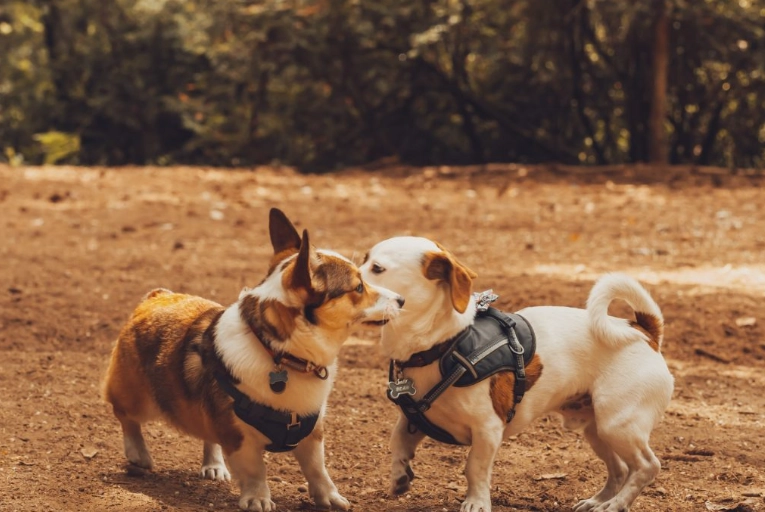
Step 1: Find your dog’s threshold distance
Take them to a quiet park. Have a friend stand 50 meters away with a calm dog. Walk your dog toward them until they notice. The moment they stiffen or stare, stop. That’s the threshold. Feed high-value treats (boiled chicken, string cheese) while the trigger is visible. When the trigger leaves, treats stop. Repeat until your dog looks at you when they see the trigger. That’s called a “check-in.”
Step 2: Practice the “look at that” game
This is Leslie McDevitt’s pattern game. Your dog looks at a trigger, you mark (“yes”) and treat. They learn that looking at triggers predicts treats. Suddenly, the trigger isn’t scary — it’s a vending machine. I’ve seen dogs go from lunging at rollerbladers to happily glancing back at their owner within three weeks of daily ten-minute sessions.
Step 3: Real-world proofing (slowly)
Move to slightly busier areas. A café patio at off-peak hours. A hardware store that allows dogs. Keep sessions under 15 minutes. End on a win. If your dog has a bad reaction, you pushed too fast. That’s on you, not them. Shrink the distance or the duration.
What success looks like
| Scenario | Before socialization work | After 6-8 weeks |
|---|---|---|
| Passing a leashed dog on sidewalk | Barking, lunging, owner embarrassed | Glances at dog, looks back at handler, takes treat |
| Guest enters home | Hiding, growling | Sniffs briefly, then settles on mat |
| Hearing a doorbell on TV | Explosive barking | Perks ears, then relaxes |
Puppy socialization window: the 16-week trap
Everyone parrots the “16-week window.” Yes, it’s critical. But here’s the nuance that gets lost: the window closes around 12-16 weeks for fear learning, but socialization continues for life. I’ve met puppies who were flooded with experiences before 16 weeks and came out more fearful. The goal isn’t quantity. It’s happy, controlled exposure.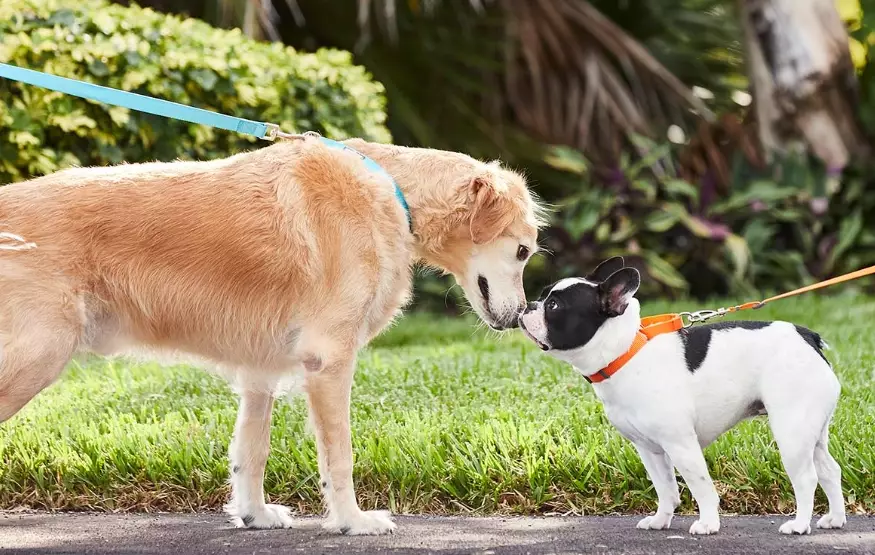
What does that mean practically? I take a puppy to a busy plaza, sit 30 feet away, and feed liver treats for five minutes. One loud truck later, we leave. That’s it. No meeting strangers, no dog park chaos. Just watching the world while eating chicken.
I also keep a checklist. Surfaces: metal grates, wooden bridges, plastic tarps. Sounds: thunder recordings at low volume, hair dryer, doorbell. People: hats, umbrellas, people carrying boxes (weirdly scary for dogs). I mark each off only when the puppy shows relaxed body language — no yawning, no lip licking, no tucked tail.
Three mistakes I keep seeing (you're likely doing one)
Mistake 1: The “let them work it out” dog park trip. If your dog gets bullied at the park, they don’t build confidence. They build a lifelong grudge. I watched a client’s golden retriever get pinned by a husky. Six months later, that golden still froze at the sight of any husky. Avoid dog parks if your dog isn’t already bombproof. Your dog doesn’t need dog friends. They need neutral coexistence.
Mistake 2: Treating socialization as a checklist. “We went to the farmer’s market, done.” No. If your dog spent the whole time trembling, you exposed them to fear, not socialization. I’d rather do five calm minutes at a bus stop than an hour of stressful chaos.
Mistake 3: Waiting until the dog is reactive to start. The best time to socialize is before there’s a problem. But I get it — life happens. If you’ve got an adult dog who’s already reactive, you’re not doomed. Bruno was two and he learned to walk past skateboards without a meltdown. Slow and steady.
My non-consensus take: Most people over-socialize their puppies with other dogs and under-socialize them with the environment (sounds, surfaces, weird objects). The result is a dog who loves dogs but panics at a plastic bag. Flip the ratio.
Real questions from clients and readers
This article was fact-checked against the AVSAB position statement on puppy socialization and my own case notes from working with over 60 foster dogs.
Comments