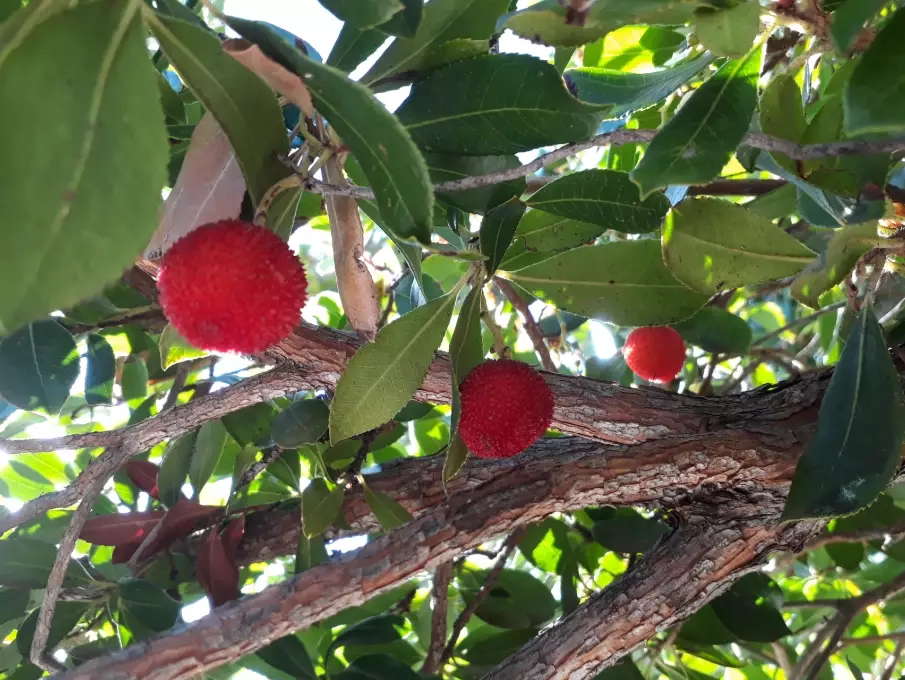
Let's talk about the arbutus tree. You've probably seen it if you've spent time along the Pacific Coast from British Columbia down to California. It's that stunning tree with smooth, reddish bark that seems to peel off in papery sheets, glossy evergreen leaves, and clusters of bright red berries in the fall. The sight of one clinging to a rocky seaside cliff is unforgettable. Its official names are Arbutus menziesii or Pacific madrone. But here's the thing everyone discovers eventually: this tree is notoriously difficult to grow in a garden setting. It's a classic case of "love at first sight, frustration ever after." I've spent over a decade observing them in the wild and watching gardeners battle with them in yards. Most advice you find online misses the crucial, subtle reasons why these trees fail. This isn't just a plant care guide; it's a survival manual for one of North America's most captivating and contrary native trees.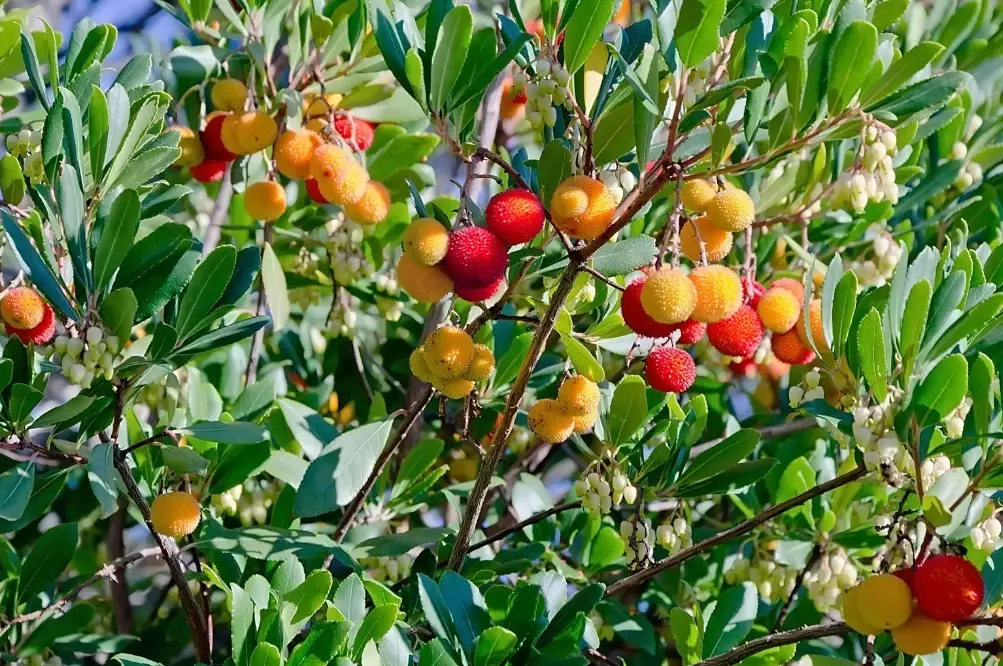
What's Inside This Guide
Why Arbutus Trees Are So Difficult to Grow
Most gardening sites will tell you the arbutus needs well-drained soil and full sun. That's true, but it's like saying a Formula 1 car needs gas. It's the bare minimum. The real challenge is replicating its specific, harsh native ecology in your backyard.
These trees evolved in a niche. They thrive on poor, rocky, acidic slopes where water drains away instantly. Their roots are fine and widespread, forming a symbiotic relationship with mycorrhizal fungi in the native soil. This partnership is non-negotiable. When you buy a potted arbutus from a nursery and plant it in rich, amended garden soil, you're essentially severing its lifeline. The fungi aren't there, and the rich soil can actually harm the roots.
The peeling bark isn't just for looks. It's a functional adaptation. By shedding its outer layer, the tree gets rid of lichens, mosses, and epiphytes that might weigh it down or hold moisture against the trunk—moisture that could lead to fungal diseases. It's a self-cleaning mechanism. Trying to "help" by applying sealants or paints to the peeling areas is one of the worst things you can do.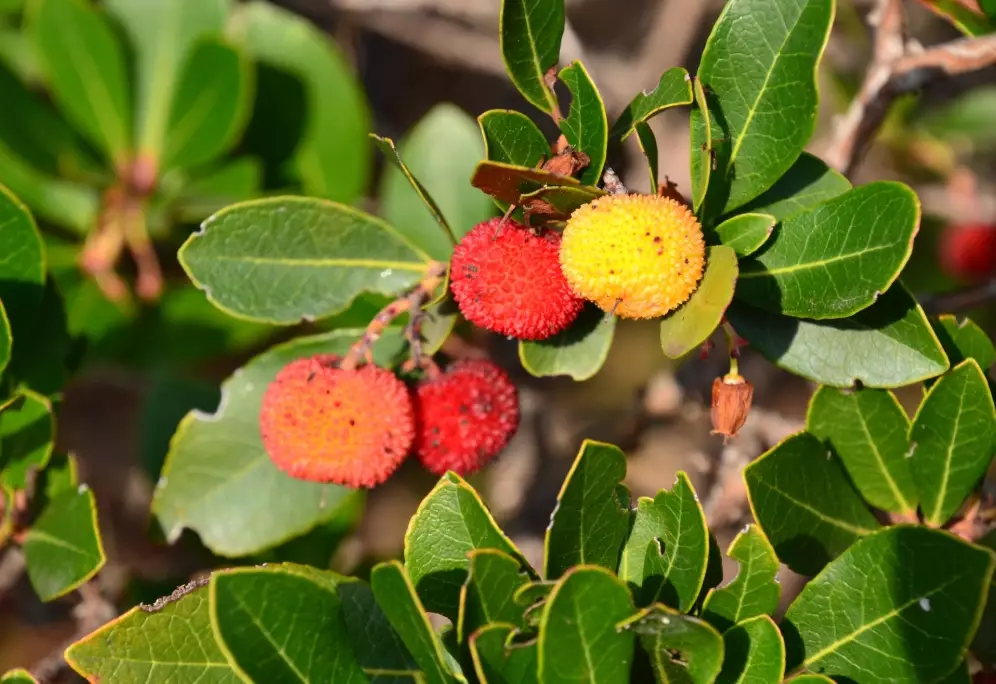
Common Arbutus Tree Problems and Real Solutions
Here’s where most people run into trouble. You plant your tree, it seems okay for a year or two, then things start to go wrong. Let's break down the big three issues.
1. Yellowing Leaves and Leaf Drop
This is the number one panic-inducer. People see yellow leaves and think "drought!" so they water more. Often, that's exactly the wrong move. Arbutus leaves naturally yellow and drop in summer, a strategy to reduce water loss. Excessive summer water, especially around the base, can lead to root rot (Phytophthora species), which also causes yellowing. You have to diagnose the cause: is it natural summer stress (older leaves yellowing uniformly) or a disease (yellowing progressing rapidly, possibly with wilting)?
2. Peeling Bark: Problem or Process?
The bark shedding is completely normal. The mistake is interpreting any bark abnormality as part of this process. If the bark underneath the peeling layer is discolored (black, dark brown), soft, or oozing, you have a problem like canker or physical damage. Healthy bark underneath is a firm, creamy green or rich cinnamon red. Leave the peeling alone. Don't pull it off; let it fall naturally.
3. Twig Die-back and Fungal Issues
Madrone canker (Nattrassia mangiferae) and arbutus leaf blights are common. They often strike when the tree is stressed—usually by the wrong soil or water conditions. The best defense is prevention: correct siting and avoiding overhead irrigation. Once you see die-back, prune well below the affected area into healthy wood, sterilizing your tools between cuts. Fungicides are rarely effective on established trees and are a last resort.
| Problem | What It Looks Like | Likely Cause | What to Do (and Not Do) |
|---|---|---|---|
| Yellow Leaves (Summer) | Older leaves turn yellow & drop | Natural drought response | Do: Nothing. It's normal. Don't: Increase watering. |
| Yellow Leaves (Any Season) with Wilting | Yellowing spreads, leaves wilt, branch dies | Root rot (Phytophthora) | Do: Improve drainage, let soil dry. Don't: Water the base. |
| Excessive Bark Peeling with Discoloration Underneath | Bark sloughs off, reveals dark/soft wood | Canker or physical damage | Do: Consult an arborist. Don't: Apply tar or sealant. |
| Black Spots on Leaves, Twig Die-back | Leaves with black lesions, tips of branches dying | Fungal leaf blight or canker | Do: Prune out affected branches, clean up leaf litter. Don't: Use overhead sprinklers. |
A Step-by-Step Guide to Arbutus Tree Care
If you're determined to try, here's a plan based on observation, not just textbook theory.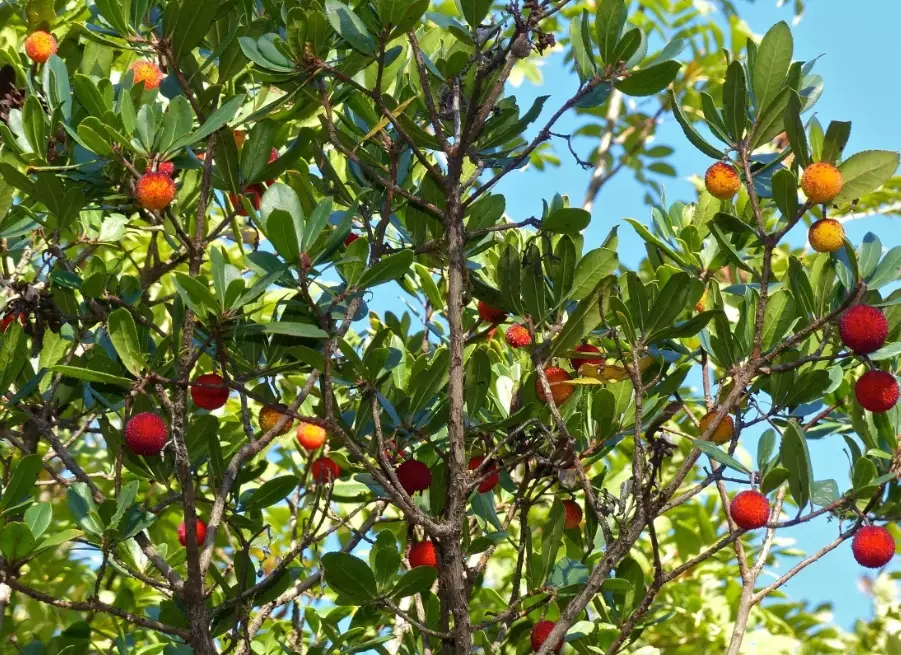
Step 1: Selection and Siting – This is 90% of the Battle.
Don't buy a large tree. Smaller saplings (1-2 gallon pots) transplant better and adapt more readily. Choose the sunniest, best-drained spot in your landscape. A south or west-facing slope is ideal. If you have flat ground, consider building a large, unmounded raised bed filled with a very lean mix: mostly native, rocky soil amended with a small amount of coarse sand and crushed gravel. Avoid compost and rich topsoil.
Step 2: The Planting Ritual.
Plant in the fall, so roots establish during the cool, wet season. Dig a wide, shallow hole—twice as wide as the root ball, but no deeper. The goal is to encourage lateral root growth. Gently tease out any circling roots. Place the tree so the root flare is slightly above the surrounding grade. Backfill with the native, unamended soil you dug out. Water it in once to settle, then stop.
Step 3: Watering – The Delicate Dance.
For the first two summers, deep water infrequently. Think once every 3-4 weeks during dry periods. Use a soaker hose placed well away from the trunk and run it for an hour. The goal is to encourage deep rooting. After year three, stop supplemental watering entirely. The tree must rely on natural rainfall.
Step 4: Fertilizing and Pruning.
Do not fertilize. Ever. These trees thrive on neglect. Pruning should be minimal and only to remove dead, diseased, or crossing branches. Do any pruning in late fall or winter when the tree is dormant. Make clean cuts and don't bother with wound dressings.
How to Use Arbutus Tree Fruit (Yes, You Can Eat It!)
Those brilliant red-orange berries in fall and winter are edible, though not exactly a supermarket fruit. They're mealy and bland when raw, with a texture like a dry apricot and lots of small seeds. But they have potential. Indigenous peoples, including Coast Salish communities, traditionally used them. They'd often mash and dry them into cakes or mix them with other sweeter fruits.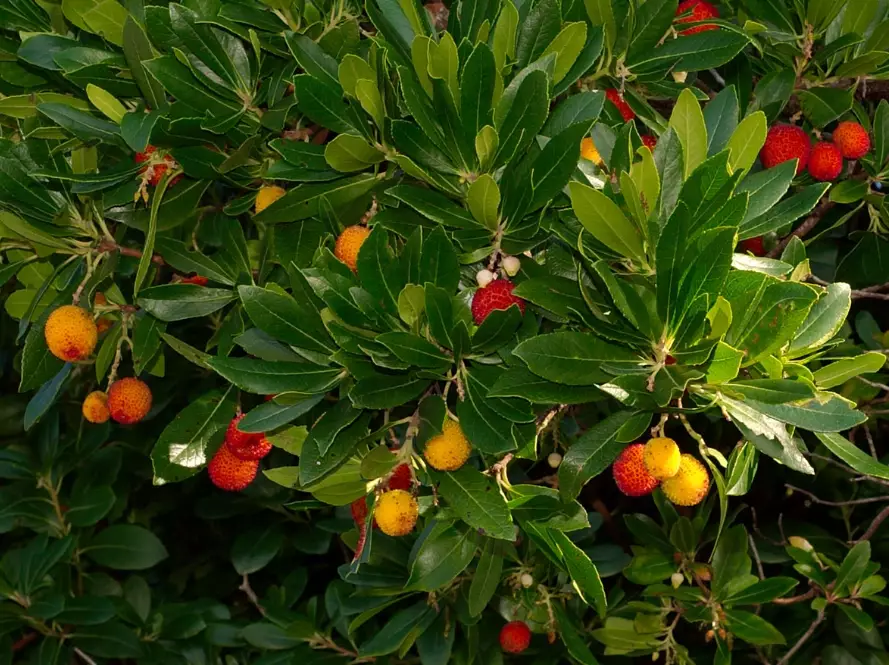
If you want to experiment, here's what I've tried:
- Jelly or Jam: This is the best use. The fruit is high in pectin. Simmer berries with water, strain through a jelly bag to remove the gritty seeds, and add a lot of sugar (and often some lemon juice) to balance the mild flavor. The result is a beautiful rose-gold colored preserve.
- Fermentation: Some homebrewers make a country wine or mead with the berries. The flavor is subtle, so it's often combined with apple or pear juice as a base.
- Wildlife Attraction: Honestly, the best use is often to leave them for the birds. Robins, band-tailed pigeons, and waxwings adore them. Watching a flock of cedar waxwings descend on a fruiting arbutus is a winter spectacle.
Always harvest sustainably and ensure you have permission if the tree isn't on your property.
Your Arbutus Tree Questions, Answered by Experience
 Is it true you should never mulch around an arbutus tree?
Arbutus trees aren't for every gardener. They demand a specific set of conditions and a hands-off approach that goes against our nurturing instincts. But when you succeed—when you see that smooth, sun-warmed bark, the glossy leaves, and the vibrant fruit on a tree you've stewarded—it's a profound connection to the rugged beauty of the Pacific coast. It’s less about cultivating a plant and more about hosting a wild piece of the landscape. For more detailed botanical information, resources like the USDA Plants Database or the BC Ministry of Forests provide excellent scientific profiles.
Reader Comments