Let's talk about vinca. You've probably seen it – those glossy green leaves and cheerful blue or white flowers forming a dense mat under trees, along slopes, or in places where grass just gives up. Maybe a neighbor has it and it looks indestructible. Or maybe you've tried it and had it either die on you or, more likely, try to conquer your entire yard. I've been there. For over a decade, I've used vinca (often called periwinkle or myrtle) to solve some of the toughest landscaping puzzles, and I've learned its secrets the hard way. This isn't just a plant profile. It's a manual for turning vinca from a generic "ground cover" into a reliable, beautiful, and controlled part of your garden.
What You'll Learn Today
What is Vinca? More Than Just a Pretty Face
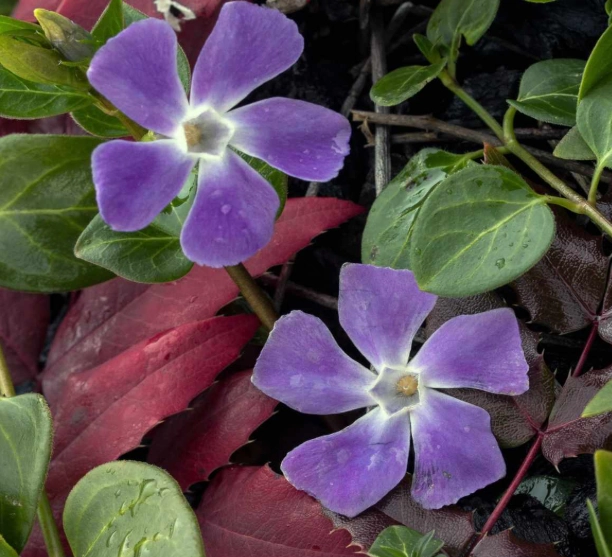
Vinca refers to a small group of evergreen perennial plants in the Apocynaceae family. The two you'll encounter are Vinca minor (common periwinkle, lesser periwinkle) and Vinca major (bigleaf periwinkle). They're classic European natives that have become garden staples worldwide, and for good reason. They're not just about looks. Their real superpower is survival in conditions that would make other plants sulk: deep shade, dry soil, root competition from trees, and steep banks where erosion is a problem.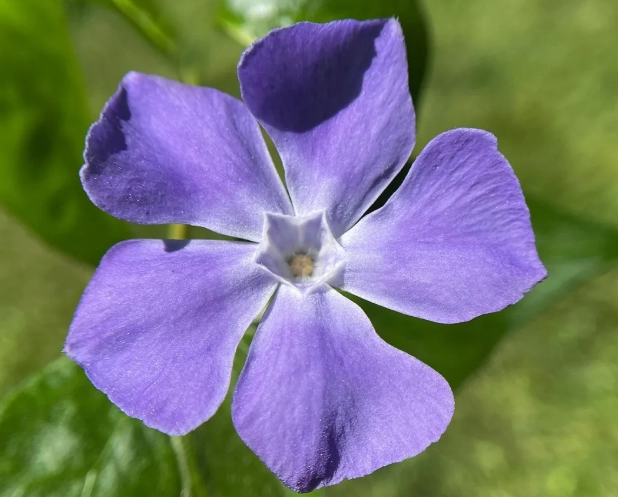
But here's the nuance most articles miss. People call both "vinca," but treating them the same is the first big mistake. Vinca minor is the polite, well-behaved cousin. It stays under 6 inches tall, spreads steadily but controllably by runners, and is reliably hardy in colder zones. Vinca major is the boisterous, sprawling relative. Its leaves are bigger, its stems longer (it can mound up to 18 inches), and it spreads with a much more aggressive, almost vine-like enthusiasm. In warmer climates (roughly zones 7-10), Vinca major can become invasive, escaping gardens and smothering natural areas. The Royal Horticultural Society and many state extension services, like the University of California's Integrated Pest Management Program, caution about its potential to spread. Knowing which one you're dealing with changes everything.
Varieties of Vinca: Choosing the Right One for Your Garden
Don't just grab the first flat of "vinca" you see. The cultivar matters. It affects color, vigor, and even disease resistance. Here’s a breakdown of the most common and useful ones.
| Variety Name | Type | Key Features & Best For | Potential Drawback |
|---|---|---|---|
| Vinca minor 'Bowles's Variety' | V. minor | The classic. Reliable, vigorous cover with abundant lavender-blue flowers. Great for large, tough areas. | Can be too vigorous for very small, intricate beds. |
| Vinca minor 'Alba' | V. minor | Pure white flowers that glow in shade. Slightly less aggressive than 'Bowles's'. Perfect for lighting up dark corners. | May show soil stains on flowers more easily. |
| Vinca minor 'Atropurpurea' | V. minor | Deep, plum-purple flowers. Offers a richer, more dramatic color contrast against the green foliage. | Sometimes slightly less cold-hardy. |
| Vinca minor 'Illumination' | V. minor | Variegated leaves with a bright gold center. Flowers are blue. Adds light without flowers. Best for decorative, contained spots. | Slower growing, less tolerant of full, deep shade. Can revert to green. |
| Vinca major 'Variegata' | V. major | Large leaves with creamy white edges. Very striking. Fast cover for large, contained areas or pots in warm climates. | Highly vigorous. Can be invasive. Not for small gardens or near natural areas. |
My personal go-to for 90% of situations is Vinca minor 'Bowles's Variety'. It's the workhorse. It establishes well, flowers profusely, and while it fills in nicely, it doesn't typically give me the nightmares of containment that Vinca major does. I reserve the variegated types for pots or very specific, bordered spots where I want a focal point.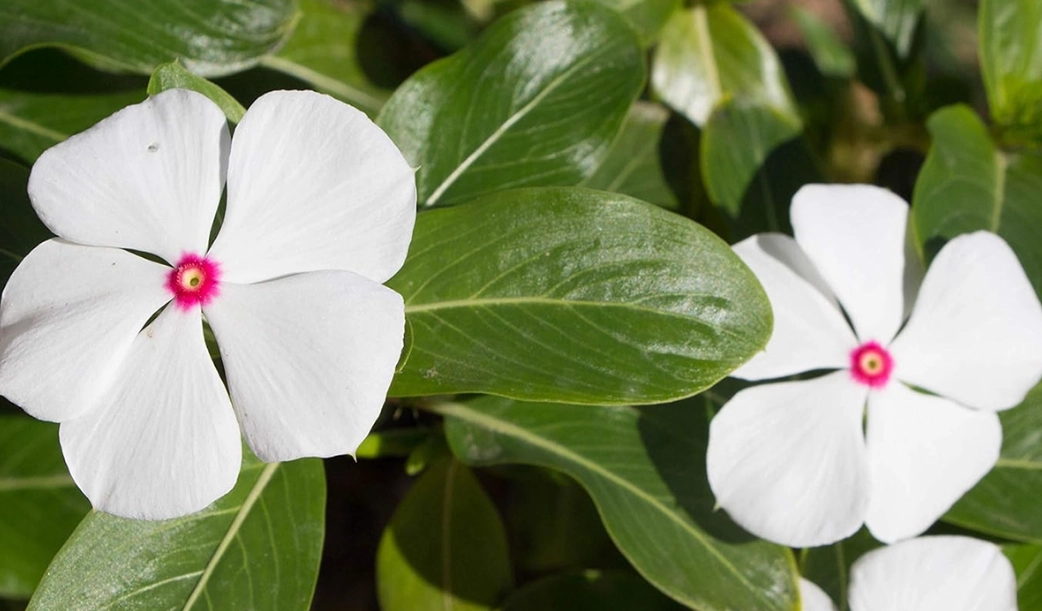
How to Plant Vinca: A Step-by-Step Guide That Actually Works
Planting vinca isn't rocket science, but doing it right means the difference between a patch that takes three years to fill in and one that's lush in 18 months. The biggest mistake I see? Planting single, small pots too far apart and expecting magic.
Site and Soil Prep: The Foundation
Vinca is famously tolerant, but "tolerant" doesn't mean "loves awful conditions." It thrives best in well-drained soil with a decent amount of organic matter. If you're planting under a tree, you're battling dry, root-filled soil. Don't just dig a hole.
- Clear the area of weeds and grass thoroughly. Vinca can compete later, but not at the start.
- Loosen the soil a good 6-8 inches deep. Break up compaction.
- Mix in compost. Don't overdo it, but 2-3 inches worked into the top layer gives the young plants a fighting chance against tree roots. It improves moisture retention and provides slow nutrients.
The Planting Process: Spacing is Everything
Forget the 12-inch spacing you might read. That's for patient people. For a relatively quick cover, space Vinca minor plants 6 to 8 inches apart. For Vinca major, go for 12 inches. You'll need more plants initially, but they'll knit together in one season instead of three.
Dig a hole just deep and wide enough for the root ball. Place the plant, backfill, and firm the soil gently. Water it in immediately. Not a sprinkle – a deep soak.
Here's my non-consensus tip: Don't fertilize at planting time. A high-nitrogen fertilizer encourages weak, leafy growth that's more susceptible to disease and winter damage. Let the compost do its work. The first real feeding can wait until the following spring.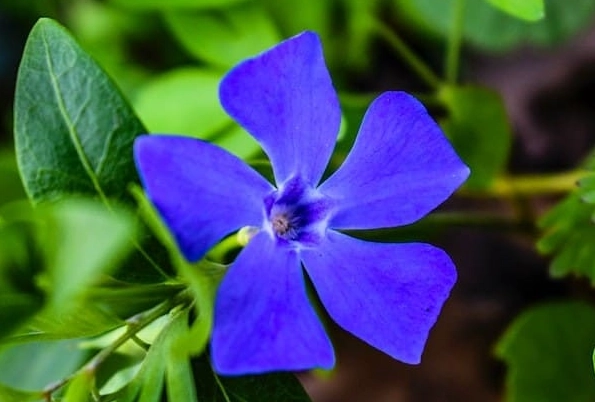
Caring for Your Vinca: Watering, Feeding, and the "M" Word (Mulch)
Once established, vinca is famously low-care. "Established" means it has put out new growth and seems rooted, usually after the first full growing season.
Watering: Critical in the first year. Water deeply once or twice a week if there's no rain. The goal is to encourage roots to go deep. After year one, vinca is remarkably drought-tolerant. You'll mostly only need to water during prolonged dry spells. Overwatering is a bigger threat than underwatering for mature plants.
Feeding: Minimal. An annual application of a balanced, slow-release granular fertilizer in early spring is plenty. Something like a 10-10-10 scratched lightly into the soil around the plants. More than this, and you're just making more work for yourself with extra trimming.
Mulching: This is the secret weapon for the first two years. A 2-inch layer of shredded bark or leaf mold does wonders. It conserves moisture, suppresses weeds while the vinca spreads, and moderates soil temperature. As the vinca fills in, it becomes its own living mulch. I stop adding mulch once the plants touch.
Maintenance Pruning: Yes, vinca needs pruning. Not for health, but for control and rejuvenation. Every 2-3 years, after flowering or in early spring, take a lawn mower (set high), hedge trimmer, or string trimmer and shear the entire patch back by half. It sounds brutal, but it's the best thing you can do. It removes old, woody stems, encourages fresh, dense growth from the base, and results in more flowers. It also clearly defines its boundary. I didn't do this for years, and my vinca became a leggy, matted mess with all the growth at the ends of long runners. A yearly trim keeps it tight and neat.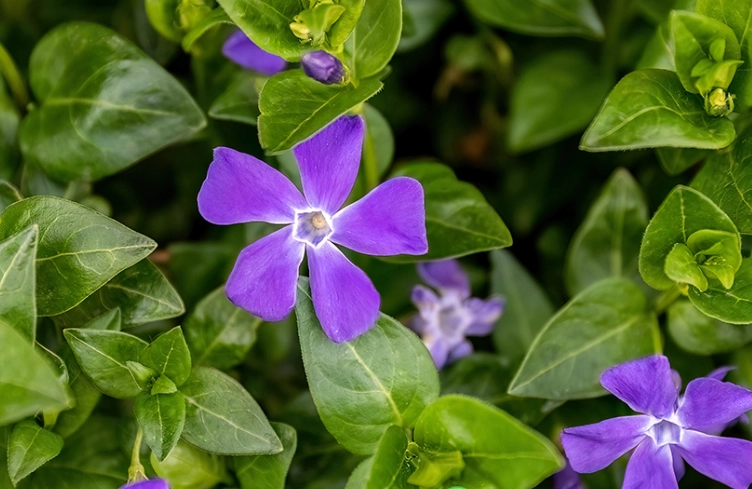
Common Vinca Problems and How to Solve Them
Vinca isn't bulletproof. Here are the issues you might face and what to do.
Yellowing Leaves: This is usually the number one question. The cause is almost always one of two things:
1. Waterlogged Soil: Vinca hates "wet feet." In heavy clay soil that stays soggy, roots rot. Improve drainage before planting, or consider raised beds.
2. Nutrient Deficiency: In very poor, sandy soil or under hungry trees, a lack of nitrogen can cause yellowing. A spring feed usually corrects this.
Rarely, it can be a fungal disease like aerial phytophthora, which causes sudden wilting and yellowing in patches. Remove affected plants, improve air circulation, and avoid overhead watering.
Lack of Flowers: Vinca needs some light to flower well. Deep, full shade (like under a dense spruce) will result in mostly foliage. It will survive but not bloom much. Also, an overgrown, woody patch flowers less. That rejuvenation pruning I mentioned? It directly fixes this.
It's Spreading Too Far: This is the Vinca major special, but even V. minor can wander. The solution is physical. Install root barriers when you plant, sinking edging material 6-8 inches deep around the intended area. For existing escapes, you'll need to dig and pull, getting as much of the runner as possible. It's a chore, which is why planning containment from the start is crucial.
Winter Dieback: In very cold climates (north of zone 5), Vinca minor can suffer winter burn, especially in exposed, windy sites or without snow cover. The foliage may turn brown and crispy. Don't panic in early spring. Often, new green growth will emerge from the crown. Gently rake out the dead material. A light winter mulch of evergreen boughs can help in extreme areas.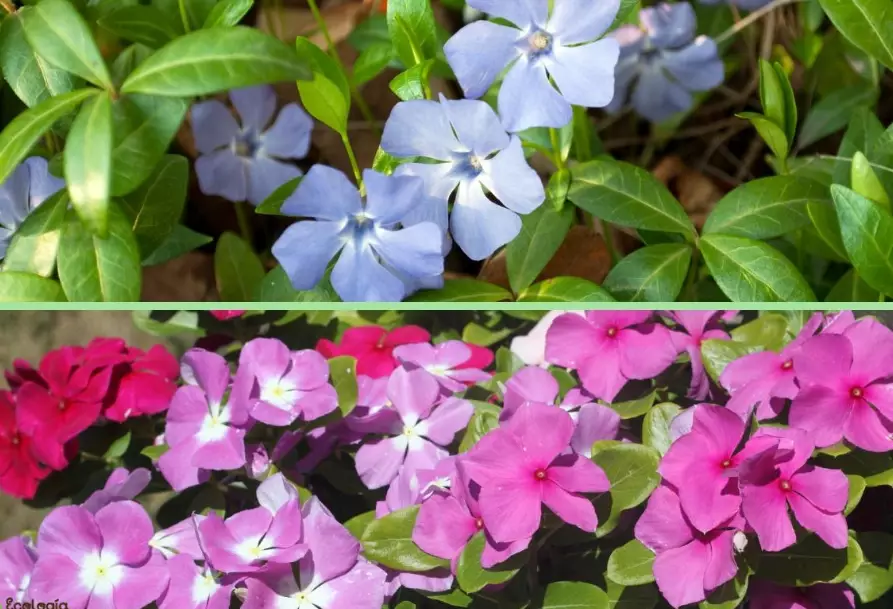
Vinca FAQ: Expert Answers to Your Trickiest Questions
Vinca is a tool. A powerful, resilient, and beautiful one for the right job. It's not a set-it-and-forget-it plant, but with an understanding of its personality—knowing the difference between minor and major, committing to initial spacing and watering, and not being afraid to give it an annual haircut—you can have a gorgeous, low-maintenance green carpet that solves problems for decades. It turned the ugly, muddy, root-filled slope on the north side of my house into one of the most commented-on parts of my garden. Just remember, you're the gardener. You're in charge. Even with vinca.
Reader Comments