Let's talk about the Cryptomeria Black Dragon. You've probably seen pictures – that gorgeous, dense, dark-green to almost blackish foliage, the elegant, irregular shape that looks like something from a mythical forest. It's one of those plants that makes you stop and stare. I remember the first time I saw one in a local botanical garden; I spent a good ten minutes just circling it, trying to figure out if it was real. It looked too perfect, like a carefully crafted bonsai but on a larger, landscape scale.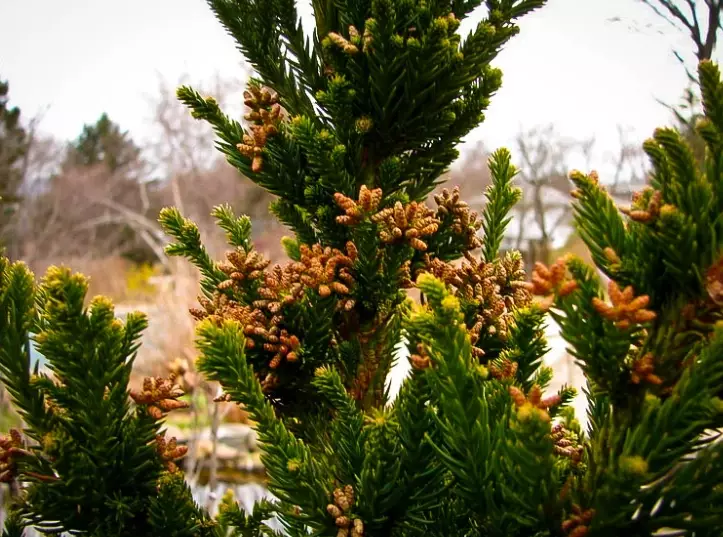
But here's the thing. For all its stunning beauty, the Cryptomeria japonica 'Black Dragon' cultivar can be a bit of a mystery plant for many gardeners. Is it hard to grow? Why does it sometimes turn brown? Where's the best place to put it? I've gotten these questions countless times, and I've made my own share of mistakes with this tree over the years. So, let's cut through the confusion and the overly technical jargon. This guide is everything I wish I'd known before I bought my first one.
Why Choose a Black Dragon Cryptomeria?
You're not just picking any evergreen. You're choosing a statement piece. While common arborvitae or junipers can look a bit, well, common, the Black Dragon has a unique texture and color that stands out. It's not the cheapest plant you'll buy, but its value lies in its four-season interest and architectural form.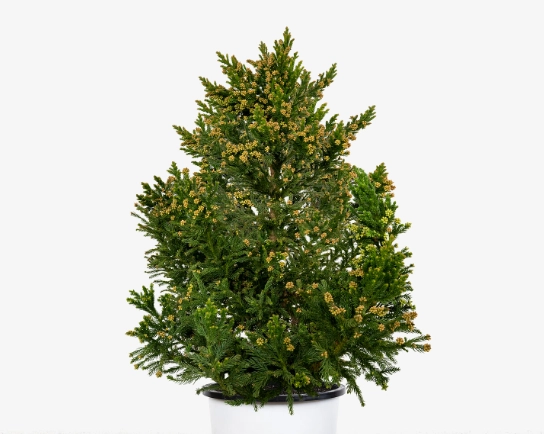
Think of it as a living sculpture. Its primary uses are as a stunning focal point in a mixed border, a foundational evergreen in Asian-inspired or modern gardens, or even in large containers for patios. Because it's a dwarf variety, it fits into smaller spaces where a full-sized Japanese cedar would be a monster. We're talking maybe 6 to 10 feet tall over 10-15 years, and only 3 to 5 feet wide. It's manageable.
But is it right for you? That depends. If you want a fast-growing screen, look elsewhere. This one takes its time. If you live in a region with intensely hot, dry winds and poor soil, you might have to baby it. But if you want a plant with unparalleled character that rewards you with low-maintenance beauty once established, this is a top contender.
Planting Your Cryptomeria Black Dragon: Getting It Right From Day One
This is where most long-term problems are prevented. A happy start means a resilient tree.
The Non-Negotiables: Sun and Soil
Sunlight: Full sun to partial shade. I've found mine does best with at least 6 hours of direct sun. In full sun, the foliage stays denser and the color richer. In too much shade, it can get a bit leggy and lose some of that compact charm. In very hot climates (USDA zone 8 and parts of 9), some afternoon shade can prevent scorching.
Soil: This is critical. The Cryptomeria Black Dragon absolutely despises "wet feet." It needs well-drained soil more than anything. Soggy, clay-heavy soil that stays waterlogged will lead to root rot and a quick demise. I learned this the hard way with a poorly chosen planting spot that collected water. The tree never thrived and eventually succumbed.
Ideal soil is moist but well-draining, rich in organic matter, and slightly acidic. If you have heavy clay, you must amend it. Dig a much wider hole than the root ball (2-3 times wider), but no deeper. Mix the native clay with a large amount of compost, peat moss, or aged pine bark. Creating a raised mound or planting bed is an even better strategy for ensuring drainage.
The Planting Process, Step-by-Step
- Timing: Early spring or early fall are best. Avoid the heat of midsummer or the frozen ground of winter.
- The Hole: As mentioned, wide and shallow. Loosen the soil at the bottom and sides.
- Handling: Gently remove the container. If the roots are circling densely (pot-bound), tease them apart gently or make a few vertical slices with a knife to encourage them to grow outward.
- Depth: Place the root ball so the top is level with or just slightly above the surrounding soil grade. Never plant it deeper than it was in the pot.
- Backfill: Use your amended soil mix. Firm it gently as you go to eliminate large air pockets.
- Water: Water deeply and slowly after planting to settle the soil. Create a shallow berm of soil around the edge of the planting hole to help direct water to the roots.
- Mulch: Apply 2-3 inches of organic mulch (shredded bark, pine needles) around the base, keeping it a few inches away from the trunk. This is a game-changer for moisture retention and weed suppression.
Ongoing Care: Keeping Your Black Dragon Happy
Once established, it's surprisingly low-fuss. But "established" is key – that first year or two requires attention.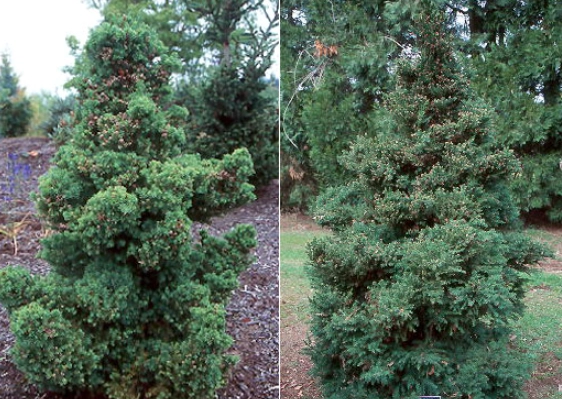
| Care Aspect | What to Do | Common Mistakes to Avoid |
|---|---|---|
| Watering | Deep, infrequent watering is the mantra. For the first year, water when the top 2 inches of soil feel dry. Aim to keep the soil consistently moist but not soggy. A soaker hose is ideal. | Light, daily sprinkling that only wets the surface. This encourages shallow roots. Also, overwatering is a silent killer. |
| Fertilizing | Not a heavy feeder. In early spring, apply a balanced, slow-release fertilizer formulated for acid-loving plants (like an azalea/camellia feed). Once a year is plenty. | Over-fertilizing, especially with high-nitrogen blends, can cause weak, sappy growth that's prone to damage. |
| Pruning | Minimal pruning required. If needed, lightly shape or remove any stray or dead branches in late winter or early spring before new growth starts. Always cut back to a side branch. | Shearing it into a formal shape. This ruins its natural form and can leave ugly brown cut ends that don't regrow well. |
| Winter Care | In zones 5-6, protection from harsh winter winds and heavy snow load is wise. Burlap screens can prevent desiccation. Gently brush off heavy, wet snow to prevent branch breakage. | Letting heavy snow bend and break the main branches. Also, planting in an exposed, windy site without any shelter. |
That watering point is so important I'll say it again. The goal is to encourage the roots to go deep down into the soil, where it's cooler and moisture is more stable. A deep-rooted Cryptomeria Black Dragon is a drought-tolerant and sturdy Cryptomeria Black Dragon.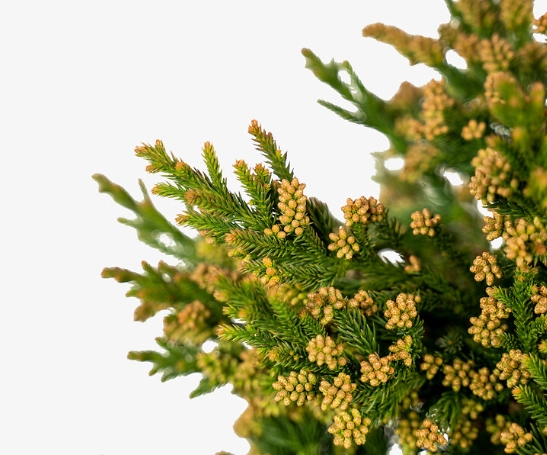
Troubleshooting: Solving Common Cryptomeria Black Dragon Problems
Okay, let's address the elephant in the room: browning foliage. It's the number one concern I hear about. Seeing those beautiful dark needles turn brown is heartbreaking, but it's not always a death sentence.
Why Are the Needles Turning Brown?
It's a symptom, not a disease itself. You need to play plant detective.
- Winter Burn (Desiccation): This is the most common cause in colder climates. Evergreen needles lose moisture to winter winds while the ground is frozen and the roots can't replace it. The result is browning, usually on the windward side (southwest) or the tips. Solution: Plant in a site sheltered from harsh winds. Use an anti-desiccant spray in late fall. Water deeply in late autumn before the ground freezes.
- Root Rot (Phytophthora): The silent killer caused by poor drainage. Browning starts, often progressing from the lower branches upward or from the interior out. The plant may look generally unhappy, stunted. Solution: Prevention is key (good drainage!). Once advanced, it's often fatal. Improving drainage and applying a fungicide might save a mildly affected plant.
- Spider Mites: Tiny pests that suck sap, causing a stippled, dusty, or bronzed look, often starting deep inside the foliage. Solution: Spray the foliage with a strong jet of water regularly. For infestations, use horticultural oil or insecticidal soap.
- Normal Inner Needle Drop: Don't panic! Like many conifers, Cryptomeria sheds its older, inner needles in late summer or fall. This is a natural process. The browning is on the inner branches, not the outer tips of new growth.
Other Potential Issues
Leaf Blight (Cercospora): Causes small, irregular brown spots on needles, often leading to needle drop. More common in warm, wet, humid weather. Improve air circulation and avoid overhead watering. Fungicides can be used preventatively if it's a recurring issue.
Bagworms: These pests create small, cone-shaped bags hanging from the branches and can defoliate a tree. Hand-pick and destroy the bags in winter or early spring before eggs hatch. Use Bt (Bacillus thuringiensis) if caterpillars are active.
Honestly, in my experience, a healthy, well-sited Cryptomeria Black Dragon is fairly pest and disease-resistant. Most problems stem from environmental stress, especially water issues.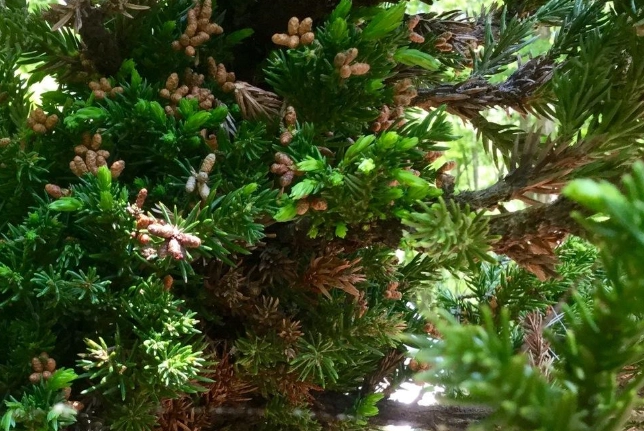
Buying the Right Cryptomeria Black Dragon: A Buyer's Checklist
Not all plants are created equal. A poor-quality specimen will struggle no matter what you do. Here's what to look for when you're ready to buy.
- Foliage: It should be dense and richly colored. Avoid plants with sparse, yellowing, or extensively brown foliage. A few brown inner needles are okay; crispy brown tips are a red flag.
- Shape: Look for a naturally symmetrical, conical form. It shouldn't look lopsided or like it's been hacked back poorly.
- Roots: If possible, gently slide the plant out of its pot. The roots should be white or light-colored and firm, not black, mushy, or slimy. They should not be a solid, tangled mass circling the pot (severely pot-bound).
- Stems and Trunk: Check the base of the trunk and main stems for any wounds, cracks, or oozing sap.
- Source: Buy from a reputable nursery or garden center, not a random big-box store where plants might be neglected. Specialist online nurseries often have higher-quality stock. Check reviews.
Ask questions! A good nursery staff should be able to tell you about the plant's history and care. If they can't tell Cryptomeria from a Christmas tree, shop elsewhere.
Landscaping Ideas and Companion Plants
So you've got this gorgeous tree. What do you plant with it? The Cryptomeria Black Dragon's dark, architectural form is a fantastic backdrop or focal point.
Classic Japanese Garden Style: Pair it with the textures of Japanese maples (Acer palmatum), like a red 'Bloodgood' or a lace-leaf variety. Add a carpet of moss or mondo grass (Ophiopogon) at its base, and some rounded azaleas for spring color. A large, weathered stone placed nearby completes the serene look.
Modern Contrast: Use its dark form against light-colored walls or fences. Surround it with clean, simple plantings like masses of blue fescue grass (Festuca glauca), white-blooming Lenten roses (Helleborus), or the bold leaves of hostas. The contrast makes the Black Dragon pop.
Four-Season Interest: Combine it with plants that shine in different seasons. Spring-blooming bulbs (snowdrops, daffodils) at its feet. Summer perennials like astilbe or heuchera. For fall, the brilliant red of a Virginia sweetspire (Itea virginica) nearby is stunning. In winter, the Cryptomeria's structure and color are the stars, especially with a dusting of snow.
I personally have mine near a cluster of variegated hakone grass (Hakonechloa macra 'Aureola') – the bright, cascading yellow-green grass plays beautifully against the dark, upright form of the tree. It's a simple combo but gets compliments every time.
Frequently Asked Questions (The Stuff You're Really Searching For)
Let's tackle those specific questions that pop up in search bars.
Q: How fast does a Cryptomeria Black Dragon actually grow?
A: Slow to medium. Expect about 3 to 6 inches per year in height under ideal conditions. It might reach 4-6 feet in 10 years. This slow growth is what keeps it dense and manageable, so it's a feature, not a bug.
Q: Can I grow a Black Dragon cryptomeria in a container?
A: Absolutely, and it's a fantastic option for patios or small spaces. Use a large, sturdy pot with excellent drainage holes. Use a high-quality, well-draining potting mix (for acid-loving plants is best). Container plants need more frequent watering and feeding than in-ground ones. You'll likely need to repot it into a larger container every 3-4 years as it grows.
Q: Is it deer resistant?
A: Generally, yes. Cryptomeria is not a favorite food for deer. However, in times of extreme hunger or if local deer populations are very high, they may nibble on it. It's considered much more deer-resistant than plants like hostas or yews.
Q: What's the difference between 'Black Dragon' and 'Yoshino' cryptomeria?
A: Big difference! 'Yoshino' is a fast-growing (3+ feet per year), tall tree used for screening or timber. It can reach 30-40 feet quickly. The Cryptomeria Black Dragon is its dwarf, slow-growing, ornamental cousin. They're the same species but bred for completely different purposes.
Q: My zone is borderline (Zone 5). Can I grow it?
A: It's pushing it, but possible with serious care. You must provide an exceptional microclimate: a site sheltered from north and west winter winds, perhaps near a south-facing wall for radiant heat. Heavy mulching and winter protection (burlap screen) are mandatory. Source your plant from a northern nursery that has already hardened it to colder conditions.
For definitive, scientific information on the parent species, the Royal Horticultural Society's page on Cryptomeria japonica is an excellent, authoritative resource. For detailed USDA hardiness zone maps and data, the USDA Plant Hardiness Zone Map is the official source.
Final Thoughts: Is the Cryptomeria Black Dragon Worth It?
Look, it's not the easiest, cheapest, or fastest-growing tree you can buy. If you want an instant hedge, this isn't it. But if you value unique beauty, character, and a plant that feels like a treasure, then yes, it is absolutely worth the effort and investment.
The key is setting it up for success. Get the drainage right. Choose the right spot. Water it wisely in the beginning. Do those things, and you'll be rewarded with a stunning, architectural plant that adds depth, color, and year-round interest to your garden. It becomes a point of pride.
Mine has had a few brown patches after a particularly brutal winter, but it bounced back. That resilience, once established, is impressive. The Cryptomeria Black Dragon isn't just a plant; it's a long-term garden companion that only gets better with time. And in a world of instant gratification, there's something deeply satisfying about that.