Let's be honest, the first time I saw ornamental kale, I thought someone had dyed a cabbage. It was that shock of pink and purple in the middle of a sea of fading green that stopped me in my tracks at the local garden center. I had to know what it was. Turns out, these aren't your grandma's dinner vegetables. Ornamental kale varieties are the rockstars of the cool-season garden, bringing drama, color, and texture when most other plants are calling it quits.
Maybe you've seen them too—those ruffled, colorful plants filling pots and borders in autumn. You might have wondered if they're edible (a common question), how long they last, or which ones to choose from the bewildering array at the nursery. I had all those questions myself when I started. After years of growing them, killing a few (learning the hard way about drainage), and absolutely adoring the rest, I've put together everything I wish I'd known. This isn't just a plant list; it's a full survival manual for getting the most out of these stunning plants.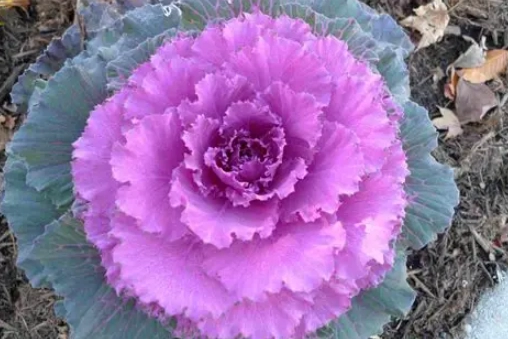
The Core Idea: Ornamental kale and its close cousin, ornamental cabbage, are bred specifically for their good looks, not their taste. They thrive in cool weather, often looking their absolute best after a frost has kissed their leaves, intensifying the colors. They're annuals treated as biennials, meaning they complete their life cycle in two growing seasons, but we grow them for the spectacular foliage show in their first year.
What Exactly Is Ornamental Kale? (And How It's Different)
It all starts with the same species, Brassica oleracea. Yeah, the same family tree that gives us broccoli, cauliflower, and Brussels sprouts. Over centuries, gardeners and breeders selectively cultivated some lines for tasty leaves (that's your culinary kale) and others purely for visual appeal. The ornamental kale varieties we love today are the result of that aesthetic focus.
The main difference between ornamental kale and ornamental cabbage comes down to the leaf shape. Kale has deeply fringed, feathery, or serrated leaves. Cabbage has broader, smoother leaves with rounded edges that form a more traditional, dense head. But here's the thing—in the gardening world, and at most nurseries, the names are used pretty much interchangeably. Don't sweat the taxonomy too much. We're all here for the color.
Their secret weapon is cool weather. While summer heat makes them leggy and stressed, falling temperatures trigger a magical transformation. The green chlorophyll in the center (called the rosette) breaks down, revealing brilliant pigments of white, pink, purple, red, or cream that were there all along. It's like the plant is blushing from the inside out.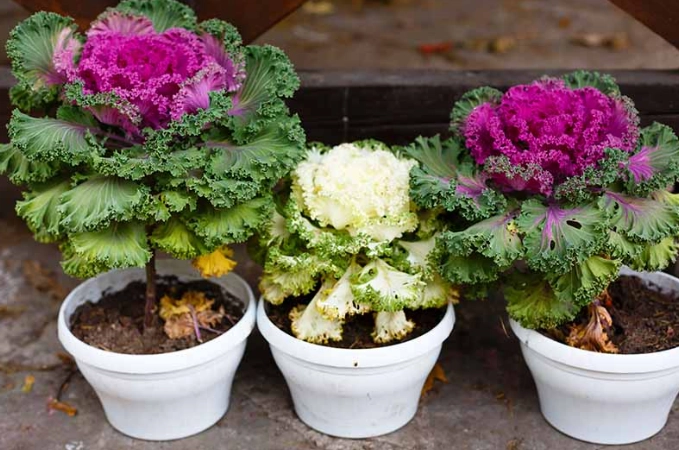
A Rainbow in Your Garden: The Top Ornamental Kale Varieties
Walking into a greenhouse full of ornamental kale varieties can be overwhelming. So many colors, shapes, and sizes! To make sense of it all, I find it helpful to group them by their most famous series or types. These are the ones you'll most likely encounter and the ones that have proven themselves in gardens time and again.
I remember picking up a 'Peacock' kale on a whim because it looked so different—more like a bouquet than a head. It ended up being the star of my container that year. That's the fun of it.
The Show-Stopping Series You Need to Know
Most ornamental kale varieties are sold as part of a named series. Each series contains several color options, but they all share similar growth habits and structures. Here’s a breakdown of the champions.
| Series Name | Key Characteristics | Common Colors in the Series | My Personal Notes & Best Use |
|---|---|---|---|
| Nagoya | Extremely tight, frilly rosette. Leaves are heavily curled and crimped. The classic "flower-like" look. | White, Pink, Red, Rose, Scarlet | The most reliable performer. The center color is super intense. Looks almost too perfect to be real. Perfect for formal beds or as a focal point. |
| Peacock (or Sparrow) | Looser, more open growth. Long stems with serrated, feathery leaves that don't form a tight head. | White, Pink, Red, Rose, Violet | My favorite for containers and cutting gardens. The stems are long enough to use in fall bouquets. Has a wilder, more natural look. |
| Pigeon | Flat, rounded leaves that form a very dense, flat-topped head. More like a true ornamental cabbage. | White, Pink, Red, Rose | Super uniform and geometric. Great for creating patterns or color blocks in the garden. The leaves have a beautiful, waxy sheen. |
| Chidori | Fine, deeply fringed leaves that are incredibly lacy. One of the most textured types. | Red, Rose, Purple, White | Adds amazing fine texture. The color often spreads more throughout the leaf, not just the center. Can be a bit more delicate. |
| Osaka | Similar to Nagoya but often with slightly larger, wavier leaves. Known for its vigor and size. | Pink, White, Red | A powerhouse. Gets big and bold. Good if you want a major statement plant. Can handle a bit more variability in conditions. |
See? It starts to make sense when you break it down. The Nagoya and Pigeon types give you that crisp, formal look. The Peacock and Chidori varieties bring the texture and movement.
Pro Tip for Choosing: Don't just look at the color tag in the store. Gently part the leaves and check the center of the plant. The more color you see starting to develop in the center rosette, the closer the plant is to its peak display. A plant that's still mostly solid green in the center has more time and transformation ahead of it.
Color Deep Dive: What to Expect
The color isn't just paint; it's chemistry. The pinks and reds come from anthocyanins (the same pigments in blueberries), while the creamy whites are a result of the plant masking chlorophyll. The intensity is a dance between the plant's genetics and the environment.
Cold = More Color. It's the number one rule. A few light frosts will turn a blush pink into a deep, vibrant magenta. A white center will become purer and brighter. If you live in a mild winter climate, your plants might never reach their full color potential, which is a bit of a bummer. They'll still be pretty, but not jaw-dropping.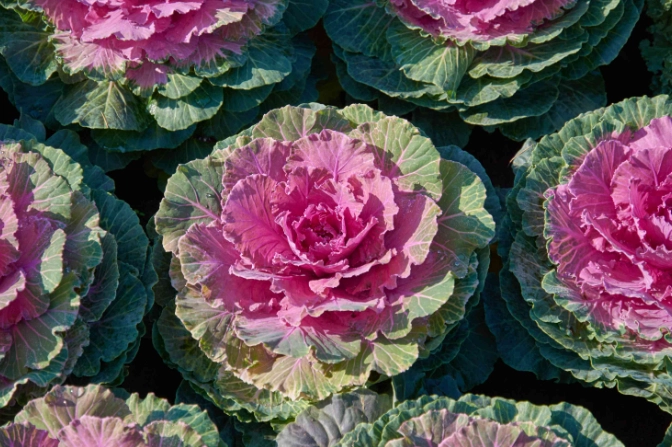
Sun Matters Too. Full sun (at least 6 hours) is non-negotiable for the best color development. In too much shade, the plants get stretchy, the colors stay muted, and you're more likely to have disease issues. They need that sunlight to fuel the color change.
Getting Your Hands Dirty: The Complete Growing Guide
Okay, you've picked out your perfect ornamental kale varieties. Now, how do you keep them alive and fabulous? They're generally tough cookies, but they have a few non-negotiable needs.
I learned the hard way about planting time. One year I planted in late summer during a heatwave. They just sat there, miserable and not growing, until the cooler nights of fall finally arrived. Timing is everything.
Planting for Success
When to Plant: This is critical. Ornamental kale is a cool-season crop. You plant it for fall display. The ideal time is 6-8 weeks before your first expected fall frost. The soil is still warm enough for roots to establish, but the air is cooling down, which is what the plant wants. In many areas, this is mid-to-late August or early September. You can also find them as mature plants at garden centers in early fall—a great instant-gratification option.
Where to Plant: Full sun. I can't stress this enough. They might tolerate very light shade, but you're sacrificing color and form. They also need well-draining soil. Soggy roots are a death sentence. If your soil is heavy clay, raise your beds or plant in containers.
How to Plant: Dig a hole as deep as the root ball and about twice as wide. Mix some compost into the native soil. Gently tease the roots if they're pot-bound. Place the plant in the hole, making sure the base of the stem is level with the soil surface. A common mistake is planting them too deep, which can cause stem rot. Backfill, water deeply, and you're off.
Check the plant tag for spacing, but generally, allow 12 to 18 inches between plants. Crowding them leads to poor air circulation and invites fungal diseases. They need room to puff up into their full, glorious shape.
Ongoing Care: Not High Maintenance
Watering: Keep the soil consistently moist but never waterlogged. A deep watering once or twice a week is better than frequent sprinkles. Water at the base of the plant to keep the leaves dry and prevent mildew. As temperatures drop in late fall, you can reduce watering frequency.
Feeding: They aren't heavy feeders. At planting time, mixing a slow-release, balanced fertilizer into the soil is plenty. You can give them a light liquid feed (like a fish emulsion) once or twice during the fall if growth seems slow, but don't overdo it. Too much nitrogen encourages soft, green growth at the expense of color and hardiness.
Pests and Problems: Yes, they're in the cabbage family, so they attract the usual suspects: cabbage worms, aphids, and sometimes slugs. I check the undersides of leaves every week or so. For worms and aphids, Bacillus thuringiensis (Bt) or insecticidal soap are effective and organic options. A good resource for identifying and managing these pests organically is the University of Minnesota Extension website. Their fact sheets are clear and science-based.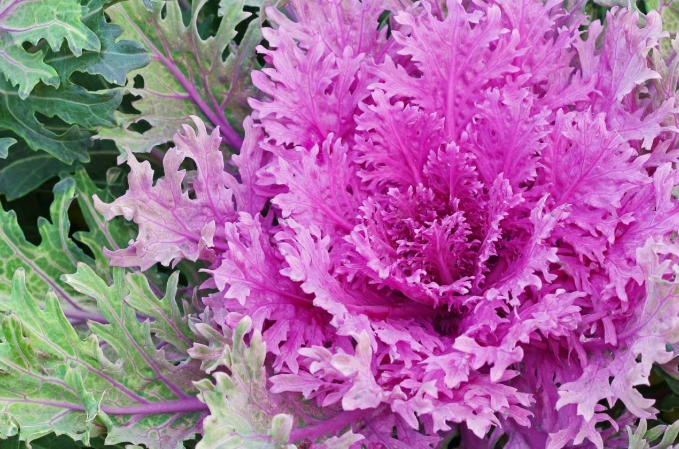
Watch Out For: The most common issue is powdery mildew—a white, powdery fungus on the leaves. It happens with poor air circulation, overhead watering, and warm, humid days with cool nights. If you see it, improve air flow, avoid wetting leaves, and you can use an organic fungicide like neem oil. Honestly, by late fall, I sometimes just tolerate a little bit if the plant is otherwise healthy and colorful.
Design Ideas: Making Ornamental Kale the Star
This is where the fun really begins. These plants are unbelievably versatile. They're not just for lining a driveway (though they look great doing that).
Containers and Pots: This is arguably their best use. They fill out autumn containers beautifully. Pair a white Nagoya kale with purple pansies and trailing ivy. Mix a red Peacock kale with ornamental grasses and a few yellow mums. Because they're so structural, they act as the "thriller" in the classic thriller-filler-spiller container formula. Just make sure your pot has drainage holes!
Garden Beds and Borders: Use them to extend your garden's interest. Plant them in front of fading perennials. Create a checkerboard pattern with alternating pink and white Pigeon types. Line a walkway. They combine wonderfully with other fall favorites: pansies, violas, snapdragons, dusty miller, and heuchera. The silvery leaves of dusty miller make the pinks and purples of ornamental kale varieties pop like nothing else.
Formal Edging and Mass Planting: For a really dramatic, modern look, plant a single color in a long row or a geometric block. All-white ornamental kale varieties underplanted with dark green mondo grass is a stunning, elegant combination for a contemporary garden.
And don't forget, you can cut them! The Peacock types, with their long stems, are perfect for adding unique texture and color to autumn vases. They can last a week or more in water.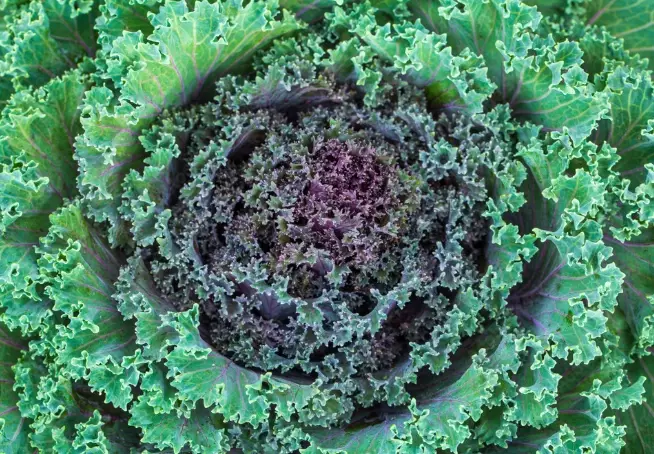
Winter and Beyond: The Big Questions Answered
This is where people get confused. Let's clear it up.
How long do they last? In many climates, ornamental kale varieties will stand strong through the fall and well into winter. They can survive temperatures down to about 5°F (-15°C), especially if there's a protective layer of snow. They eventually succumb to sustained deep freezes or become tattered by winter winds. In my zone 6b garden, they're usually still decent-looking through December, sometimes into January if it's a mild winter.
Can you eat ornamental kale? Technically, yes. It's not poisonous. But you really, really shouldn't. It's bred for looks, not flavor. The leaves are extremely bitter and tough. Plus, they've likely been treated with pesticides not labeled for food crops. Stick to the kale in the produce aisle for your salads.
Will they come back next year? No. They are biennials. If they survive the winter, they will bolt (send up a flower stalk) in the spring, produce seeds, and die. The flower stalk is tall and covered with small yellow flowers—it's actually kind of interesting, but the plant's form is ruined. Most gardeners pull them up in late winter or early spring and compost them.
Can you save seeds? You can, if you let a plant overwinter and flower. The seeds will produce plants, but they likely won't come true to the parent because these are highly hybridized varieties. You might get something cool, or you might get a boring green plant. It's a fun experiment, but not reliable if you want a specific look.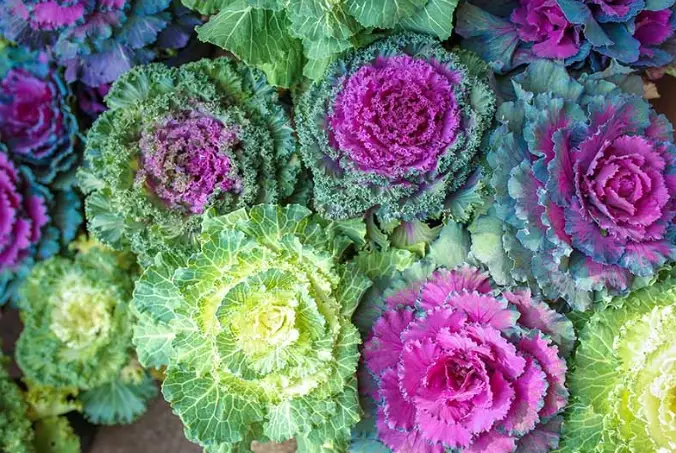
Frequently Asked Questions (The Stuff You're Actually Searching For)
I get asked these questions all the time by fellow gardeners. Let's tackle them head-on.
Q: What's the difference between ornamental kale and flowering cabbage?
A: Practically speaking, not much. It's mostly about leaf shape (fringed vs. smooth). Nurseries use the names interchangeably. Don't get hung up on it; choose the plant whose look you prefer.
Q: Why are my ornamental kale plants turning green?
A: Heat is the usual culprit. If temperatures rise (like an unseasonably warm spell in fall), the plant may produce green chlorophyll in the center again, masking the color. Cooler temps should bring it back. Also, insufficient sun can cause poorer color development.
Q: Are ornamental kale varieties deer resistant?
A: Yes, generally! Deer tend to avoid them, likely due to their slightly bitter taste and sometimes waxy or textured leaves. They aren't 100% deer-proof (a hungry deer will eat anything), but they are far down on the list of preferred snacks. This makes them excellent for gardens in deer-prone areas.
Q: My plant has a tall stalk with yellow flowers. What is it?
A> Congratulations, your plant has overwintered and is now in its second-year reproductive phase—it's bolting. This is the end of its life cycle. The stalk will grow tall, flower, set seed, and then the plant will die. You can remove it and compost it anytime now.
Q: Where can I find reliable, specific hardiness information?
A> For the most accurate data on plant hardiness, the go-to resource is the USDA Plant Hardiness Zone Map. While it doesn't list every cultivar, understanding your zone is the first step to knowing what will survive your winters. Most ornamental kales are treated as annuals, but their winter survival is directly tied to your zone's low temperatures.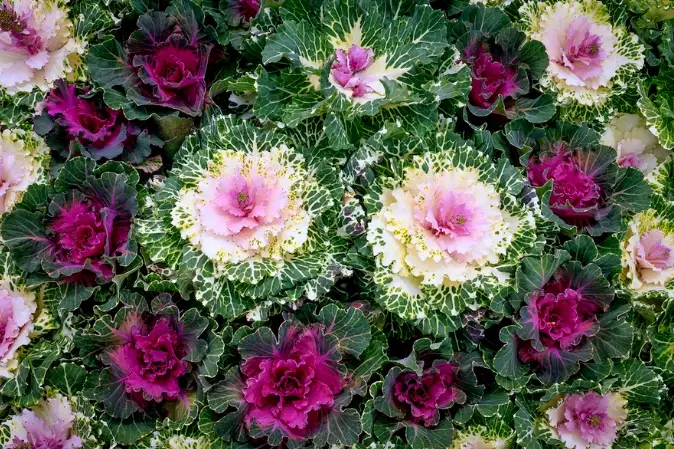
Wrapping It Up: Why You Should Grow Them
In the end, ornamental kale varieties offer something rare: spectacular beauty during the garden's quiet season. They're tough, colorful, and endlessly useful in design. They ask for little—just some sun, decent soil, and cool air—and give back so much.
My advice? Start simple. Next fall, grab a single, gorgeous potted Nagoya in a color that makes you happy. Stick it in a prominent spot. Watch how the frost transforms it. See how long it lasts. You might just find yourself, like I did, making space for more of these incredible plants every single year. They're not a trend; they're a testament to how vibrant a garden can be, even as the days grow short.
And if a few leaves get nibbled or a little mildew shows up? Don't panic. Gardening is never perfect. The overall effect, that burst of living color against the gray of late fall, is more than worth it.