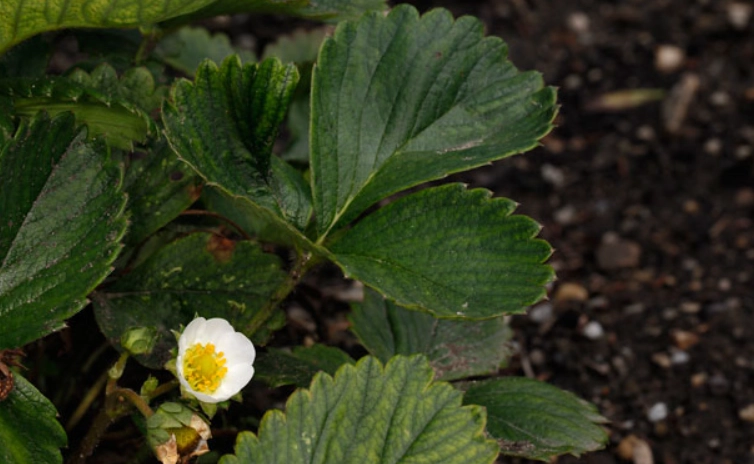
Let's talk about strawberries. I mean, who doesn't love them? That sweet, juicy burst of flavor is a sign that summer is truly here. But have you ever stopped to wonder about the plant behind the fruit? Not just the one in your garden center, but its wild cousins, its family history, and the whole story? That's where the Fragaria genus comes in. It's the scientific name for the group of plants that give us all strawberries, from the tiny wild ones hiding in the woods to the massive supermarket hybrids.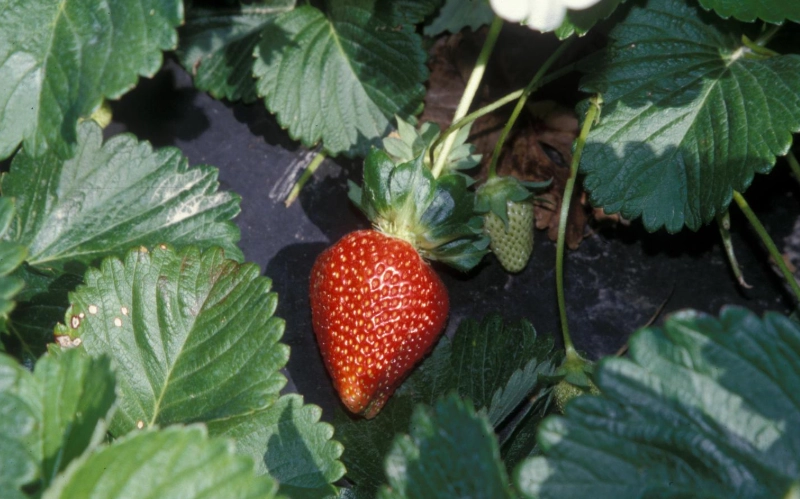
I got curious about this a few years back when I planted a row of what was sold as "wild strawberries." They grew, but the fruit was... disappointing. Tiny, seedy, and not very sweet. It turned out I had the wrong species entirely. That frustration sent me down a rabbit hole of plant taxonomy, and I realized how much confusion there is. So many gardeners just buy "strawberry plants" without knowing which member of the Fragaria genus they're actually getting. This guide is what I wish I had back then.
What Exactly is the Fragaria Genus?
Think of a genus as a close-knit family within the bigger tree of life. The Fragaria genus is that family for strawberries. Every single true strawberry plant on Earth is a member of this club. The name itself comes from the Latin "fragum," meaning fragrance, which is just perfect when you think about the scent of a ripe berry.
The key thing that trips people up is the fruit itself. Botanically, that red, fleshy part we eat isn't a true berry. It's actually a swollen receptacle—the part of the flower stem that holds the ovaries. The actual fruits are those tiny, hard specks on the surface, which are called achenes. Each achene contains a single seed. So when you're eating a strawberry, you're eating a clever piece of plant architecture designed to spread its seeds far and wide. Pretty cool, right?
Members of the Fragaria genus are mostly native to the temperate regions of the Northern Hemisphere, though some have made their way south. They're social plants, often spreading by runners (stolons) to form dense mats. This habit is a blessing and a curse for gardeners—it gives you more plants, but you have to manage their enthusiasm.
The Chromosome Count: The Secret to Strawberry Size
This is where it gets really interesting, and it explains a lot about why your garden strawberry is so much bigger than a wild one. The different species within the Fragaria genus have different numbers of chromosome sets (ploidy).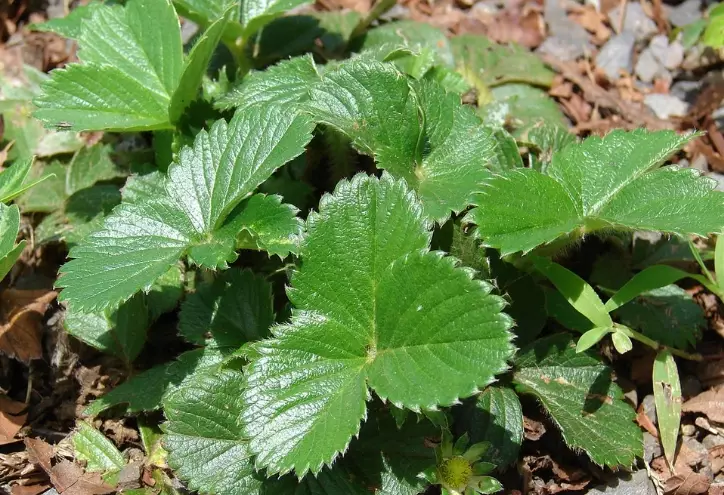
The most widely accepted theory is that our modern strawberry (Fragaria × ananassa) is the result of a chance cross between two American octoploid species (F. virginiana and F. chiloensis) that met in European gardens in the 18th century. You can find a detailed exploration of this fascinating history and strawberry genetics on the USDA Agricultural Research Service website, which has tons of credible plant science resources.
Meet the Family: Key Species of the Fragaria Genus
Not all Fragaria genus members are created equal. Knowing who's who can save you a lot of gardening grief. Here’s a breakdown of the major players.
| Species Name | Common Name | Origin | Chromosomes | Fruit Size & Traits | Garden Use |
|---|---|---|---|---|---|
| Fragaria × ananassa | Garden Strawberry, Pineapple Strawberry | Hybrid (Cultivated) | Octoploid (8x) | Large, conical, classic flavor. The supermarket standard. | Primary commercial & garden crop. Thousands of varieties for different climates/seasons. |
| Fragaria vesca | Woodland Strawberry, Alpine Strawberry | Europe, Asia, N. America | Diploid (2x) | Small, intensely aromatic, elongated shape. Does not run aggressively. | Ornamental edging, containers. Alpine types fruit all summer. My personal favorite for flavor. |
| Fragaria virginiana | Virginia Strawberry, Wild Strawberry | Eastern North America | Octoploid (8x) | Small to medium, round, superb wild flavor. One parent of the garden hybrid. | Native gardening, naturalizing. Tolerates poorer soils. Flavor is unmatched for its size. |
| Fragaria chiloensis | Beach Strawberry, Coastal Strawberry | Americas (Pacific Coast) | Octoploid (8x) | Variable, often firm. Can be large but sometimes bland raw. The other hybrid parent. | Ground cover, coastal gardens. Extremely tough, salt-tolerant. Great for erosion control. |
| Fragaria moschata | Hautbois Strawberry, Musk Strawberry | Europe | Hexaploid (6x) | Medium, soft, musky aroma. Distinctive flavor prized historically. | Heirloom/niche cultivation. Dioecious (needs male & female plants). A connoisseur's choice. |
Looking at that table, you can start to see the puzzle pieces. The garden strawberry got its hardiness and flavor potential from F. virginiana, and its large fruit size and firmness from F. chiloensis. It's a winning combination.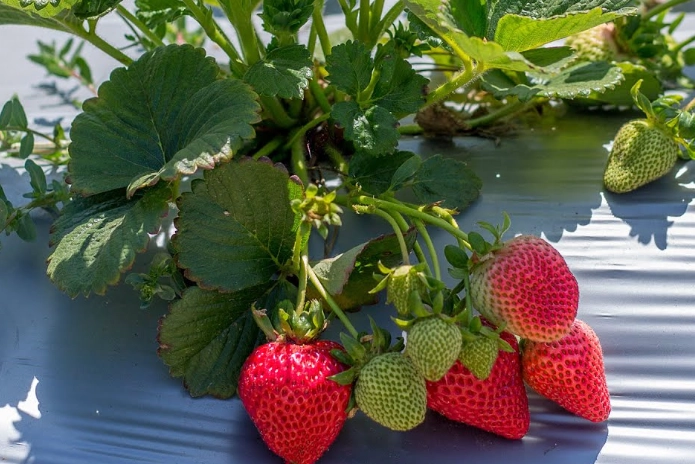
Beyond these, there are other species like Fragaria nilgerrensis and Fragaria iinumae that are more obscure and not typically grown for fruit, but they're important in the overall genetic story of the Fragaria genus.
From Garden to Table: Practical Insights for Every Gardener
Okay, so you know the family tree. How does this help you actually grow better strawberries? In more ways than you might think.
Choosing the Right Member of the Fragaria Genus for Your Goals
This is the critical first step most people skip. Ask yourself:
- Flavor vs. Size: Do you want an intense, complex flavor explosion (look to alpine or virginiana types) or big, juicy berries for shortcake (standard garden varieties)? You rarely get both at the maximum level.
- Garden Style: Do you want a tidy bed you control, or a naturalized ground cover? Alpine strawberries (F. vesca) form neat clumps, while beach strawberries (F. chiloensis) will ramble and cover ground aggressively.
- Maintenance Level: Standard June-bearing garden strawberries require a fair bit of work—renovating beds, controlling runners. Day-neutral or everbearing types need consistent feeding and watering. Alpine strawberries are remarkably low-maintenance once established.
I wasted a season on a June-bearing variety that required winter chilling my mild winter climate couldn't provide. It flowered sporadically and produced a handful of berries. Total fail. Checking a variety's chill hour requirement or talking to your local university extension service is time well spent.
The Not-So-Glamorous Side: Common Problems Solved
Let's be honest, strawberries can be fussy. Here are the big headaches and how the biology of the Fragaria genus plays a role.
Birds and Critters: That bright red color is a beacon. It's the plant's evolutionary strategy to attract animals to disperse seeds, but it also attracts every robin and squirrel in the zip code. Netting is the only reliable defense. It's a battle.
Poor Fruiting: This can have many causes, but one often overlooked is the age of the plant. The productive lifespan of a strawberry plant crown is usually only 2-3 years. After that, yields drop. That's why commercial growers and serious gardeners practice a system of annual renovation or replanting. You're not failing; you're just up against the plant's natural life cycle.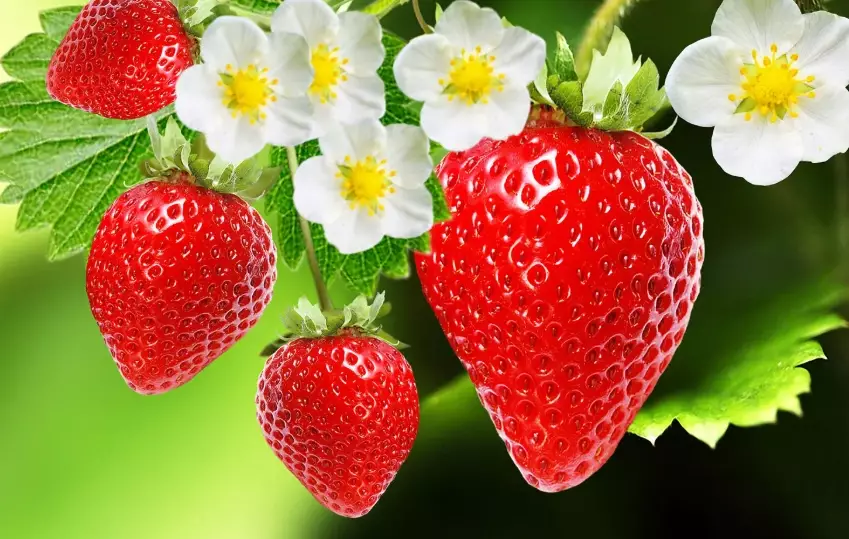
Beyond the Basics: Uncommon Questions About the Fragaria Genus Answered
This is where we dive into the stuff you might not think to ask but really want to know.
Are strawberries really berries? And what about the "genus" part?
Nope! Botanically, a true berry develops from a single ovary and has seeds embedded inside the flesh (think blueberries, grapes, tomatoes). A strawberry is an "aggregate accessory fruit." The Fragaria genus is defined by plants that produce this specific, clever type of fruit structure. So, the genus is named for the fragrance, but it's scientifically categorized by this unique fruiting body.
Can I eat wild strawberries I find?
Most likely, if you have positively identified it as a true Fragaria species. Real wild strawberries (F. vesca or F. virginiana) are safe and delicious. However, there is a common impostor: Potentilla indica, often called mock strawberry or Indian strawberry. It has yellow flowers (true Fragaria has white or pinkish flowers) and its red fruit is bland, dry, and points upward. It's not poisonous but is very disappointing. Always ID by the flower first.
Why do some strawberries have white or yellow fruit?
Most species in the Fragaria genus turn red due to pigments called anthocyanins. However, some varieties, particularly alpine selections or species like Fragaria nilgerrensis, lack these pigments in the fruit flesh. They remain white, pale yellow, or even pale pink when ripe. They're often incredibly sweet and aromatic because the plant's energy isn't diverted to making color. Pineapple-flavored white alpine strawberries are a real treat.
Propagation: More Than Just Runners
Everyone knows strawberries send out runners. But did you know you can grow them from seed? It's slower but crucial for alpine strawberries (which produce few runners) and for creating new varieties.
Here’s a quick mental checklist for seeds vs. runners:
- Runners (Clone): Fast, easy, guarantees an identical plant to the parent. This is how you expand your patch of a favorite garden variety.
- Seed: Requires patience (can take 2-4 weeks to germinate). Plants may vary slightly from the parent. This is the only way to propagate true species of the Fragaria genus, like a pure F. vesca, and preserve their unique genetics. Seed banks like the Nordic Genetic Resource Center work to conserve these wild species seeds.
The Future of the Fragaria Genus: Breeding and Conservation
Where is all this headed? Plant breeders are constantly looking back to the wild species within the Fragaria genus to solve problems. They're searching for genes for natural disease resistance, drought tolerance, or unique flavors to introduce into new garden varieties. That wild F. virginiana from a mountainside might hold the key to a new fungus-resistant commercial strawberry.
That's why conserving wild Fragaria genus populations is so important. They are a living genetic library. Habitat loss is a real threat to this diversity. Organizations and botanical gardens that maintain living collections of wild species are doing essential work.
For the home gardener, getting involved can be as simple as seeking out and growing an heirloom or a pure species plant from a reputable nursery that specializes in perennial edibles. You're helping to keep that genetic line alive and in cultivation.
So, the next time you pop a strawberry in your mouth, remember it's not just a fruit. It's the product of a fascinating genus with a rich history, complex biology, and a future that depends on both high-tech breeding and old-fashioned conservation. Whether you're trying to grow the biggest berry on the block or just enjoy a taste of the wild, getting to know the Fragaria genus is the best place to start.