You see them everywhere in Portland, don't you? Those elegant, often weeping trees with leaves that look like delicate lace or tiny, star-shaped hands, turning the most unbelievable shades of crimson, orange, and gold in the fall. I'm talking, of course, about Japanese maples. If you've ever walked through the Portland Japanese Garden in Washington Park, you've seen them in their absolute glory—carefully pruned, perfectly placed, and looking like living sculptures.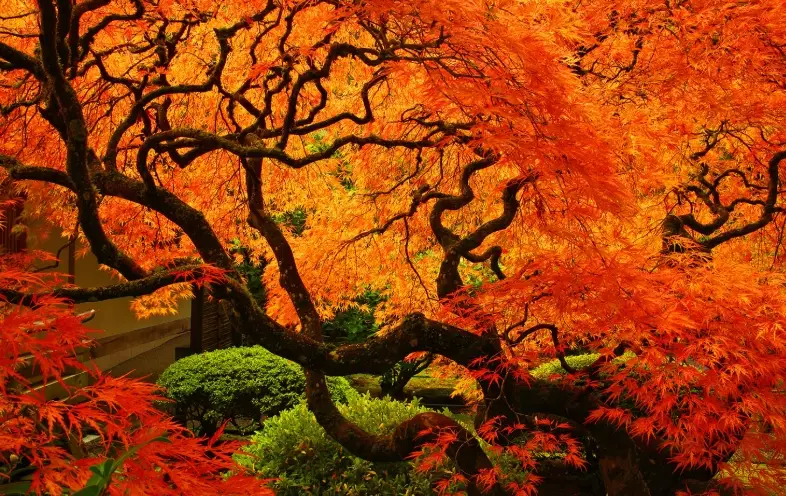
It's no wonder so many Portland homeowners look at their own yards and think, "I want one of those." But then the questions start. Which one do I get? Will it survive our weird spring weather? Where on earth do I even buy a good one locally? I've been there. I killed my first one—a gorgeous 'Bloodgood'—by putting it in full, blazing afternoon sun. It fried. Lesson learned the hard way.
So let's talk about Japanese maple Portland Oregon style. This isn't just a list of facts; it's a rundown of what actually works here, based on our unique climate, our soil, and the collective experience of local gardeners. Whether you're in the West Hills, out in the eastern suburbs, or right in the city center, there's a Japanese maple that can work for you.
Why Portland is Basically Japanese Maple Heaven
Let's get this out of the way first. Portland is an excellent place to grow Japanese maples. I'd argue it's one of the best cities in the country for them. The main reason is our climate. We rarely get the extreme, deep-freeze winters that can damage these trees, and our summer heat, while it can spike, usually isn't the prolonged, humid bake that stresses them out in other parts of the US.
Our rainfall pattern is also a huge plus. Consistent winter and spring rains mean established trees often don't need much supplemental watering for a good part of the year. The one caveat? Those increasingly common dry, hot spells in late July and August. That's when your maple will need you.
The soil is another factor. Much of Portland has clay-based soil, which can be heavy and poorly draining. Japanese maples hate "wet feet." Their roots will rot if they sit in water. So, while the climate is a friend, the native soil can be a bit of a foe. The good news is, it's a solvable problem. Amending the planting hole with plenty of compost and maybe even creating a slight mound for planting can make all the difference.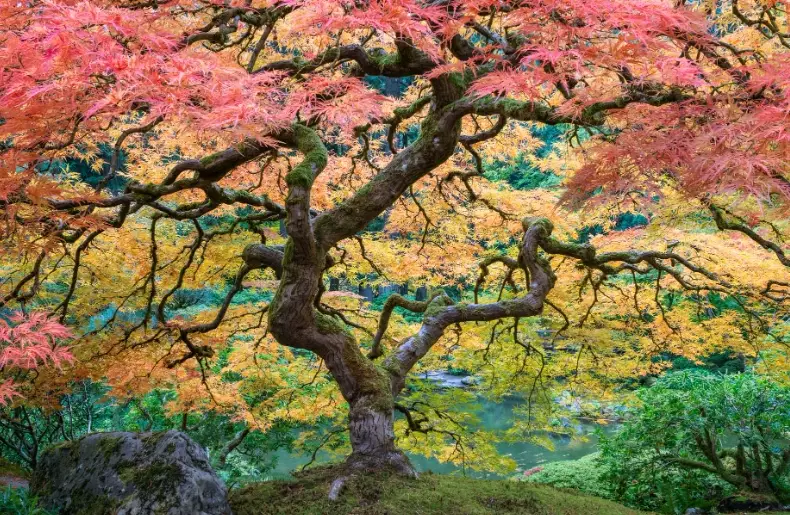
Honestly, the biggest threat to a Japanese maple in Portland isn't the cold—it's a combination of that heavy soil holding too much water in winter and then that intense afternoon sun in summer scorching the leaves. Get those two things right, and you're 90% of the way there.
Picking the Right Japanese Maple for Your Portland Yard
This is where most people get overwhelmed. There are hundreds of varieties. Do you want a giant shade tree or a slow-growing dwarf for a container? Red leaves or green? Lacy or broad leaves? It's a lot.
To simplify, let's break down the best Japanese maple varieties for Portland into a few categories. Think about the space you have and the look you want.
Top Portland-Recommended Varieties
| Variety Name | Key Features | Mature Size (H x W) | Best For... |
|---|---|---|---|
| 'Bloodgood' | Classic deep red-purple leaves, holds color well in summer, robust. | 15-20' x 15-20' | A reliable, medium-sized focal point tree. Tolerates sun better than most. |
| 'Sango Kaku' (Coral Bark) | Green leaves with gold/red fall color. Stunning coral-red young branches in winter. | 20-25' x 15-20' | Four-season interest, especially winter gardens. Needs some space. |
| 'Emperor I' | Similar to 'Bloodgood' but with even richer red color that holds better in heat. | 12-15' x 12-15' | Smaller gardens where you want intense, lasting red color. |
| 'Seiryu' | The ONLY upright-growing laceleaf (dissectum) variety. Fine, green lace leaves turn orange/red in fall. | 12-15' x 8-10' | A vertical accent with incredibly delicate texture. Stunner. |
| 'Crimson Queen' | Classic weeping, mound-forming laceleaf. Deep red foliage all season. | 8-10' x 10-12' | Weeping form over a wall, in a large container, or as a specimen. |
| 'Shishigashira' (Lion's Head) | Unique, tightly curled green leaves on congested branches. Unusual, sculptural look. | 10-15' x 6-8' | Gardeners who want something truly different and conversation-starting. |
| 'Osakazuki' | Renowned for its spectacular, brilliant scarlet fall color. Green summer leaves. | 15-20' x 15-20' | Unbeatable fall display. A classic green-leafed variety. |
If you're just starting out and want a safe bet, you can't go wrong with a 'Bloodgood'. It's widely available, tough, and beautiful. But if you have a specific spot or look in mind, use that table as a starting point.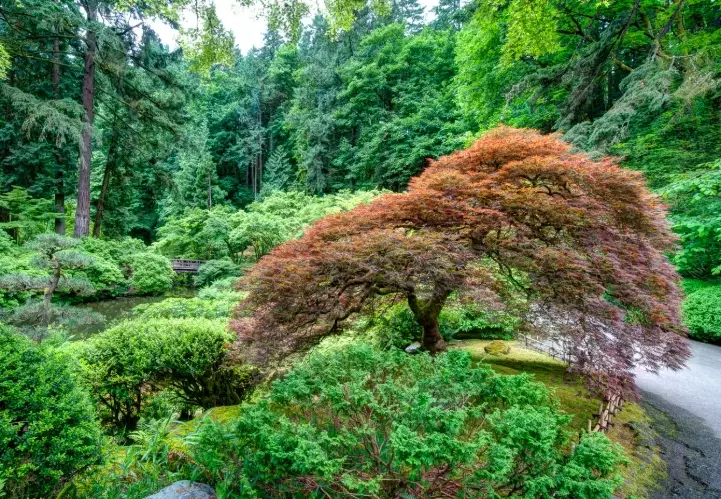
Where to Buy Japanese Maples in Portland, Oregon
You can find them at the big box stores, sure. But if you want a healthy tree, a good selection of specific varieties, and most importantly, advice from people who actually know these trees, you need to go to a specialty nursery. The quality difference is almost always worth the extra few dollars.
Here are some local favorites, and I'm not affiliated with any of them. I've just had good experiences or heard consistently good things from other gardeners.
- Portland Nursery: Both their Stark Street and Division Street locations have excellent selections, especially in spring. Their staff is knowledgeable.
- Cornell Farm & Garden Center: Out in Beaverton/SW Portland. They often have a beautiful array of specimen Japanese maples, including some more unusual varieties. Their display gardens are worth the trip alone to see mature trees.
- Al's Garden & Home: Multiple locations. They usually carry a solid range of common and some specialty varieties. Good quality.
- Farmington Gardens: A bit of a drive out towards Beaverton, but they are known for their tree selection and have a dedicated Japanese maple area.
- Smaller Specialty Growers: Keep an eye out at local plant sales like the Leach Garden plant sale or the Hardy Plant Society of Oregon sales. You can sometimes find rare varieties from passionate hobbyist growers.
What to look for when you're buying? Avoid trees that look stressed—wilting leaves, lots of dead twigs, or a root ball that's completely dry and pulling away from the pot. Look for good branch structure and a tree that looks vigorous. Don't be afraid to ask where the tree was grown. Locally grown (in the Pacific Northwest) trees are already acclimated to our conditions.
Planting and Care: The Portland-Specific Playbook
Okay, you've got your tree. Now, don't just dig a hole and plop it in. How you plant it in Portland's clay determines its future.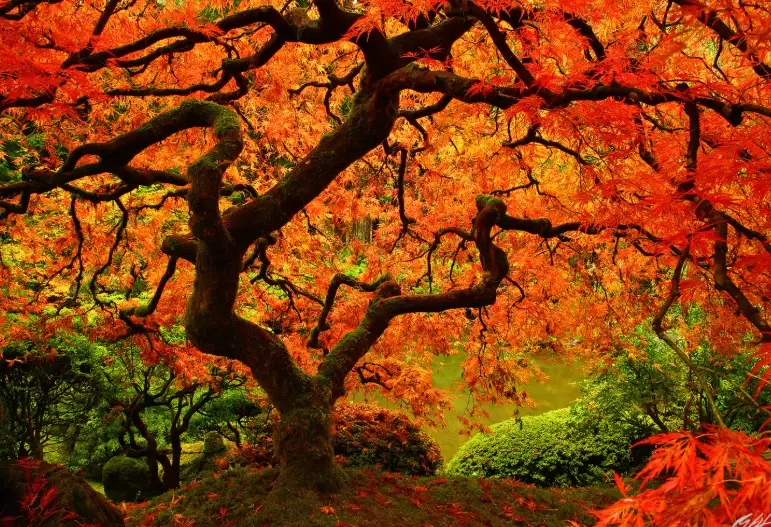
Planting (The Most Important Step)
- Timing: Early fall is ideal. The soil is still warm, rains are returning, and the tree can establish roots without the stress of summer heat. Spring is second best.
- The Hole: Dig it 2-3 times wider than the root ball, but only as deep as the root ball is tall. Do not plant it deeper than it was in the pot. This is crucial in our dense soil.
- Soil Amendment: Mix the native clay soil you dug out with a generous amount of compost (like 25-30% compost to soil). You want to improve drainage and aeration right around the root zone. Some gardeners even add a bit of pumice or coarse sand.
- Planting: Place the tree in the hole. Backfill with your amended soil mix, tamping gently to remove air pockets. Water deeply to settle the soil.
- Mulch: Apply 2-3 inches of organic mulch (like arborist chips or shredded bark) in a ring around the tree, keeping it a few inches away from the trunk. This is a lifesaver in Portland—it conserves moisture in summer, moderates soil temperature, and suppresses weeds.
Watering Through the Seasons
This is where people mess up. Japanese maples like consistent moisture but not sogginess.
- First Year: This is critical. Water deeply 1-2 times per week during dry periods, even in fall and winter if we have a dry spell. The goal is to keep the root ball moist but not waterlogged.
- Established Trees: They are surprisingly drought-tolerant once their roots spread out (after 2-3 years). However, during Portland's summer dry period (July-Sept), a deep soak every 10-14 days is a really good idea, especially if the leaves look dull or start to crisp at the edges.
- Winter: Usually, rainfall takes care of it. But if we have a prolonged freeze without snow cover (which is rare), the roots can dry out. A deep watering before a hard freeze can help.
Stick your finger in the soil. If it's dry 2-3 inches down, it's time to water.
To Prune or Not to Prune?
Japanese maples have a beautiful natural form. You don't need to prune them heavily. The best time for major pruning is in late fall after leaf drop or in late winter, when the structure is visible and the tree is dormant.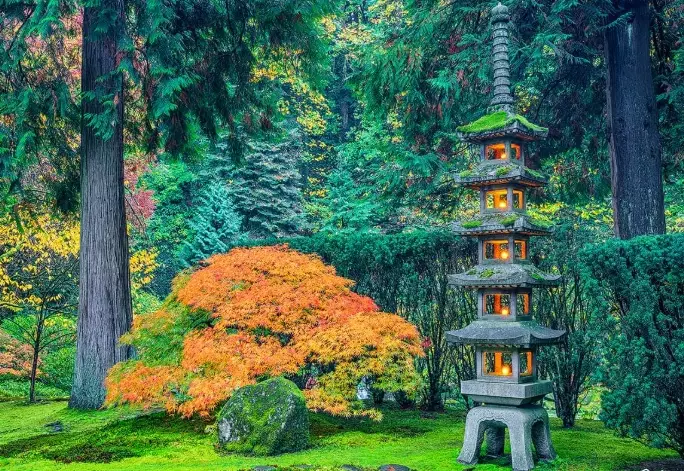
What to prune:
- Any dead, damaged, or diseased branches.
- Branches that are rubbing against each other.
- Maybe a few interior branches to open up the canopy for better air flow (helps prevent disease).
- Very minor shaping if you must, but always follow the tree's natural lines.
I avoid summer pruning except for pinching back the occasional long, whippy shoot. Pruning in summer can stress the tree and lead to sunburn on newly exposed branches.
Common Problems (and Solutions) for Portland Japanese Maples
No tree is bulletproof. Here's what to watch for.
Verticillium Wilt: A soil-borne fungus that can be a problem. It causes sudden wilting and death of branches, often with dark streaks in the wood under the bark. It's hard to treat. The best defense is to plant in well-drained, healthy soil and avoid stressing the tree. If a branch dies back, prune it out well below the affected area and sterilize your tools.
Aphids: They love the new, tender spring growth. You'll see clusters of tiny green bugs and maybe sticky honeydew on the leaves. A strong blast of water from the hose is often enough to knock them off. Ladybugs are your friends here.
Root Rot: Caused by planting too deep or in soil that doesn't drain. The tree will slowly decline, leaves will be small and sparse. Prevention at planting time is the only real cure.
Honestly, a healthy, well-sited Japanese maple in Portland is remarkably pest and disease resistant. Most problems stem from environmental stress (wrong sun, wrong water) rather than bugs or blights.
Frequently Asked Questions (The Portland Edition)
Can I grow a Japanese maple in a container in Portland?
Absolutely! In fact, it's a great way to control the soil and sun exposure. Choose a dwarf or slow-growing variety like 'Shaina' or 'Katsura'. Use a large, high-quality pot with excellent drainage holes. Use a potting mix, not garden soil. Watering is more critical—containers dry out faster. You'll need to protect the roots from freezing in a hard winter by moving the pot to a sheltered spot or wrapping it.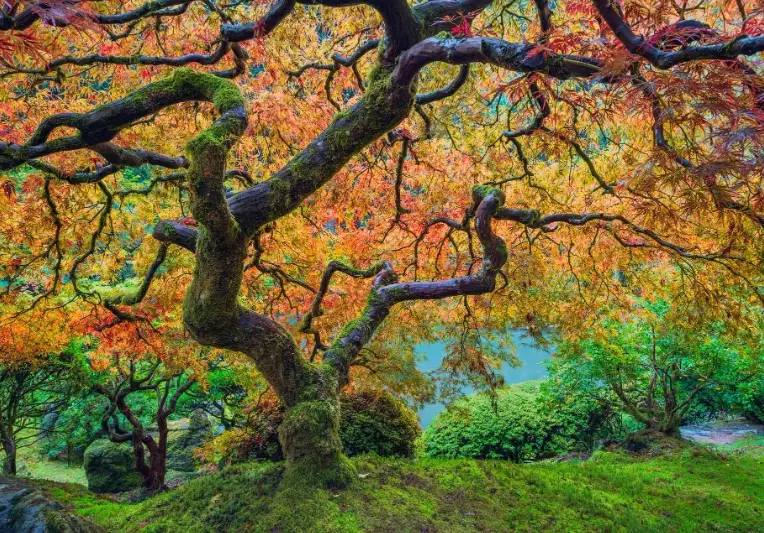
My maple's leaves are green, not red! What's wrong?
If you bought a red-leafed variety and it's turning green, it's almost certainly getting too much shade. Red pigments need sunlight to develop. More sun (but not scorching afternoon sun) will bring back the red. Some varieties also naturally put out greener leaves in summer heat.
When is the best time to see Japanese maples in color in Portland?
Spring color (the brilliant reds and oranges of new growth) is usually at its peak in April-May. Fall color is incredibly variable, depending on the variety and the weather. It can start as early as late September for some and go through November for others. A cool, sunny fall produces the best colors. The Portland Japanese Garden is, unsurprisingly, one of the best places to see the full spectrum.
Are Japanese maple roots invasive?
No, not compared to trees like willows or poplars. They have a relatively compact, fibrous root system. They won't heave your driveway or invade your sewer line. They are safe to plant near foundations (with proper distance for mature size, of course).
How fast do they really grow?
Slow to medium. In Portland's good growing conditions, you might see 1-2 feet of growth per year on an upright variety once it's established. Laceleaf and dwarf varieties grow even slower. This is a tree you plant for the next generation, not for instant gratification.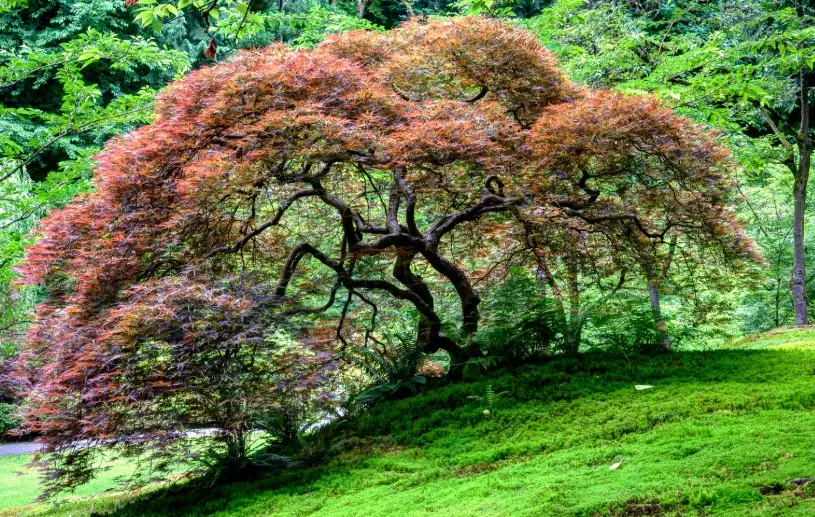
Wrapping It Up: Is a Japanese Maple Right for Your Portland Garden?
If you have a spot with some protection from the hottest afternoon sun, and you're willing to put in the effort at planting time to fix the soil, then yes, a Japanese maple is a fantastic choice for Portland. It's a low-maintenance, high-reward tree that provides beauty in every season. It connects your garden to the iconic horticultural spirit of the Pacific Northwest.
Start by visiting a good local nursery. Look at the trees. Talk to the staff. Imagine one in your yard. For more detailed, science-based information on tree care in our region, the Oregon State University Extension Service website is an invaluable, free resource.
Planting a Japanese maple Portland Oregon gardeners love is more than just adding a tree. It's adding a piece of living art that changes with the light and the seasons. It's a decision you're unlikely to regret.
Just remember: shade, good drainage, and a nice thick layer of mulch. Do those three things, and your Japanese maple will likely be a happy Portlander for decades to come.