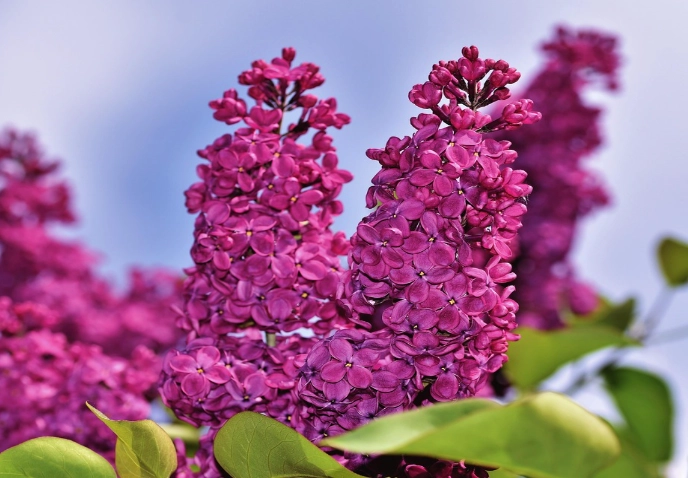
Your Lilac Journey at a Glance
Let's talk about lilacs. You know, those bushes that seem to explode with color and scent every spring, turning heads and filling the air with that unmistakable perfume. I remember the first time I really noticed a lilac bush. It was in my grandmother's old garden, a massive, sprawling thing that was more trunk than leaf, but come May, it was covered in these pale purple clusters that smelled like heaven itself. That's the magic of lilacs, isn't it? They're not just plants; they're a sensory experience, a marker of the season.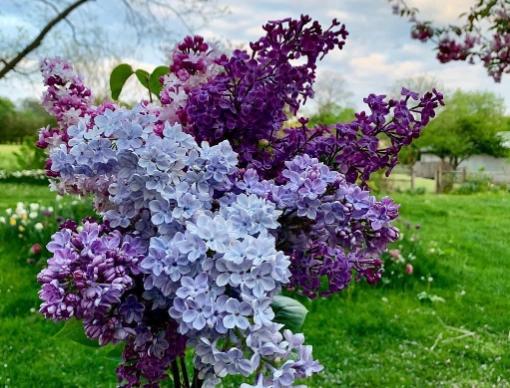
But here's the thing I didn't know back then, and maybe you're wondering it too: why did my grandma's lilac thrive with what seemed like total neglect, while the one I planted a few years ago looked so... sad? It had maybe three pathetic blooms last year. Turns out, there's a bit more to it than just sticking them in the ground. Lilacs are tough, but they have their preferences. Getting them wrong means missing out on that spectacular show.
So, whether you're dreaming of a lilac hedge, want a single statement shrub, or are trying to revive an old, non-flowering bush, this guide is for you. We're going to dig into everything—from the soil under your feet to the variety you choose. Forget the overly technical jargon. Let's just get your lilacs blooming.
What exactly are lilacs? Scientifically, they're shrubs or small trees from the genus Syringa. Most of the classic, fragrant ones are Syringa vulgaris, the common lilac. They're part of the olive family, which I always find surprising. They're deciduous, meaning they lose their leaves in winter, and they're known for their hardy nature and, of course, those iconic flower panicles.
Getting Started: Choosing and Planting Your Lilac
This is where most folks, myself included, can mess up. You see a beautiful lilac in full bloom at the nursery, buy it on impulse, and plant it wherever there's a spot. A few years later, you're wondering what went wrong. The key is in the setup.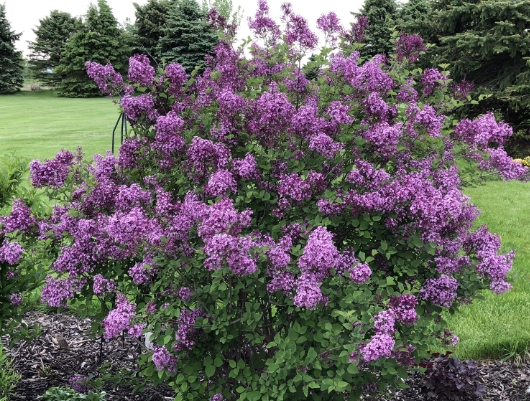
Picking the Perfect Spot
Lilacs are sun worshippers. I mean, they really need sun. Think at least six hours of direct, unfiltered sunlight a day. More is better. That shady corner next to the fence? Save it for the hostas. A lilac planted in too much shade will become leggy, with lots of leaves and very few flowers. It might even refuse to bloom altogether.
They also need space to breathe. Air circulation is crucial to prevent powdery mildew, that ugly white fungus that can coat the leaves in late summer. Don't cram them right up against a wall or other dense shrubs.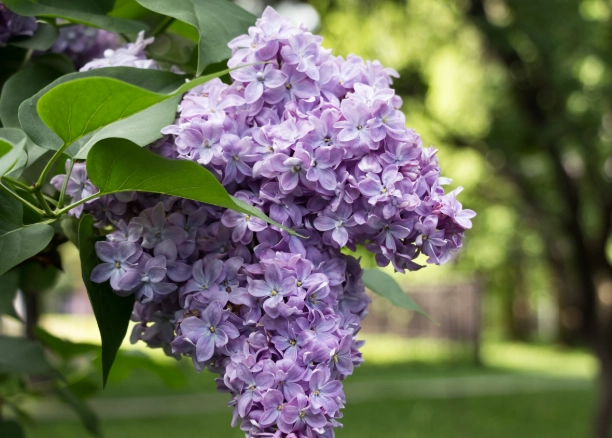
And soil? Here's the big one. Lilacs hate having wet feet. They need soil that drains well. If your garden is heavy clay that turns into a pond after rain, you'll need to amend it. They also prefer a neutral to slightly alkaline soil pH. Acidic soil can lock away nutrients they need.
Quick Soil Test: Dig a hole about a foot deep and fill it with water. If it drains away in a few hours, you're good. If it's still there the next day, you have a drainage problem. Raised beds or significant soil amendment are your friends.
The Planting Process, Step-by-Step
Okay, you've got a sunny, well-drained spot. Now for the fun part. The best time to plant lilacs is in the fall, after they've gone dormant, or in early spring before they break bud. Fall planting gives the roots time to settle in over the winter.
- Dig a Big Hole: Don't be shy. Make it twice as wide as the root ball and just as deep. Loosen the soil at the bottom and sides.
- Amend the Soil: Mix some of the native soil with compost or well-rotted manure. If your soil is very acidic, you can mix in a handful of garden lime. The Royal Horticultural Society (RHS) has a great guide on understanding and improving soil types if you're unsure.
- Position the Plant: Set the lilac in the hole. The top of the root ball should be level with or just slightly above the surrounding soil. Planting too deep is a common killer.
- Backfill and Water: Fill the hole halfway with your soil mix, water it thoroughly to settle the soil and eliminate air pockets, then fill the rest. Create a slight basin around the base to hold water.
- Mulch: Apply a 2-3 inch layer of mulch (wood chips, bark) around the base, but keep it a few inches away from the main stem to prevent rot.
Water it deeply once a week for the first growing season, unless you get good rain. After that, established lilacs are remarkably drought-tolerant.
A Deep Dive into Lilac Varieties (It's Not Just Purple!)
This is where gardening gets exciting. When you think "lilac," you probably picture the common purple one. But the world of lilacs is vast and colorful. Choosing the right variety can mean the difference between a 30-foot monster and a tidy 4-foot shrub perfect for a patio container.
I made the mistake of planting a common lilac (Syringa vulgaris) in a small city garden. It was out of scale within five years. Lesson learned.
Here’s a breakdown of some major types to help you choose.
| Type / Group | Key Characteristics | Best For | Example Varieties |
|---|---|---|---|
| Common Lilac (Syringa vulgaris) | The classic. Large shrubs (12-20 ft), intensely fragrant, single or double flowers in shades of purple, white, pink. Late spring bloom. | Large gardens, hedges, heritage plantings. Needs space. | 'Sensation' (purple with white edge), 'Charles Joly' (double magenta), 'Mme Lemoine' (double white). |
| Dwarf / Compact Lilacs | Bred to stay small (3-6 ft). Perfect fragrance in a petite package. Great for modern gardens. | Small gardens, containers, foundation plantings, low hedges. | Bloomerang® series (re-blooms!), 'Miss Kim' (Syringa pubescens, stunning fall color), 'Tinkerbelle'. |
| Japanese Tree Lilac (Syringa reticulata) | Actually grows as a small tree (20-30 ft). Creamy white flower panicles in early summer, after other lilacs. Peeling, cherry-like bark. | A stunning small landscape tree, street tree (tolerant of urban conditions). | 'Ivory Silk' is the most popular cultivar. |
| Persian Lilac (Syringa x persica) | Fine-textured, arching shrub (4-8 ft). Smaller leaves and flower clusters. Lighter fragrance. Very graceful form. | Mixed borders, softer garden aesthetics. | Typically found as the species, less commonly in named cultivars. |
| Preston or Canadian Lilacs (Syringa x prestoniae) | Hybrids developed in Canada. Very hardy, bloom a week or two later than common lilacs. Large flower clusters. | Colder climates (USDA zone 2-3), where other lilacs might struggle. | 'Miss Canada' (pinkish-red), 'Donald Wyman' (single purple). |
For a truly authoritative resource on lilac species and their characteristics, the Missouri Botanical Garden's Plant Finder is an incredible tool. You can filter by plant type, size, color, and more.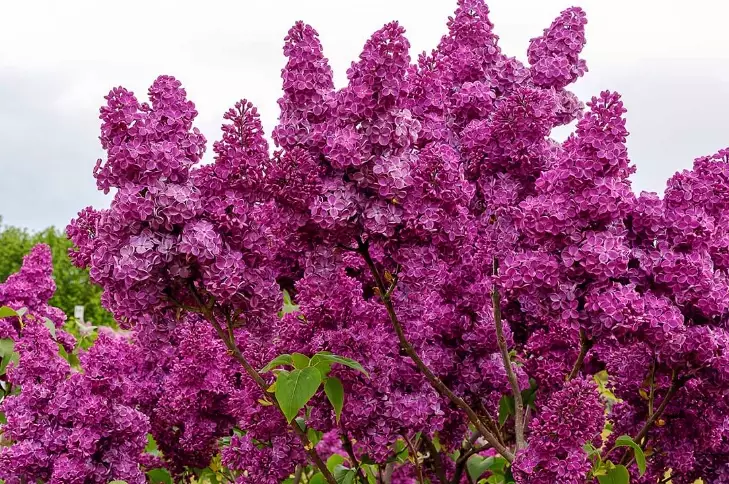
See? It's not just about color. Bloom time, size, hardiness, and even fragrance intensity vary. A dwarf lilac like 'Miss Kim' is a totally different garden citizen than a towering 'Charles Joly'.
The Year-Round Care Guide: Keeping Your Lilacs Happy
Planting is just the first date. The long-term relationship is about care. The good news? Mature lilacs are low-maintenance. The bad news? A few wrong moves can cost you the flowers.
Pruning: The Most Important (and Misunderstood) Task
I used to be terrified of pruning my lilac. I'd snip a bit here and there, worried I'd ruin it. The result? A dense, twiggy interior and blooms only at the very top. Lilacs bloom on old wood. This means the flower buds for next spring are formed on the growth that happens this summer. If you prune at the wrong time, you're cutting off next year's show.
The Golden Rule: Prune immediately after the flowers fade. Usually late spring or early summer. This gives the plant the rest of the season to grow new shoots, which will then bear flowers the following year.
What are you pruning for?
- To encourage blooms: Remove the spent flower heads right down to the first pair of leaves. This stops the plant from putting energy into seed production.
- To renew an old, overgrown bush: This takes guts. Over three years, cut out one-third of the oldest, thickest stems right down to the ground each year. This encourages vigorous new shoots from the base. The RHS has a detailed guide on pruning overgrown shrubs that applies perfectly to lilacs.
- For shape and health: Remove any dead, diseased, or crossing branches. Thin out some of the smaller interior twigs to improve air flow.
Warning: Never, ever give your lilac a "haircut" by shearing off the top. It destroys the natural shape and forces out a bunch of weak, non-flowering shoots. It looks awful and ruins the plant's structure.
Feeding and Watering
Lilacs aren't heavy feeders. In fact, too much nitrogen (the first number in fertilizer, like 10-10-10) will give you a bushy green beast with no flowers. What they often need is a pH adjustment.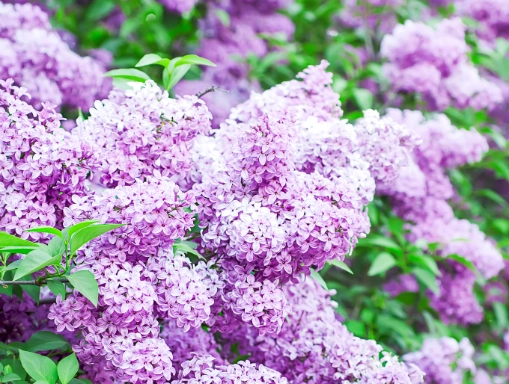
If your leaves are looking yellow with green veins (chlorosis), the soil might be too acidic. A sprinkle of garden lime around the drip line in the fall can work wonders. A light application of a balanced, slow-release fertilizer or a top-dressing of compost in early spring is usually sufficient.
Watering is simple: deep and infrequent. Once established, they can handle dry spells. Overwatering is a bigger danger than underwatering.
Dealing with Pests and Problems
Lilacs are generally trouble-free, but a couple of issues pop up.
Powdery Mildew: That white powder on leaves in late summer. It's ugly but rarely fatal. It's worse in humid conditions with poor air circulation. Choosing mildew-resistant varieties (many newer cultivars are) and proper pruning for airflow are the best prevention. I rarely bother treating it on my plants—it shows up late enough that it doesn't harm the plant's health.
Lilac Borer: This is a more serious pest. Look for sawdust-like frass at the base of stems, wilting branches, or holes in the bark. The best defense is keeping your plant healthy and not damaging the bark with lawnmowers or trimmers. Infested branches should be cut out well below the damage and destroyed.
Scale insects can sometimes be an issue, but a strong blast of water or horticultural oil in dormant season usually handles it.
Beyond the Bush: Lilacs in Garden Design
A lilac doesn't have to be a lonely specimen in the middle of the lawn. They're incredibly versatile.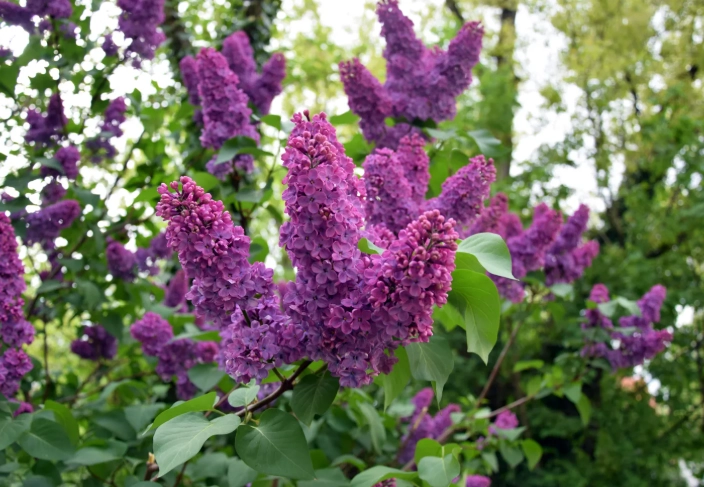
Think about a lilac hedge. It's a fragrant, flowering privacy screen for a few glorious weeks. Use a consistent variety and space them about 5-6 feet apart. It's a commitment, but the payoff is breathtaking.
Mix them into a mixed shrub border. Pair later-blooming lilacs (like the Preston hybrids) with early spring bulbs and perennials. The lilac's green foliage becomes a background for summer flowers after its own bloom is done.
Dwarf lilacs are perfect for containers. Use a large pot with excellent drainage. 'Bloomerang' lilacs in pots on a sunny patio or balcony bring that classic scent up close where you can enjoy it.
And don't forget cutting! Lilacs make phenomenal cut flowers. The trick is to cut them in the morning when about one-third to one-half of the flowers on the panicle are open. Smash the woody ends of the stems with a hammer and put them in a vase with plenty of water. Change the water daily. They might not last more than 4-5 days, but those days will be glorious.
Your Lilac Questions, Answered
I get asked these all the time, so let's tackle them head-on.
Wrapping It Up: The Joy of Lilacs
At the end of the day, growing lilacs is about more than horticulture. It's about planting a memory. That first whiff of scent on a warm spring breeze is a moment of pure joy. It's a connection to gardens past and a gift to gardens future.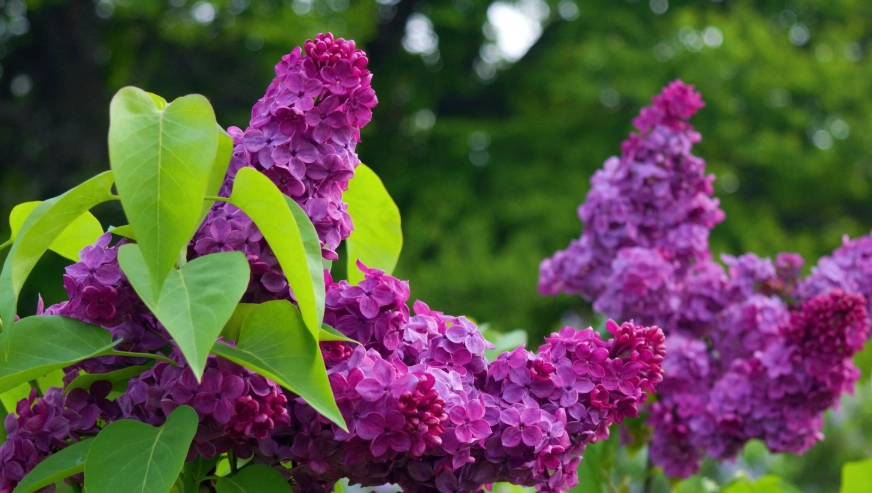
They're not fussy prima donnas. Give them that sunny spot, decent drainage, and a timely prune, and they'll reward you with decades of dependable beauty. You might have a few setbacks—a bloom-less year, a bout of mildew—but the plant itself is resilient.
Start with the right variety for your space. Don't make my mistake and plant a giant where a dwarf belongs. Do the soil prep right at the beginning. Then, mostly, just let them be. Enjoy the show. Cut armfuls for your kitchen table. Share starts with friends and neighbors. That's the real tradition of lilacs.
Honestly, no garden feels quite complete without at least one. The effort is small. The reward, year after fragrant year, is immense.