In This Article
- What Exactly Is a Hellebore?
- The Four Big Things You Need to Get Right
- The Elephant in the Room: Hellebore Toxicity
- A Year in the Life of Your Hellebore
- Which Hellebore Should You Choose? A Breakdown of the Best
- Solving Common Hellebore Problems (Before They Start)
- Frequently Asked Questions (The Stuff You're Actually Searching For)
- Final Thoughts: Is a Hellebore Right for Your Garden?
Let's talk about a plant that feels like a bit of gardening magic. You know that gloomy stretch from late fall to early spring? When everything seems gray, dormant, or just plain dead? That's when the hellebore decides to put on a show. It's not the loudest plant in your garden, but somehow, it ends up being the one you look forward to the most when the days are short.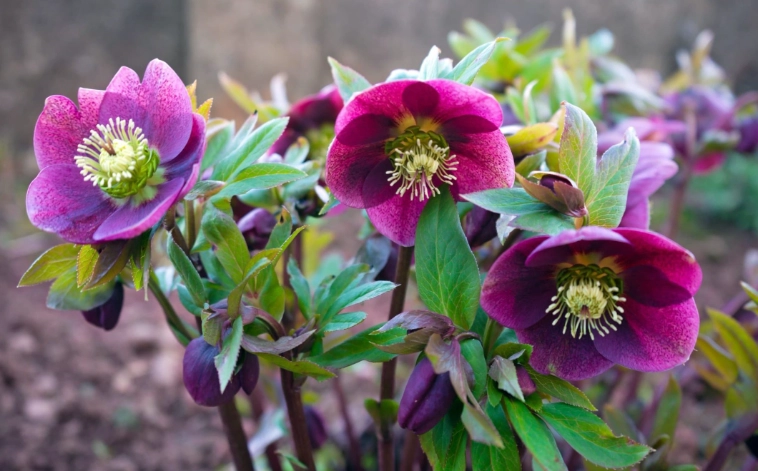
I remember the first time I saw one blooming in a neighbor's garden in February. I was convinced they had plastic flowers stuck in the ground. Nothing that elegant was supposed to bloom with snow still on the ground. That curiosity is what got me hooked.
But here's the thing about hellebores. They have a reputation for being a "plant for connoisseurs" or fussy perennials. I think that's nonsense. They're tougher than they look, but you do need to know a few key things to make them happy. Get those right, and they'll reward you for decades. Literally. We're going to strip away the mystery and just talk about what works.
What Exactly Is a Hellebore?
Okay, first things first. The word "hellebore" refers to plants in the genus *Helleborus*. They're evergreen perennials (meaning the leaves stick around all year) that are part of the buttercup family, Ranunculaceae. Their most famous trick is flowering in the dead of winter or very early spring, which is why you'll hear names like Christmas Rose or Lenten Rose thrown around.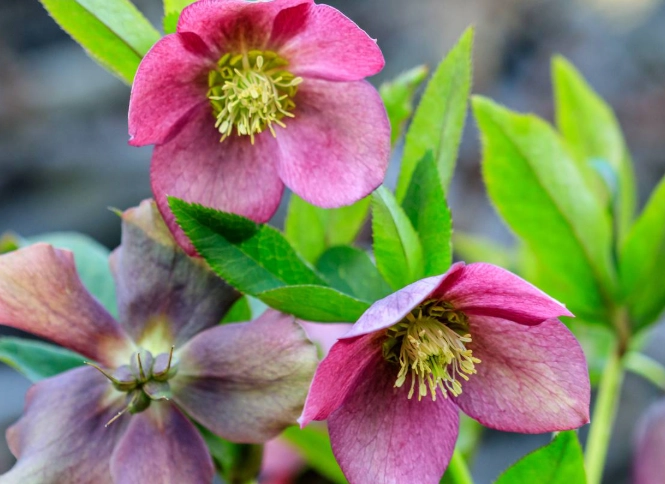
Those common names are a bit misleading, though. They're not related to roses at all. The "Christmas" one (*Helleborus niger*) might bloom around December in mild climates. The "Lenten" types (usually *Helleborus x hybridus*) tend to flower closer to the Lenten season, from February onwards. The flowers are actually not what they seem either. Those beautiful, colorful "petals"? They're technically sepals, which are much tougher and longer-lasting than delicate petals. That's why a single hellebore flower can look good for two months or more.
They're native to parts of Europe and Asia, growing in woodland edges and scrubby areas. That tells you a lot about what they like: dappled shade and decent soil that doesn't get waterlogged.
The Four Big Things You Need to Get Right
If you want a hellebore to thrive and not just survive, focus on these four pillars. Screw up one, and the plant will let you know.
1. Light: They're Not Full Sun Fans
This is the number one mistake. People see a tough plant and think it can handle a blazing summer spot. Hellebores will tolerate morning sun, but what they really love is partial to full shade. Think about where you'd plant a hosta. Under deciduous trees is perfect—they get light in winter and spring when the tree is bare, and shade in summer when the canopy fills in. Too much sun, especially hot afternoon sun, will scorch the leaves and stress the plant. The blooms might also fade faster.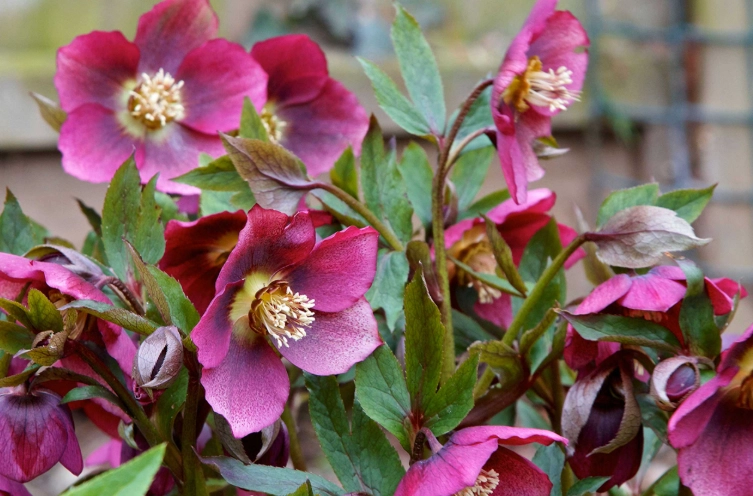
I made this mistake myself. Planted a beautiful pink one in a spot that got sun from about 11 am onwards. It lived, but it looked miserable by August every year, with crispy brown leaf edges. Moved it to a shadier spot, and it was like a different plant.
2. Soil: It's All About the Drainage
Hellebores hate wet feet. They absolutely will rot in heavy, soggy clay that stays waterlogged. The ideal soil is rich, moist but well-draining, and loaded with organic matter. If you have heavy soil, you must amend it. Dig a much wider hole than you need (not just deeper), and mix in a huge amount of compost, leaf mold, or well-rotted manure. Some gritty sand or fine bark chips can help too. Raising the planting area slightly can also improve drainage.
3. Watering: Consistent but Not Clingy
When you first plant a hellebore, keep the soil consistently moist (not soggy) to help it establish. Once it's settled in after a year or so, it becomes surprisingly drought-tolerant for a shade plant. It will need watering during prolonged dry spells in the summer, but it's not a daily chore. The key is deep, infrequent watering rather than little daily sprinkles. That encourages deep roots.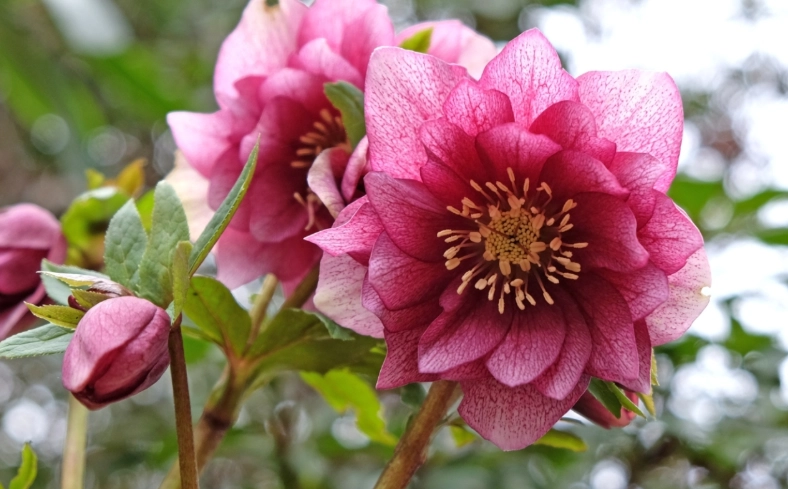
Honestly, I mostly ignore mine in terms of watering, except for new plants and during serious heatwaves. They get what nature provides, plus a bit from my general garden watering routine.
4. Feeding: Less is More
Hellebores aren't heavy feeders. A single application of a balanced, slow-release fertilizer or a top-dressing of compost in early spring as they start to grow is usually plenty. Over-fertilizing, especially with high-nitrogen fertilizers, can lead to lots of soft, floppy leaf growth at the expense of flowers. They're pretty low-maintenance this way.
The Elephant in the Room: Hellebore Toxicity
We have to talk about this. All parts of the hellebore plant are poisonous if ingested. They contain compounds called glycosides that can cause serious gastrointestinal distress, drooling, abdominal pain, and worse. This is a non-negotiable fact.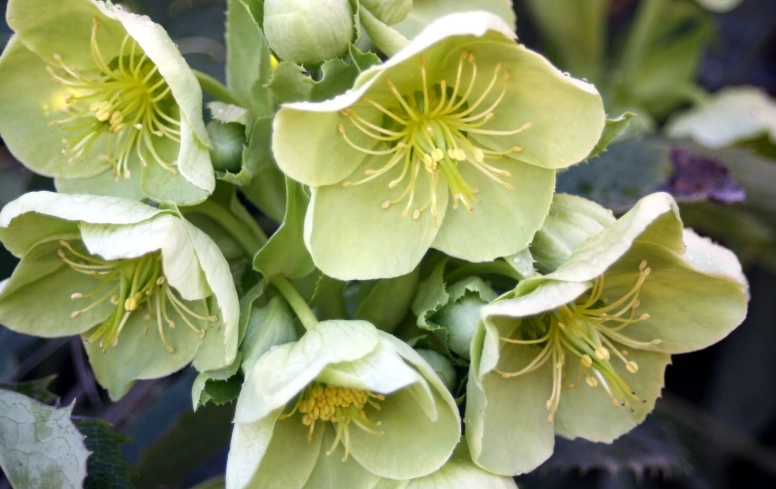
Now, does this mean you shouldn't grow them? Not at all. It means you need to be aware, just like you are with daffodil bulbs, foxgloves, or lilies (which are deadly to cats). It's about responsible gardening. I have two dogs and grow dozens of hellebores. The dogs have never shown interest in them. The plants aren't enticingly fragrant or berry-producing. The risk is primarily from deliberate ingestion, not casual contact.
But you should know. The Royal Horticultural Society (RHS) and many university extension services list hellebores as toxic. It's a standard part of their profile. You can check resources like the RHS website or your local university cooperative extension for more detailed information on plant toxicity.
So, grow them. Enjoy them. Just don't make a salad out of them.
A Year in the Life of Your Hellebore
What should you actually be doing with these plants month by month? It's pretty simple once they're established.
- Late Winter (Jan-Feb): The flower stalks start pushing up. This is the exciting part! Clear away any fallen leaves or debris that's matted on top of the plant to let the blooms shine. You might apply that light compost top-dressing.
- Spring (Mar-May): Peak bloom time. Just enjoy it. You can cut a few flowers for indoor arrangements—they last forever in a vase. Once the main flush of flowering is over, you can remove the previous year's old, battered leaves to make way for the fresh new growth. This also helps prevent foliar diseases.
- Summer (Jun-Aug): The plant is just a handsome mound of green foliage, providing texture in the shade garden. Water if it's extremely dry. That's about it.
- Fall (Sep-Nov): The plant starts setting buds for next year's show. This is a good time to plant new hellebores or divide old clumps if needed. Keep them watered if the fall is dry.
- Early Winter (Dec): Dormancy, but evergreens don't really sleep. The buds are there, waiting. In very cold climates, a sudden hard freeze without snow cover can damage flower buds. A light mulch after the ground freezes can help, but often they're tough enough to handle it.
Which Hellebore Should You Choose? A Breakdown of the Best
The world of hellebores has exploded with varieties. It can be overwhelming. Here’s a quick guide to the main players to help you decide.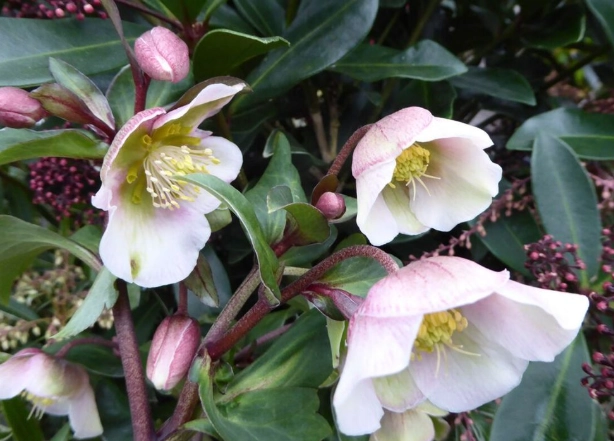
| Type (Species/Group) | Common Name | Bloom Time | Key Features & Best For... | My Personal Take |
|---|---|---|---|---|
| Helleborus niger | Christmas Rose | Dec - Feb (mild climates) | Pure white flowers that often age to pink. Leathery, dark green leaves. Tolerates more sun than some. | The classic. Can be a bit trickier to establish, but worth it for the early white blooms. 'Potter's Wheel' is a great cultivar. |
| Helleborus x hybridus (H. orientalis hybrids) | Lenten Rose | Feb - Apr | The most common garden hellebores. Massive color range: whites, pinks, purples, blacks, yellows, spotted, picotee edges. | Your best bet for starting out. Tough, prolific, and endless choices. Look for named varieties for specific colors. |
| Helleborus foetidus | Stinking Hellebore | Late Win - Spr | Architectural plant with palm-like, deep green leaflets. Clusters of small, bell-shaped, green flowers edged in maroon. | The name is unfair—it only smells if you crush the foliage. I love its structure. It's a biennial but self-seeds politely. |
| Helleborus argutifolius (H. corsicus) | Corsican Hellebore | Late Win - Spr | Large, coarse, serrated blue-green leaves. Large clusters of apple-green flowers. Very robust. | A bold statement plant. Less hardy than others (USDA zone 6). Needs excellent drainage and can get quite large. |
| Double-Flowered Hybrids | Double Lenten Roses | Feb - Apr | Flowers with layers of sepals, resembling small roses or peonies. Come in many colors. | Stunning and long-lasting. Sometimes the flower heads are so heavy they nod too much. I prefer singles for their elegance. |
My advice? Start with a couple of Helleborus x hybridus in colors you love. They're the workhorses. Then, if you get bitten by the bug, try a *Helleborus niger* for early flowers or a *foetidus* for its crazy-cool foliage.
Solving Common Hellebore Problems (Before They Start)
Hellebores are generally pest and disease resistant, but a few things can bug them.
- Black Spot/Fungal Leaf Spot: You might see black or brown spots on the leaves, usually later in the season. It's mostly cosmetic. Prevent it by ensuring good air circulation, cleaning away old leaves in spring, and avoiding overhead watering. I rarely treat it; I just remove badly affected leaves.
- Aphids: They sometimes cluster on new flower buds and growth. A strong blast of water from the hose usually knocks them off. Insecticidal soap is the next step if it's a bad infestation.
- Slugs and Snails: They love the tender new leaves in spring. Beer traps, iron phosphate bait, or just going out at night with a flashlight and picking them off are effective.
- The Biggest Non-Pest Problem: Flowers facing down. Many hellebores have naturally nodding flowers. Some people hate this. If it bothers you, seek out varieties bred for more upward-facing blooms, or plant them on a slope so you can look up into them. I actually like the modest, downward glance—it feels more natural.
Frequently Asked Questions (The Stuff You're Actually Searching For)
Let's get straight to the questions I see popping up all the time in gardening forums.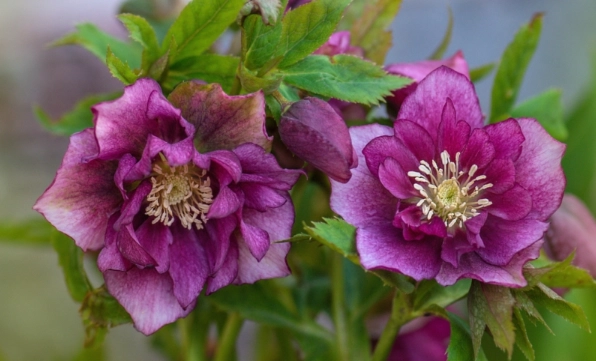
Are hellebores deer and rabbit resistant?
Yes, generally. The toxicity and slightly tough, leathery leaves make them unappealing to most deer and rabbits. They are rarely at the top of the menu. In my garden, which is a rabbit buffet, they've never been touched. Deer have sampled a leaf or two but never decimated a plant. Consider them deer-resistant, but remember, a hungry enough animal will eat anything.
Can I grow hellebores in containers?
Absolutely, and it's a fantastic way to enjoy them up close on a patio. Use a large, deep pot with excellent drainage holes. Use a high-quality potting mix (maybe add some extra perlite for drainage). They'll need more frequent watering than in the ground and a light feed in spring. Protect the pot from extreme winter cold (the roots are more exposed) by insulating it or moving it to a sheltered spot.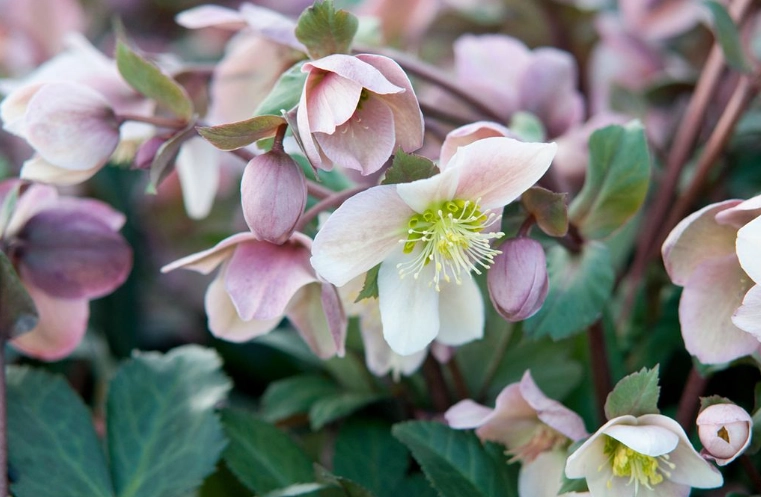
Why isn't my hellebore flowering?
This is frustrating. The main culprits are usually:
1. Too much shade: While they love shade, deep, dark shade can reduce flowering. They need some dappled light.
2. Too young: Seed-grown plants can take 2-3 years to reach blooming size. Be patient.
3. Overcrowding/Needs dividing: A very old, congested clump may stop flowering well. Dig it up in fall, chop it into sections with a sharp knife (each with several buds), and replant.
4. Lack of nutrients: Starved soil in deep shade under trees might need that annual compost top-up.
How do I get hellebore seeds to grow?
They self-seed readily if you let the seed pods develop and drop. The seedlings will be variable in color, not identical to the parent. For controlled sowing, collect the fat seed pods when they turn brown and start to split (late spring/early summer). Sow the fresh seeds immediately in pots. They need a period of warm *and* cold stratification to germinate, so don't expect to see sprouts until the following spring. It's a slow but rewarding process.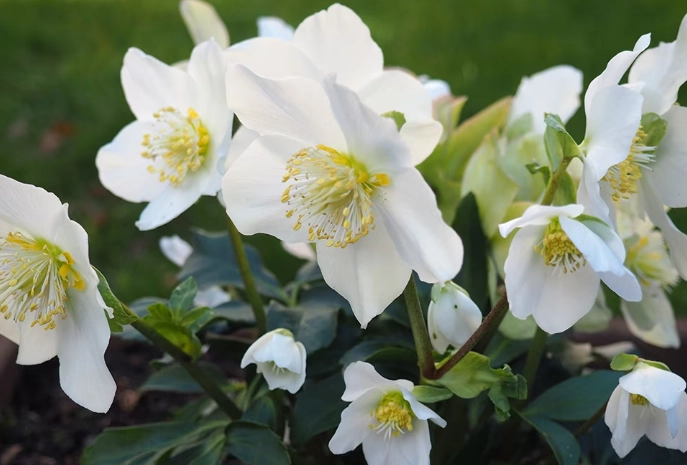
Final Thoughts: Is a Hellebore Right for Your Garden?
Look, if you have a shady or part-shady spot with decent soil (or soil you're willing to improve), you should try at least one hellebore. The initial cost for a good potted plant is higher than a pack of annuals, but you're buying a plant that will outlive most of your gardening tools.
Its value is immense. It provides color and interest during the most barren gardening months. It's an evergreen backbone for your shade beds. It's low maintenance once established. And there's a unique, quiet beauty to the flowers that feels sophisticated.
The only real downside is the toxicity, which just requires awareness, not avoidance. And maybe the fact that the flowers are sometimes shy, facing downward. But I've come to see that as part of their charm. They're not shouting for attention; they're offering a secret for those who look closely.
Start with one this fall. Plant it well, in a good spot. Then, next winter, when you see those first buds pushing through the cold soil, you'll understand why so many gardeners are obsessed with Helleborus. It's not just a plant. It's a promise that spring is always on its way.