Explore This Guide
- What Exactly Is Fountain Grass and Why Should You Care?
- Getting It Right: Planting and Core Care for Your Fountain Grass
- Choosing Your Fountain Grass: A Tour of the Best Varieties
- Creative Ways to Use Fountain Grass in Your Landscape
- Solving Common Fountain Grass Problems (Before They Happen)
- Your Fountain Grass Questions, Answered
Let's talk about fountain grass. You've probably seen it – those graceful, arching clumps that look like green fountains in summer, topped with fluffy, bottlebrush-like flowers that dance in the slightest breeze. Maybe you admired it in a neighbor's yard or at a local park and wondered what it was. That's Pennisetum alopecuroides, or fountain grass, for you. It's one of those plants that has quietly become a superstar in the gardening world, and for good reason.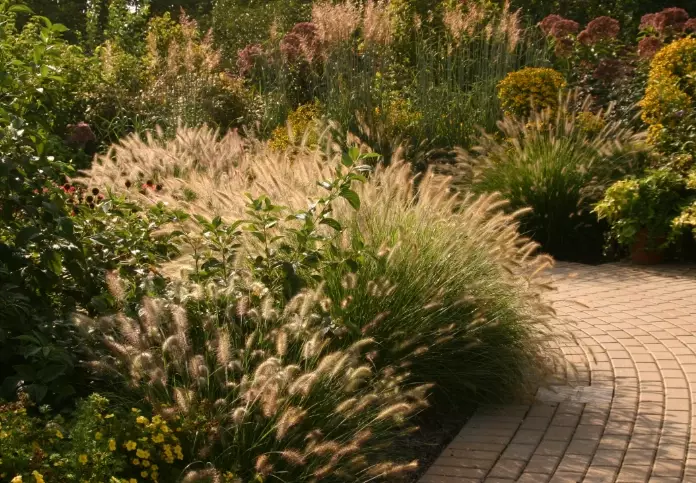
I remember the first time I planted fountain grass in my own garden. I was a bit skeptical. I'd killed more than my fair share of plants by that point. But this one? It just... worked. It filled in a bare corner that had been annoying me for years, and it did it with a kind of effortless elegance that made my whole garden look more put together. It didn't demand constant attention. It just grew.
But here's the thing. While fountain grass is often labeled "low-maintenance" – and it absolutely is compared to, say, a finicky rose – that doesn't mean you can just stick it in the ground and forget it. There are a few key decisions and simple care steps that make the difference between a plant that merely survives and one that truly thrives, becoming the highlight of your landscape.
What Exactly Is Fountain Grass and Why Should You Care?
At its core, fountain grass is a perennial ornamental grass. The term "fountain grass" most commonly refers to Pennisetum alopecuroides and its many cultivated varieties. You might also hear about Pennisetum setaceum (often called purple fountain grass), but that's a different beast – it's tender in most climates and often treated as an annual. Today, we're focusing on the hardy, perennial types that come back year after year.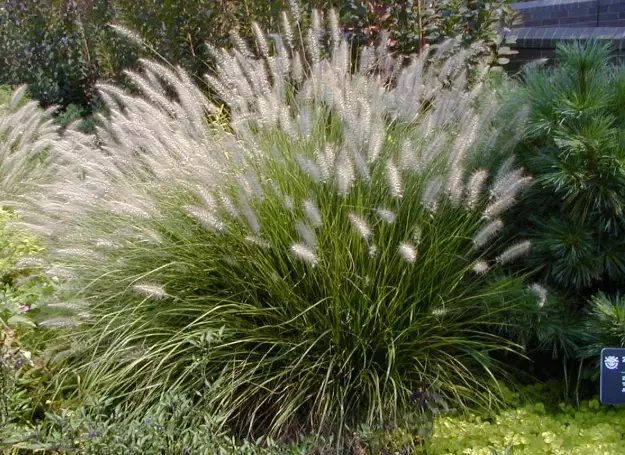
So why has this plant become so popular? It's not just hype.
First, there's the movement. A static garden can feel a bit like a painting, but add some ornamental grasses and suddenly it's alive. The fine leaves and feathery seed heads of fountain grass catch the light and sway with the wind, adding a dynamic, almost musical element. It softens hard edges. If you have a lot of rigid structures or sharp lines from fences and patios, a clump or two of fountain grass can make everything feel more cohesive and natural.
Then there's the multi-season interest. In spring and summer, it's a mound of fresh green. By late summer, those gorgeous flower plumes emerge, starting out a bit like caterpillars and then exploding into soft, fuzzy brushes. They start creamy white or pinkish and often mature to a tan or buff color. And here's a secret a lot of beginners miss: fountain grass is arguably at its most beautiful in the fall and winter. The foliage turns stunning shades of gold, orange, and amber. The dried seed heads persist, catching frost and morning dew, providing structure and food for birds when little else is left in the garden.
Finally, it's a problem-solver. Got a hot, dry spot where nothing seems to grow? Fountain grass might be your answer. Need something for a slope that's difficult to water? Yep. Want to create a living screen for a bit of privacy without building a fence? Plant a row of the taller varieties. It's deer-resistant (most of the time – a very hungry deer will eat anything), rabbit-resistant, and generally pest-free.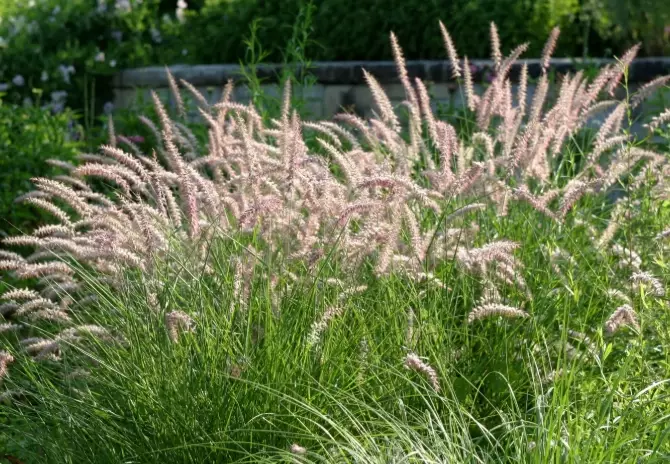
Getting It Right: Planting and Core Care for Your Fountain Grass
Okay, you're convinced. Now, how do you set your fountain grass up for a long and happy life? It starts with the right spot.
The Non-Negotiables: Sun and Soil
Fountain grass is a sun worshipper. It needs full sun – that means at least 6 to 8 hours of direct sunlight per day. I made the mistake once of planting one in a spot that got afternoon shade, and it was pathetic. It grew leggy, flopped over, and produced maybe two sad little plumes. Lesson learned. More sun equals sturdier stems, denser growth, and a spectacular flower show.
Soil is less picky, but drainage is king. This plant hates having "wet feet," especially in winter. It will tolerate a range of soil types from clay to sand, as long as water doesn't pool around its roots. If you have heavy clay, the best thing you can do is amend the planting hole generously with compost or aged manure. This improves drainage and gives the young plant a nutrient boost. The University of Maryland Extension has a great, straightforward guide on improving soil drainage that's worth a look if you're unsure about your garden's conditions.
Step-by-Step Planting
- Timing: Spring or early fall are ideal. Planting in spring gives it a full season to establish before winter. Fall planting works in milder climates, but avoid doing it too late.
- The Hole: Dig a hole about twice as wide as the root ball, but no deeper. You want the crown (where the stems meet the roots) to sit level with or just slightly above the surrounding soil.
- Prep: Loosen the roots if they're pot-bound. Mix some compost into the native soil you removed.
- Plant: Place the plant in the hole, backfill with your soil mix, and firm it gently.
- Water: Give it a thorough, deep watering to settle the soil and eliminate air pockets. A good mulch layer (2-3 inches) of shredded bark or leaves will help retain moisture and suppress weeds.
The Simple Care Routine
Once established, fountain grass is remarkably drought-tolerant. The key word is established, which takes about one full growing season. During that first year, water it regularly during dry spells. After that, it will likely get by on rainfall alone, except during prolonged droughts.
Fertilizer? Honestly, it's not a big feeder. A light application of a balanced, slow-release fertilizer in early spring is plenty. More is not better – too much nitrogen can lead to floppy growth.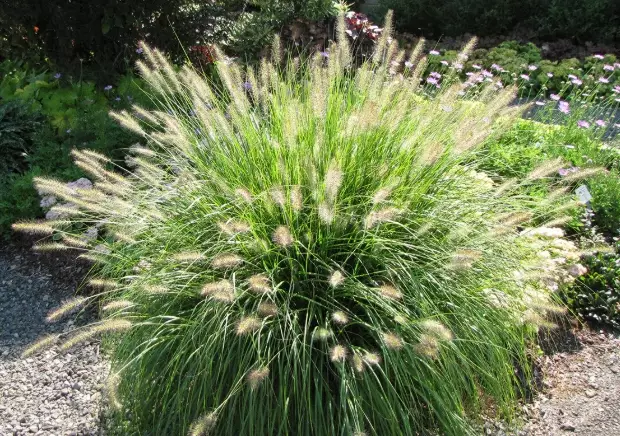
The single most important maintenance task is the annual cut-back. In late winter or very early spring, before new growth emerges, cut the entire clump down to about 4-6 inches from the ground. You can use hedge shears, pruning shears, or even a string trimmer for large clumps. It looks brutal, but within weeks, bright green new shoots will push up from the base. This annual reset keeps the plant looking tidy and vigorous.
Choosing Your Fountain Grass: A Tour of the Best Varieties
This is where it gets fun. Not all fountain grasses are created equal. The species itself is great, but plant breeders have given us a fantastic palette of sizes, colors, and habits to choose from. Here’s a breakdown of some of the most reliable and popular cultivars.
| Variety Name | Key Features & Description | Mature Height/Spread | USDA Hardiness Zones | Best For... |
|---|---|---|---|---|
| 'Hameln' Dwarf Fountain Grass | The classic compact choice. Neat, rounded mound of fine green foliage with creamy-white plumes appearing earlier than most. Extremely well-behaved and tidy. | 2-3 ft H / 2-3 ft W | 5-9 | Small gardens, borders, containers, mass planting. |
| 'Little Bunny' Fountain Grass | One of the smallest cultivars. Forms a perfectly proportioned, miniature fountain. Plumes are charming and abundant. Slow spreader. | 12-18" H / 12-18" W | 5-9 | Rock gardens, edging, front of borders, patio pots. |
| 'Cassian' Fountain Grass | A personal favorite. Similar to 'Hameln' but with a slightly more upright, vase-shaped habit. Renowned for its profusion of long-lasting, pink-tinged flower spikes that turn beige. | 2.5-3 ft H / 2-2.5 ft W | 5-9 | Adding vertical accent without towering height. Great for cut flowers. |
| 'Moudry' Black Fountain Grass | Stands out for its dramatic, nearly black flower plumes that appear in late summer. Foliage is deep green. Adds a bold, architectural element. | 2-3 ft H / 2-3 ft W | 6-9 | Creating contrast with silver or gold-foliaged plants. Modern garden schemes. |
| Pennisetum alopecuroides (Species) | The straight species is taller and more spreading. A robust plant that forms a large, impressive clump. Arching foliage turns golden-yellow in fall. | 3-5 ft H / 3-4 ft W | 5-9 | Large landscapes, naturalistic plantings, screening, as a specimen. |
How do you decide? Think about the space. For most suburban gardens, the dwarf or mid-sized cultivars like 'Hameln' or 'Cassian' are perfect. They give you all the beauty without overwhelming the space. If you have a vast, sunny border or a meadow garden, the straight species makes a powerful statement.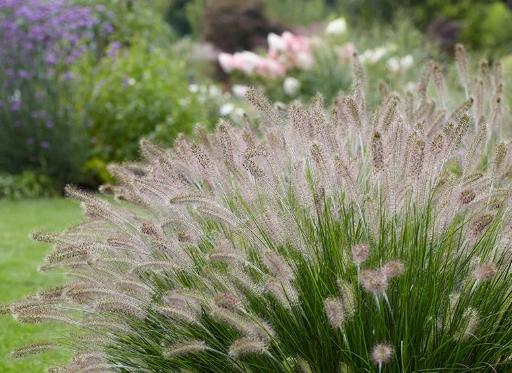
Creative Ways to Use Fountain Grass in Your Landscape
This grass is more versatile than you might think. It's not just a "plop it in the back of the border" kind of plant.
As a Focal Point: A single, well-placed clump of a striking variety like 'Moudry' can be a living sculpture. Place it where the low winter sun will backlight its seed heads.
In Mass Plantings: This is where the magic happens. Planting a drift of five or seven 'Hameln' grasses creates a flowing, cohesive look that's incredibly low-maintenance. It's a fantastic alternative to a large, thirsty lawn area.
For Erosion Control: Its dense, fibrous root system makes it excellent for holding soil on slopes. It's a beautiful, functional solution for a problematic bank.
Container Gardening: Dwarf fountain grass is brilliant in pots. It provides height, texture, and a softening effect. Combine it with trailing plants like sweet potato vine and bold-leaved plants like coleus for a stunning patio display. Just make sure the pot has good drainage holes.
Wildlife Gardens: Those fluffy seed heads are a favorite snack for small birds like finches in the late fall and winter. The dense clumps also offer shelter for beneficial insects and overwintering sites for native bee larvae.
Solving Common Fountain Grass Problems (Before They Happen)
Even the toughest plants have their quirks. Here’s what to watch for.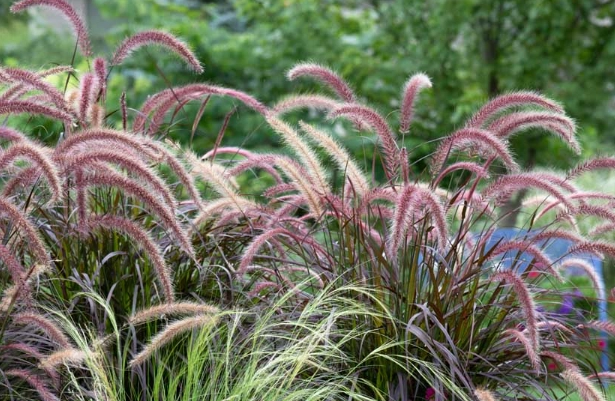
Flopping Over: This is the number one complaint. It's usually caused by one of three things: too much shade, too much fertilizer (especially nitrogen), or not enough sun to harden the stems. Sometimes a very heavy rain on fully developed plumes can weigh them down temporarily. The solution is preventative – give it sun, go easy on the feed, and choose a variety whose mature size fits your space.
Center of the Clump Dies Out: This is a sign it's time to divide. As perennial grasses age, the center can become woody and unproductive. Every 3-4 years, in early spring when you cut it back, you can dig up the entire clump and use a sharp spade or even an old handsaw to cut it into smaller sections. Replant the vigorous outer pieces and discard the dead center. It's like giving the plant a rejuvenating spa treatment.
Poor or No Flowering: Not enough sun is the usual culprit. Also, if you cut it back too late in the spring, you might accidentally cut off the developing flower buds. Stick to the late winter/early spring schedule.
Winter Die-Back in Colder Zones: Even in zone 5, fountain grass is hardy, but a severe winter with no snow cover (snow acts as an insulator) can sometimes damage the crown. A good layer of mulch applied after the ground freezes in late fall can help. If parts of the clump don't sprout in spring, just cut out the dead bits; the rest will often fill in.
Your Fountain Grass Questions, Answered
Look, gardening is a journey of trial and error. Fountain grass is one of those plants that tilts the odds heavily in your favor. It asks for so little – just a sunny spot and one haircut a year – and gives back so much in texture, movement, and year-round beauty.
Start with a reliable cultivar like 'Hameln' or 'Cassian'. Plant it with confidence in that hot, sunny spot you've been struggling with. Give it that first-season drink when it's dry. Then, sit back and watch. You'll get months of graceful foliage, a late-season floral show, and a winter performance that makes the gray months bearable. It might just become the backbone of your garden, the plant you point to when a friend asks, "What's that beautiful grass?"