Guide at a Glance
You see them in paintings, you read about them in poems, and if you're lucky, you've stood under the sweeping branches of one in real life. Willow trees have this quiet, graceful power that just draws you in. But here's the thing – between the dreamy image and the reality of actually growing one in your backyard, there's a whole world of questions. What kind of willow should you even get? Will its roots tear up your pipes? What does it need to thrive, not just survive?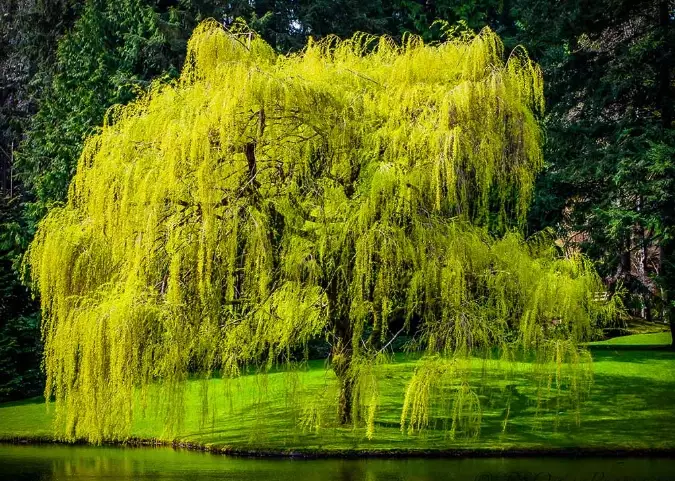
I get it. I used to think all willows were the same – just those weepy trees by the water. Then I tried planting one. Let's just say I learned a few lessons the hard way about soil and space. That's why I wanted to put this guide together. It's not just a list of facts; it's everything I wish I'd known before I started, plus a deep dive into why these trees captivate us so much.
More Than Just a Weeping Willow: Exploring the Variety
If you just think "weeping willow," you're missing out on a fantastic family of plants. The diversity is honestly surprising. Some are perfect for small gardens, others are tough enough for cold climates, and a few have branches so twisted they look like they're from a storybook.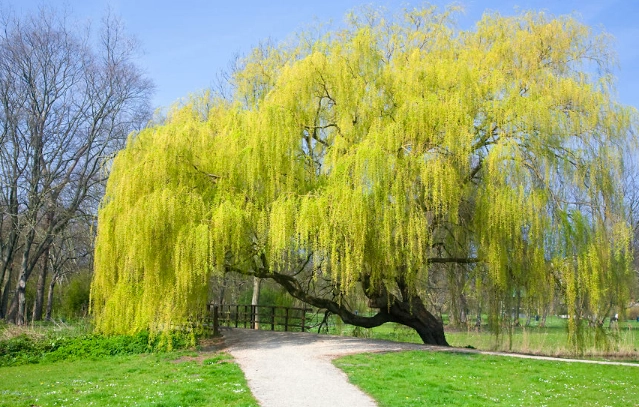
Top Ornamental Willow Tree Varieties for Your Garden
Let's cut to the chase. You're probably here because you're considering planting one. Here are the rockstars of the willow world, the ones you'll most likely encounter at the nursery or admire in parks.
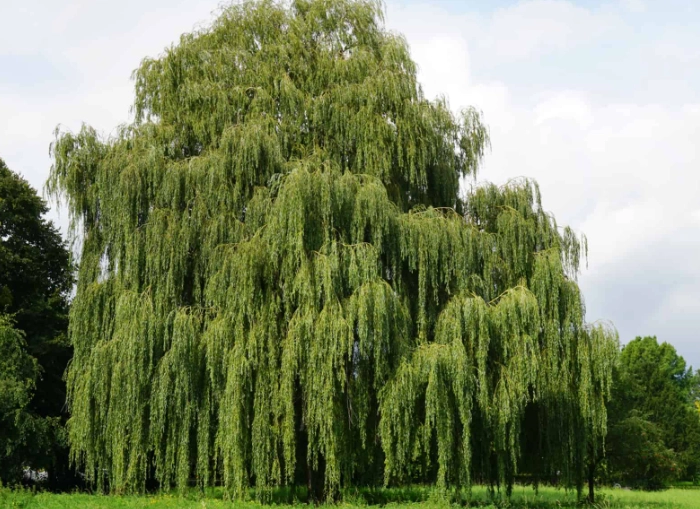
- The Classic: Weeping Willow (Salix babylonica and hybrids). This is the poster child. Long, cascading branches that touch the ground, creating a private, shady room underneath. Stunning? Absolutely. But it's a hungry, thirsty giant. It needs space – lots of it – and preferably damp soil. Don't even think about planting it near underground drains or a house foundation. Trust me on this one.
- The Tough Native: White Willow (Salix alba). This is a more upright, fast-growing tree. The 'Vitellina' cultivar has brilliant yellow-orange young stems that glow in the winter sun. It's less fussy than the weeping willow and tolerates a wider range of conditions, though it still loves water.
- The Sculptural Show-Off: Corkscrew Willow (Salix matsudana 'Tortuosa'). This one is pure fun. Its branches and leaves twist and curl in every direction, adding incredible winter interest after the leaves fall. It grows fast and has a more compact habit than the weepers, making it a better fit for many suburban yards.
- The Shrubby Star: Dappled Willow (Salix integra 'Hakuro-nishiki'). Not all willows are trees! This is a large shrub with breathtaking pink and white variegated foliage in spring. You can prune it hard to encourage more of those colorful new leaves. It's perfect for adding a splash of light to a damp corner of the garden.
- The Arctic Survivor: Arctic Willow (Salix arctica). Proof of how versatile this genus is. This is a ground-hugging, creeping shrub that thrives in tundra conditions. You won't plant it in your flower bed, but it shows willows can be tough as nails.
See what I mean? There's likely a willow for your vision, whether it's a focal point tree or a colorful shrub.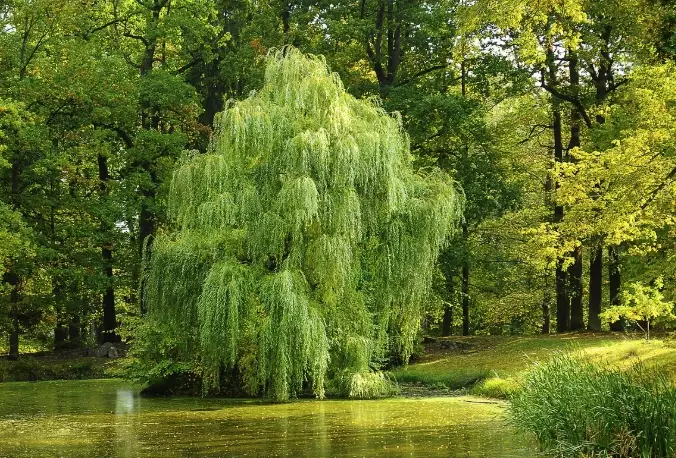
| Variety Name | Key Feature | Mature Height/Spread | Best For | Hardiness Zone |
|---|---|---|---|---|
| Weeping Willow (S. babylonica) | Cascading, ground-sweeping branches | 30-50 ft / 30-50 ft | Large landscapes, pond edges | 6-8 |
| White Willow (S. alba 'Vitellina') | Brilliant yellow winter stems | 50-80 ft / 40-60 ft | Winter interest, windbreaks | 4-8 |
| Corkscrew Willow (S. matsudana 'Tortuosa') | Twisted, contorted branches | 20-30 ft / 10-15 ft | Specimen planting, winter sculpture | 4-8 |
| Dappled Willow (S. integra 'Hakuro-nishiki') | Pink & white variegated spring foliage | 4-6 ft / 4-6 ft (as shrub) | Colorful hedges, containers | 5-7 |
| Pussy Willow (S. discolor) | Soft, silvery catkins in early spring | 15-25 ft / 12-15 ft | Early spring interest, cuttings | 4-8 |
Getting Your Hands Dirty: Planting and Care That Actually Works
Okay, you've picked a type. Now, how do you give it the best start and keep it happy for years? Willows have a reputation for being easy, and while they're certainly vigorous, a little know-how goes a long way.
The Non-Negotiables: Sun, Soil, and Water
Willows are sun worshippers. They need full sun – at least six direct hours a day. Less than that, and they get leggy, weak, and prone to disease.
Soil is where people often mess up. Willows are adaptable, but they absolutely must have consistent moisture, especially when young. They thrive near water bodies not by coincidence. The ideal soil is moist but well-draining. Heavy clay that holds water is okay; sandy soil that dries out in hours is a problem unless you're committed to watering. A good tip? Check the soil moisture an inch down. If it's dry, it's time to water deeply.
Here's a personal gripe: many guides just say "they love water" and leave it at that. The nuance is consistent moisture, not a daily shallow sprinkle. A deep soak once or twice a week is better than a little water every day. It encourages deeper roots.
Pruning: It's Not as Scary as It Looks
Willows grow fast, and they can handle – even benefit from – regular pruning. The goal depends on your tree.
- Weeping Willows: Mostly, you're just removing dead, damaged, or crossing branches to maintain the graceful shape. You can also lightly trim the longest weeping branches to keep them off the ground if you want.
- Willows Grown for Colored Stems (like White Willow): This is called coppicing or pollarding. You cut the plant back hard in late winter, almost to the ground or main trunk. It sounds brutal, but it forces out a flush of new growth in spring, which has the brightest color on the young stems.
- Shrub Willows (like Dappled Willow): Prune in early spring to shape and to encourage lots of new, colorful growth.
The best time to prune most willows is in late winter or very early spring, while they're still dormant. They bleed sap if cut later, but it doesn't really harm the tree – it just looks messy.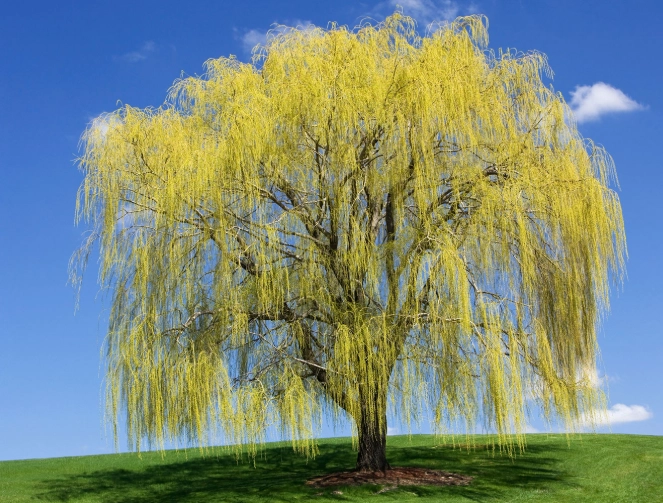
Pests and Problems: What to Watch For
No tree is bulletproof. Willows can get aphids (which bring ants), scale, and caterpillars. A strong blast of water often handles aphids. The bigger issues are fungal diseases like willow scab and black canker, especially in cool, wet springs. Good air circulation (don't crowd your tree) and cleaning up fallen leaves help a ton.
My own corkscrew willow once got a bad case of aphids. I panicked, thinking I needed chemicals. I tried the hose method for a few days in a row, and it worked perfectly. Sometimes the simple solution is the best one.
The Soul of the Willow: Symbolism and Surprising Uses
This is the part I find most fascinating. Why do willow trees feel so significant? Their physical grace translates into deep cultural meaning across the world.
In many Western traditions, willows are linked to mourning and sadness (the "weeping" association), but also to resilience and survival because they can bend without breaking. In ancient Celtic lore, the willow was connected to the moon, water, and intuition. You see this echoed in modern Wiccan and pagan traditions.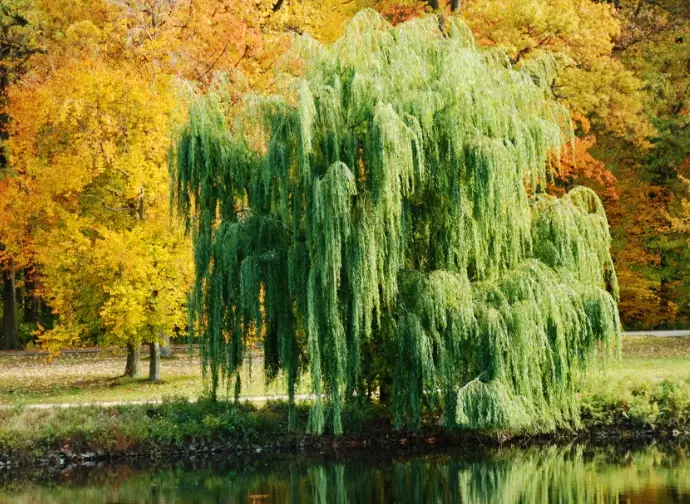
Flip over to East Asia, and the symbolism is more positive. In China, the willow (liǔ) is a symbol of vitality, flexibility, and even immortality. It's associated with spring and the feminine. You'll see it depicted in paintings and poetry as a thing of beauty and life.
And then there are the practical uses, which are way cooler than just looking pretty. For centuries, willow bark has been used as a pain reliever. Why? It contains salicin, which is a natural compound similar to the core ingredient in aspirin (acetylsalicylic acid). Ancient Egyptians and Greeks used it for pain and fever. Important note: This is for historical interest. Don't go chewing bark instead of seeing a doctor! For accurate botanical and historical information on Salix species and their traditional uses, resources like the USDA Forest Service's Plant of the Week database or the Royal Horticultural Society plant guide are fantastic, authoritative references.
The wood itself is flexible and tough. It's been used for centuries to make baskets, cricket bats, and even the frames of old-fashioned coracles (small boats). This craft, known as basketry or withycraft, is still alive today.
Your Willow Questions, Answered
- Do I have a large, sunny spot (for tree types)?
- Is the soil naturally moist, or am I willing/able to water deeply and regularly, especially for the first few years?
- Have I checked for underground utilities and structures and can plant at a safe distance?
- Am I okay with some leaf drop and occasional twig litter?
If you answered yes, then a willow could be a magnificent addition. If you have a small, dry yard, you might be better off with a more drought-tolerant tree like a hawthorn or serviceberry.
Wrapping It Up: The Long View
Planting a willow tree is an investment in future beauty. It's not the lowest-maintenance tree you can choose, but few trees offer such a dramatic payoff in form, shade, and character. Whether you're captivated by the poetry of a weeping willow or the whimsy of a corkscrew branch, understanding what they need is the first step to a successful, long-term relationship with the tree.
Start with the right variety for your space. Give it the sun and water it craves. Respect its roots. Do those things, and you won't just have a tree; you'll have a living piece of art and history that changes with every season. And on a quiet day, you might just find yourself standing under its branches, understanding exactly why willow trees have inspired people for thousands of years.
For further detailed botanical classification and species information, which can help in precise identification, the USDA Plants Database entry for Salix is an authoritative government resource.