Let's be honest, when you hear "sedum," you probably picture those tough, sun-loving succulents baking in a rock garden. The idea of sedum plants for shade sounds almost like a gardening myth, right? I thought so too, for the longest time. I had this one gloomy corner next to my garage that nothing seemed to like. Hostas got slug-eaten, ferns looked sad, and I was ready to just mulch over it and call it a day.
Then I stumbled on the concept of shade-tolerant sedum. Skeptical doesn't even begin to describe it. But after some trial and error (and a few failures I'll tell you about), I found out there's a whole group of these plants that don't just survive in lower light—some actually prefer it. It completely changed how I see my shade garden.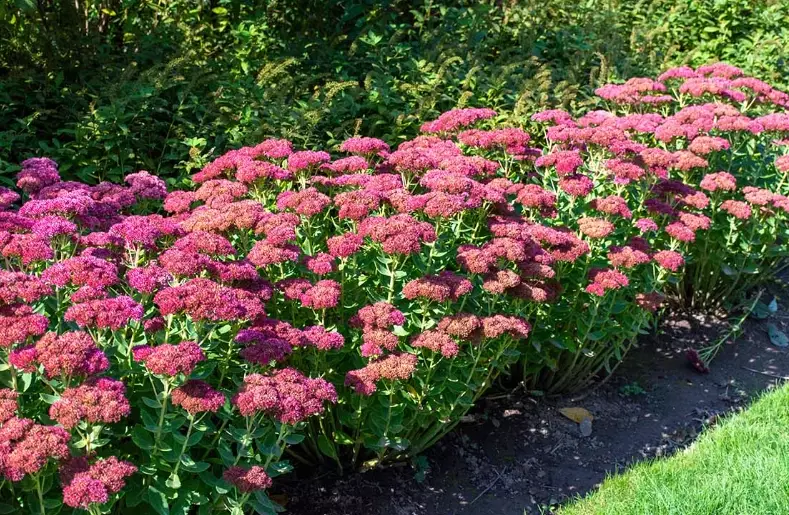
So if you're staring at a dim patio, a north-facing bed, or the dappled light under a tree, wondering if you can have the textured, drought-resistant beauty of sedum, the answer is a surprising yes. You just need to know which ones to pick and how to help them along.
Busting the Biggest Myth: Do Sedums Really Work in Shade?
This is the core question. Most sedums, especially the upright, showy types like 'Autumn Joy' (Hylotelephium spectabile), are full-sun champions. Stick them in deep shade and they'll get leggy, flop over, and refuse to flower. They need that intense light to stay compact and happy.
But not all sedums are created equal.
The secret lies in the creeping or spreading sedums, often called stonecrops. Many of these are native to woodland edges, rocky forest clearings, or other spots where they've adapted to competing for light. They trade the giant flower clusters for a relentless, ground-hugging carpet of fascinating foliage. For these varieties, finding the best sedum for shade is about matching the plant to the right level of "shade."
I made the mistake of putting a sedum rated for "light shade" in a spot that only got 30 minutes of direct sun. It survived, but just barely. It was a lesson learned—the definitions matter.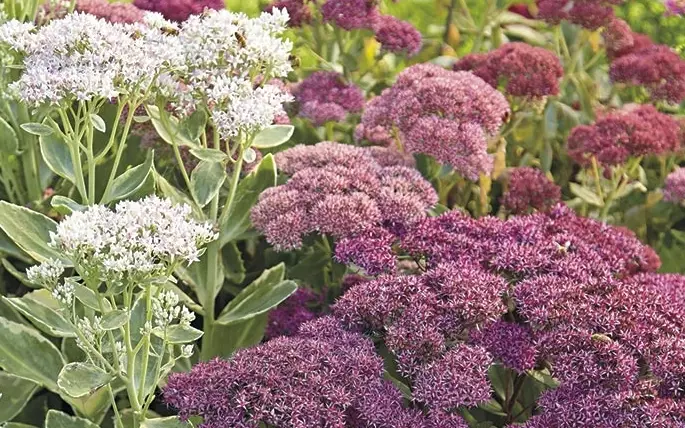
The Top Performers: My Picks for the Best Shade Tolerant Sedum
After testing a bunch, these are the varieties that have earned a permanent spot in my less-sunny areas. They're the reliable workhorses when you're looking for sedum plants for shade.
Sedum ternatum (Woodland Stonecrop)
This is the superstar of the shade sedum world. It's actually native to eastern North American forests, so shade is its thing. It forms a beautiful, lush mat of rounded, succulent leaves in a rich green. In late spring, it sends up delicate white star-shaped flowers. It's perfect for filling in between stepping stones in a shady path or covering ground under shrubs. It even stays semi-evergreen in milder climates. If you only try one shade sedum, make it this one.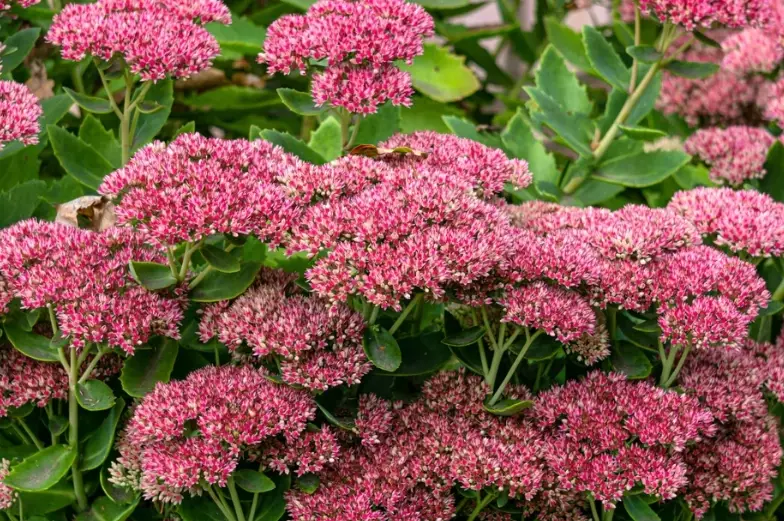
Sedum spurium 'Dragon's Blood'
Now, this one is a bit of a cheat. It loves full sun and turns a stunning deep burgundy-red there. But here's the cool part: in partial shade, it keeps its green foliage with beautiful wine-red edges. It grows faster than Sedum ternatum and is incredibly tough. I use it in spots that get a few good hours of morning sun but are shaded in the hot afternoon. It handles that transition zone brilliantly.
Sedum kamtschaticum (Russian Stonecrop)
This is a tough, reliable choice. It has glossy, deep green, scalloped leaves and produces cheerful yellow flowers in summer. It tolerates a wide range of conditions, including partial shade. In too much shade, it might flower less, but the foliage mat remains attractive. It's great for slopes or rocky areas that don't get full-day baking sun.
Sedum sieboldii (October Daphne)
This one is grown more for its incredible foliage than its flowers. The leaves are round, blue-green with a beautiful pinkish-red edge, especially as the weather cools. It does well in morning sun and afternoon shade. The stems have a graceful, arching habit. It can be a little less of a spreader and more of a clumper, so it's nice for container combinations in shaded spots.
Sedum makinoi 'Ogon' (Golden Japanese Stonecrop)
This is your go-to for lighting up a dark corner. Its leaves are a vibrant, lime-yellow gold. In deep shade, the color might green up a bit, but in bright, indirect light or partial shade, it glows. It's a very low, slow spreader with tiny leaves, perfect for fairy gardens or the front of a shady border. It's less drought-tolerant than others, preferring more consistent moisture, which often aligns well with shadier conditions anyway.
| Sedum Variety | Best Shade Type | Key Feature | Growth Habit | Hardiness (USDA) |
|---|---|---|---|---|
| Sedum ternatum | Partial to Full Shade | Native woodland groundcover, white spring flowers | Fast, mat-forming | 4-9 |
| Sedum spurium 'Dragon's Blood' | Partial Shade (for foliage) | Green & red-edged leaves, very tough | Moderate, mat-forming | 3-9 |
| Sedum kamtschaticum | Partial Shade | Glossy green leaves, yellow summer flowers | Moderate, clump-forming | 3-8 |
| Sedum sieboldii | Morning Sun / Afternoon Shade | Blue-green & pink foliage, arching stems | Slow, trailing/clumping | 3-9 |
| Sedum makinoi 'Ogon' | Bright, Indirect Light | Bright chartreuse-yellow foliage | Slow, low mat | 6-9 |
How to Actually Grow Sedum in Shade: A No-Nonsense Guide
Planting sedum plants for shade isn't just about picking the right one and throwing it in the dirt. Shady conditions come with their own set of rules, mostly related to moisture.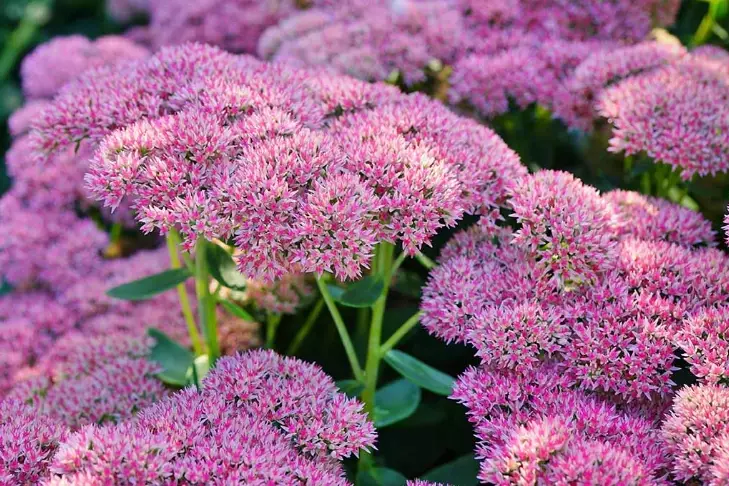
1. Soil is Everything (Seriously)
This is the most important step. Shady areas stay moist longer. While these sedums are more moisture-tolerant than their sun-loving cousins, they still despise wet, soggy, clay-heavy soil. That's a straight ticket to root rot.
What you need to do is improve drainage dramatically:
- Amend the soil: Dig in a generous amount of coarse sand, perlite, or fine gravel. Compost is good for nutrients, but don't rely on it alone for drainage. I mix about 1/3 native soil, 1/3 compost, and 1/3 perlite for my shady sedum beds.
- Raise it up: If your soil is pure clay, consider building a raised bed or planting on a slight mound. Even a few inches of elevation helps water drain away from the crown.
2. Watering Wisely
The irony of growing sedum plants for shade is that you often have to water them less than plants in full sun, especially once established. The shade reduces evaporation. The goal is to let the soil dry out a bit between waterings. Stick your finger in the soil. If the top inch is dry, it's okay to water. In rainy periods, you might not need to water at all.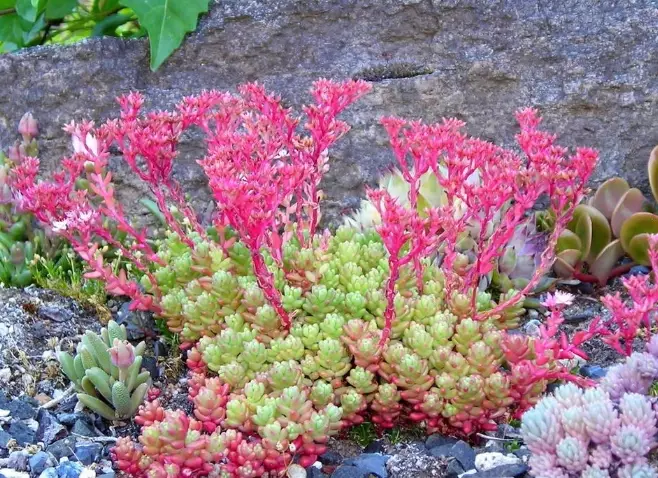
3. Feeding: Less is More
Sedums are light feeders. Too much fertilizer, especially high-nitrogen fertilizer, will cause weak, floppy growth—a bigger problem in lower light. A light top-dressing of compost in early spring is usually all they need. I don't use any synthetic fertilizer on my shade sedums.
Design Ideas: Making Shade Sedum Shine
So you have the plants and know how to care for them. How do you make them look good?
- The Textural Carpet: Use Sedum ternatum or Sedum spurium as a living mulch under shade-tolerant shrubs like azaleas or hydrangeas. It suppresses weeds and adds a beautiful, cohesive green layer.
- Shady Rock Garden: Create a small-scale rockery in dappled shade. Combine Sedum kamtschaticum, some small hostas (like 'Mouse Ears'), and a few ferns for a lush, textured look.
- Container Combos: This is where Sedum sieboldii and 'Ogon' excel. Pair them with shade-loving annuals like begonias or impatiens in a pot for your shaded patio. The sedum adds that unique succulent texture the others lack.
- Pathway Partner: Plant creeping sedum like ternatum between the flagstones of a rarely-used shady path. It can handle light foot traffic and softens the hardscape beautifully.
Common Problems (And Real Solutions)
Growing sedum in shade isn't always perfect. Here’s what to watch for.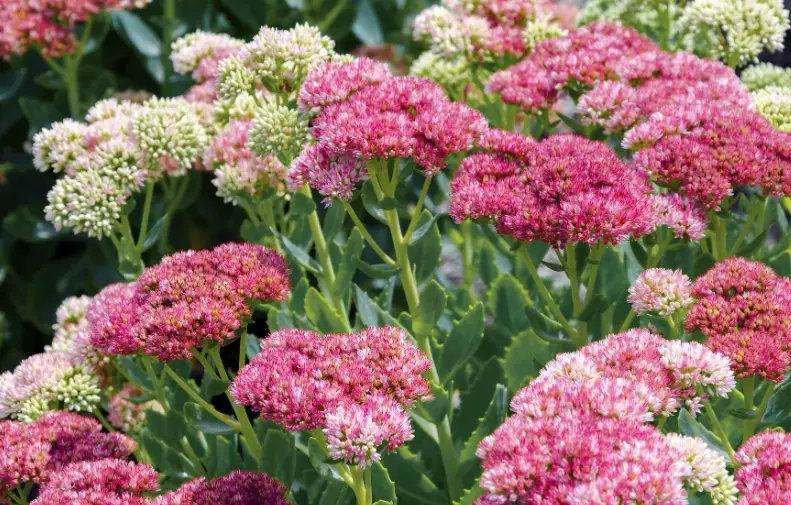
Leggy Growth: This is the number one sign your sedum isn't getting enough light. The stems stretch out looking for sun, becoming weak and sparse. Solution: Move it to a brighter spot (more morning sun) or shear it back in early summer to encourage bushier growth. Sometimes you just have to admit the spot is too dark and choose a different plant.
Slugs and Snails: Shade + moisture = slug paradise. They love tender new sedum growth. Solution: Use an organic slug bait with iron phosphate (like Sluggo). It's safe for pets and wildlife. Hand-picking at dusk with a flashlight is also oddly satisfying.
Powdery Mildew: Poor air circulation in a damp, shady spot can lead to this fungal issue. Solution: Space plants properly to allow air flow. Avoid overhead watering. If it appears, a spray of diluted milk (1 part milk to 9 parts water) can help suppress it.
Your Sedum for Shade Questions, Answered
Can I grow any sedum in full, deep shade?
Honestly, probably not. Even the most shade-tolerant, like Sedum ternatum, needs some filtered light or a few hours of sun to truly thrive. Deep, dry shade under a spruce tree is better suited to other plants. But if you have bright shade (like light bouncing off a light-colored wall), you have more options.
Will shade-tolerant sedum still flower?
They will, but often not as prolifically as in sun. Sedum ternatum is reliable with its spring flowers. Others might produce fewer blooms. With these varieties, I think of the foliage as the main show anyway.
Are sedum plants for shade still drought-tolerant?
Yes, but to a lesser degree than sun sedums. Once established, they can handle dry spells better than most shade plants, but they'll appreciate occasional watering during a prolonged drought, especially if they're under trees that compete for water.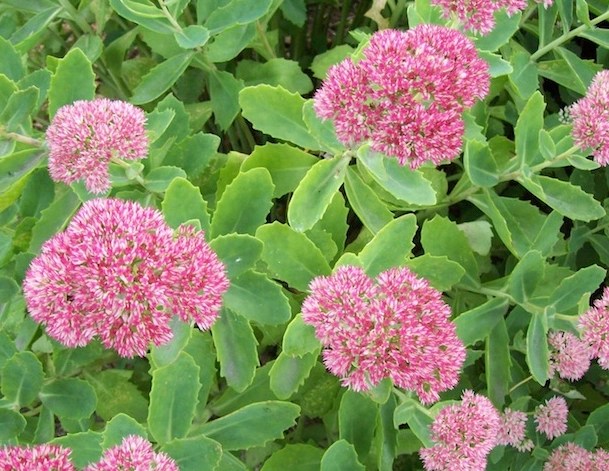
How fast do they spread?
It varies. Sedum ternatum is relatively fast. Sedum makinoi 'Ogon' is slow. Don't expect them to cover a large bare area in one season. Plant them closer together for quicker coverage or be patient.
Where can I learn more about specific varieties?
For detailed botanical profiles and hardiness information, I always cross-reference with authoritative horticultural databases. The Missouri Botanical Garden's Plant Finder is an incredible, reliable resource. University extensions also provide excellent, region-specific advice. For example, the University of Minnesota Extension has great guides on groundcovers for different conditions.
The Final Word
The world of sedum plants for shade is smaller than the sun-loving world, but it's rich with options. It's about managing expectations and playing to their strengths—incredible, textural foliage, resilience, and a unique look for the shaded garden.
Start with Sedum ternatum. It's the most forgiving and truly adapted to lower light. Get your soil drainage right—that's 90% of the battle. And then just enjoy it. There's something deeply satisfying about having a succulent thriving where you least expect it.
That gloomy corner by my garage?
It's now a carpet of green Sedum ternatum, dotted with white flowers in spring. The slugs visit, I have to thin it sometimes, but it's alive and beautiful. It turns out the solution wasn't to fight the shade, but to find the right plant that saw it as home.