In This Guide
- What Exactly Is a Goldenrod Plant? Getting to Know Solidago
- Not All Goldenrods Are Created Equal: A Look at Popular Species
- How to Grow Goldenrod Successfully (It's Easier Than You Think)
- Beyond the Garden: Traditional and Modern Uses of Goldenrod
- Goldenrod in Your Garden Design: Making It Work
- Frequently Asked Questions (The Stuff You're Actually Searching For)
- Wrapping Up: Should You Plant Goldenrod?
Let's clear the air right away. If you're like most people, you probably see those brilliant yellow plumes lighting up fields and roadsides every fall and think one thing: allergies. I get it. I thought the same thing for years. The connection seems so obvious, doesn't it? The goldenrod plant is in full, glorious bloom just as sneezing season hits its peak. But here's the twist—it's almost never the culprit.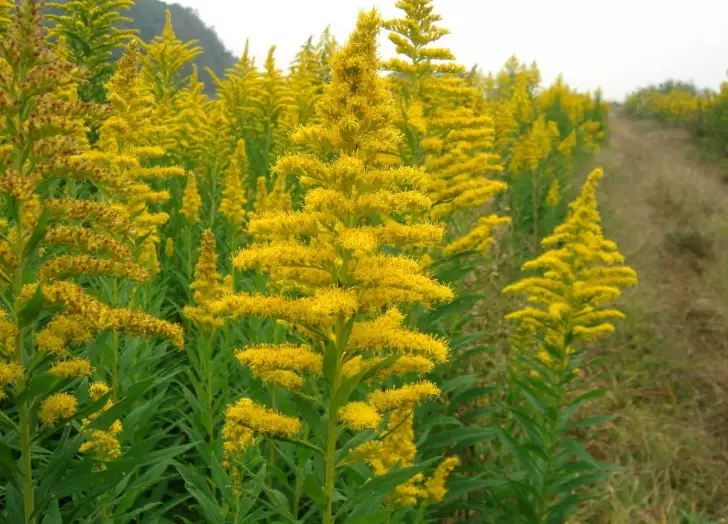
That's just the first misconception about Solidago, the plant's proper botanical name. This native perennial is one of the most misunderstood characters in the gardening and natural health world. It's been blamed for hay fever it doesn't cause, overlooked as a "weed," and yet secretly prized by herbalists and ecologists for decades. I remember the first time I learned the truth. I was complaining about the "goldenrod" making my eyes water, and a beekeeper friend just laughed. "You're pointing at the wrong guy," he said, nodding towards a much less showy, green-flowered plant nearby. That was ragweed. The goldenrod was just sitting there, being beautiful and useful, taking the blame.
The Big Myth: Goldenrod causes severe fall allergies. The Reality: Its pollen is heavy, sticky, and designed for insect pollination. It doesn't travel on the wind. The real villain is the inconspicuous ragweed, which releases vast amounts of lightweight, airborne pollen at the same time. The Lady Bird Johnson Wildflower Center has a great page explaining this common mix-up. It's a classic case of guilt by association.
So if it's not public enemy number one for allergy sufferers, what exactly is a goldenrod plant, and why should you care? Whether you're a gardener looking for a tough, pollinator-friendly native, someone interested in natural wellness, or just a curious soul who likes to know what's growing around them, there's a lot more to this plant than meets the eye. Its story involves history, ecology, and a surprising number of practical uses. Let's dig in.
What Exactly Is a Goldenrod Plant? Getting to Know Solidago
Goldenrod isn't just one plant. It's a huge genus—over 100 species strong, most of them native to North America. They're part of the vast Asteraceae family, which includes sunflowers, daisies, and yes, ragweed. But unlike its sneezy cousin, goldenrod is a true benefactor of the late-season ecosystem.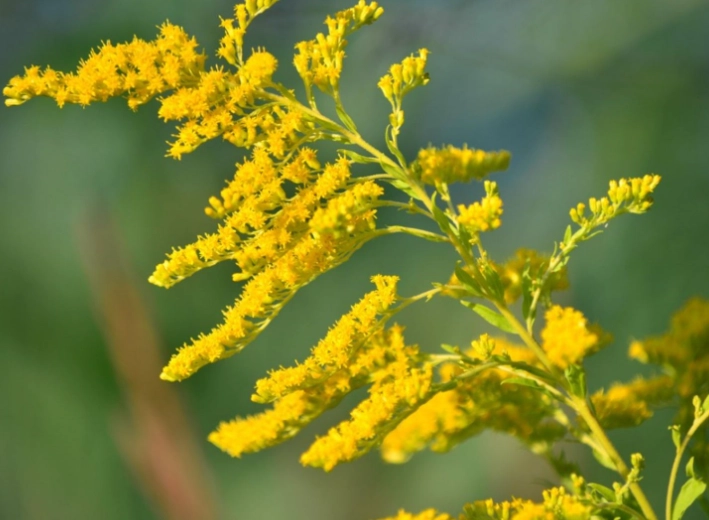
You can spot them by their trademark flower heads. Think of tiny, intricate golden-yellow flowers clustered together on arching or upright plumes. The leaves are usually slender, lance-shaped, and often have toothed edges. They're perennials, meaning they come back year after year from their roots, and they're ridiculously adaptable. You'll find them in prairies, meadows, woodlands, and even in some tough, dry soils where other plants give up.
Their blooming period is their grand finale. From late summer well into fall, they provide a critical last feast for pollinators. When most other flowers have called it quits, bees, butterflies, and beetles rely on goldenrod's nectar and pollen to fuel up before winter. This alone makes them a superstar in any wildlife garden. Watching a bumblebee clumsily lumber from one tiny golden flower to another on a cool autumn afternoon is one of my simple joys.
Why "Solidago"? The Latin name comes from "solidare," meaning "to make whole" or "to strengthen." This hints at its long historical use in traditional herbal practices, where it was believed to support the body's systems. It's a name that speaks to utility, not just beauty.
Not All Goldenrods Are Created Equal: A Look at Popular Species
This is where it gets interesting for gardeners. Picking the right Solidago species for your space is crucial because their habits can vary wildly. Some form well-behaved clumps, while others can spread enthusiastically via rhizomes (underground stems). Here’s a breakdown of some of the most common and garden-worthy types.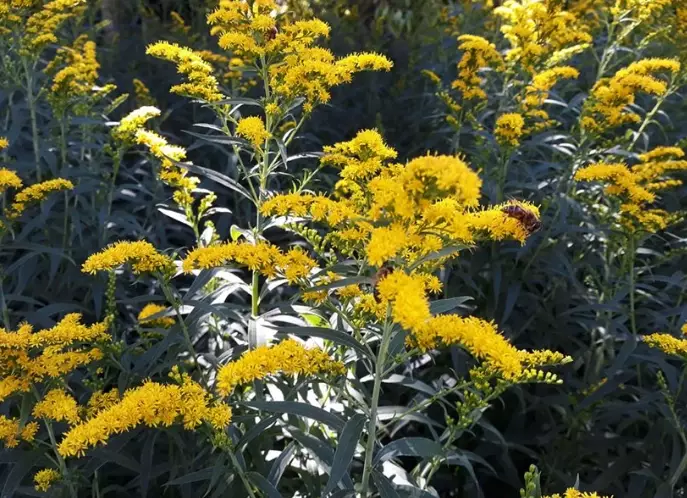
| Common Name & Species | Height & Form | Best For | My Personal Take |
|---|---|---|---|
| Showy Goldenrod (Solidago speciosa) | 3-5 ft, upright clumps | Back of borders, prairie plantings | Stunning vertical accent. Doesn't spread much. A real show-off, in the best way. |
| Stiff Goldenrod (Solidago rigida) | 2-5 ft, stiff, clump-forming | Dry soils, rock gardens | Incredibly tough. The leaves have almost a fuzzy, gray-green look. Very architectural. |
| Zigzag Goldenrod (Solidago flexicaulis) | 1-3 ft, stems zigzag | Woodland gardens, shade | One of the few that thrives in shade! Flowers form in the leaf axils, not a big plume. |
| Blue-Stemmed Goldenrod (Solidago caesia) | 1-3 ft, arching stems | Naturalistic plantings, part shade | Elegant and graceful. The stems have a purplish-blue bloom. Spreads gently. |
| Canada Goldenrod (Solidago canadensis) | 2-5 ft, spreads vigorously | Restoration projects, large meadows | Beautiful but aggressive. I'd only plant this if you have a big area to fill and don't mind it taking over. Not for small gardens. |
See what I mean? Choosing the right one makes all the difference.
If you're new to goldenrod, I'd steer you towards Solidago speciosa (Showy) or S. rigida (Stiff). They give you that iconic goldenrod look without the worry of them running amok. The Canada goldenrod plant (S. canadensis) is the one you often see dominating fields. It's fantastic for ecological restoration but can be a handful in a curated flower bed. I learned that the hard way when I planted it in a mixed border years ago. Let's just say it lived up to its vigorous reputation, and I spent a few seasons diplomatically relocating its offspring.
How to Grow Goldenrod Successfully (It's Easier Than You Think)
Here's the good news: goldenrods are generally low-maintenance, resilient plants. They've evolved to thrive in North American conditions. But "low-maintenance" doesn't mean "no maintenance." Giving them what they want means they'll look better and you'll have less work.
Sun, Soil, and the Perfect Spot
Almost all goldenrods are sun worshippers. Full sun (at least 6 hours) is ideal for the best flowering and most compact growth. Some, like the Zigzag, tolerate partial shade, but they might get leggy and flower less.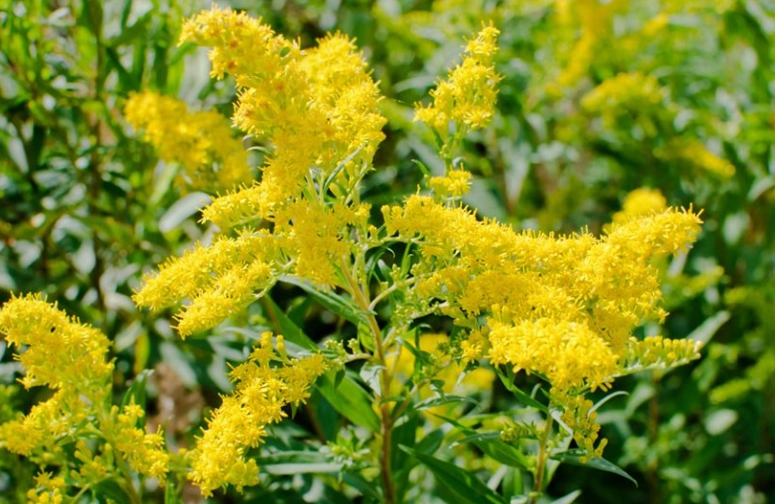
Soil is where they're flexible. They prefer well-drained soil but can handle a range from average garden loam to poorer, drier, even slightly rocky soil. The one thing they truly hate is "wet feet." Constantly soggy, waterlogged soil will lead to root rot. If you have heavy clay, consider raising the planting area or mixing in some gravel or sand to improve drainage. Honestly, neglect is often better than over-kindness with these plants. They don't need rich, pampered soil.
My Experience: I have a patch of Showy Goldenrod in a south-facing spot with pretty lean, sandy soil. I never water it, even in drought. It gets maybe one sprinkle of compost in early spring. Every August, it erupts in gold, standing tall while other plants around it might be looking stressed. It's a lesson in gardening self-sufficiency.
Planting, Watering, and That Question of Spreading
You can start goldenrod from seed, divisions, or nursery plants. Seeds need light to germinate, so just press them gently into the soil surface. Division in early spring or fall is the fastest way to get new plants. Simply dig up a clump, cut it into sections with a sharp shovel (each with some roots and shoots), and replant.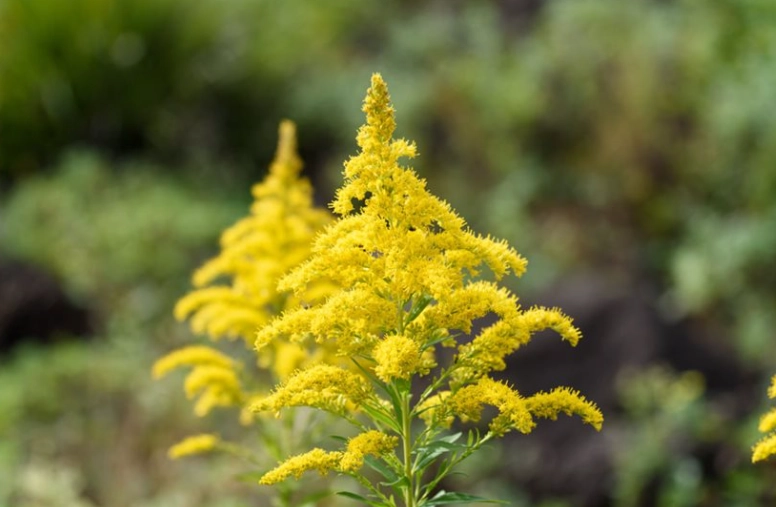
Water new plants regularly for their first season to help them establish. After that, they're remarkably drought-tolerant. In fact, overwatering is a more common mistake.
Now, about spreading. This is the number one concern I hear. The rhizomatous types (like Canada Goldenrod) spread underground. To manage this in a garden setting:
- Choose clump-forming species (see the table above!). This is the easiest solution.
- Plant them in an area with defined boundaries, like between a sidewalk and a lawn.
- Simply dig out any unwanted shoots that pop up in spring. It's not difficult—the young shoots are easy to pull or slice off with a trowel.
It's really not the invasive monster some make it out to be. It's a vigorous native plant doing what it's supposed to do. A little awareness goes a long way.
Beyond the Garden: Traditional and Modern Uses of Goldenrod
This is where the goldenrod plant transitions from a pretty face to a fascinating historical figure. For centuries, various cultures have used parts of the plant for purposes beyond ornamentation.
The leaves and flowers have a long history in folk herbal traditions, primarily in supporting the urinary system and as a soothing gargle. It's important to talk about this carefully. While historical use is well-documented, modern scientific research is ongoing. The National Institutes of Health's National Center for Complementary and Integrative Health provides science-based information on many botanicals, reminding us to approach traditional uses with both respect and critical thinking.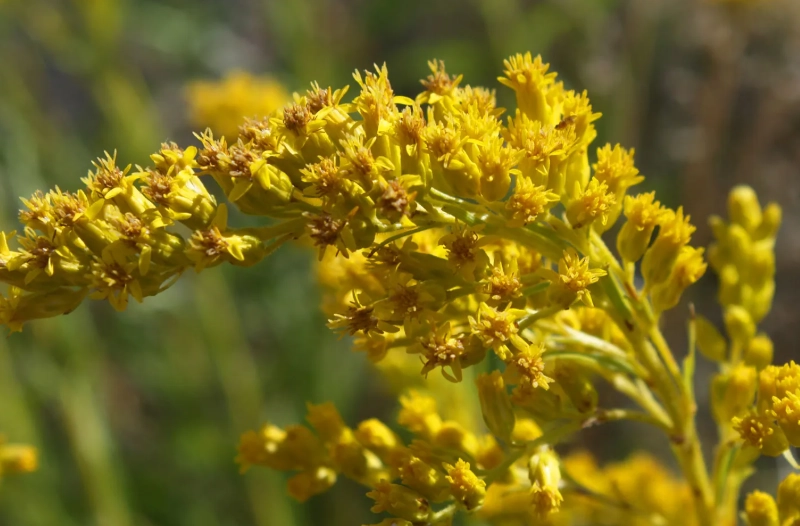
Some of the historical applications included:
- Topical Use: A tea made from the leaves was sometimes used as a wash for minor skin irritations.
- Dye Plant: The flowers yield beautiful yellows and golds on wool and fabric. I've experimented with this—you get a lovely, warm honey color.
- Latex Research: During World War II, research was conducted on certain goldenrod species (like Solidago leavenworthii) as a potential source of rubber. The Thomas A. Edison & Henry Ford Winter Estates in Florida even had experimental plots. It didn't become commercially viable, but it shows how the plant was scrutinized for utility.
Critical Disclaimer: This information is for historical and educational interest only. It is not medical advice. Goldenrod can interact with certain medications (like diuretics or lithium) and is not suitable for everyone, especially those with certain health conditions or who are pregnant/nursing. You must consult a qualified healthcare professional before using any plant internally. Always be 100% certain of your plant identification.
For me, its most undeniable modern use is as an ecological powerhouse. It's a keystone species for fall pollinators. The Xerces Society for Invertebrate Conservation, a leading authority on pollinator protection, lists Solidago species as high-value plants for supporting bees and butterflies. Planting goldenrod is a direct action you can take to support local biodiversity. That's a tangible benefit anyone can get behind.
Goldenrod in Your Garden Design: Making It Work
Okay, so you're convinced to try a goldenrod plant. But what do you put with it? That brilliant yellow can be bold. The key is thoughtful pairing.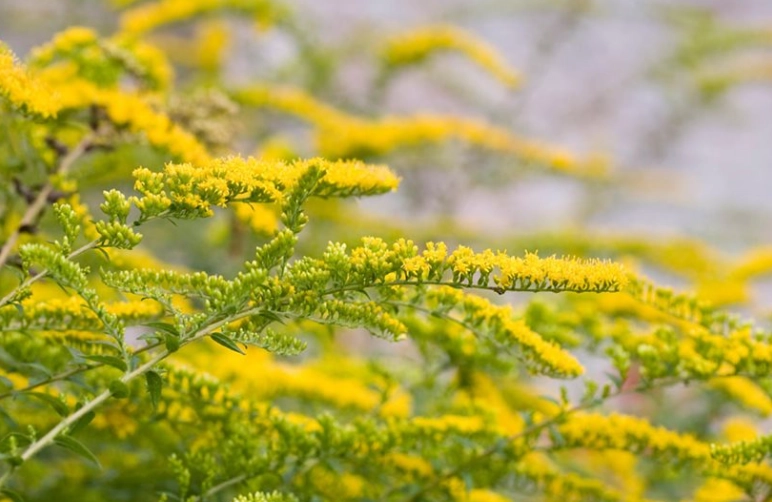
Think about contrast in shape, texture, and color. The vertical wands of goldenrod look amazing against:
- Ornamental Grasses: The soft, flowing forms of Switchgrass (Panicum) or Little Bluestem (Schizachyrium) are perfect companions.
- Late Asters: Purple or white New England Asters (Symphyotrichum novae-angliae) create a classic autumnal color combo. The purple and gold just sings.
- Joe-Pye Weed: For a massive, dramatic effect, pair with the dusky pink blooms of Joe-Pye Weed. They bloom around the same time and both attract clouds of insects.
- Sedums: The fleshy, succulent leaves of autumn sedums (like 'Autumn Joy') provide great textural contrast at the front of a border.
You can also lean into a monochromatic scheme. Pair different goldenrod species with other yellow fall bloomers like helianthus or rudbeckia for a stunning, sunlit effect. The Missouri Botanical Garden's plant finder is an excellent resource for finding compatible native companions based on your region.
Don't be afraid to cut it for arrangements, either. It lasts surprisingly well in a vase.
Frequently Asked Questions (The Stuff You're Actually Searching For)
Wrapping Up: Should You Plant Goldenrod?
Look, the goldenrod plant isn't for every single garden situation. If you have a tiny, formal knot garden, maybe not. But for anyone interested in sustainable gardening, supporting wildlife, adding resilient late-season color, or just embracing beautiful native plants, it's an absolute winner.
It asks for little: some sun, decent drainage, and maybe a little understanding about its growth habits. In return, it gives you a spectacular show when other plants are fading, supports the ecosystem, and connects you to a piece of botanical history. It's a plant with character, one that shrugs off blame and just gets on with the important work of being useful and beautiful.
My advice? Start with one of the well-behaved, clump-forming types. Plant it, watch the bees and butterflies discover it, and enjoy the fact that you're not just growing a flower—you're growing a habitat. You might just find that this misunderstood goldenrod plant becomes one of the most valuable players in your garden.
And the next time someone complains about it causing their allergies, you can smile and tell them the real story.