Quick Navigation
- What Exactly Is a Canna Plant, Anyway?
- Getting Started: Your Planting Playbook
- The Ongoing Care: It's Easier Than You Think
- Top Troubleshooting: What's Going Wrong with My Cannas?
- Popular Canna Varieties: A Quick Comparison
- The End-of-Season Ritual: Overwintering Your Cannas
- Spring Revival: Dividing and Conquering
- Canna Plant FAQ: Quick Answers to Burning Questions
- Final Thoughts: Are Cannas Worth the Effort?
Let's be honest. You've probably seen those dramatic, tropical-looking plants with the huge leaves and fiery flowers at a botanical garden or a fancy neighbor's yard and thought, "No way could I keep that alive." I thought the exact same thing. My first attempt with a canna plant years ago ended in a sad, mushy rhizome buried in a pot that stayed too wet. But here's the secret I learned the hard way: cannas aren't delicate divas. Once you get a few key things right, they're practically bulletproof and will reward you with a spectacle from early summer straight through to frost.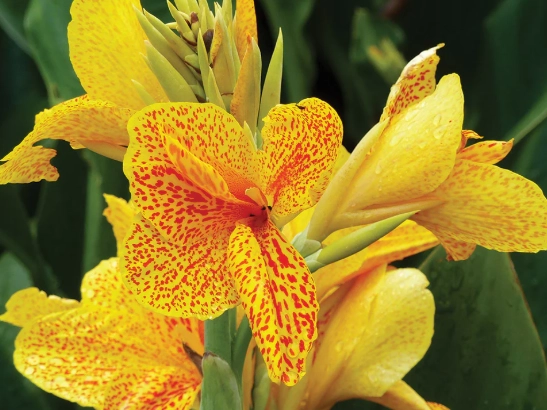
This isn't just another generic plant care sheet. We're going to dig into the nitty-gritty of what makes these plants tick, based on real experience and the science-backed info gardeners actually trust. Whether you call them canna lilies (though they're not true lilies at all), Indian shot, or just cannas, the goal is the same: to get those stunning blooms in your space without the headache.
What Exactly Is a Canna Plant, Anyway?
Before we get our hands dirty, it helps to know what you're dealing with. Cannas are herbaceous perennials, meaning their leaves and stems die back when it gets cold, but their underground storage system—the rhizome—lives on to regrow next season. They're native to tropical and subtropical regions of the Americas, which explains their love for warmth and sun.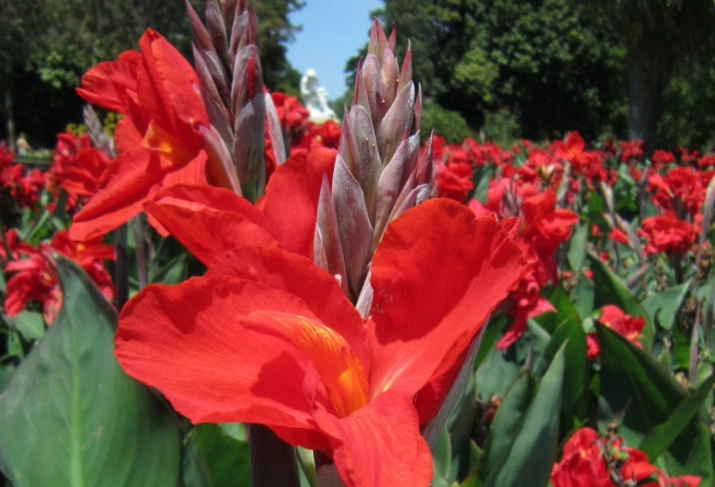
The "lily" nickname is pure marketing, a nod to their flower shape. Botanically, they're in their own family, Cannaceae. The flowers come in a wild array of colors—red, orange, yellow, pink, peach, and even bi-colors. But for many gardeners, the foliage is the real star. You can find leaves in shades of deep burgundy, vibrant green, striped with yellow, or even a near-black purple. It's architectural. It's bold. It makes a statement even before the first bloom opens.
Getting Started: Your Planting Playbook
This is where most failures happen, and it's almost always about timing and placement. Cannas need warmth, from their toes to their noses.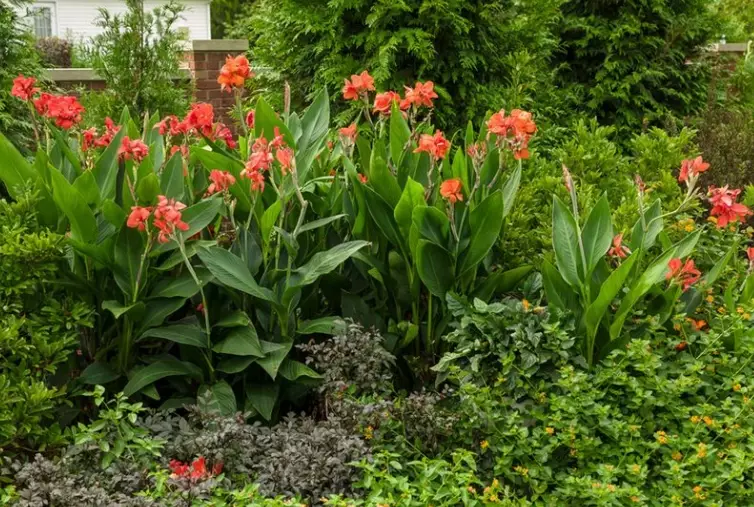
When to Plant Those Rhizomes
Patience is key. Planting a canna rhizome in cold, soggy spring soil is a death sentence. You want to wait until the soil has warmed up reliably, similar to when you'd plant tomatoes or peppers. For most areas, this is after your last spring frost date. A good rule of thumb? When you can comfortably walk barefoot on the soil, it's probably warm enough.
Don't rush it.
If you're itching to get a head start, you can sprout the rhizomes indoors in pots 4-6 weeks before your last frost. Use a light potting mix, lay the rhizome horizontally, and just barely cover it. Give it warmth and light, and you'll have a little head start to plant out later.
The Goldilocks Zone: Sun, Soil, and Space
Sun: Full sun. At least 6-8 hours of direct sun. They'll tolerate a bit of light afternoon shade in scorching climates, but less sun means fewer flowers and floppier stems. It's non-negotiable for good performance.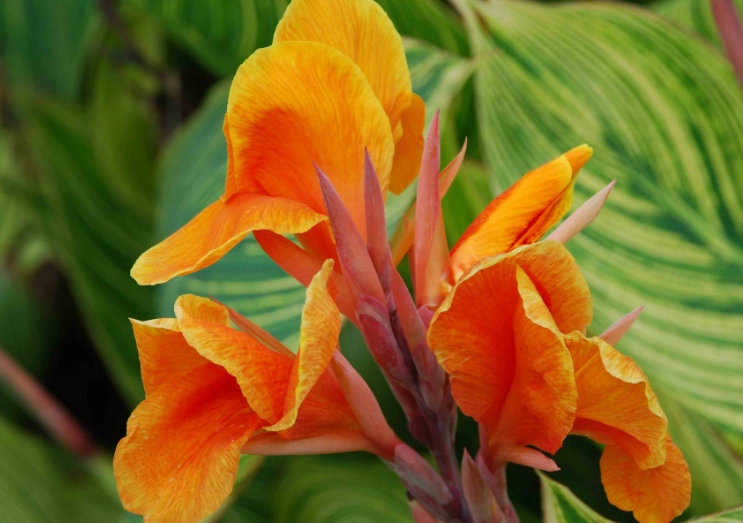
Soil: This is crucial. Cannas like rich, fertile soil that holds moisture but drains *exceptionally* well. Think "moist cake," not "soggy swamp." If you have heavy clay, you must amend it. I mix in a generous amount of compost and some coarse sand or even perlite to open it up. Good drainage prevents the rhizome from rotting, which is enemy number one.
Space & Depth: Plant the rhizome about 3 to 4 inches deep. Eyes (the little pinkish growth buds) facing up. Spacing depends on the variety—dwarf types might be happy 12 inches apart, but the big, bold ones can need 18 to 24 inches to spread out without crowding each other. Crowding leads to poor air circulation and, you guessed it, potential disease.
The Ongoing Care: It's Easier Than You Think
Once established, a canna plant is surprisingly low-maintenance. The core of canna plant care revolves around three things: water, food, and a little deadheading.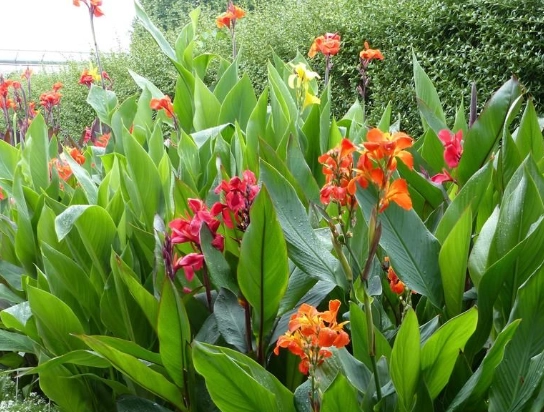
Watering Wisdom
They like consistent moisture, especially during the heat of summer when they're growing and blooming like crazy. A deep watering once or twice a week is far better than daily sprinkles. Deep watering encourages the roots to grow downward, creating a more drought-resilient plant. Stick your finger in the soil. If the top inch or two is dry, it's time to water.
Container-grown cannas are thirstier and will likely need watering every other day in peak heat. A self-watering pot or a thick layer of mulch on top can be a lifesaver here.
Feeding for Fabulous Flowers
Cannas are heavy feeders. That lush growth and prolific blooming takes energy. I feed mine three times a season: at planting time, when the first flower spikes appear, and again about mid-summer. A balanced, water-soluble fertilizer works well. Some gardeners swear by a fertilizer with a slightly higher phosphorus number (the middle number in NPK, like 5-10-5) to promote blooms, but I've had great results with a balanced blend. Over-fertilizing, especially with high nitrogen, can give you all leaves and no flowers.
The Simple Art of Deadheading
Don't be intimidated. Once a flower cluster finishes blooming and starts to look ratty, just follow the flower stem down to the next set of leaves or the next side shoot, and snip it off. This tells the plant to put energy into the next round of blooms instead of making seeds. It keeps the plant looking tidy and can extend the flowering season significantly.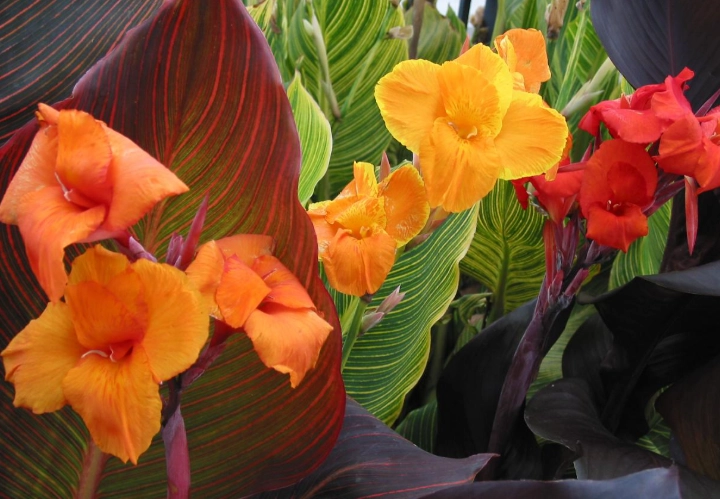
Top Troubleshooting: What's Going Wrong with My Cannas?
Even with the best care, sometimes things go sideways. Here are the most common issues and, more importantly, how to fix them.
No Flowers: The big three culprits are: 1) Not enough sun. 2) Too much nitrogen fertilizer (all leaves, no party). 3) The rhizome was planted too deep. Check these first.
Chewed Leaves: The usual suspects are caterpillars, like the larvae of the Canna Leafroller moth. They roll the leaves up and munch inside. You can pick them off by hand if it's a small infestation. For larger problems, Bacillus thuringiensis (Bt) is an effective, organic bacterial spray that targets caterpillars specifically.
Rusty Orange Spots (Canna Rust): A fungal disease that looks like, well, rust on the leaves. It thrives in wet, humid conditions with poor air flow. Improve spacing, water at the base of the plant (not overhead), and remove badly infected leaves. Fungicides can help in severe cases, but prevention through good practices is best.
Popular Canna Varieties: A Quick Comparison
With hundreds of cultivars, choosing can be overwhelming. This table breaks down some of the most reliable and popular ones to help you decide.
| Variety Name | Flower Color | Foliage Color | Height | Best For |
|---|---|---|---|---|
| 'Tropicanna'/'Phasion' | Orange | Striped (Green, Pink, Yellow, Red) | 4-6 ft | Dramatic focal point, containers |
| 'Australia' | Deep Red | Dark Burgundy/Black | 3-4 ft | High contrast, "dark garden" themes |
| 'Pretoria' (Bengal Tiger) | Orange | Green with Yellow Stripes | 5-6 ft | Tropical look, back of borders |
| 'Cleopatra' | Red & Yellow (spotted) | Green, sometimes streaked | 3-4 ft | Unique, speckled flowers |
| 'City of Portland' | Salmon Pink | Blue-Green | 3-4 ft | Softer color schemes, containers |
| 'Stuttgart' | Coral Orange | Green with White Variegation | 3-4 ft | Brightening shady corners (with morning sun) |
The End-of-Season Ritual: Overwintering Your Cannas
Unless you live in a frost-free zone (USDA zones 8-11), you'll need to bring your canna rhizomes in for the winter. It sounds fancy, but it's just a bit of simple storage.
- Wait for the Frost: After the first frost blackens the foliage, cut the stems back to about 4-6 inches.
- Dig Carefully: Use a garden fork to gently lift the clump of rhizomes from the soil. Try not to slice through them.
- Clean and Dry: Shake off most of the soil. Let the clump dry in a garage or shed for a few days. Don't wash them—the goal is to let them cure and the skin to toughen slightly.
- Store: You can store the whole clump, or you can gently divide it, making sure each division has at least one eye (more on dividing below). Place them in a box or crate filled with barely-moist peat moss, vermiculite, or even just dry shredded paper. The medium should be just enough to prevent them from shriveling, not wet.
- Find the Right Spot: Store the box in a cool, dark place where temperatures stay between 40-50°F (4-10°C). A basement, unheated garage, or crawl space often works. Check once a month for any signs of mold or excessive shriveling.
My Storage Fail (So You Don't Have To)
One year, I was overly cautious about them drying out. I made the peat moss too damp. By February, half my collection was a moldy, rotten mess. The next year, I erred on the side of too dry—the rhizomes shriveled into little rocks and were slow to sprout. The sweet spot is truly "barely moist." Think of the dryness of a cracker that's been out of the package for a day, not a fresh-baked loaf of bread.
Spring Revival: Dividing and Conquering
This is the fun part and the secret to free plants. Every few years, your canna clump will get crowded. In spring, when you take the rhizomes out of storage, you'll see a tangled mass. Look for the plump, firm sections with distinct pinkish eyes.
You can break them apart by hand if they're loose, or use a clean, sharp knife to cut between eyes. Each viable division should have at least 2-3 eyes. Let the cut surfaces dry for a day before planting to callus over and prevent rot. Now you have two, three, or even ten new plants to spread around your garden or share with friends.
Canna Plant FAQ: Quick Answers to Burning Questions
Final Thoughts: Are Cannas Worth the Effort?
If you want a low-care, high-impact plant that fills space quickly and delivers months of color, then yes, a hundred times yes. The initial learning curve—planting warm, ensuring good drainage, and storing properly—is the main hurdle. After that, they ask for so little and give back so much.
They're perfect for creating a privacy screen, adding a tropical vibe to a patio, or just being the bold centerpiece your flower bed has been missing. Start with one easy variety like 'Lucifer' (scarlet red flowers, green foliage) or a dwarf type for a container. Get that one success under your belt.
You'll be hooked.
The sight of those first exotic flower spikes pushing up through the broad leaves never gets old. It's a little slice of the tropics, no matter where you garden. And now you have the real-world guide, with all the tips and warnings I wish I'd had, to make it happen. So go find a canna plant that speaks to you, get that soil nice and fluffy, and get ready for a spectacular show.