Quick Guide
Let's talk about ferns. You've probably seen them—those lush, green, feathery things filling the corner of a dim living room or spreading like a carpet under the trees in a forest. But if you think that's all there is to it, you're in for a surprise. The world of ferns is massive, ancient, and surprisingly diverse. I remember picking up my first Boston fern years ago, thinking it would be an easy, low-maintenance friend. It promptly turned brown and crispy within a month. That was my harsh introduction to the fact that not all types of ferns are created equal, and they certainly don't all want the same thing.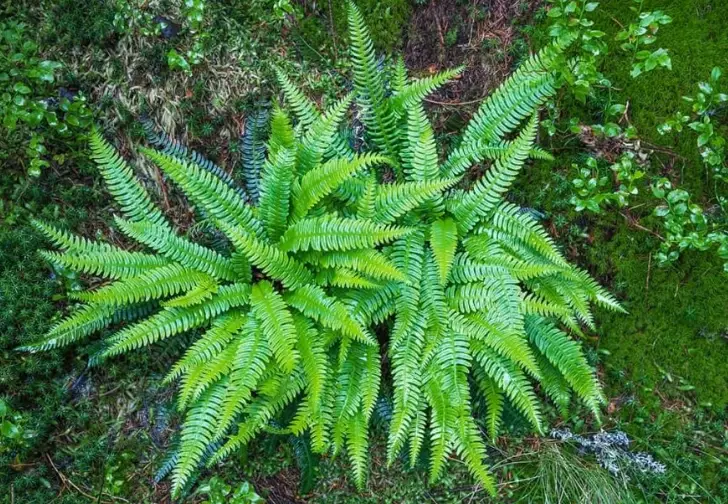
This guide is the one I wish I'd had. We're going to move beyond just "ferns" and dive deep into the specific types of ferns you can actually bring into your home and garden. We'll look at the tough survivors that forgive your forgetful watering, the dramatic statement pieces that become the focal point of a room, and the elegant outdoor varieties that can transform a shady garden spot. I'll also share the mistakes I've made along the way, so maybe you can skip the crispy fern phase altogether.
What Even Is a Fern, Anyway?
Before we get lost in the beautiful varieties, let's clear something up. Ferns are like the dinosaurs of the plant world—they've been around for over 360 million years, way before flowers existed. They don't produce seeds or flowers. Instead, they reproduce through tiny, dust-like spores, usually found in little clusters (called sori) on the underside of their leaves, or fronds. This is a key thing to look for when you're trying to figure out if a plant is a fern or just looks like one.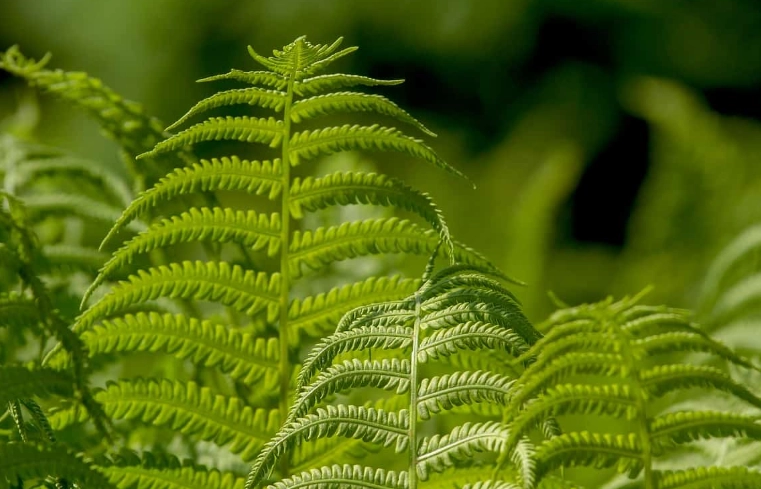
Their life cycle is a two-step process that still blows my mind. It involves a sporophyte (the big, leafy plant we recognize) and a separate, tiny, heart-shaped plant called a gametophyte. You'll almost never see the gametophyte in cultivation, but it's a cool bit of trivia that explains why propagating ferns from spores is a patient gardener's game.
Ferns come in an insane range of shapes and sizes. We're talking about everything from tiny, delicate filigree fronds that wouldn't cover your palm to massive tree ferns that tower over you in tropical forests. This diversity is what makes exploring different types of ferns so rewarding. There's literally one for almost every situation, if you know what to look for.
Indoor Ferns: Bringing the Forest Inside
This is where most of us start our fern journey. The goal here is simple: find a plant that thrives in the conditions our homes naturally provide (often lower light and drier air than a fern's ideal rainforest floor) and doesn't throw a fit.
Let's be real, not all ferns are cut out for indoor life. Some will simply sulk. The ones listed here are the proven performers, the types of ferns that have earned their place on shelves and hanging baskets around the world.
Top 5 Indoor Ferns You Can't Go Wrong With
If you're new to ferns, start here. These are the workhorses, the forgiving friends.
The Boston Fern (Nephrolepis exaltata 'Bostoniensis'): The classic. This is probably the image that pops into your head. Long, graceful, arching fronds that are perfect for a hanging basket. It's popular for a reason—it's relatively adaptable. It loves humidity, so a bathroom with a window is heaven for it, but it can tolerate average home humidity better than some. Just don't let it dry out completely. My first one died because I treated it like a succulent. Don't be me.
The Maidenhair Fern (Adiantum): The beauty with an attitude. Its delicate, almost black stems fan out into clusters of tiny, bright green leaflets. It's stunning. It's also notoriously finicky about moisture. The soil needs to be consistently moist (not soggy!), and the air around it needs to be humid. A pebble tray is a must. I've killed two. I'm on my third, and we've reached an understanding thanks to a small humidifier parked nearby.
The Bird's Nest Fern (Asplenium nidus): This one breaks the mold. Instead of feathery fronds, it has broad, shiny, solid leaves that grow in a circular rosette that looks like—you guessed it—a bird's nest. It's architectural and modern. It's also one of the best ferns for lower humidity environments. It doesn't like wet soil in its crown (the center), so water around the edges of the pot. A truly unique type of fern that adds a different texture to your collection.
The Blue Star Fern (Phlebodium aureum): A personal favorite. The fronds are a beautiful blue-green color with a slightly wavy, finger-like shape. It has a creeping rhizome that grows along the surface of the soil, which looks really cool. It's surprisingly drought-tolerant for a fern and handles low light like a champ. It's my top recommendation for someone who wants a fern but is nervous about high maintenance.
The Rabbit's Foot Fern (Davallia fejeensis): The conversation starter. This fern is famous for its fuzzy, brown, creeping rhizomes that spill over the edge of the pot, looking exactly like a rabbit's foot (or a tarantula's leg, depending on your perspective). The fronds are lacy and lovely. The cool part? Those fuzzy rhizomes absorb water and humidity, making this fern more forgiving if you forget a watering. Let them crawl free—don't bury them.
The Statement Makers: Unusual Indoor Ferns
Once you've got the basics down, you might want something with more drama. These types of ferns are less common but utterly captivating.
Staghorn Fern (Platycerium): This is an epiphyte, meaning in nature it grows on trees, not in soil. You mount it on a board or hang it in a basket with sphagnum moss. It has two types of fronds: sterile, flat "shield" fronds that clasp the mount, and spectacular, antler-like fertile fronds that hang down. Watering involves soaking the entire mount. It's a commitment, but having a living piece of wall art is worth it.
Crocodile Fern (Microsorum musifolium): The name says it all. The large, leathery leaves have a raised, reptilian texture that looks exactly like crocodile skin. It's a slow grower and needs consistent warmth and humidity, but it's an absolute show-stopper. Not for beginners, but a fantastic goal plant.
Outdoor Ferns: Mastering the Shady Garden
If you have a shady, damp spot in your garden where grass struggles and sun-loving plants sulk, congratulations—you have prime fern real estate. Outdoor types of ferns are the ultimate solution for these tricky areas, creating layers of texture and cool green beauty.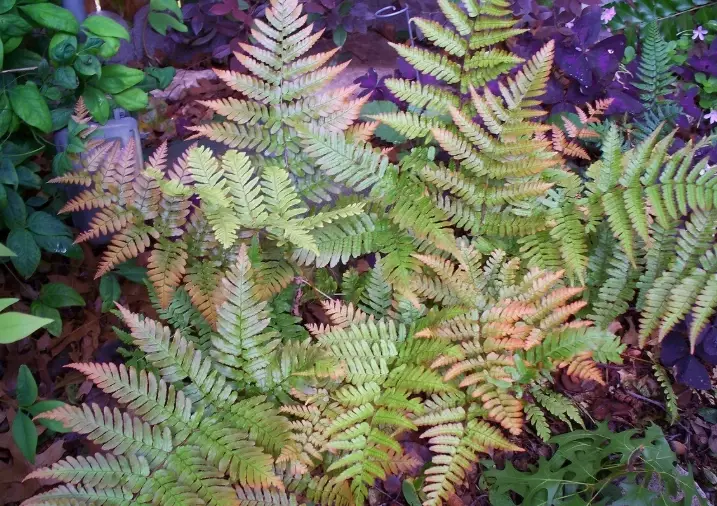
The key with outdoor ferns is matching the plant to your climate's hardiness zone. Some are tough as nails and survive frozen winters, while others are strictly for warm, frost-free gardens.
Top 5 Hardy Outdoor Ferns (For Cooler Climates)
These ferns will die back in winter and re-emerge faithfully each spring, getting bigger and better every year.
Ostrich Fern (Matteuccia struthiopteris): The king of the hardy ferns. It forms majestic, vase-shaped clumps of tall, feathery fronds that can reach 4-6 feet. It looks prehistoric and magnificent. It spreads via underground runners, so give it space or be prepared to manage it. The young, tightly coiled fronds (fiddleheads) are even a edible delicacy in spring. A truly spectacular type of fern for a woodland garden.
Japanese Painted Fern (Athyrium niponicum var. pictum): Valued for its stunning color, not just its form. The fronds are a silvery-gray with accents of burgundy and green. It lights up a dark corner like nothing else. It stays more compact, usually under 2 feet, and forms neat clumps without spreading aggressively. It's one of the most popular garden ferns for good reason.
Lady Fern (Athyrium filix-femina): A delicate, lacy counterpart to the bolder ferns. It has bright green, finely divided fronds that create a soft, feathery texture. It's adaptable and easy to grow in moist, shady conditions. There are many cultivars with different frond structures, so you can find one that's perfect for your aesthetic.
Christmas Fern (Polystichum acrostichoides): An evergreen fern in many climates. Its dark green, leathery fronds stay standing through mild winters, providing crucial garden interest when everything else is dormant. The name comes from the fact that its fronds were traditionally used for Christmas decorations. It's tough, drought-tolerant once established, and forms very tidy clumps.
Cinnamon Fern (Osmundastrum cinnamomeum): This one offers two shows. In spring, it produces tall, fertile fronds covered in cinnamon-colored spores that stand upright in the center of the plant. These are surrounded by a circle of taller, sterile green fronds. It loves wet, boggy soil and is perfect for the edge of a pond or stream.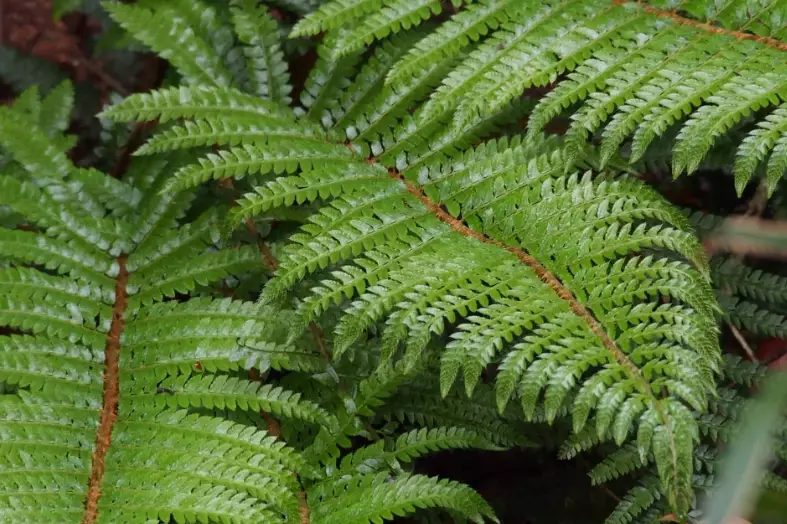
| Fern Type | Best For | Light Needs | Key Care Tip | Hardiness (USDA) |
|---|---|---|---|---|
| Boston Fern | Hanging baskets, bathrooms | Bright, indirect light | Keep soil consistently moist, loves humidity | Indoor / Zones 9-11 |
| Bird's Nest Fern | Low-humidity homes, tabletop | Low to medium indirect light | Water soil, avoid wetting the crown | Indoor / Zones 11-12 |
| Ostrich Fern | Woodland gardens, damp areas | Full to part shade | Needs space, spreads by runners | Zones 3-7 |
| Japanese Painted Fern | Color accent in shade gardens | Part to full shade | Well-draining but moist soil | Zones 4-9 |
| Maidenhair Fern | Humid terrariums or greenhouses | Bright, indirect light | Never let soil dry out, high humidity critical | Indoor / Varies by species |
Ferns for Warm Climates & Tropical Gardens
If you live where frost is a rare visitor, a whole other world of fern types opens up.
Kimberly Queen Fern (Nephrolepis obliterata): Think of this as a more upright, tidy, and sun-tolerant cousin of the Boston fern. Its fronds grow more vertically, so it's less messy, and it can handle more direct morning sun. It's fantastic in pots on a shaded patio.
Australian Tree Fern (Cyathea cooperi): This is the one that creates instant jungle vibes. It forms a tall, slender trunk topped with a canopy of large, spreading fronds. It needs protection from wind, consistent moisture, and warm temperatures. It's a commitment, but it's the ultimate architectural fern.
For authoritative information on fern classification and biology, resources like the Royal Horticultural Society's fern guide are invaluable. They provide a solid scientific backbone to the hobbyist knowledge.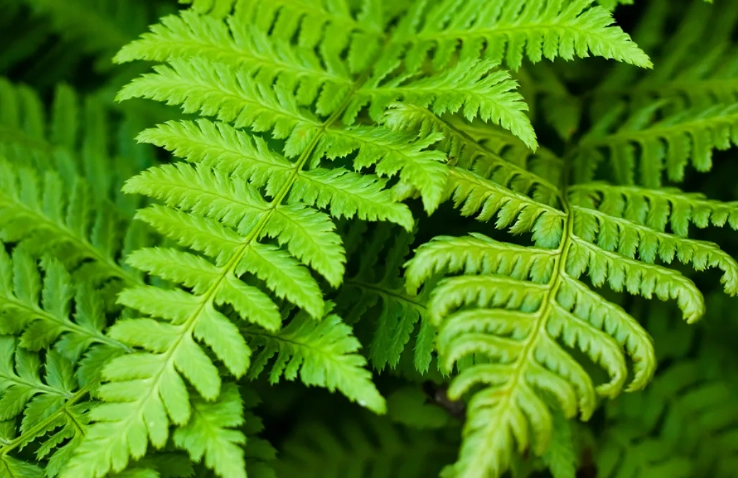
How to Pick the *Right* Type of Fern For You
This is the decision-making part. Walking into a nursery and seeing twenty different green, leafy plants can be overwhelming. Ask yourself these questions:
Where will it live? (Indoor windowsill? Dark bathroom corner? Shady garden bed? Hanging on a wall?) This dictates light and space.
What's your climate like? Check your USDA Hardiness Zone if planting outside. Don't waste money on a tender fern that will die in the first frost.
How much of a plant parent are you? Be honest. If you're forgetful, start with a Blue Star or Rabbit's Foot fern, not a Maidenhair. If you love a daily ritual, you can handle the divas.
What's your aesthetic? Do you want soft and feathery (Lady Fern), bold and architectural (Bird's Nest), or something truly weird and wonderful (Staghorn)?
The Non-Negotiable Fern Care Guide
Once you've chosen your fern, keeping it alive comes down to a few core principles. Get these right, and most types of ferns will thrive.
Light: The Golden Rule
Almost without exception, ferns are shade plants. Their natural habitat is the forest floor, dappled with light. Bright, indirect light is the sweet spot. A north or east-facing window is perfect. A south or west window needs a sheer curtain to diffuse the harsh rays.
Direct sun is the fastest way to scorch fern fronds, leaving them with ugly brown or yellow patches. If your fern is pale, leggy, and not growing, it might need a tad more light. If it's crispy and bleached, it's getting too much.
Water & Humidity: The Tricky Balance
This is where most people, including past-me, fail. Ferns generally like their soil to be consistently moist, but never waterlogged. Think of a well-wrung-out sponge. Stick your finger an inch into the soil. If it feels dry, it's time to water. Use room-temperature water if you can.
Humidity is the secret sauce.
Our homes are deserts compared to a fern's rainforest home. Low humidity leads to brown leaf tips and general unhappiness. How to fix it?
- Group plants together: They create their own microclimate.
- Use a pebble tray: Fill a tray with pebbles and water, set the pot on top (not in the water).
- Run a humidifier: The single most effective solution, especially in winter.
- Mist lightly: A temporary boost, but don't rely on it alone. Avoid misting ferns with fuzzy fronds (like some Polystichum).
Soil & Food
A well-draining potting mix is crucial to prevent root rot. A standard potting mix with added perlite and orchid bark works well. For outdoor ferns, amend clay soil with lots of compost to improve drainage and fertility.
Ferns aren't heavy feeders. A balanced, diluted liquid fertilizer once a month during the growing season (spring and summer) is plenty. Less is more. Over-fertilizing can burn their roots and distort new growth.
Questions You're Probably Asking (FAQ)
Wrapping It Up
So there you have it. The world of ferns is far more than just one generic green plant. From the easy-going Boston fern to the dramatic Staghorn, from the hardy Ostrich fern in your garden to the colorful Japanese Painted fern, there's a type of fern for virtually every shady nook and curious plant lover.
The trick is to match the plant to your conditions and your commitment level. Start with something forgiving, master the basics of consistent moisture and humidity, and then branch out. Don't be discouraged by a few brown fronds—it happens to everyone. Just snip them off and adjust your care.
Exploring different types of ferns is a journey that adds layers of texture, history, and serene beauty to your space. It connects you to a lineage of plants that watched the dinosaurs come and go. And that's a pretty cool thing to have in your living room.
Now go find your perfect fern.