快速导览
- So, What Exactly Is a Primrose Perennial?
- The Big Decision: Choosing Your Primrose Perennial Variety
- How to Plant and Care for Your Primrose Perennial
- Designing with Primrose Perennials: Beyond the Basic Border
- Frequently Asked Questions (The Stuff You Actually Search For)
- Wrapping It Up: Is a Primrose Perennial Right for You?
Let's talk about the plant that basically throws a party in your garden when everything else is still half-asleep. I'm talking about primroses, the perennial kind. You know, the ones that don't just give you a flash of color one year and then call it quits. These little troopers pack up their bags after blooming, take a nap underground, and then show up again next spring, ready to do it all over again. It's like having a reliable friend who always brings the good snacks.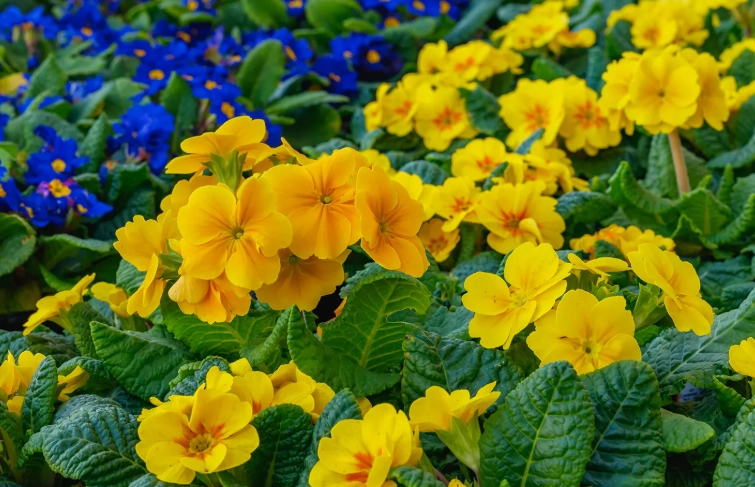
I remember the first time I planted a primrose perennial. It was a sad-looking little thing from a clearance rack, and I didn't have high hopes. But come February of the next year, there it was—a bright, cheerful yellow flower poking through the last bit of frost. That's the magic of these plants. They're resilient, they're early, and they fill that awkward gap in the garden calendar when you're desperate for any sign of life.
But here's the thing. Not all primroses are created equal, and calling something a "primrose perennial" can cover a lot of ground. Some are tough as nails, others are a bit more diva-like about their conditions. Some spread happily to form a carpet, others prefer to stay in a polite clump. If you've ever killed one (guilty as charged), it's probably because you didn't know which kind you had or what it really wanted.
So, What Exactly Is a Primrose Perennial?
Okay, let's get our terms straight, because this is where confusion starts. "Primrose" is a common name that gets slapped on a few different plants. When gardeners and plant nerds talk about a true primrose perennial, they're usually referring to plants in the genus Primula. These are the classic ones. The ones with the rosette of crinkly leaves and the clusters of flowers on stalks that rise above the foliage.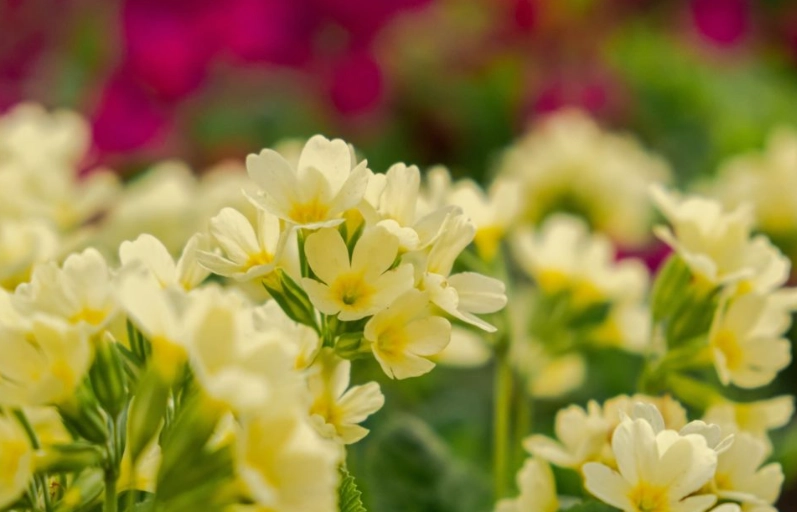
They're herbaceous perennials, meaning the leafy part above ground dies back when it gets hot in summer or cold in winter, but the roots and crown (that knobby bit at the base) are alive and well underground, waiting for the right conditions to send up new growth. This is different from annuals, which complete their whole life cycle in one season, and from biennials, which take two years.
The perennial nature is the key. You're not buying a disposable bouquet for your garden bed. You're establishing a resident. This means thinking a bit more long-term about where you put it and how you treat it.
The Big Decision: Choosing Your Primrose Perennial Variety
This is the fun part, and also the part where you can make a big mistake if you just grab the prettiest pot at the nursery. Different primrose perennial varieties have different personalities and needs. Picking the right one for your specific spot is 90% of the battle for success.
Here’s a breakdown of some of the most common and reliable types you'll encounter. I've killed or struggled with a few of these, so I'll give you the real talk, not just the glossy brochure version.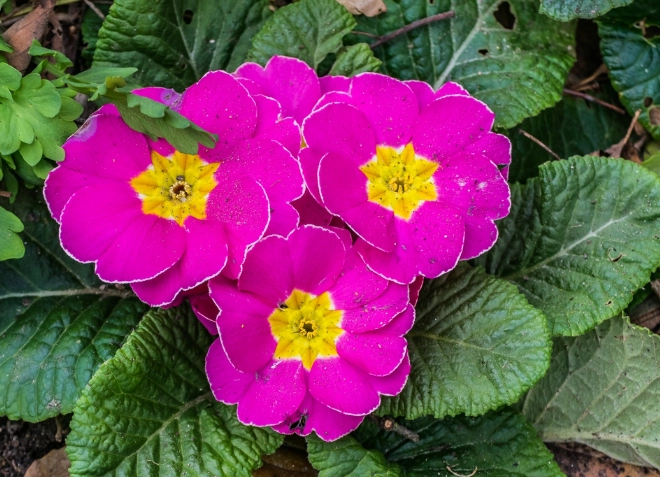
Common Primrose (Primula vulgaris)
This is the classic. Pale yellow flowers, sometimes with a darker center. It's the one you see naturalized in woodlands. Super tough once established. It loves dappled shade and cool, moist soil. If you have a spot under deciduous trees, this is a prime candidate. It can handle more sun in spring before the trees leaf out. My only gripe? Slugs think it's a five-star restaurant. You'll need to be vigilant.
Polyanthus Primrose (Primula x polyantha)
These are the show-offs. The ones you see in every garden center in early spring with huge, flat clusters of flowers in every color imaginable—bi-colors, tri-colors, you name it. They're often treated as annuals, but many are actually hardy perennials. The catch? They're often bred for flower power, not necessarily long-term toughness. I find they can be short-lived (maybe 2-3 years) unless conditions are absolutely perfect: rich, consistently moist soil, good drainage, and protection from harsh afternoon sun. Don't expect them to naturalize like the common primrose.
Candelabra Primroses (Primula beesiana, bulleyana, etc.)
These are the architectural ones. They send up tall, tiered flower stalks (like a candelabra) in stunning shades of orange, pink, purple, and yellow. They look spectacular planted in groups near a stream or pond because they are moisture lovers. I mean, they'll thrive in soil that's just shy of soggy. If you have a dry, sandy garden, these will break your heart. But if you have a damp spot, they are utterly magnificent and will often self-seed politely.
Drumstick Primrose (Primula denticulata)
This one is hard to miss. It produces a perfect, spherical ball of flowers on a single stout stem, in shades of lilac, purple, or white. It emerges very early, often with the flower bud already formed, pushing through the soil like a little alien orb. It's surprisingly tough and does well in sun or part shade, as long as the soil doesn't dry out completely in summer. A real conversation starter.
| Variety | Best For | Flower Power | Key Need (Don't Skip This!) | My Personal Experience |
|---|---|---|---|---|
| Primula vulgaris | Naturalizing in woodland, shady borders | Delicate, early, cheerful | Cool, humus-rich soil; slug control | The reliable workhorse. Comes back faithfully but needs slug patrol. |
| Primula x polyantha | Container displays, front-of-border color pops | Extremely high, diverse colors | Consistent moisture & good drainage; may be short-lived | Gorgeous but fussy. Treat as a bonus if it returns. |
| Candelabra Types | Wet areas, stream banks, bog gardens | Architectural, tall, dramatic | CONSTANT moisture, even in summer | Failed miserably in my well-drained bed. Thrives by my friend's pond. |
| Primula denticulata | Adding unique form, front of borders | Unique globular shape, very early | Moist soil in spring, tolerates drier summer once established | A tough and quirky performer. Always gets comments. |
See what I mean? Picking the right primrose perennial from the start saves so much hassle. That Polyanthus might be screaming your name with its neon colors, but if you have a dry, sunny slope, it's a doomed relationship. Be honest about your garden's conditions.
How to Plant and Care for Your Primrose Perennial
Alright, you've picked your champion. Now let's get it in the ground and keep it happy for the long haul. This isn't rocket science, but there are a few non-negotiable things.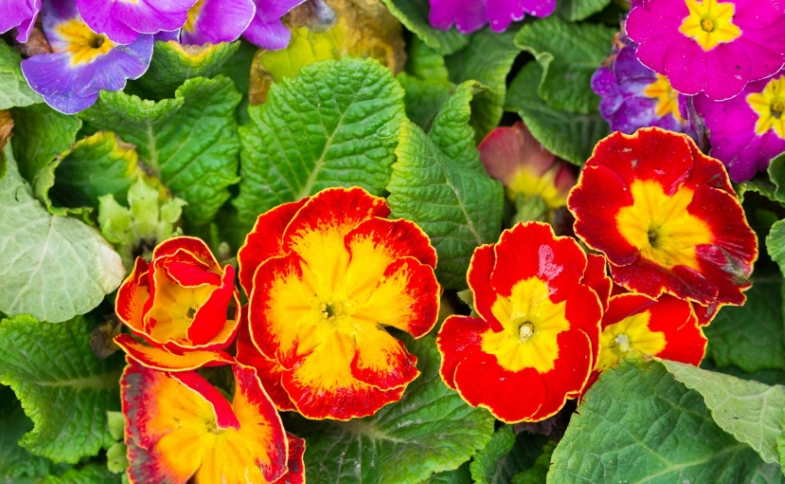
The Planting Hole: Setting the Stage for Success
Spring or early fall are the best times. You want cool, moist weather to help them settle in. Don't plant in the heat of summer—it's just cruel.
- Location: Most primrose perennials want partial shade. Morning sun with afternoon shade is ideal. Some (like certain vulgaris types) can handle deeper shade. Very few tolerate full, baking sun all day.
- Soil: This is the big one. They need soil that is well-draining yet moisture-retentive. Sounds contradictory, right? It means soil that doesn't get waterlogged (which rots the crown) but also doesn't dry out into a brick in a week. The answer is organic matter. Dig in a lot of compost, leaf mold, or well-rotted manure. I'm talking a 3-4 inch layer worked into the top 8-10 inches of soil.
- The Hole: Dig it twice as wide as the root ball, but no deeper. You want the crown (where the stems meet the roots) to sit right at soil level, not buried. Burying the crown is a death sentence—it rots.
- Water: Soak the root ball in a bucket of water before planting. After planting, water deeply to settle the soil. Then, keep the soil consistently moist (not soggy) for the first few weeks.
The Ongoing Care: It's Not "Plant and Forget"
Once established, a primrose perennial is pretty low-maintenance, but it's not invisible.
Watering: They have shallow roots. During dry spells in spring and summer, they will need supplemental water. A deep soak once a week is better than a daily sprinkle. A 2-3 inch layer of mulch (shredded bark, compost) is a game-changer. It keeps the roots cool, conserves moisture, and suppresses weeds. Just keep the mulch away from the crown itself.
Feeding: They're not heavy feeders. A light application of a balanced, slow-release organic fertilizer in early spring as they start growing is plenty. You can also top-dress with compost each spring. More is not better here—overfeeding leads to lots of soft leaves and fewer flowers.
Deadheading: Should you snip off the spent flowers? Yes, if you have the time. It keeps the plant looking tidy and can sometimes encourage a few more blooms. But here's a secret: for the common perennial primrose types that you want to naturalize, leave some flowers to go to seed. They'll often self-sow around the garden, giving you free plants! The seedlings might not be identical to the parent, but that's part of the fun.
Dividing: Every 3-4 years, your clump might get congested in the center and flower less. That's your cue to divide it. The best time is right after flowering or in early fall. Dig up the whole clump, and you'll see it's made up of several smaller rosettes. Gently pull or cut them apart, making sure each division has some roots attached. Replant them, water well, and you've just turned one plant into three or four. It's the ultimate garden freebie.
Designing with Primrose Perennials: Beyond the Basic Border
It's easy to just stick them in a row and call it a day. But with a little thought, these plants can be stars.
Mass Planting: This is where they shine. Planting a dozen or more of the same variety in a drift creates a much bigger visual impact than a few scattered plants. Imagine a swath of lavender drumstick primroses under a tree, or a carpet of yellow common primroses along a shady path.
Container Magic: Primrose perennials are fantastic for early spring containers. Mix a few together, or pair them with early bulbs like miniature daffodils, muscari, or early tulips. Add some trailing ivy or ajuga for spill. The container gives you perfect control over the soil mix (use a good potting mix with extra compost) and drainage. Just remember, pots dry out fast, so watering is critical.
Companion Plants: They play well with others that enjoy similar conditions.
- Spring Bulbs: The classic pairing. Primroses at the feet of daffodils, tulips, and fritillaries.
- Other Shade Perennials: Hostas (as they emerge), ferns, hellebores, bleeding heart (Dicentra), and lungwort (Pulmonaria). The primrose provides early color before the others fully leaf out.
- Groundcovers: Let them pop up through a carpet of creeping Jenny, sweet woodruff, or bugleweed (Ajuga).
I have a favorite combo in my own garden: a clump of deep red Polyanthus primroses next to the acid-yellow flowers of a Euphorbia polychroma. The colors are electric together, and they bloom at the same time. Sometimes the best ideas come from just trying things.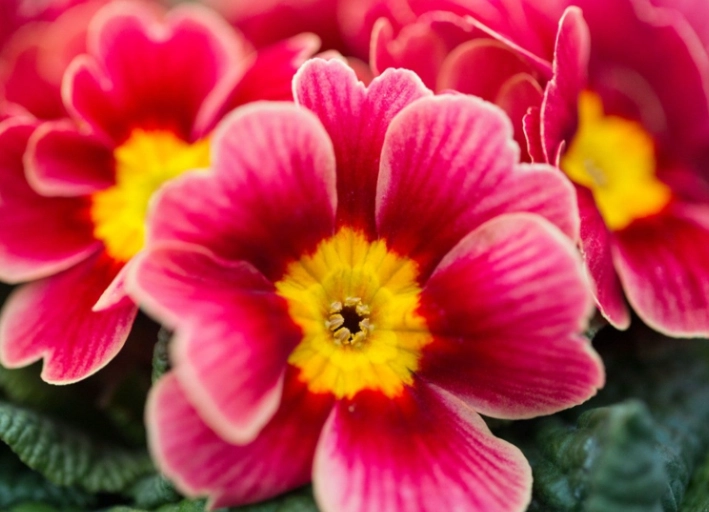
Frequently Asked Questions (The Stuff You Actually Search For)
Frequently Asked Questions (The Stuff You Actually Search For)
Both exist! Many primroses sold in stores (especially the flamboyant Polyanthus types) are technically perennial but are often grown as annuals because they can be short-lived or fussy. True hardy perennial primroses, like Primula vulgaris or candelabra types, will absolutely come back for years if planted in the right spot. Always check the plant tag or description for hardiness zones and the specific species.
This is the #1 complaint. The most likely culprit is drought. Their shallow roots dry out fast. The second culprit is heat. Many primroses go dormant or semi-dormant in hot weather. The leaves might look terrible or die back. This is normal! Don't rip the plant out. Keep the area lightly watered, and it will often re-emerge when cooler, wetter weather returns in fall or the following spring. Crown rot from poor drainage is another common killer.
Some do, beautifully. Primula vulgaris will self-seed and slowly form larger clumps. Candelabra primroses are prolific self-seeders in damp conditions. Others, like some hybrid Polyanthus, are sterile or less likely to spread. Spreading is usually a feature, not a bug, for a perennial primrose, as it helps fill in space naturally.
In common usage, "primrose" often refers to the single-flowered types (like P. vulgaris), where each flower has its own slender stalk arising from the base. "Polyanthus" refers to the types with a cluster of flowers borne on a single, thicker stalk above the leaves. Botanically, many polyanthus are complex hybrids. For care purposes, polyanthus often need a bit more babying than the tough common primrose perennial.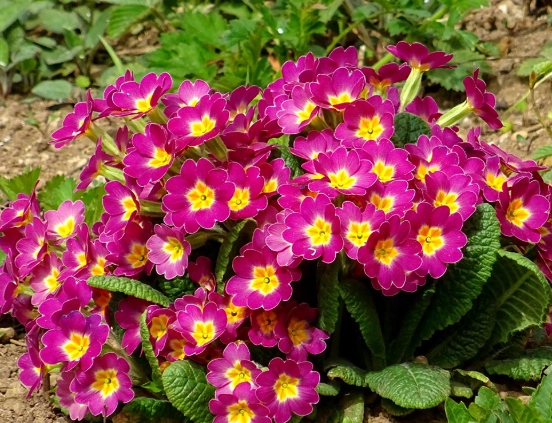
Yes, but patience is required. Primula seeds often need a period of cold stratification (a simulated winter) to germinate. Sowing them in pots in fall and leaving them outdoors over winter is a common method. It's more work than buying plants, but it's cost-effective if you want a large quantity, and you might get some interesting color variations. The Royal Horticultural Society (RHS) has an excellent, detailed guide on propagating primulas that I've found invaluable for tricky species.
Wrapping It Up: Is a Primrose Perennial Right for You?
Look, if you have a shady or partially shady spot with decent soil that you're willing to amend with compost, and you remember to water during dry spells, then absolutely. A primrose perennial is one of the most rewarding plants you can add. The early color is a genuine mood-lifter.
If your garden is a sun-baked, dry, sandy hillside, you're going to have a constant struggle on your hands. There are better plants for that spot (think sedums, lavender). But even then, you could grow them in a shaded container on a patio.
Start with one of the tougher varieties like a common primrose or a drumstick primrose. Get it planted right, mulch it, and watch it do its thing. Once you have success with one, you'll probably catch the bug. There's a whole world of primulas out there, from the delicate alpine types to the bold candelabras. That first cheerful flower in late winter will make you a believer in the power of the humble, hardy primrose perennial.
For definitive information on plant hardiness and specific species profiles, I always cross-reference with authoritative sources like the Royal Horticultural Society's Primula page or the USDA Plants Database entry for Primula. It helps cut through the noise and confirms what actually works.