Let's talk about a plant that doesn't get nearly enough credit. You see these low, sprawling mounds of color in garden centers, often tucked away in a corner labeled "acid-loving" or "ground cover," and I think a lot of people just walk right by. Big mistake. Heather shrubs, and their close cousins the heaths, are the secret weapon of smart gardeners. I'm not just saying that because I love them—though I do—but because they solve so many problems we all face. Got a patch of terrible, sandy, acidic soil that nothing seems to like? Heathers will thrive. Want something that looks alive and colorful in the dead of February when everything else is a soggy brown mess? Heathers are your answer. Frustrated by plants that need constant babying? You get the idea.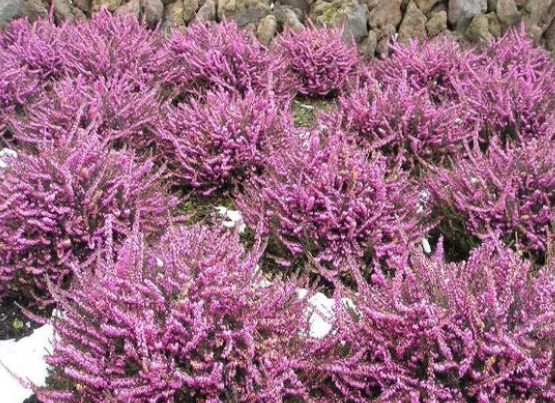
I remember the first time I really noticed heather. It was in a friend's garden, a bleak winter day. Everything was grey. But there, along a path, was this carpet of vibrant magenta and soft silver foliage. It felt like a little miracle. I asked her what it was, and she just shrugged. "Oh, that old heather. It just does its thing." That's the magic. It just does its thing, beautifully, for almost the entire year. So if you're tired of the high-maintenance divas of the plant world, let's dive into why heather shrubs deserve a prime spot in your garden.
Heather 101: It's Not Just One Plant
First things first, there's a bit of confusion around names. When most people say "heather," they're usually talking about plants from two main genera: Calluna and Erica. True heather is Calluna vulgaris. It's the one that blankets the Scottish moors. Then you have the heaths, which are the Erica species. For gardening purposes, the care is so similar we can lump them together as heather shrubs, but it's good to know the difference because their flowering times can vary, which is key for planning all-year color.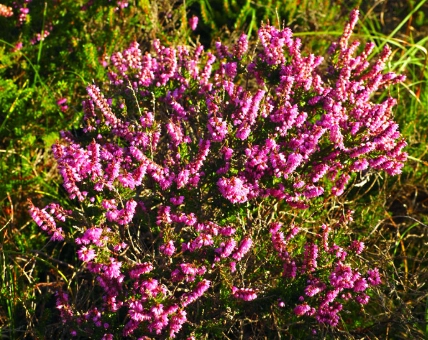
Quick Tip: A general rule of thumb (though not perfect) is that Calluna (heather) flowers from mid-summer to late autumn, while many Erica (heath) species flower from late autumn right through to spring. Plant both, and you've got flowers for 10 months.
What makes them so special? Their scale. They're mostly low-growing, evergreen sub-shrubs. That means they provide permanent structure. The foliage alone is a show—it can be shades of green, gold, orange, red, silver, and grey. Then the flowers come in waves: whites, pinks, purples, reds. They're tiny, bell- or urn-shaped, and massed together on the stems, creating that gorgeous, hazy effect. And bees absolutely adore them. On a sunny autumn day, a patch of flowering heather will be humming.
Picking Your Perfect Heather: A Guide to the Best Varieties
This is where the fun starts, and also where you can make a costly mistake if you just grab the prettiest pot at the store. You need to think about three things: what you want it to do, when you want the color, and your soil. Let's break it down with some of the most reliable performers.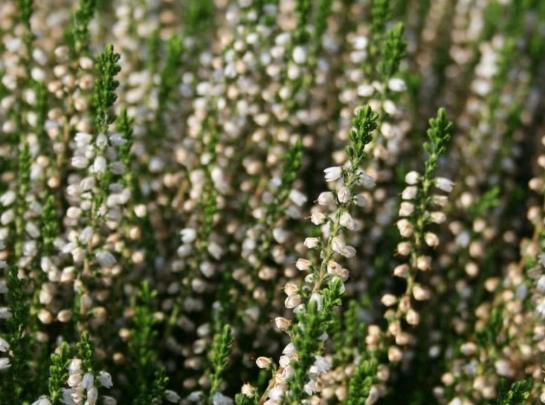
I've killed my share of plants by not paying attention to their needs, and heathers are no exception. I once planted a beautiful lime-green Calluna in heavy, wet clay because I loved the color. It sulked for a year and then died. Lesson painfully learned.
Top Picks for Knock-Out Color and Reliability
Instead of a long list, let's look at them by their primary season of interest. This table should help you mix and match.
| Variety Name | Type (Genus) | Key Feature & Season of Peak Interest | Best For... | My Personal Notes |
|---|---|---|---|---|
| Calluna vulgaris 'Firefly' | Heather (Calluna) | Foliage that changes color! Lime green in spring, turning deep orange-red in autumn/winter. Summer flowers. | Foliage drama, winter garden structure. | Probably my favorite. The winter color is insane. It looks like it's on fire against frost. |
| Erica carnea 'Springwood White' | Winter Heath (Erica) | Pure white flowers from January to April. Tolerant of slightly more alkaline soils. | Winter blooms, brightening shady spots. One of the toughest. | A lifesaver in late winter. So tough it even thrives under pine trees where little else grows. |
| Calluna vulgaris 'Silver Knight' | Heather (Calluna) | Silvery-grey, downy foliage with purple flowers in late summer. Beautiful contrast plant. | Cool color schemes, softening brighter plants. | Feels soft to the touch. Can look a bit scruffy in spring before new growth—don't panic, just prune. |
| Erica x darleyensis 'Kramer's Rote' | Darley Dale Heath (Erica) | Massive profusion of deep pink/magenta flowers from November to May. A super long season. | The ultimate for long-lasting flower power. Fast spreader for ground cover. | This one is a beast in the best way. It spreads willingly. Great for quickly filling a slope. |
| Calluna vulgaris 'Wickwar Flame' | Heather (Calluna) | Golden-orange foliage year-round, deepening in winter, with pale pink flowers. | Lighting up darker corners, container combinations. | Needs a bit more sun to keep its bright color. In shade, it reverts to green. Still pretty, but not "flame." |
See? It's not just about the flowers.
The foliage on many modern heather shrubs is the main event. When you're choosing, run your fingers through them at the nursery. Feel the texture. Look at the plant from a distance to see its overall shape. Are you looking for a tall, upright one like some Erica arborea (tree heath) for structure, or a low carpet for the front of a border? This decision will save you from the frustration of a plant outgrowing its space or getting lost.
A quick story: I used 'Kramer's Rote' to stabilize a dry, sunny bank that was a nightmare to mow. Within three years, it was a solid, weed-smothering mat that blooms when almost nothing else does. The neighbors always ask about it in March. Total win.
The Non-Negotiable Rules for Planting and Caring for Heather
Okay, you've picked your plants. Now, how do you not kill them? Heathers have a reputation for being fussy, but that's only because their main requirement is non-negotiable. Get this right, and everything else is easy.
Soil: The Acid Test
This is the big one. Almost all heather shrubs demand acidic soil. We're talking a pH of 4.5 to 5.5. If you plant them in neutral or, heaven forbid, alkaline soil, they will turn a sickly yellow (chlorosis), grow poorly, and eventually die. It's not a maybe; it's a guarantee.
What to do?
First, test your soil. You can buy a cheap kit or send a sample to your local cooperative extension service. If you're in the US, the USDA's Natural Resources Conservation Service has fantastic resources on understanding soil types. If your soil is neutral, you can try amending it heavily with peat-free ericaceous compost and sulfur chips, but it's a constant battle. Honestly, if your soil is naturally alkaline, you're better off growing heather shrubs in containers filled with the right acidic mix. It's less heartache.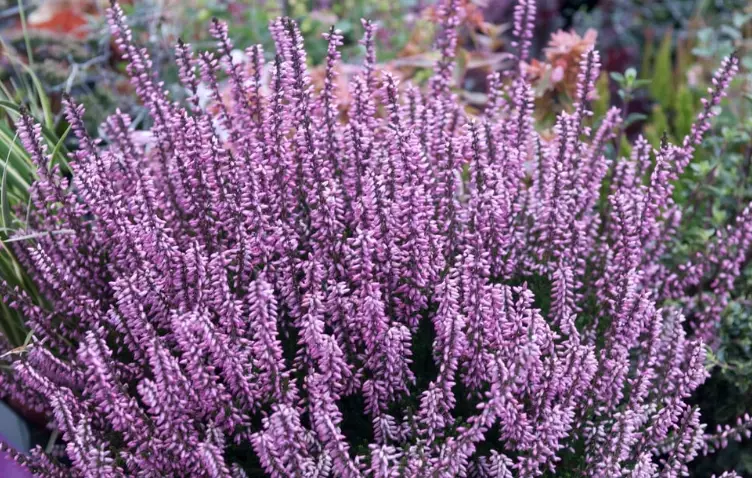
The second soil must-have is excellent drainage. They hate wet feet, especially in winter. If you have clay soil, you must improve it. Dig in plenty of coarse grit or sand and organic matter to open it up. Or, build a raised bed. Planting on a slope or mound is also a great idea.
Watch Out: The one partial exception is the Erica carnea (winter heath) group. They are notably more tolerant of neutral to slightly alkaline soils, especially if the soil is well-drained. They're your best bet if your pH test comes back at 6.5 or so.
Planting: Giving Them a Great Start
Planting is straightforward. Do it in spring or early autumn so the roots can establish before extreme heat or cold.
- Spacing: This depends on the variety, but for most ground-covering types, plant them about 14-20 inches apart. They will grow together in 2-3 years. Don't be tempted to plant them too close; they need air circulation.
- Depth: Plant at the same depth they were in the pot. Don't bury the stems.
- Watering In: Give them a really good soak after planting. Keep the soil moist (not soggy) for the first full growing season.
The Simple Art of Pruning (This is Critical!)
Here's where most people go wrong. They let their heather shrubs get tall, leggy, and woody at the base. Then one hard winter knocks them out, or they just fall open in the middle. It's ugly and preventable.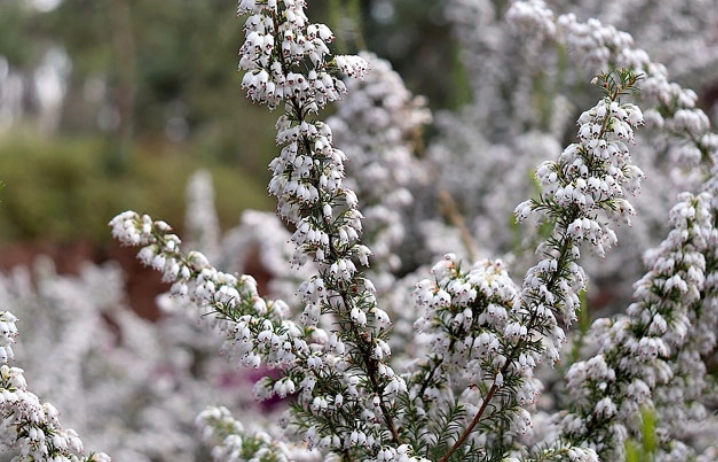
You must prune them every year. It's not hard. The rule is: prune immediately after flowering finishes.
For summer-flowering Calluna, that's in late autumn. For winter/spring-flowering Erica, that's in late spring. Just take your shears and trim off the spent flower heads, cutting back into the green foliage below. Never cut back into the old, brown, woody stems—they rarely regenerate. You're just giving it a haircut to keep it bushy and compact.
I have a dedicated pair of shears for this job. It's therapeutic. You go over the planting, and when you're done, it looks neat and tight, ready to put on new growth. If you forget for a year or two, you can try a harder renovation prune in spring, but success isn't guaranteed. Annual pruning is the secret to a long-lived, beautiful heather planting.
Designing With Heather: More Than Just a Ground Cover
Sure, they're fantastic ground cover. But limiting heather shrubs to that role misses their potential. Let's get creative.
Year-Round Containers: Heathers are brilliant in pots. Combine a golden or orange-foliaged heather with some trailing grey-leaved plants like Helichrysum and some small evergreen grasses for a display that looks sharp from October to April. Just remember to use an ericaceous compost and water with rainwater if your tap water is hard (alkaline).
The Winter Border Hero: Pair winter-flowering heaths like Erica carnea with other winter stars: the fragrant pink bells of Daphne odora, the structural seed heads of ornamental grasses left standing, and the stark red stems of Cornus alba. The heather provides the carpet of color that ties it all together.
Slope and Bank Stabilizer: As I mentioned with my own garden, their mat-forming roots are excellent for holding soil on slopes. It's a beautiful, low-maintenance alternative to grass or mulch.
Underplanting for Acid-Loving Trees: This is a classic, naturalistic look. Plant heathers under rhododendrons, azaleas, and camellias. They all share the same soil requirements, and the heathers hide the often-bare "legs" of the larger shrubs while keeping weeds down. The Royal Horticultural Society (RHS) has some great inspiration for designing with heathers and heaths in their online advice pages.
The key is to think in drifts and masses. Planting one or two little heather shrubs will look lost and spotty. Plant five, seven, or nine of the same variety in a gently curving group. The impact is exponentially better.
Solving Your Heather Problems: Troubleshooting Common Issues
Even with the best care, things can happen. Here’s a quick diagnostic guide.
Why are the leaves on my heather turning yellow?
This is almost certainly chlorosis due to incorrect soil pH. The plant can't take up iron. Test your soil. If it's too alkaline, you can apply a chelated iron supplement as a quick fix, but the long-term solution is to replant in an acidic mix or switch to container growing.
My heather looks brown and dead in the center.
You've probably not been pruning it. The plant has become woody and leggy. If there are still some green shoots on the outer edges, you can try a hard renovation prune in spring, cutting back into the wood just above where you see new buds. Water and feed it well after. If it's all brown, it's likely too far gone.
Nothing seems to be eating it, but it's dying back in patches.
Check for root rot caused by waterlogged soil, especially in winter. Improve drainage immediately. Also, a fungal disease called phytophthora root rot can affect heathers in poor conditions. There's no cure; remove and destroy affected plants, improve the drainage, and don't replant heathers in the same spot for a few years.
Is it true heathers don't need any fertilizer?
They are light feeders, but not zero feeders. An annual application of a slow-release, acidic fertilizer (like one formulated for rhododendrons) in early spring is beneficial, especially for plants in containers. Avoid high-nitrogen feeds, which promote soft growth that's prone to frost damage.
Beyond the Basics: Propagating Your Own Heather Shrubs
Once you have a healthy plant, it's incredibly easy to make more. This is how you can fill a large area on a budget. The best method is by taking semi-ripe cuttings in late summer.
Snip off non-flowering shoots, about 2-3 inches long. Strip the leaves from the bottom half, dip the end in rooting hormone powder (this really helps), and insert them into pots filled with a 50/50 mix of perlite and peat-free ericaceous compost. Cover the pot with a clear plastic bag to keep humidity high, and place it in a sheltered, bright spot out of direct sun. Keep the compost just moist. In 6-8 weeks, they should have rooted. Overwinter them in a cold frame or unheated greenhouse, and plant them out the following spring. It's deeply satisfying to create a whole new plant for free.
The Final Word: Are Heather Shrubs Right for You?
Let's be real. If you have rich, deep, neutral loam and want to grow lush hostas and bold perennials, heathers might feel a bit… niche. They're not the centerpiece of a traditional cottage garden.
But if you have a challenging site—sandy soil, acidic soil, a dry slope, a windy coastal garden, or you just want to create a low-maintenance, evergreen tapestry of color that provides for pollinators across three seasons—then heather shrubs are not just "right for you," they're probably the best choice you can make.
They ask for very little: the right soil, a sunny spot, and an annual haircut. In return, they give you structure, color, texture, and life when the garden is at its quietest. They're the dependable friends of the plant world. You might forget about them for a bit while you fuss over your roses, but they'll never let you down. Start with a tough winter heath (Erica carnea) or a colorful-foliaged Calluna. Plant it right, prune it faithfully, and watch. I think you'll be hooked, just like I was on that grey winter day.
And if you want to dive even deeper into the botany and native habitats, resources like the USDA Plants Database profile for Calluna vulgaris provide solid, scientific background that can help you understand the plant's natural preferences even better.