Quick Navigation
Let's be honest. When most people think of a ginkgo tree, they picture that classic, iconic fan-shaped leaf. Maybe they think of a massive, ancient tree turning a brilliant gold in the fall. What they probably don't think about is the incredible diversity hidden within the species Ginkgo biloba. I didn't either, until I tried to plant one in my own modest backyard and realized the standard species would swallow my entire garden whole.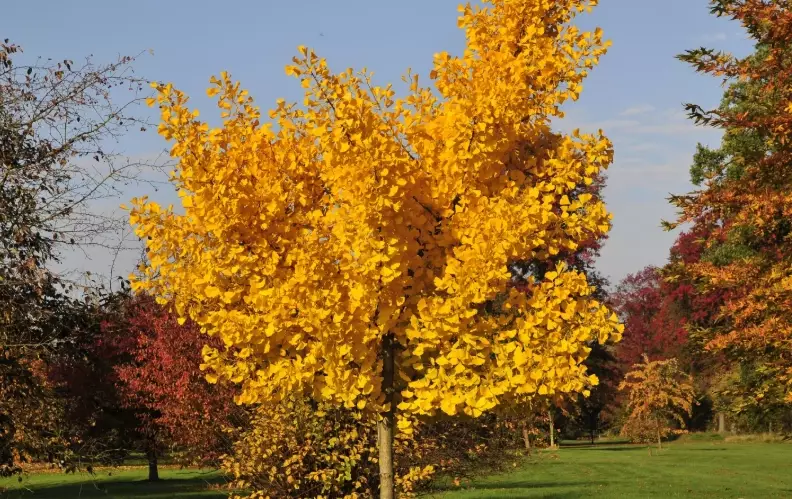
That's when I fell down the rabbit hole of ginkgo varieties. And what a fascinating rabbit hole it is. We're not just talking about one type of tree. We're talking about columnar sentinels, weeping forms that look like something from a fairy tale, dwarf varieties perfect for pots, and cultivars with leaves so deeply divided they barely resemble the classic ginkgo leaf at all. Choosing the right one isn't just about picking a tree; it's about selecting a living sculpture with a 270-million-year pedigree.
So, if you're considering adding one of these living fossils to your space but feel overwhelmed by the choices, you're in the right place. This isn't just a dry list. We're going to walk through the most popular and some truly unique ginkgo biloba cultivars, figure out who they're best for, and tackle the real-world questions gardeners actually have. Forget the textbook stuff. Let's talk about what it's like to live with these trees.
The Popular Crowd: Ginkgo Varieties You'll Actually Find (And Love)
Nurseries tend to stock what sells, and what sells are ginkgo varieties that solve common problems. The big issues? Size and that infamous smelly fruit. Most of the popular cultivars address one or both of these things. Here’s a breakdown of the ones you're most likely to encounter, and my take on them.
First, let's clear up the fruit issue. Only female ginkgo trees produce the fleshy, plum-like seeds that, when they rot, emit a smell often compared to rancid butter or vomit. It's... distinctive. For public spaces and most home landscapes, male cultivars (which produce only pollen) are strongly preferred. Nearly all the named cultivars you buy from a reputable nursery will be male, propagated vegetatively to guarantee sex. This is a huge win for modern gardeners.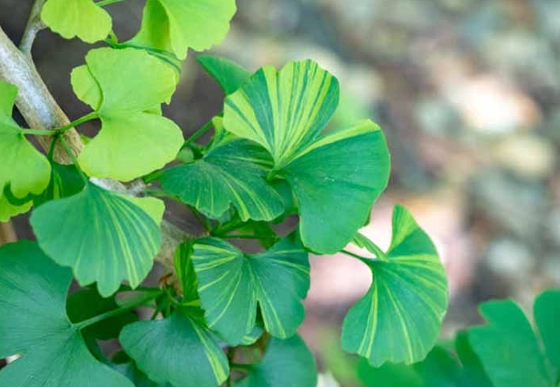
The Upright & Architectural Types
These are the ones for tight spaces, formal allees, or when you want a strong vertical element without a wide canopy.
'Princeton Sentry': This is arguably the king of columnar ginkgos. Its growth is strongly fastigiate – think like a Lombardy poplar but with ginkgo leaves. It's a male clone, so no fruit worries. It can still get quite tall (50-60 feet), but its spread might only be 15-20 feet. Perfect for lining a driveway or as a tall, narrow screen. I find its form almost too rigid for a casual garden, but it's undeniably impressive and useful.
'Fastigiata': A bit of a catch-all name for columnar forms, sometimes used interchangeably with 'Princeton Sentry', but older references might point to slightly different clones. The key takeaway: if you want a narrow ginkgo, look for a name that includes "fastigiata" or "sentry" and confirm it's a grafted male.
The Compact & Dwarf Wonders
This is where my personal interest exploded. Not everyone has an acre for a tree. These types of ginkgo trees prove the species can work in almost any setting.
'Mariken': This is a superstar dwarf variety. It grows as a low, spreading, almost nest-like bun. It's often grafted onto a short standard to form a lollipop-like "tree," but it can also be grown as a mounding shrub. We're talking about maybe 3 feet tall and 6 feet wide over a decade. It's incredible for rock gardens, large containers, or as a unique foundation plant. The leaves are smaller and densely packed. Absolutely charming.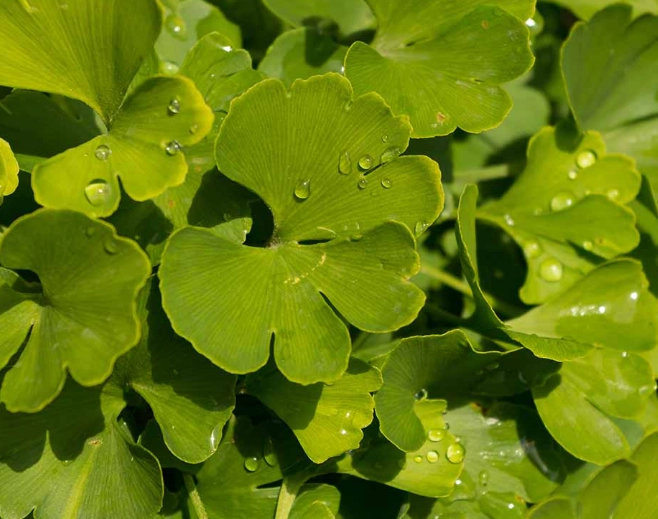
'Jade Butterfly': Another excellent dwarf. It has a more upright, bushy habit than 'Mariken' and features unique, variegated leaves with a creamy-white center. It's slower growing and also perfect for containers or small garden beds. The variegation adds a bright spot, though it can sometimes revert to green (just prune out the all-green shoots).
'Troll': Yes, that's its real name. It's an ultra-dwarf, witch's broom discovery that remains incredibly dense and tiny. Growth is measured in inches per year. It's a curiosity piece, really fantastic for bonsai or a prized spot in a miniature garden.
The Golden Leaf Showstoppers
Ginkgos are famous for golden fall color, but some varieties amp up the yellow for the entire growing season.
'Saratoga': This is a lovely tree with a somewhat open, pyramidal habit. Its claim to fame is its long, pendulous leaves that flutter beautifully in the breeze. The fall color is a consistent, bright yellow. It has a more graceful, less dense look than the standard species.
'Autumn Gold': The name says it all. This male cultivar was selected specifically for its reliable, vibrant golden-yellow fall display and symmetrical, broadly pyramidal growth habit. It's a classic choice for a lawn specimen where you want a predictable, beautiful shape and that iconic fall moment. It's one of the most common nursery varieties for good reason—it's a reliable performer.
Here’s a quick table to compare these popular picks at a glance:
| Variety Name | Key Feature | Mature Size (Approx.) | Best For | My Personal Take |
|---|---|---|---|---|
| 'Princeton Sentry' | Strictly columnar form | 60' H x 15' W | Street trees, narrow spaces, formal rows | Architectural and useful, but lacks the classic ginkgo canopy charm. |
| 'Mariken' | Dwarf, mounding habit | 3' H x 6' W (if ungrafted) | Containers, small gardens, rockeries | A total gem. Makes ginkgos accessible to everyone. |
| 'Jade Butterfly' | Dwarf with variegated leaves | 5' H x 4' W | Adding light to shade, container interest | Beautiful, but watch for reversion. Needs a bit more attention. |
| 'Autumn Gold' | Reliable golden fall color, symmetrical | 50' H x 35' W | Classic lawn specimen, reliable fall show | The safe, excellent choice. A bit "vanilla" for collectors, but perfection for most. |
| 'Saratoga' | Pendulous, fluttery leaves | 40' H x 25' W | Graceful specimen, lighter canopy look | The leaves moving in the wind are mesmerizing. More elegant than powerful. |
Venturing Off the Beaten Path: Unique and Rare Ginkgo Cultivars
If you catch the ginkgo bug, the world of ginkgo varieties gets even more interesting. Specialty nurseries and arboreta offer cultivars that look like they're from another planet. These are for the plant collector, the enthusiast who wants something truly conversation-starting.
'Tremonia': This one has a distinctly upright, narrow form but with a twist—its leaves are deeply dissected, almost like a parsley leaf. It gives the tree a much finer, lacier texture. From a distance, you might not even recognize it as a ginkgo.
'Summer Rainbow': Another variegated form, but this one is a larger tree. The leaves are splashed and streaked with cream and white throughout the season. In a partly shaded spot, it can really glow. It’s less common and can be pricier.
Weeping Forms: Yes, they exist! Cultivars like 'Pendula' create a cascading, umbrella-like form. They are almost always grafted high to create a weeping standard. The effect is stunning and utterly different from the typical ginkgo silhouette. They require some space to let their weeping branches spread out gracefully.
'Shangri-La': A popular newer cultivar known for its pest resistance, strong central leader, and dense, symmetrical growth. It's marketed as a tough, reliable urban tree with great form.
To see some of these unique forms in a curated, scientific setting, you can explore the plant database of the Missouri Botanical Garden, which is a fantastic resource for verifying plant characteristics. For a more focused historical and botanical deep dive, the U.S. National Arboretum has done significant work with woody plant collections, including ginkgos.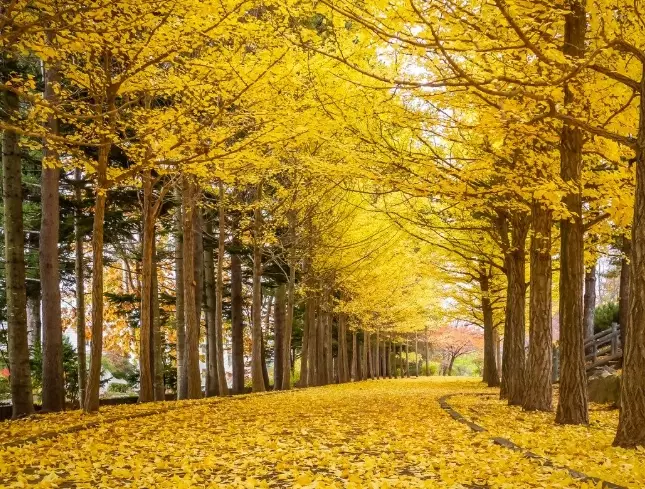
How to Choose Your Perfect Ginkgo: A No-Nonsense Guide
This is the part where we move beyond catalog descriptions and into reality. Choosing among the many ginkgo biloba cultivars comes down to asking yourself a few practical questions.
Space: The Final Frontier
This is the number one question. Be brutally honest with yourself about the space you have.
- Large Lawn or Park Setting: You have options! The standard species, 'Autumn Gold', 'Saratoga', or 'Shangri-La' will all become magnificent large specimens. Give them room—at least 30-40 feet from buildings or power lines.
- Narrow Side Yard or Street Planting: This is where columnar ginkgo varieties like 'Princeton Sentry' shine. They provide height without the sprawling width.
- Small Urban Garden or Patio: This is the realm of the dwarfs. 'Mariken', 'Jade Butterfly', or even a young 'Troll' are your best bets. You can enjoy them for decades without fear of overwhelming your space.
The Look You Want
What's your garden vibe?
- Classic & Majestic: 'Autumn Gold' or the straight species.
- Architectural & Modern: 'Princeton Sentry' for clean lines.
- Whimsical & Unique: Weeping forms or deeply dissected-leaf types like 'Tremonia'.
- Intimate & Detailed: Dwarf varieties where you can appreciate the leaf texture up close.
Climate and Hardiness
Ginkgos are famously tough (they survived the dinosaurs' extinction, after all). Most are hardy from USDA zones 3-8. However, some dwarf varieties grafted onto roots might be slightly less hardy than a seed-grown tree, or the graft union can be vulnerable in extreme cold. If you're in a very cold zone (3 or 4), sticking with established, proven performers like 'Autumn Gold' is wise. The Royal Horticultural Society provides excellent hardiness data for the UK, which can be a useful cross-reference for maritime or cooler climates.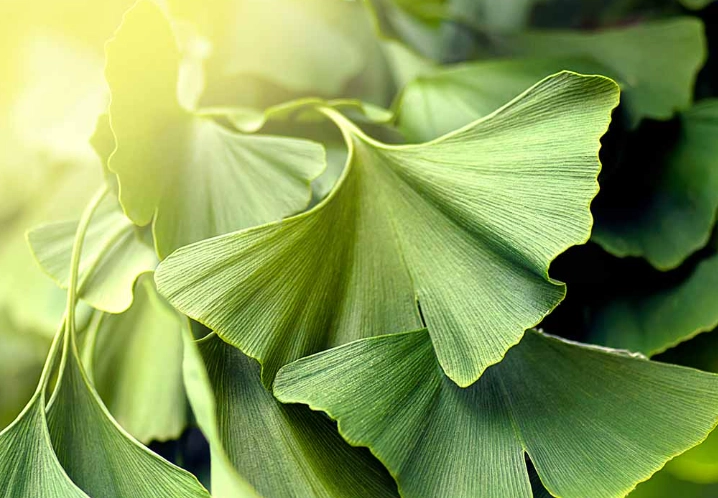
Maintenance Level
Ginkgos are generally low-maintenance. But consider:
- Leaf Cleanup: They are deciduous, and all those lovely fan leaves will drop, usually in a spectacularly short period. It's not a messy tree throughout the year, but be prepared for a concentrated leaf dump in autumn.
- Pruning: Most have a beautiful natural form and need little to no pruning. The dwarfs might need the occasional snip to maintain shape. Columnar forms rarely need pruning unless a branch goes rogue.
- Pests & Diseases: This is a huge plus. Ginkgos have almost no serious insect or disease problems. They are also resistant to air pollution, salt, and compacted soils, making them fantastic urban trees.
See? It's not so hard.
Break it down: How much room do you have? What style speaks to you? Then, find the variety that matches.
Answers to the Questions You're Actually Asking (FAQs)
Are all ginkgo varieties male?
No, but almost all named cultivars sold in nurseries are. They are propagated from cuttings or grafts taken from a known male tree, which guarantees they will be male and not produce the smelly fruit. This is a major advantage of buying a cultivar. If you grow a ginkgo from seed, it's a 50/50 chance of being male or female, and it takes 20+ years to find out by seeing if it fruits. Not a gamble most gardeners want to take.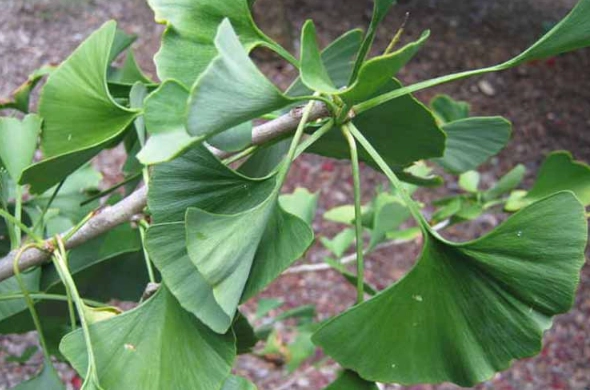
What is the smallest ginkgo variety?
The true dwarfs are the smallest. 'Troll' is likely the absolute smallest, remaining a dense bun measured in inches. 'Mariken' is a close second and more widely available. Both are perfect for growing in containers indefinitely.
Which ginkgo has the best fall color?
Most ginkgo varieties turn a stunning yellow. 'Autumn Gold' is specifically bred for a reliable, vibrant display. However, factors like site (more sun often equals better color), weather (cool, sunny autumn days enhance it), and even the tree's individual genetics play a role. You really can't go wrong—the fall show is a signature feature of the species.
How fast do different ginkgo varieties grow?
There's a range. The standard species and large cultivars like 'Autumn Gold' are moderate growers, adding 1-2 feet per year under good conditions. Columnar types like 'Princeton Sentry' are similar in height gain. The dwarf varieties are slow. 'Mariken' might add only a few inches in a year. This slow growth is what keeps them small and is a virtue for small spaces.
Can I grow a ginkgo in a pot?
Absolutely! This is one of the best uses for dwarf ginkgo biloba cultivars. Use a large, sturdy container with excellent drainage. A well-draining potting mix is crucial. You will need to water it more regularly than one in the ground, and eventually, you may need to root-prune and repot it every few years to keep it healthy. But it's entirely doable and a fantastic way to enjoy a ginkgo on a terrace or balcony.
What's the difference between 'Autumn Gold' and 'Saratoga'?
Good question. 'Autumn Gold' tends to have a broader, more symmetrical pyramidal form with "standard" ginkgo leaves. 'Saratoga' has a slightly more open, irregular pyramid with longer, more pendulous leaves that flutter distinctively. Both are male and have great yellow fall color. 'Autumn Gold' is often chosen for its predictable shape, while 'Saratoga' is picked for its graceful, moving foliage.
The Final Word: Why Bother with a Specific Variety?
You could just buy any ginkgo seedling. It would be cheaper. But gardening, especially with trees, is a long-term relationship. You're making a commitment for decades. The right ginkgo variety is like choosing a partner that fits your life perfectly, rather than just hoping for the best.
Investing in a named cultivar gives you predictability. You know its ultimate size, its form, its sex, and often its specific ornamental strengths. For a modest upfront cost, you eliminate decades of potential regret—like a tree growing into your roof, or the dreaded fall fruit stench.
My journey through the world of ginkgo varieties ended with a 'Mariken' grafted on a short standard, sitting in a large ceramic pot on my patio. I get to touch its leaves every day, watch it change with the seasons, and I never have to worry about it outgrowing its welcome. That, to me, is the real value of understanding these different forms. It's not just botanical trivia; it's the key to successfully bringing one of the most ancient and remarkable trees on Earth right into your own personal space.
So take your time, measure your space, and pick the ginkgo that's meant for you. There's one out there, from the giant golden sentinel to the tiny bonsai candidate, waiting to become part of your story.