Quick Navigation
Let's be honest. You've probably seen those gorgeous pictures of bee balm (Monarda, if we're being fancy) covered in bees and hummingbirds, those shaggy, fireworks-like blooms in red, pink, or purple. You think, "I need that in my garden." So you buy one, plant it, and then... it happens. It takes off. Suddenly, what was a polite little clump is now a sprawling beast elbowing its way past your coneflowers and shoving your salvias aside. The dream of a cottage garden turns into a jungle.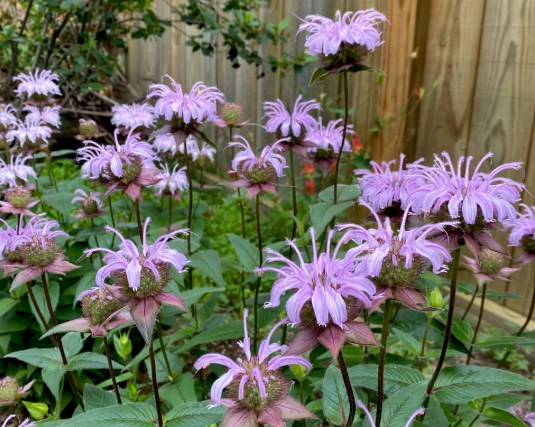
I've been there. My first 'Jacob Cline' bee balm, a stunning scarlet variety, looked so innocent in its one-gallon pot. Two seasons later, it was a four-foot-wide monster, taller than my garden fence, and had politely but firmly informed the neighboring asters that their lease was up. It was glorious, but it was also a lesson. The key to avoiding this delightful chaos? Understanding bee balm plant size from the get-go.
That's what this guide is for. We're not just talking about a line in a catalog that says "24-36 inches." We're digging into what that really means for your garden's layout, which varieties stay compact and which are the gentle giants, and most importantly, how to manage it all without breaking your back. Getting the size of your bee balm plants right is the difference between a garden highlight and a horticultural headache.
Why Bee Balm Plant Size Actually Matters (More Than You Think)
You might wonder why we're obsessing over a few inches of height and spread. It's not just about aesthetics, though a well-proportioned garden is a happy one. It's about function and health.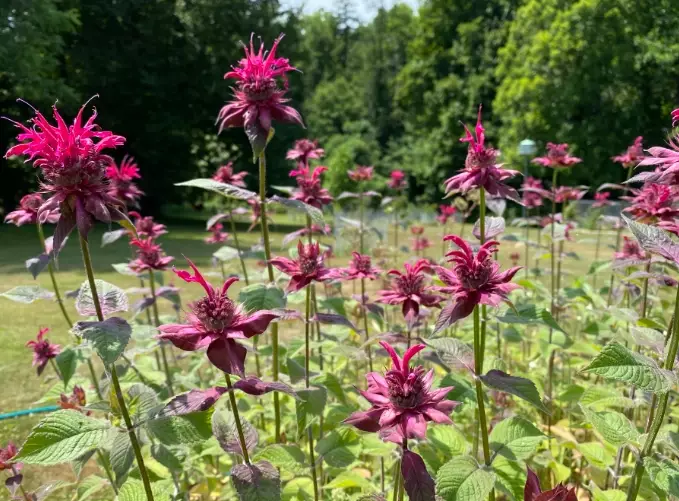
First, air circulation. Bee balm is notoriously prone to powdery mildew, that ugly white dust that coats leaves in late summer. When plants are crammed together because you underestimated their mature bee balm size, air can't move. Stagnant, humid air is a mildew party invitation. Giving them room based on their true size is your first line of defense.
Then there's competition. Bee balm, through underground runners called rhizomes, is a spreader. If it's too close to a delicate plant with shallow roots, it'll win that battle for water and nutrients every time. Knowing the potential bee balm height and spread lets you play matchmaker, pairing it with equally robust companions like ornamental grasses or rudbeckia that can hold their own.
Finally, it's about your vision. Want a low border? You need a dwarf variety. Dreaming of a back-of-the-bed statement piece? A tall Monarda is your friend. Planting without considering the final bee balm plant dimensions is like buying furniture without measuring your room.
From Petite to Towering: A Breakdown of Bee Balm Sizes by Variety
This is where the rubber meets the road. Not all bee balms are created equal. Modern breeding has given us a huge range, and the variation in bee balm plant size is staggering. I like to break them down into three camps: the well-behaved patio pals, the classic midsize performers, and the back-of-the-border giants.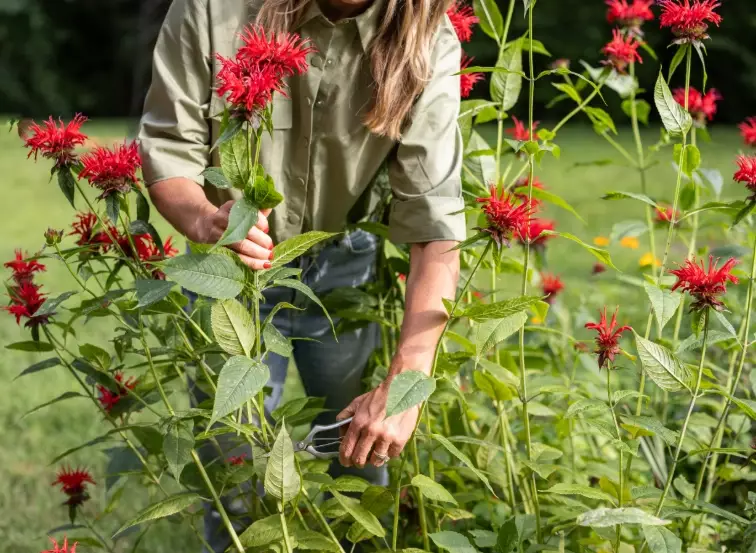
Here’s a look at some of the most popular cultivars and what you can realistically expect them to do. Keep in mind, these are heights and spreads under good conditions—full sun and decent soil. Shade or poor soil can make them leggy and less robust.
| Variety Name | Typical Mature Height | Typical Mature Spread | Notes on Size & Habit |
|---|---|---|---|
| 'Pardon My Cerise' | 12-15 inches | 12-18 inches | The ultimate compact bee balm. Perfect for containers, front of borders. Stays very tidy. |
| 'Petite Delight' | 15-18 inches | 18-24 inches | A true dwarf with lavender-pink flowers. Spreads moderately but is easy to manage. |
| 'Sugar Buzz® Berry Bomb' | 16-20 inches | 18-22 inches | Part of the ultra-dwarf, mildew-resistant Sugar Buzz series. Exceptionally neat mound. |
| 'Balmy™ Purple' (Monarda didyma) | 18-24 inches | 18-24 inches | A classic, well-rounded bee balm plant size. A reliable midsize clump former. |
| 'Jacob Cline' | 36-48 inches | 24-36 inches | A vigorous, tall, red variety. Famous for hummingbirds. Can get quite wide if happy. |
| 'Raspberry Wine' | 36-42 inches | 24-30 inches | Sturdy, deep raspberry-red blooms. Strong, upright habit but still a substantial presence. |
| 'Blue Stocking' (Monarda fistulosa) | 48-60 inches | 36-48 inches | The native wild bergamot. This is a giant, airy plant. Spreads readily by seed. |
See what I mean? The difference between 'Pardon My Cerise' and 'Blue Stocking' is like the difference between a shrub and a small tree. That native Monarda fistulosa in particular—don't let its delicate appearance fool you. In my prairie garden, it seeds around with cheerful abandon, creating lovely drifts, but you need space for its full, willowy bee balm plant height to be appreciated.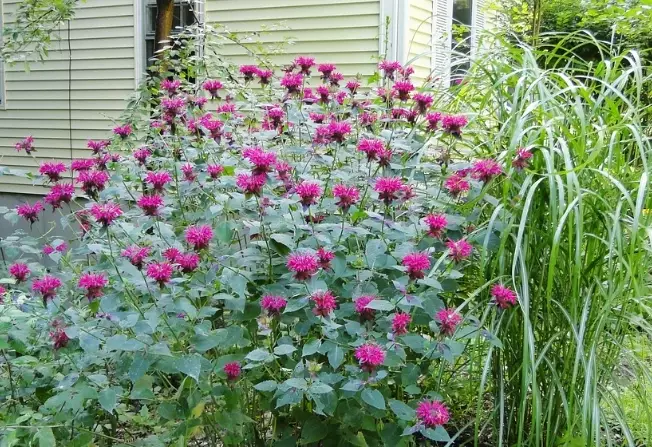
The Dwarf Revolution: Small-Space Bee Balm Magic
If you've been scared off by stories of aggressive spread, the newer dwarf varieties are a game-changer. Breeders have been working hard on plants that deliver all the pollinator power and color in a package that fits modern, smaller gardens.
The 'Pardon My' series and the 'Sugar Buzz' series are leaders here. Their compact bee balm size isn't just about height; it's about a denser, mound-forming habit. They're less likely to flop over after a rainstorm than their lankier cousins. They also tend to have thicker, more resistant foliage, which helps with the mildew issue. You can honestly pop three of these in a large patio pot with some trailing verbena and have a stunning, low-maintenance pollinator station all summer.
It's proof that good things come in small packages.
How to Measure and Manage Your Bee Balm's Size
Okay, you've planted your bee balm with its ideal plant size for bee balm in mind. Now what? How do you keep it living its best life within the bounds you've set?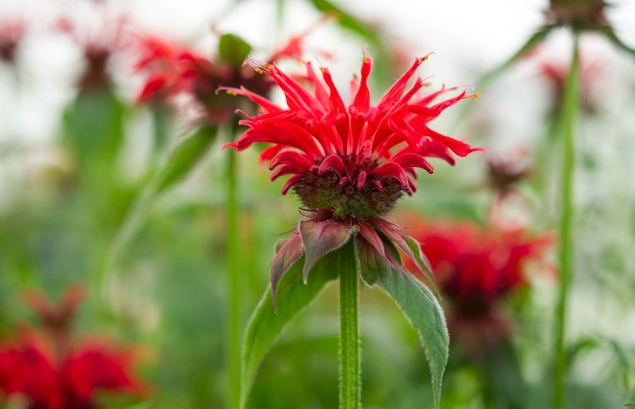
How do I stop my bee balm from taking over?
This is the number one question. The answer is a combination of proactive spacing and simple maintenance. First, plant with the mature width from the table above in mind. Then, every 2 to 3 years in early spring or fall, take a sharp spade and literally dig up the clump. You'll see the woody center and the fresh, young shoots around the edges. Discard the tired center, divide the vigorous outer pieces (each with roots and shoots), and replant only what you need. Give the rest to grateful neighbors. This reinvigorates the plant and resets its clock, keeping the bee balm plant dimensions in check.
The Pruning Playbook: Pinching, Deadheading, and the "Chelsea Chop"
Pruning isn't just about deadheading spent flowers (though that will encourage more blooms). You can actually manipulate the size and shape of bee balm with strategic cuts.
- Pinching: In late spring, when the stems are about 12 inches tall, simply pinch or snip off the top 3-4 inches. This forces the plant to branch out, resulting in a bushier, sturdier plant with more (but slightly smaller) flowers. It can reduce final height by a good 6-10 inches.
- The "Chelsea Chop": Named for the Chelsea Flower Show timing in late May. This is a more severe version. Cut the entire plant back by one-third to one-half. This delays flowering by a few weeks but creates an incredibly dense, stocky plant that absolutely will not flop. It's a fantastic trick for managing the height of large bee balm plants like 'Jacob Cline'.
- Post-Bloom Cutback: After the first big flush of flowers fades, cut the entire plant back hard, leaving about 6 inches of foliage. It will often reward you with a fresh set of leaves and a second, smaller bloom in early fall, all while maintaining a neater appearance.
Where Size Meets Problems: Powdery Mildew
We have to talk about the elephant in the room. Overcrowded bee balm is a mildew magnet. When plants are too dense, the lack of air flow creates a perfect microclimate for the fungus. Managing your bee balm's growth size through spacing and division is your primary cultural control.
Choosing resistant varieties is next. Many of the newer dwarfs and cultivars with Monarda didyma genetics (like 'Jacob Cline', 'Marshall's Delight') have better resistance than the straight species or M. fistulosa. The University of Maryland Extension has a great resource listing powdery mildew resistant plants, which includes notes on Monarda.
Finally, water at the base, not overhead, and do it in the morning so leaves dry quickly. A little preventative care tied to your size management makes all the difference.
Designing With Bee Balm Size in Mind
This is the fun part. Now that you know what you're working with, how do you use these different bee balm plant sizes to create stunning garden scenes?
For a classic cottage garden border, use the midsize varieties (like 'Balmy Purple' or 'Raspberry Wine') in the middle. Their 2-3 foot bee balm plant height pairs perfectly with shasta daisies, phlox, and veronica in front, and with taller Joe-Pye weed or hollyhocks behind.
For a naturalistic prairie or meadow look, let the tall natives like Monarda fistulosa shine. Its 4-5 foot, see-through stature allows you to plant it in the middle of a bed. Pair it with grasses like little bluestem and sturdy coneflowers. It will sway in the breeze, and its seed heads provide winter interest. The Missouri Botanical Garden's plant database entry for Monarda fistulosa offers excellent design ideas for using this sizable native.
For formal edges, containers, or small urban gardens, the dwarf cultivars are your heroes. Line a path with 'Pardon My Cerise', mass them as a low, flowering groundcover, or create a pollinator pot on a balcony. Their predictability is a designer's dream.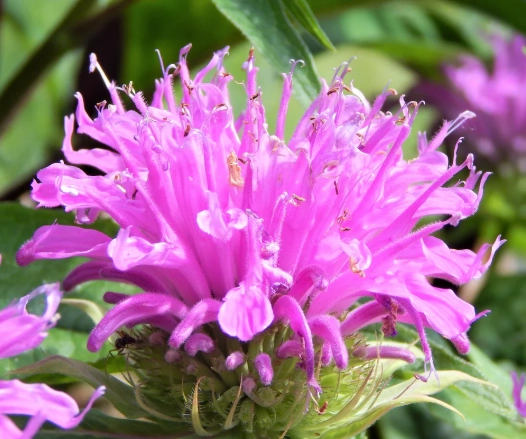
Spacing Cheat Sheet
When planting, use these spacing guidelines from the center of one plant to the next:
- Dwarf Varieties (10-20" tall): 12 to 18 inches apart.
- Midsize Varieties (20-36" tall): 18 to 24 inches apart.
- Tall/Vigorous Varieties (36"+ tall): 24 to 36 inches apart.
Remember, it's always easier to fill temporary gaps with annuals than to dig up and move an overcrowded perennial later.
Your Bee Balm Size Questions, Answered
The bottom line? Knowledge is power.
Understanding bee balm plant size isn't about limiting the plant's joy; it's about channeling it. It's the difference between being a passive observer and an active garden conductor. You get to decide whether you want a subtle hummingbird whisper in a pot or a full-throated pollinator chorus at the back of your border. You can embrace its vigorous nature or gently guide it with timely cuts and divisions.
So, take another look at that plant tag or online description. Don't just see the flower color—see the future footprint. Plan your spacing with the mature dimensions in mind. Pick a variety that fits your space, not just your color scheme. With this guide, you're equipped to make bee balm a beloved, well-behaved star of your garden, not a takeover artist. Now go forth and plant with confidence.