Quick Navigation
- First, Know Your Wisteria: It's Not Just a Purple Vine
- The Planting Pit: Get This Wrong and You'll Wait a Decade for Flowers
- The Art and Science of the Chop: Pruning Your Wisteria
- Feeding: The Fertilizer Trap Most People Fall Into
- Solving the "No-Bloom" Blues: A Troubleshooting Checklist
- Beyond Blooms: Training, Containers, and Other Tricks
- Wisteria Wisdom: Answers to Your Thorniest Questions
- The Long Game: Patience and Payoff
Let's be honest. You've seen the pictures. Dreamy, cascading clusters of purple, blue, or white flowers dripping from pergolas and ancient brick walls. You planted one, full of hope. Years later, you've got a monster of a vine that's eaten your fence but has never, ever given you a single decent flower. Sound familiar? You're not alone. The journey to a spectacular wisteria's display is littered with good intentions and leafy green disappointments.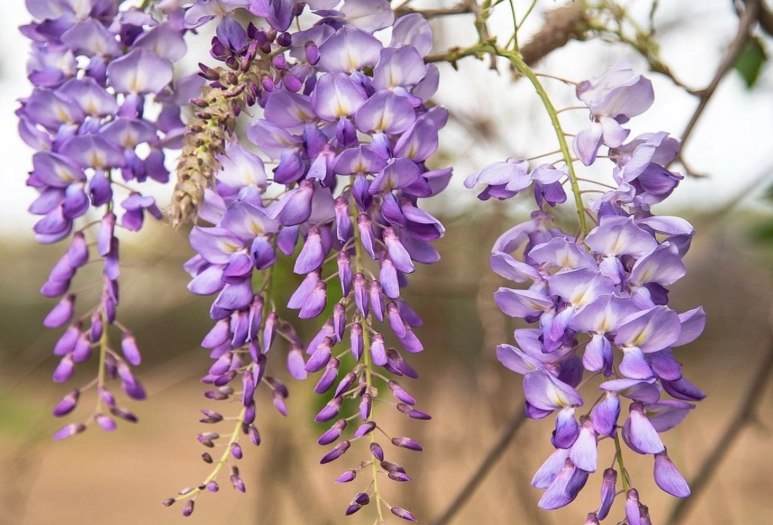
I've been there. My first wisteria was a gift. I planted it with visions of an Instagram-worthy arch. For five years, it was the most vigorous, lush, flowerless plant in my garden. It was mocking me. I nearly gave up. But then I started digging (literally and figuratively) into the real secrets of wisteria care. It wasn't about neglect; it was about understanding its stubborn, woody personality.
First, Know Your Wisteria: It's Not Just a Purple Vine
This is where most folks trip up right at the start. You buy "a wisteria." But which one? The two main species you'll encounter are Wisteria sinensis (Chinese) and Wisteria floribunda (Japanese). There's also the native Wisteria frutescens from the southeastern US, which is tamer but less showy. The American variety is actually a great choice if you're worried about invasiveness.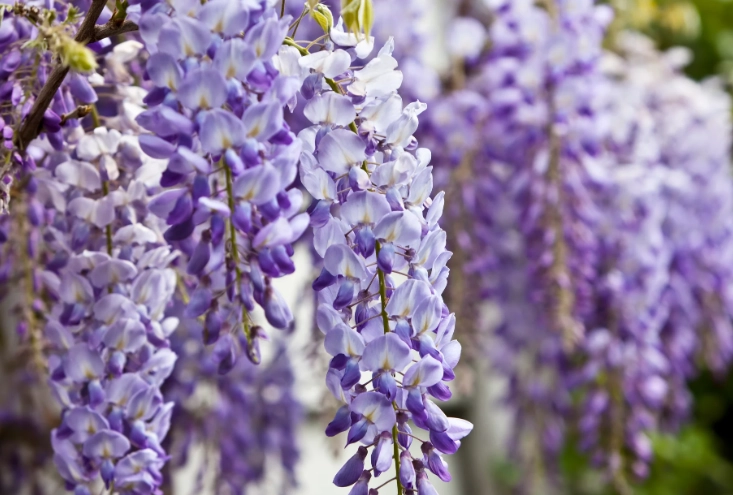
The Chinese one blooms on bare wood before the leaves appear, giving you those classic, dramatic floral showers. The Japanese type blooms with the emerging leaves, and its flower clusters (called racemes) can be insanely long—like, three-feet-long necklace long. The character of your wisteria's bloom is set at purchase.
My personal take? The Chinese wisteria's fragrance is stronger, more grape-soda-like. The Japanese one is a bit more refined. But here's a hot take: unless you have a mansion-sized wall, consider a cultivar, not a species plant. Cultivars are selected for reliability. 'Amethyst Falls' (the American one) is fantastic for smaller spaces. 'Lawrence' (a hybrid) is a prolific bloomer and less of a thug.
Choosing the Right Wisteria for Your Space
Look, I love a bold garden, but you need to be realistic. A mature wisteria is a structural force. Its trunk can become as thick as a small tree. That flimsy arbor from the big-box store? It will crush it. You need serious support: heavy-duty pergola posts set in concrete, or a strong, south-facing wall with robust wires.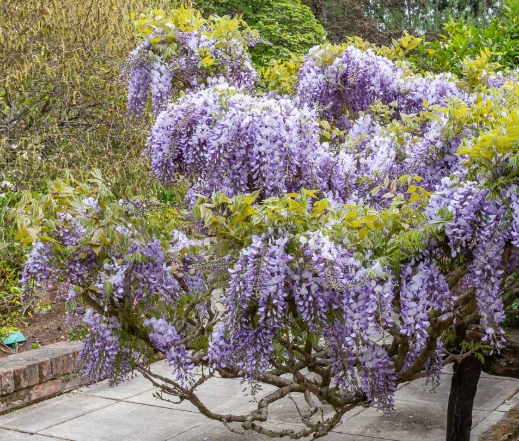
Here’s a quick breakdown to help you pick. Think about what you want most: fastest blooms, longest flowers, or the most manageable plant.
| Variety (Species/Cultivar) | Key Characteristics | Best For... | Bloom Time & Note |
|---|---|---|---|
| Wisteria sinensis (Chinese) | Vigorous, twines counter-clockwise. Fragrant, shorter (6-12") flower clusters. | Large, sturdy structures; strong fragrance lovers. | Mid-spring, on bare wood. Can be invasive. |
| Wisteria floribunda (Japanese) | Twines clockwise. Famous for very long racemes (up to 3 ft). | Dramatic, long flower displays; training along eaves. | Late spring, with leaves. Many color cultivars. |
| Wisteria frutescens 'Amethyst Falls' (American) | Less aggressive, more compact growth. Repeat blooms possible. | Small gardens, containers, ethical native planting. | Late spring to summer, and sometimes again in late summer. |
| Wisteria x formosa 'Lawrence' (Hybrid) | Moderate vigor, highly floriferous, fragrant blue-violet flowers. | Reliable blooming; a good middle-ground choice. | Late spring. Known for blooming at a younger age. |
See? That choice matters. Picking the wrong one for your space is the first step toward frustration. A wisteria's potential is huge, but so is its root system and its will to climb.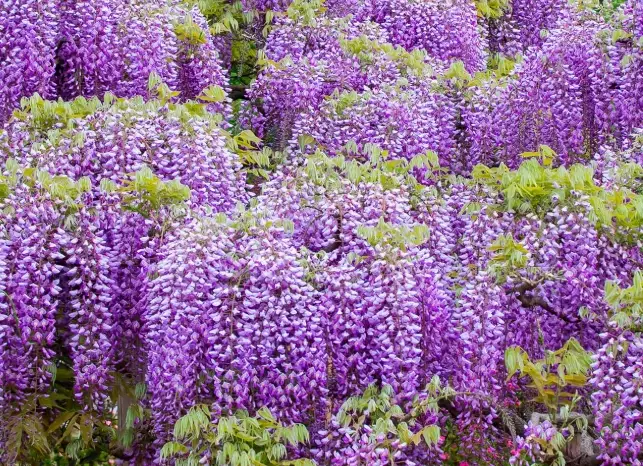
The Planting Pit: Get This Wrong and You'll Wait a Decade for Flowers
You've got your plant. Now, don't just dig any old hole. Location is everything. Wisteria needs full sun. I mean, at least 6 hours of direct, brutal, unfiltered sun. More is better. Less than that, and it will grow leaves for days but will hoard its flower buds like a dragon with gold. Partial shade equals no show.
Soil is the next big secret. Everyone says "well-drained soil," which is true—it hates soggy feet. But the real trick is that wisteria thrives in poor to moderate fertility. If you plant it in super-rich, nitrogen-heavy soil, you're telling it, "Grow, baby, grow!" All its energy goes into making a jungle of leaves and stems. You want to encourage it to think about reproducing (flowers) instead of just getting bigger.
Water it in well, and then be patient. And I mean patient. A wisteria grown from seed can take 10-15 years to bloom (never buy seed-grown wisteria if you want flowers in your lifetime). Grafted plants or good cultivars should bloom in 3-5 years. If you're past that mark, the problem is usually care, not genetics.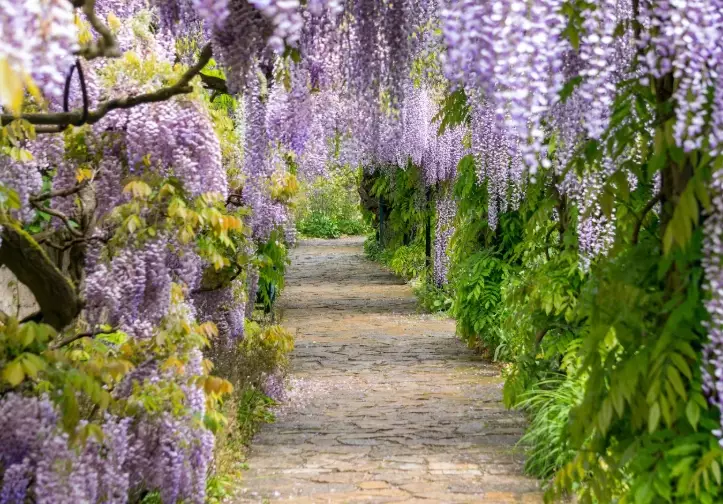
The Art and Science of the Chop: Pruning Your Wisteria
This is the part that scares people. All those tangled stems! It feels like you're performing surgery. But pruning is non-negotiable. It's the single most important thing you can do to control the beast and force it to flower. A wisteria's energy, if left unguided, goes everywhere. Pruning focuses it on creating flower buds.
Think of it as a two-step, twice-a-year routine. It's not random hacking; it's strategic direction.
Summer Pruning (Late July/August)
This is the main control cut. Once the long, whippy green shoots (these are this year's growth) have zoomed out from the main framework, cut them back hard. I mean, leave only 5 or 6 leaves from the main stem. This stops the vine from wasting energy on endless growth, shortens the branches, and encourages the plant to set flower buds for next year. It also lets light and air into the center of the plant.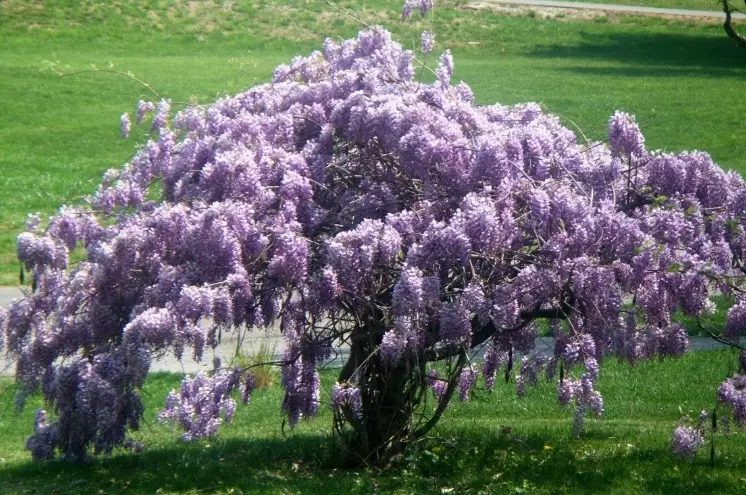
You'll be amazed at how much greenery you remove. It feels violent. Do it anyway.
Winter Pruning (January/February)
When the plant is bare and dormant, it's time for the precision cut. Go back to those same shoots you shortened in summer. Now, cut them back even further, leaving only 2 or 3 buds. These fat, knobby buds are where your flowers will emerge from in spring. You're basically pointing to them and saying, "You. Bloom here."
What about the main trunk and leaders? Train those to your structure when young, then let them be. Pruning is about managing the side-shoots, not the main framework.
Feeding: The Fertilizer Trap Most People Fall Into
Here's a classic mistake. Your wisteria isn't blooming, so you think, "It must be hungry!" You shower it with a high-nitrogen fertilizer (like the stuff you use on your lawn). Big mistake. Nitrogen promotes green, leafy growth. You'll get a monster vine with zero flowers.
What does a wisteria actually need? Phosphorus and potassium. These elements support root development, overall health, and crucially, flower formation. In early spring, feed with a fertilizer that has a higher middle and last number, like a 5-10-10 or something similar. You can also use a fertilizer labeled for "blooms" or "flowers."
Even better? Use a sprinkle of superphosphate or bone meal around the root zone in fall. And here's an old gardener's trick: some swear by driving a few rusty iron nails into the ground near the roots, claiming the iron helps. I'm skeptical, but it certainly won't hurt.
Solving the "No-Bloom" Blues: A Troubleshooting Checklist
So your wisteria is all leaves, no party. Let's diagnose it. Run down this list.
- Too Young: Is it a grafted plant less than 3-5 years old? Be patient. Seed-grown? You might be waiting a very long time.
- Not Enough Sun: This is the #1 reason. If it gets less than 6 hours of direct sun, consider moving it (a big job) or removing shading branches from nearby trees.
- Over-fertilizing (especially with Nitrogen): Stop all high-nitrogen feeds. Switch to a bloom booster or just use compost.
- Incorrect Pruning: Are you pruning at the wrong time or not hard enough? Adopt the summer/winter routine religiously.
- Winter Kill of Flower Buds: A late, hard frost can zap the tender flower buds, especially on Chinese varieties that bloom early. Not much you can do but wait for next year.
- Root Disturbance: Did you recently transplant it or dig near its roots? Wisteria hates root disturbance and may sulk for years.
Sometimes, a wisteria's stubbornness requires a shock to the system. Some gardeners recommend root pruning—driving a spade in a circle around the plant (about 2-3 feet from the main stem) to sever some outer roots in late fall. This stresses the plant just enough to trigger a flowering response. It's a last resort, but I've heard it works.
Beyond Blooms: Training, Containers, and Other Tricks
You don't need a castle to grow wisteria. You can train it as a free-standing "tree" (standard). It takes work—staking it firmly and constantly removing side shoots from the main trunk until it forms a head—but the result is spectacular: a lavender weeping tree.
Growing wisteria in a pot? It's possible, especially with the dwarf American cultivars like 'Amethyst Falls'. Use the largest pot you can manage (a half whiskey barrel is good), with excellent drainage. You'll need to water and feed more frequently, and pruning is even more critical to keep size in check. A potted wisteria's roots will be more constrained, which can actually encourage flowering.
Training on a wall is classic. Use strong, galvanized wires held away from the wall on vine eyes. Guide the main leaders along the wires and then prune the side shoots as described. The effect is breathtaking.
Wisteria Wisdom: Answers to Your Thorniest Questions
Let's tackle the stuff you're actually typing into Google.
Is wisteria poisonous?
Yes. All parts of the plant, especially the seeds and seed pods, contain toxins called lectins and wisterin. Ingesting them can cause severe stomach upset, nausea, and vomiting. It's a serious concern if you have curious pets or small children. The Royal Horticultural Society's poisonous plants list confirms this. Enjoy the beauty, but keep the pods picked up and out of reach.
Why are the leaves turning yellow?
Could be a few things. Chlorosis (yellow leaves with green veins) is common in alkaline soils—wisteria prefers slightly acidic to neutral pH. It indicates an iron deficiency. Treat with a chelated iron supplement. Yellowing can also be from overwatering/poor drainage, or a simple lack of nitrogen (ironic, given our warnings—balance is key!).
How do I stop it from taking over my yard?
Vigilance and pruning. Those long runners will head for your gutters, roof, and other plants. Twice a year, do a "runner patrol" and cut back any unwanted growth. Never let a stray shoot root into the ground—it will form a new plant. Consider planting it in a bottomless container sunk into the ground to physically restrict root run.
Can I grow it from a cutting?
You can, but it's slow. Softwood cuttings in summer or hardwood cuttings in winter can work. But for a flowering plant, you're better off buying a named, grafted cultivar from a reputable nursery. You know what you're getting, and it will bloom years sooner.
What about pests and diseases?
Honestly, wisteria is pretty tough. Aphids might bother new growth—blast them off with a hose. Scale insects can attach to old wood. The most serious issue is sometimes powdery mildew on leaves in late summer, but it's usually cosmetic. Good air circulation (from proper pruning) helps prevent it. The USDA's plant database has good info on its general hardiness and range.
The Long Game: Patience and Payoff
Caring for a wisteria is a commitment. It's not a "plant it and forget it" annual. It's a decades-long partnership. You train it, it tests you, and eventually, you find a rhythm. The payoff, though, is unmatched. There's something almost ancient and magical about sitting under your own wisteria's floral canopy, the scent hanging in the air, the bees humming.
It teaches you patience. It teaches you that sometimes, less care (less fertilizer, less water) is more. It teaches you the courage to prune hard. When you finally crack the code and those first long clusters burst open, it's a personal victory. You've conversed with the vine and understood its language. You've gone from frustrated gardener to a true wisteria whisperer. And let me tell you, that view from under the lavender waterfall is worth every minute of the wait.
Now go check your plant's sun exposure. And maybe sharpen those pruners.