Let's talk about the smoke tree. You've probably seen it. Maybe driving through a fancy neighborhood in late spring, you spotted this shrub or small tree with these crazy, hazy plumes that look like a pinkish-purple cloud settled on its branches. Or perhaps you've seen photos online of one with foliage so deep purple it's almost black. That's it. That's the smoke bush, or smoke tree (botanists call it Cotinus coggygria). It's one of those plants that makes people stop and ask, "What on earth is that?" I know because that's exactly how I got hooked.
I planted my first one about seven years ago, a 'Royal Purple', in a spot where nothing else seemed to thrive. I was skeptical, honestly. The description sounded too good to be true. Dramatic color? Check. Easy care? Supposedly. That weird, smoky flower show? Promised. I'm here to tell you, it mostly lived up to the hype, but not without a few lessons learned the hard way. This guide is everything I wish I'd known before I dug that first hole, plus a ton of research and conversations with nursery pros to fill in my gaps.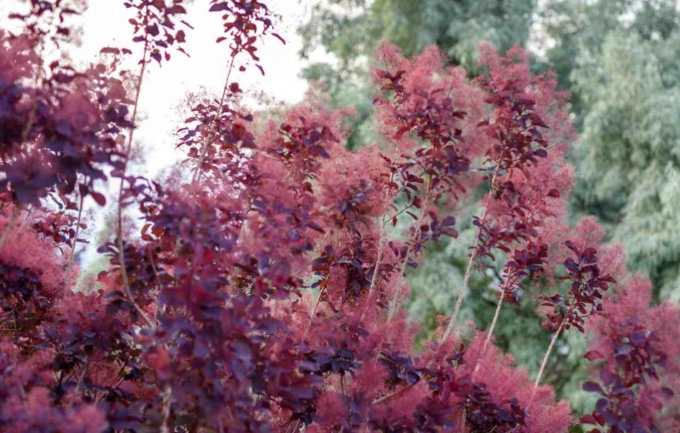
So, what exactly is a smoke tree? At its core, it's a deciduous shrub (sometimes trained as a small tree) prized for two main features: its stunning foliage, which comes in rich purples, blues, greens, and even golds, and its unique "smoky" inflorescences. Those smoky plumes aren't flowers in the traditional sense—they're mostly feathery, elongated stalks (pedicels) that develop after the tiny, actual flowers fade. The effect lasts for weeks, sometimes months, giving the plant its unforgettable common name.
Why the Smoke Tree Might Be Your Next Garden Obsession
It's not for every single garden, I'll admit that upfront. But if its look speaks to you, the benefits are pretty compelling.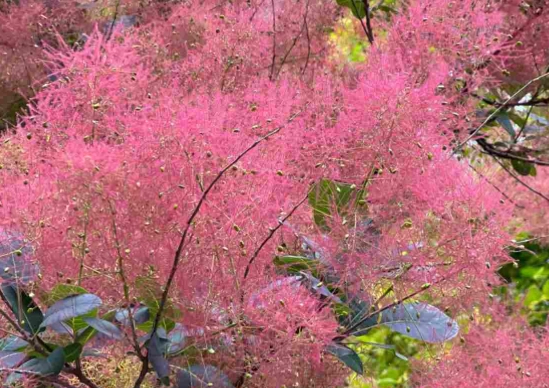
First off, it's a four-season performer in many climates. Spring brings the fresh, often colorful leaves. Summer is the main event with the smoke show. Fall can deliver a spectacular finale of orange, red, and scarlet hues on the foliage. And in winter, the multi-stemmed form and interesting, gnarled bark on older specimens have a stark, architectural beauty. That's a lot of value from one plant.
Then there's the toughness. Once established, smoke trees are remarkably drought-tolerant. That was the big sell for me. My garden gets baked in the afternoon sun, and the soil isn't exactly premium loam. The smoke tree just shrugged it off after the first year. They're also generally pest and disease resistant. Deer tend to leave them alone, which is a massive win in my book. Rabbits might nibble new shoots, but that's usually a minor issue.
But here's a bit of a reality check, a personal negative. That "easy care" tag can be misleading when it comes to pruning. If you want those giant, lush leaves on the purple varieties (which is why most people buy them), you need to cut them back hard. Like, "did I just kill it?" hard. Every year or two. If you don't, they get leggy, the leaves get smaller, and the whole thing can look a bit sad and sparse. It's not difficult labor, but it requires a bit of nerve the first time you do it. We'll get deep into the how and when later.
Navigating the Smoke Tree Variety Maze: Which One is For You?
This is where decisions get fun. You can't just ask for a "smoke tree." You need to know which cultivar fits your vision. The species itself (Cotinus coggygria) is a green-leaved form, but it's the named varieties that steal the show. Let's break down the top contenders.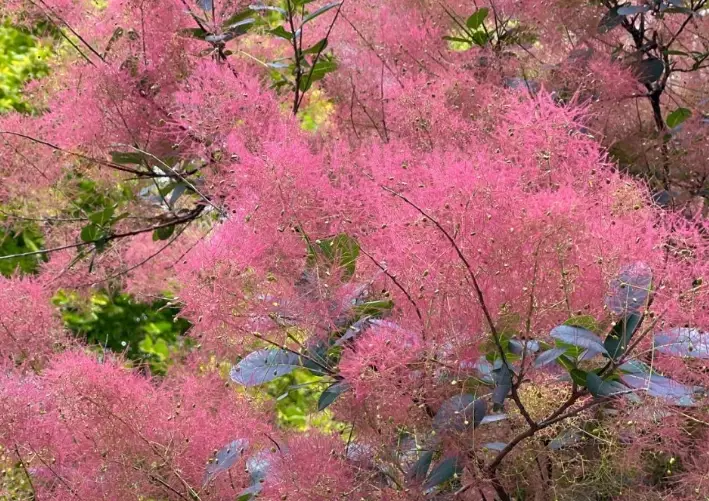
For the deepest, most dramatic purple, you're looking at 'Royal Purple'. It's the classic. The leaves emerge a rich maroon-red and mature to a deep, velvety purple-black. The smoke is a purplish-pink. It's a stunner. But in my experience, it needs full sun to hold that dark color; too much shade and it can fade to a dull greenish-purple.
A close rival, and some say an improved one, is 'Grace'. This is actually a hybrid (Cotinus 'Grace'). Its leaves are a slightly brighter purple-red when young, and the fall color is supposed to be a fiery scarlet-orange that's more reliable than 'Royal Purple'. The smoke plumes are also larger and pinker. It tends to grow larger and more vigorously too.
Want something different? 'Golden Spirit' (often sold as 'Ancot') is a game-changer. Its foliage is a bright, chartreuse gold all season long. It lights up a shady corner or contrasts brilliantly with dark-foliaged plants. The smoke is a soft, creamy pink. The catch? It can scorch in the hottest, most intense afternoon sun. A bit of dappled shade in peak heat is ideal.
For a more subtle, elegant look, seek out 'Velvet Cloak'. The leaves are a refined, oval shape and a rich purple that holds well. It's known for its exceptional, long-lasting fall color of brilliant reds and oranges.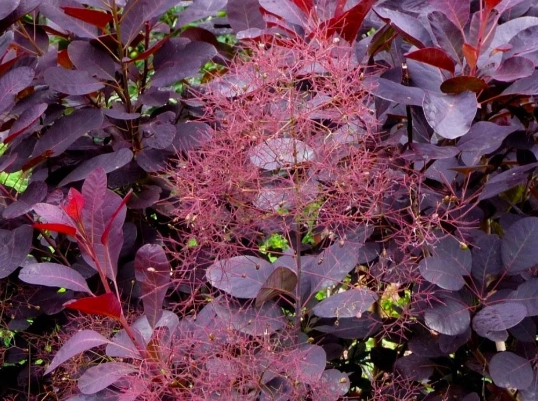
| Variety | Foliage Color | Smoke Color | Mature Size (approx.) | Best For |
|---|---|---|---|---|
| 'Royal Purple' | Deep purple-black | Purplish-pink | 10-15 ft tall & wide | The classic dramatic statement; full sun lovers. |
| 'Grace' | Vibrant purple-red | Large, pink | 15-20 ft tall & wide | Larger spaces; superior fall color. |
| 'Golden Spirit' | Bright chartreuse gold | Creamy pink | 10-12 ft tall & wide | Lighting up shade; stunning contrast. |
| 'Velvet Cloak' | Rich purple | Pinkish | 10-12 ft tall & wide | Elegant form & spectacular fall foliage. |
| Nordine™ ('Nordine') | Wine-red, cold-hardy | Pink | 10-15 ft tall & wide | Colder climates (down to Zone 4). |
A quick note on the American smoke tree (Cotinus obovatus). It's a different species native to the southeastern US. It grows much taller (like a proper tree, up to 30 feet), has rounded blue-green leaves that turn incredible shades of orange, red, and purple in fall, and its smoke is more airy and grayish. It's less common in nurseries but worth seeking out if you have space and want a native, tree-sized option. The University of Florida's IFAS Extension has a great fact sheet on Cotinus obovatus if you're curious about the native species.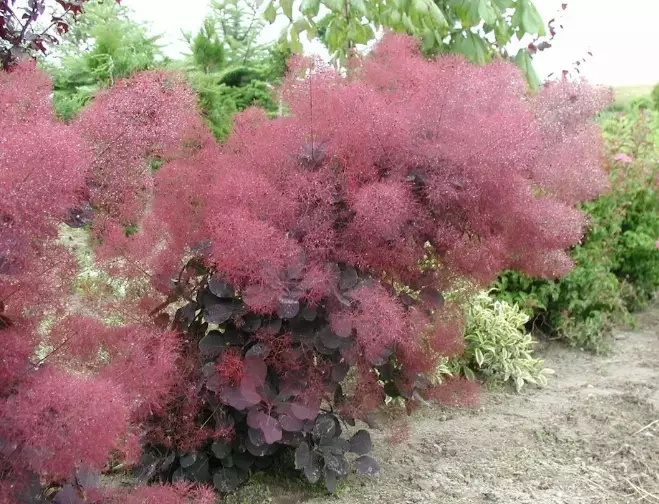
Getting It in the Ground: The Planting Playbook
Planting a smoke tree isn't rocket science, but a few key moves make the difference between it just surviving and absolutely thriving. Timing is your first friend. Early spring or early fall are ideal. That gives the roots time to settle in before summer stress or winter freeze.
Location, Location, Location: This is non-negotiable. Almost all smoke trees, especially the purple ones, demand full sun. That means at least 6 hours of direct, unfiltered sunlight. More is better. In too much shade, they get leggy, produce little to no smoke, and the purple cultivars lose their intensity. The golden ones can take a bit of afternoon shade in very hot climates to prevent leaf scorch.
Soil: Here's their secret weapon: they are incredibly adaptable. They prefer well-drained soil but will tolerate poor, rocky, alkaline, or slightly acidic soils. What they absolutely will not tolerate is soggy, waterlogged roots. That's a death sentence. If you have heavy clay, you must amend the planting hole generously with compost or plant it in a raised mound. Good drainage is the one thing you can't compromise on.
Pro Planting Tip: Dig a hole twice as wide as the root ball but no deeper. You want the top of the root ball level with or just slightly above the surrounding soil grade. Planting too deep is a common mistake. Backfill with the native soil mixed with some compost, water deeply to settle, and apply a 2-3 inch layer of mulch (like shredded bark) around the base, keeping it away from the trunk. The mulch is a lifesaver for moisture retention and root temperature regulation.
Spacing is another thing I messed up initially. That little 3-gallon pot will not stay little. A standard smoke bush can easily spread 10-15 feet. Give it room to breathe and show off its natural, vase-shaped form. Crowding it leads to poor air circulation and can invite mildew.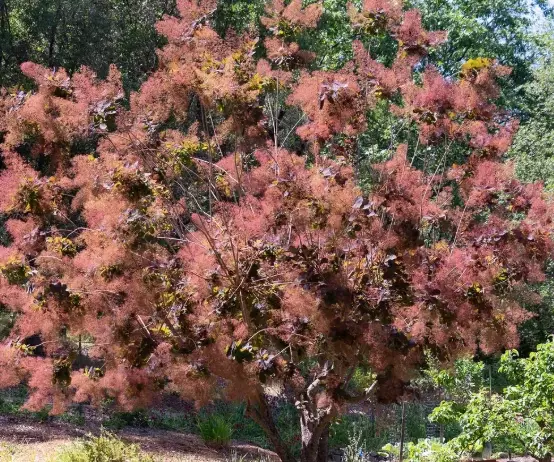
The First Year: Babying Your Smoke Tree
The first growing season is critical. While established plants are drought-tolerant, a new smoke tree needs consistent moisture. Don't let the root ball dry out completely. A deep watering once or twice a week, depending on heat and rain, is far better than daily sprinkles. You're encouraging those roots to go deep. After the first year, you can start to relax on the watering schedule, only supplementing during prolonged droughts.
Hold off on fertilizer the first year. Let it get settled. In subsequent springs, a light application of a balanced, slow-release fertilizer or a top-dressing of compost around the drip line is plenty. More is not better; over-fertilizing can lead to weak, sappy growth and fewer of those prized smoky plumes.
The Art and Science of Pruning a Smoke Tree
This is the big one. The question that causes the most confusion. To prune or not to prune? And how? The answer depends entirely on what you want from your plant.
Pruning Method 1: The Hard Cutback (For Foliage Effect)
This is the most common approach for purple-leaved varieties like 'Royal Purple'. You sacrifice the smoke flowers for massive, luxuriant leaves. In late winter or very early spring, before new growth starts, you cut the entire plant back to within 6 to 12 inches of the ground. Yes, really. It feels brutal. New growth will explode from these stubs, resulting in long, vigorous stems with leaves that can be twice their normal size. The plant becomes a dense, leafy mound. It's spectacular. But you won't get the smoky plumes that year, as those form on second-year wood.
Pruning Method 2: The Structural Prune (For Tree Form & Smoke)
If you want the smoke show and/or want to train it into a multi-stemmed small tree, you prune differently. In late winter, remove any weak, crossing, or dead branches. Then, selectively thin out about one-third of the oldest stems at the base to encourage new growth from the bottom and improve air circulation. You can also gradually remove lower branches over several years to elevate the canopy and reveal the attractive trunk. This method allows some older wood to remain, which will produce the smoky plumes.
Pruning Method 3: The Laissez-Faire Approach
You can just let it grow. It will eventually become a large, open shrub with a natural, graceful habit. You'll get flowers and smoke, but the leaves will be smaller and the overall form may get a bit wild. This works well in a naturalized or cottage garden setting.
Timing Warning: Never prune a smoke tree in late summer or fall. This stimulates tender new growth that will be killed by the first frost, stressing the plant and opening the door for disease.
Season-by-Season Smoke Tree Care Checklist
Let's make this simple. Here's what your smoke bush needs throughout the year.
Spring: As buds swell, apply your light fertilizer or compost. This is also your last chance for hard pruning if you're going for big leaves. Keep an eye out for new growth and celebrate.
Summer: Enjoy the show! The smoke appears in early to mid-summer and can last into fall. Water only if there's a severe drought. Sit back with a lemonade and admire.
Fall: Enjoy the second act of fall color. No fertilization. You can do a light cleanup of fallen leaves around the base to discourage pests, but leave the plant alone.
Winter: The plant is dormant. This is the ideal time for structural pruning (Method 2). Appreci its skeletal form against the winter sky.
Troubleshooting: What's Wrong With My Smoke Tree?
They're tough, but not invincible. Here are the issues you might face.
Powdery Mildew: This is the most common problem, especially in humid climates or with poor air circulation. It looks like a white, powdery coating on the leaves. It's usually more cosmetic than deadly. To prevent it, ensure proper spacing, avoid overhead watering, and prune for good airflow. If it appears, you can use a fungicide labeled for mildew, or just tolerate it—the fall color often shines through anyway. The Royal Horticultural Society has a comprehensive overview of powdery mildew management that applies here.
Verticillium Wilt: This is a serious soil-borne fungus. Symptoms include sudden wilting, yellowing, and browning of leaves, often on one side of the plant. There is no cure. The best defense is prevention: plant in well-drained soil and avoid injuring the roots. If it strikes, remove and destroy the plant; do not plant another smoke tree or susceptible species (like maples, tomatoes, roses) in that spot.
No Smoke / No Color: This is almost always an environmental or care issue. No smoke? The plant is likely too young, was pruned too hard that spring, or isn't getting enough sun. Faded purple leaves? Not enough sun. Weak, spindly growth? Probably too much shade or over-fertilization.
Smoke Tree FAQs: Answering Your Burning Questions
I get a lot of questions from other gardeners. Here are the most frequent ones.
Q: How fast does a smoke tree grow?
A: With good conditions, they're moderately fast growers. You can expect 1 to 2 feet of growth per year, especially when young. They establish quickly.
Q: Are smoke tree roots invasive?
A: No. Their root system is fibrous and relatively non-aggressive. They aren't known for damaging foundations or sewer lines like some trees. You can safely plant them near patios or walkways.
Q: Can I grow a smoke tree in a container?
A: You can, for a while, especially with a dwarf variety. Use a large, sturdy pot with excellent drainage. Be prepared to water much more frequently and eventually repot or root-prune as it becomes pot-bound. It's not a forever solution for a standard-sized variety, but it can work for several years.
Q: Is the smoke tree toxic to pets?
A> The ASPCA does not list Cotinus as toxic to dogs or cats. However, the sap can be a mild skin irritant for some people, so wearing gloves when pruning is a good idea.
Q: My smoke tree didn't leaf out in spring. Is it dead?
A: Don't panic! Smoke trees are notoriously late to leaf out in spring. It's one of the last shrubs to show signs of life. Be patient until late spring or even early summer before giving up. Scratch a small branch—if it's green underneath, it's still alive.
Final Thoughts: Is the Smoke Tree Right For You?
Look, the smoke bush isn't a low-maintenance groundcover you can forget about. It asks for a bit of attention, mostly in the form of strategic pruning and the right sunny spot. But what it gives back in return is pure garden magic. That moment in high summer when the light catches those smoky plumes, or when the morning sun shines through those giant purple leaves—it's a payoff that lasts for years.
If you have a hot, sunny, well-drained spot and you're looking for a plant with serious personality, a smoke tree is a fantastic candidate. Start with a healthy plant from a reputable nursery, plant it right, and learn its pruning rhythm. You might just find yourself, like I did, planning your next garden bed around where you can fit one more.
Maybe the golden one this time. For contrast.