Let's get straight to it. Growing an almond tree is a long-term commitment that pays off in the most delicious way possible—with your own crop of nuts. But between that dream and your first harvest lies a minefield of common mistakes. I've seen too many hopeful gardeners buy the wrong variety, plant at the wrong time, or prune away their entire harvest without knowing it. This guide cuts through the noise. We'll cover exactly what you need to know, from selecting a tree that won't die in your winter to the simple trick for knowing when your almonds are ready to pick.
What You'll Discover in This Guide
The Almond Tree: It's Not What You Think
First, a quick reality check. That almond in your hand isn't a nut. Botanically, it's the seed of a stone fruit, related to peaches, plums, and apricots. If you crack open the fuzzy, green outer hull in late summer, you'll find the hard shell we recognize, and inside that, the edible kernel. This matters because it tells you about the tree's needs—it's a stone fruit tree at heart.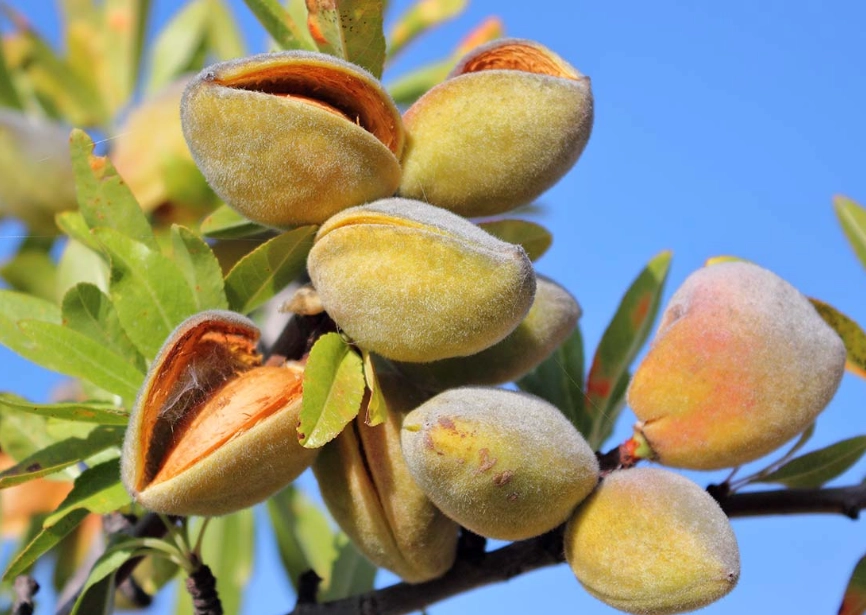
The biggest non-negotiable is climate. Commercial almonds thrive in the hot, dry summers and mild, wet winters of places like California's Central Valley. If you're not in USDA Hardiness Zones 7-9 (with winter lows roughly between 0°F and 20°F / -18°C to -7°C), you'll face an uphill battle. Frost is the enemy of blossoms. A late spring frost can wipe out an entire year's crop in one cold night. I learned this the hard way with an early-blooming variety in a valley that loved to hold frost.
Most almond trees are not self-fertile. This is the single most overlooked fact by beginners. You need at least two different, compatible varieties flowering at the same time for cross-pollination. If you only plant one tree, you might get beautiful blossoms but zero nuts. Bees, especially honeybees, are critical partners here.
How to Choose the Right Almond Tree Variety
Picking a tree from a catalog or nursery based on the nut picture is a recipe for disappointment. You must match the variety to your local climate, especially your winter chill hours and spring frost dates.
| Variety | Key Characteristics | Best For (USDA Zones) | Pollination Note | My Personal Take |
|---|---|---|---|---|
| 'All-in-One' | Semi-dwarf (15-20 ft), self-fertile, soft-shelled. | Zones 7-9. Good for smaller spaces. | Can set a solo crop, but yields better with a partner like 'Garden Prince'. | The go-to for backyard growers. Reliable and manageable. The "self-fertile" tag is a bit optimistic—you'll get more nuts with a friend. |
| 'Nonpareil' | Industry standard. Paper-thin shell, high-quality kernel. Blooms early. | Zones 8-9. Warmest areas only. | Needs a pollinator like 'Carmel' or 'Monterey'. | Produces the classic almond look. Fantastic flavor, but an early bloomer that's super frost-sensitive. Not for marginal climates. |
| 'Texas Mission' | Hard-shelled, vigorous, late bloomer. Heat and disease tolerant. | Zones 7-9, especially hotter interiors. | Needs a pollinator. Pairs with 'All-in-One' or other late bloomers. | A tough cookie. The hard shell protects from birds and squirrels better than thin-shelled types. Blooms later, missing some frosts. |
| 'Garden Prince' | Genetic dwarf (10-12 ft). Truly self-fertile. Good for containers. | Zones 7-9. Patio/container growing. | Self-fertile. | The best option if you have very limited space or want to grow in a large pot. Yield is modest, but it's a real almond tree on a small scale. |
Call your local county extension office (like those affiliated with USDA) and ask about the average last spring frost date and recommended fruit tree varieties for your area. This is more valuable than any generic online guide.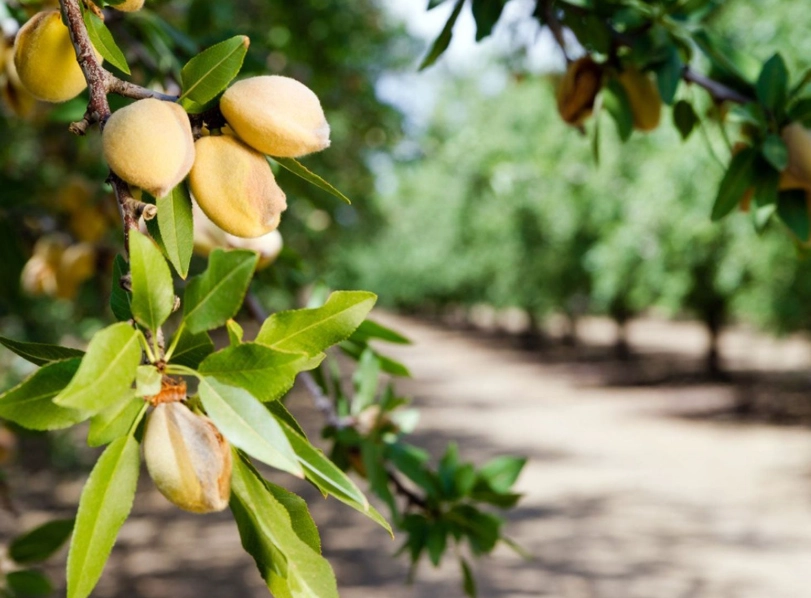
Step-by-Step Almond Tree Planting Guide
Planting is where you set the stage for the next 20-25 years. Do it right.
The When and Where
In mild-winter climates (Zones 8-9), fall planting is ideal. The tree establishes roots over the cool, wet winter without the stress of summer heat. In colder areas (Zone 7), early spring, as soon as the ground is workable, is safer to avoid winter damage on a young tree.
Site selection is critical. Full sun means at least 8 hours of direct, unfiltered sunlight. More is better. Almonds are drought-tolerant once established, but they hate "wet feet." Soil must be well-draining. If you have heavy clay, you must plant on a wide, raised mound or choose a different spot. Don't plant in a lawn. Grass is a fierce competitor for water and nutrients.
The How: A No-Fuss Method
- Dig a Hole: Three times as wide as the root ball, but only as deep. Roughen the sides of the hole. Planting too deep is a silent killer.
- Prep the Tree: If pot-bound, gently tease out the outer roots. Don't amend the backfill soil with compost—it creates a "bathtub effect" where roots don't want to leave the cozy hole. Just use native soil.
- Plant and Water: Place the tree so the root flare (where roots meet trunk) is slightly above grade. Backfill, tamping gently to remove air pockets. Build a soil berm around the edge to create a watering basin. Water deeply immediately after planting.
- Mulch, But Don't Smother: Apply 3-4 inches of wood chip mulch in a wide circle (like a donut), keeping it 6 inches away from the trunk. This conserves moisture and suppresses weeds.
Your First-Year Almond Tree Timeline
Spring (Planting): Plant, water deeply, apply mulch. Stake only if in a very windy site.
First Summer: The most critical period. Water 2-3 times per week, deeply. The goal is to encourage deep roots. Do not fertilize at planting time.
Late Fall: After leaf drop, you can do light structural pruning to shape. Hold off on major cuts.
Winter (Dormant Season): Apply first light fertilizer (balanced, like 10-10-10) in late winter just before buds swell.
Your Almond Tree Care Routine: Water, Feed, Prune
Consistency beats heroics every time.
Watering: Deep and Infrequent
Young trees (Years 1-3): Regular, deep watering to establish roots. A slow trickle for several hours is better than a daily sprinkle.
Mature trees: Deeply water every 2-4 weeks during the dry season, depending on heat. The key is to let the soil dry out somewhat between waterings. Overwatering leads to root rot. A soil moisture meter is a cheap and useful tool to take the guesswork out.
Feeding: Less is More
Almonds aren't heavy feeders. A balanced fertilizer applied in late winter is usually sufficient. If you have vigorous leafy growth but little fruit, you might be overdoing nitrogen. A soil test every few years (available through your extension office) is the only way to know for sure what your soil needs.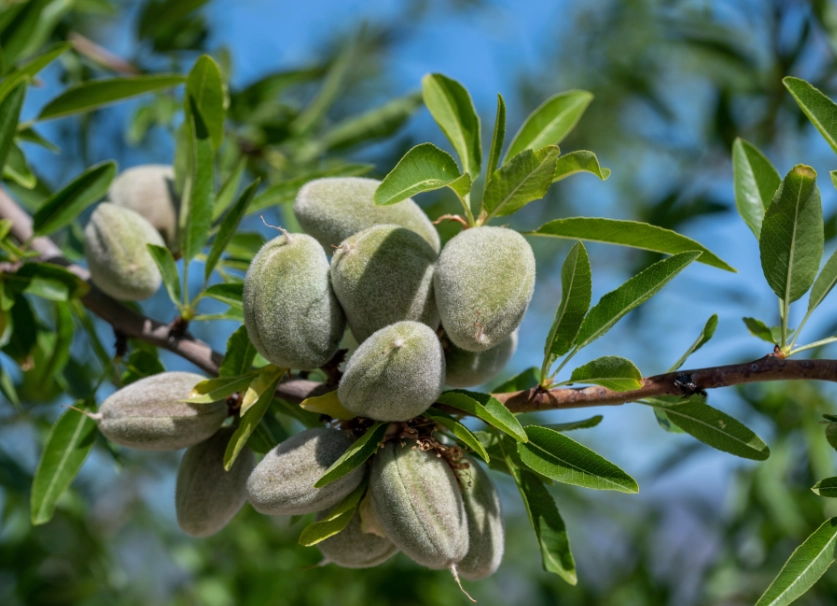
Pruning: The Art of Letting Light In
This is where most people get nervous. Almonds bear fruit on short-lived spurs (short shoots) on wood that is 2-5 years old. The goal of pruning is to renew this fruiting wood and maintain an open structure for light and air.
Dormant pruning (late winter) is for structure: remove dead/diseased wood, inward-growing branches, and any crossing/rubbing branches. Thin out some of the older wood to encourage new shoots. Summer pruning (after harvest) can be used for light corrective shaping.
Dealing with Pests and Diseases (The Organic Way)
A healthy, well-sited tree is your first defense. Problems often stem from stress—usually water stress or poor air circulation.
Peach Tree Borer: The larvae tunnel into the trunk near the soil line. Look for gummy sap mixed with sawdust. The organic fix is to carefully probe the hole with a wire to kill the larva, or use beneficial nematodes applied to the soil base in fall.
Leaf Curl (Peach Leaf Curl): A fungal disease causing red, curled leaves. Prevention is key. Apply a fixed copper fungicide or lime sulfur in late fall after leaf drop and again in late winter before buds swell. Once leaves are curled in spring, it's too late to treat that year.
Brown Rot: Affects blossoms and developing fruit in wet spring weather. Improve air flow via pruning and clean up any mummified fruit. Organic fungicides with bacillus subtilis can help.
Birds and Squirrels: They love almonds. For birds, netting as the nuts mature is the only surefire solution. For squirrels, well, good luck. Hard-shelled varieties like 'Texas Mission' offer some resistance.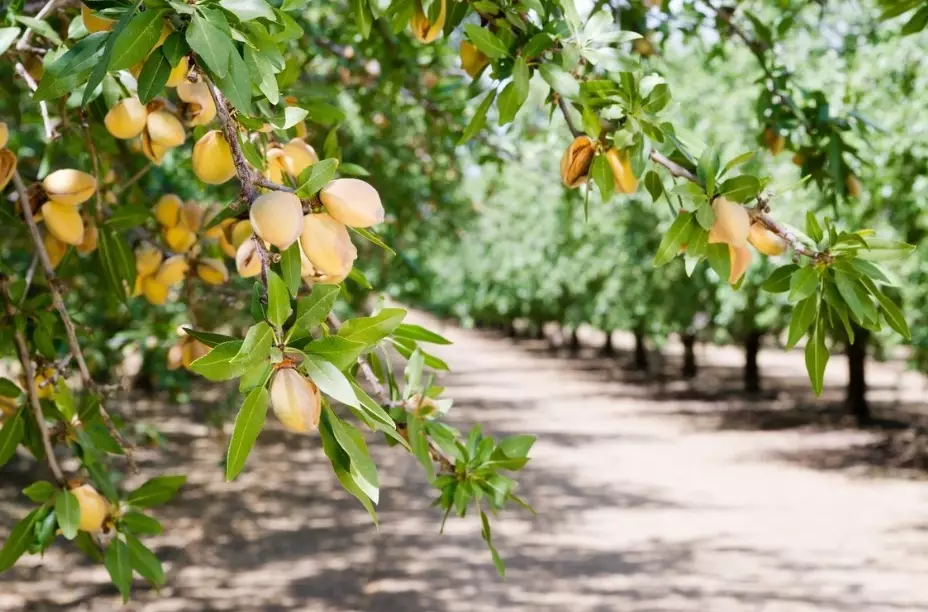
Harvesting and Storing Your Almonds
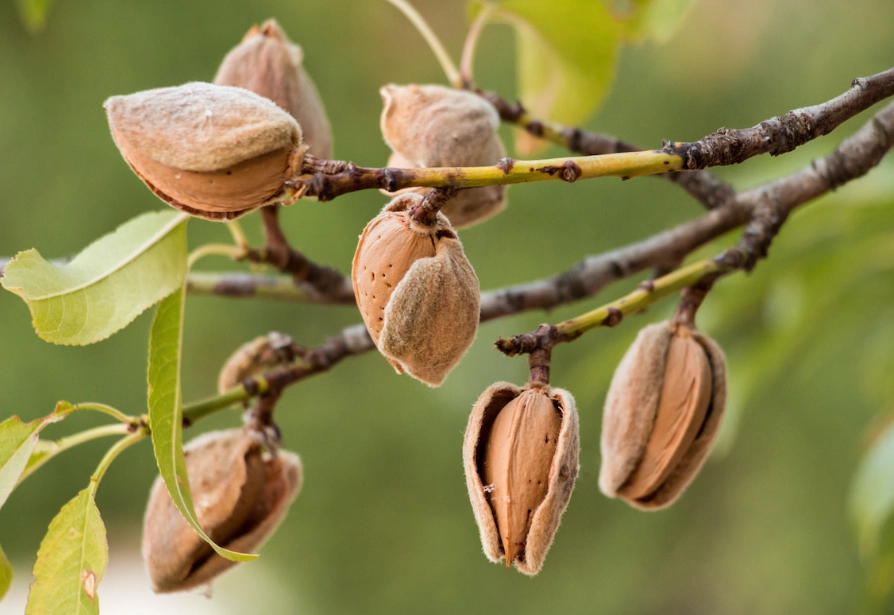
The moment of truth. In late summer/early fall, the leathery green hulls will start to split open, revealing the shell inside.
When to Harvest: Don't rush. Wait until about 75% of the hulls on the tree have split. The nuts inside are mature. You can give the branch a gentle shake; ripe nuts in split hulls will often fall. Some people lay tarps down and knock the nuts down with poles.
The Process:
- Hull: Remove the outer hull promptly if it hasn't fallen off. Wear gloves—the hulls stain.
- Dry: This is crucial. Spread the in-shell almonds in a single layer in a well-ventilated, shaded, dry place (a shed, garage, covered patio). Let them dry for 1-2 weeks. They're ready when the kernel rattles inside the shell and feels crisp, not rubbery.
- Shell (Optional): You can crack them as needed. An ordinary nutcracker works for soft-shell varieties; a heavier-duty cracker is needed for hard shells.
Storage: Store in-shell almonds in a cool, dark place in breathable bags (like mesh) for several months. Shelled almonds go rancid faster due to their high oil content. Store them in an airtight container in the refrigerator for up to a year, or freeze them for even longer.
Reader Comments