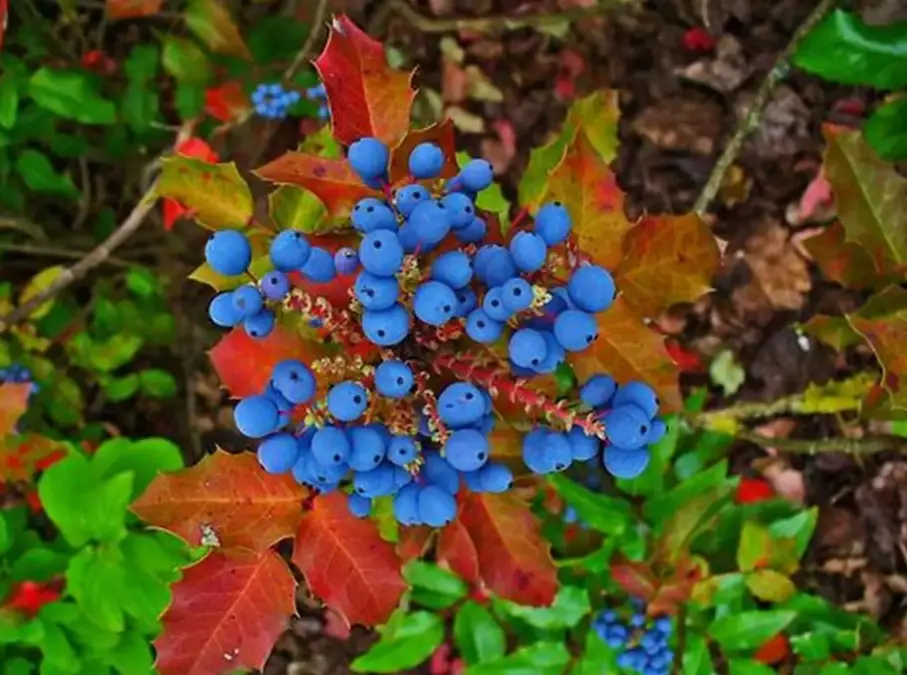
Let's get one thing straight right away: the Oregon grape (Mahonia aquifolium) isn't a grape at all. It's a tough, evergreen shrub native to the Pacific Northwest, and it's one of those plants that gets a bad rap for being "common" or "boring." That's a mistake. After growing and observing these plants in my own garden and in landscapes for over a decade, I've come to see them as one of the most undervalued workhorses in temperate gardening. They ask for little, give a lot, and have a secret life as a powerful medicinal herb that most garden centers never mention.
Most guides tell you it's drought-tolerant and has pretty berries. They stop there. But what about the gritty details? How do you actually keep it from looking leggy and sad? Can you really use those sour berries, and how? Is it true it can fight infections? We're going past the basic label and into the dirt.
What's Inside?
Where and How to Plant Oregon Grape for Success
Getting the start right eliminates half the future headaches. The biggest misconception is that because it's native, you can just chuck it anywhere. You can't.
Light is the first decision. Full sun in cooler, coastal climates gives you the densest growth and best berry production. In hotter, interior regions, afternoon shade is non-negotiable. I learned this the hard way in a zone 8b summer; a south-facing, unshaded plant scorched its leaves to a crisp, while one under a high-canopy pine thrived. Think dappled light, like the forest edge it naturally inhabits.
Soil is where most people mess up. Yes, it's adaptable, but it has a quiet preference. It tolerates heavy clay, but it excels in well-draining, humus-rich soil. The critical factor is pH. Forget what you've heard about it needing acidic soil like a blueberry. According to the USDA Plant Database, Mahonia aquifolium tolerates a wide range, including mildly alkaline soils. I've seen it flourish in neutral to slightly alkaline soils (pH 7.0-7.5) that would stunt a rhododendron. The key is drainage. If your soil is a soggy mess, amend it with compost and grit, or plant on a slope.
- Timing: Early fall is ideal. The soil is warm, rains return, and the plant establishes roots without summer heat stress. Spring is second best.
- The Hole: Dig twice as wide as the root ball, but no deeper. You want the crown level with the soil surface.
- The Mix: Backfill with a 50/50 blend of native soil and compost. Don't create a "bathtub" of rich soil in a clay pit; it will hold water.
- Spacing: For a hedge, 3-4 feet apart. As a specimen, give it 5-6 feet. It spreads by underground runners (stolons).
The Real Care Schedule: Watering, Pruning, and Feeding
Once established, this plant is famously low-water. "Established" means at least two full growing seasons of consistent moisture. That first summer, water it deeply once a week if there's no rain. A soaker hose for an hour is better than a daily sprinkle.
Year three and beyond? In the Pacific Northwest, it might never need supplemental water. In drier climates, a deep soak every 3-4 weeks during a summer drought keeps it happy. The leaves will tell you: if they start to look dull and lose their firmness, it's thirsty.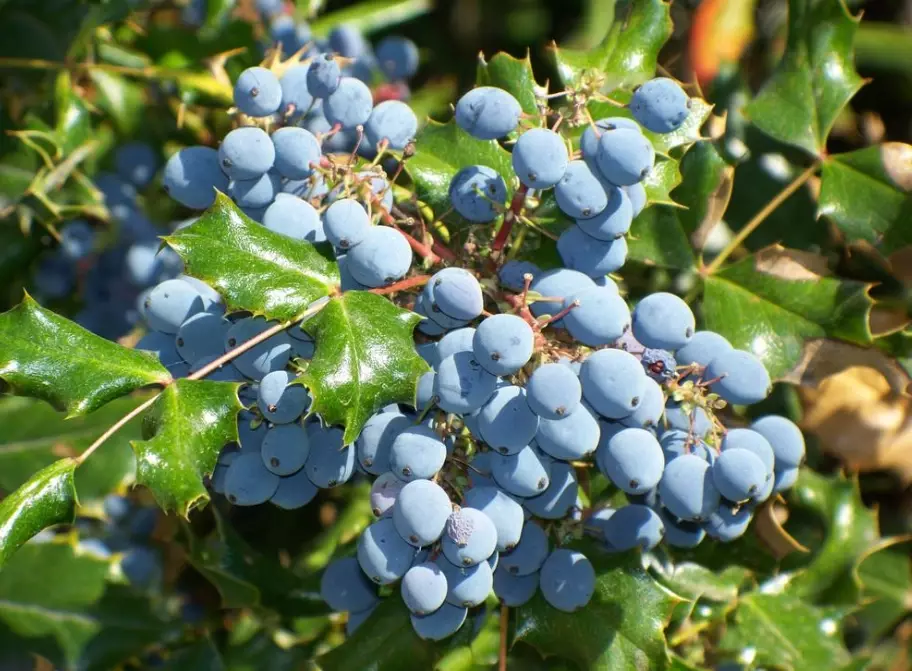
The Pruning Secret Nobody Talks About
Oregon grape left alone becomes a leggy, bare-ankled shrub with all the leaves at the top. Ugly. The trick is renewal pruning.
Don't just shear the top. Every year, after flowering, take your loppers and cut one or two of the oldest, thickest canes all the way down to the ground. This stimulates new, vibrant growth from the base, maintaining a full, bushy form. If you need to reduce height, cut specific canes to varying heights inside the shrub, not a uniform haircut. This looks more natural.
Fertilizer? Almost never needed. A top-dressing of compost in early spring is all the food it requires. Chemical fertilizers can spur weak, sappy growth that attracts aphids.
Solving Common Oregon Grape Problems (Before They Start)
It's a tough plant, but not invincible. Here’s a quick-reference table for the issues you might face.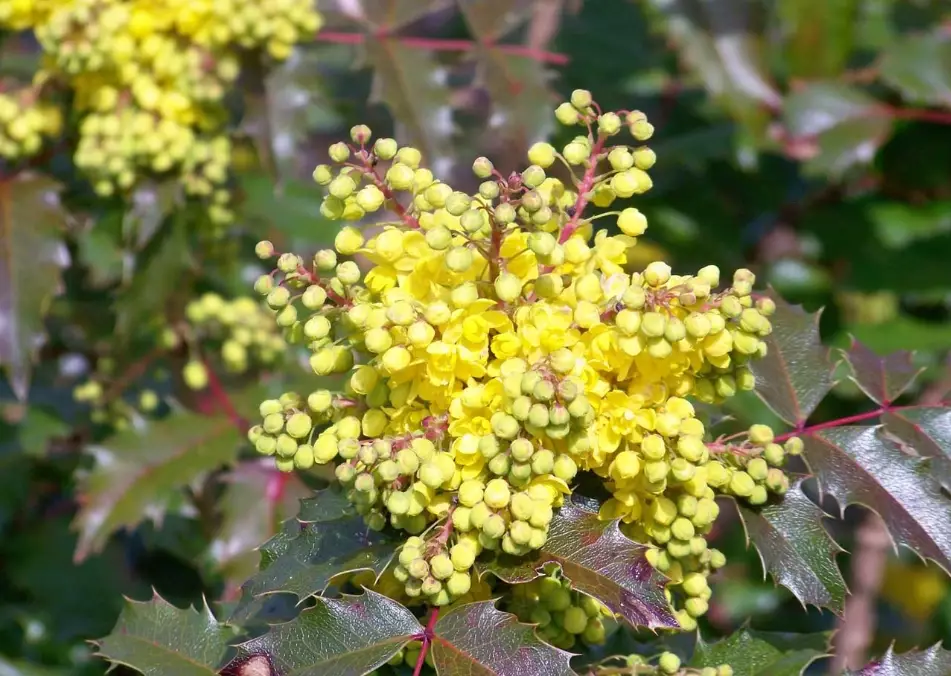
| Problem | Likely Cause | Expert Fix (Not the Generic One) |
|---|---|---|
| Leaf Scorch (brown, crispy edges) | Hot afternoon sun + dry wind, or winter desiccation. | Provide afternoon shade or a windbreak. For potted plants, ensure consistent winter moisture if the ground is frozen. |
| Powdery Mildew (white film on leaves) | Poor air circulation + warm, humid nights. | Improve spacing. Prune interior branches to open it up. A spray of 1 tbsp baking soda + 1/2 tsp soap + gallon of water can help. Avoid overhead watering. |
| Sparse, No Berries | Too much deep shade, or pruning at the wrong time (you cut off the flower buds). | Needs more light for flowering. Prune immediately AFTER flowering, not in late fall or winter. |
| Rust Fungus (orange spots underneath leaves) | A fungal disease that uses other plants (like wheatgrass) as an alternate host. | Remove severely affected leaves. Improve air flow. It's rarely fatal, just unsightly. |
From Garden to Kitchen to Medicine Cabinet
This is where the Oregon grape shines beyond ornament. Every part has a use.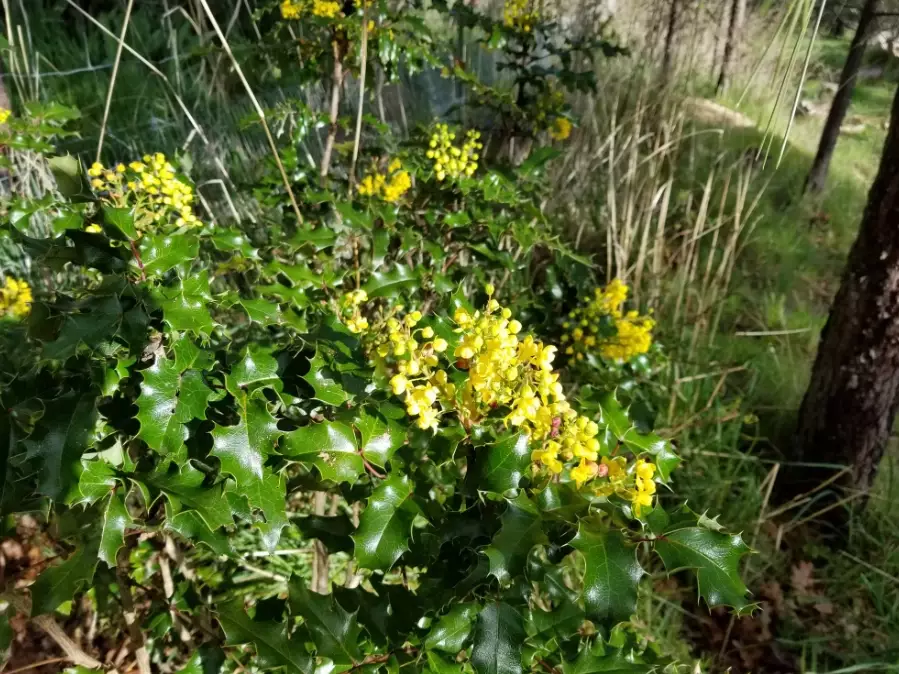
The Berries: Tart and full of seeds. Raw, they're borderline unpalatable. But cooked with sugar, they make a fantastic, vibrant pink jelly or syrup that tastes like a cross between blackberry and cranberry. The seeds contain pectin, so it sets beautifully. I mix the juice with sparkling water for a unique soda.
The Roots and Stems: This is the plant's hidden power. They contain berberine, a bright yellow alkaloid compound with documented antimicrobial and anti-inflammatory properties. For centuries, Native American tribes like the Blackfoot used preparations of the root for infections and digestive issues.
Modern herbalists may use a decoction (strong tea) of the root bark as a bitter tonic to support digestion or as a topical wash for minor skin irritations. The intense yellow color is a giveaway—it's been used as a dye for baskets and wool. If you forage for this purpose, do so sustainably and never take more than a small fraction of the roots from any one plant.
Your Oregon Grape Questions, Answered