Quick Navigation
- What Exactly Is an Aquilegia Columbine Flower?
- Popular Types of Aquilegia for Your Garden
- How to Plant Columbines: Getting It Right from the Start
- The Real Care Schedule: Keeping Them Happy Year-Round
- Pests & Problems: The Leaf Miner Dilemma
- Designing with Columbines: They're Not Just for Cottage Gardens
- Propagation & Seeds: Managing the Self-Seeding Circus
- Frequently Asked Questions (The Stuff You Actually Search For)
Let's talk about the aquilegia columbine flower. You've probably seen them in old cottage gardens or maybe poking through a crack in some shady rockery. They have this fairy-like, almost otherworldly look to them, with those spurred petals that look like little jester's hats or, as some say, a circle of doves (that's where the name "columbine" comes from, from the Latin for dove). I remember the first time I really noticed one. It was in my grandmother's garden, a clump of purple and white ones growing happily in what seemed like pure shade. I thought, "What is that? It's too pretty to be a weed." That started my own obsession.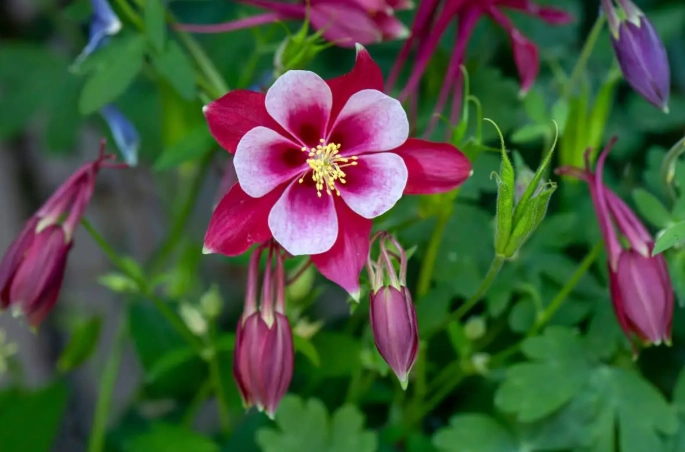
And I'm not the only one. The aquilegia columbine flower has been charming gardeners for centuries. But here's the thing – for all their delicate appearance, they're tougher than they look. Getting them to thrive, though, requires knowing a few of their quirks. That's what this guide is for. We're going to dig deep, past the basic plant tags, and figure out exactly how to make these perennials a long-term success in your own space. Forget the fluff; this is the real dirt on growing columbines.
In a hurry? Here's the core of it: Aquilegia are short-lived perennials that adore well-drained soil and part-shade. They self-seed generously, which is how they perpetuate themselves. They're generally low-maintenance but can be prone to leaf miners. Now, let's get into the details that make all the difference.
What Exactly Is an Aquilegia Columbine Flower?
First, let's clear up the name. "Aquilegia" is the botanical genus name. "Columbine" is the common name. So when you say "aquilegia columbine flower," you're essentially saying the same thing twice, but it helps people connect the scientific name to the plant they know. They're part of the Ranunculaceae family (the buttercup family), which explains the glossy petals and sometimes fussy nature.
The most distinctive feature? Those spurs. Each of the five petals forms a long, hollow tube that nectar collects in. This isn't just for show – it's a specific adaptation for long-tongued pollinators like hummingbirds, hawk moths, and bumblebees. The shape of the spur varies by species, which is one way botanists tell them apart. The leaves are lovely too – lobed, often bluish-green, forming a soft mound. The whole plant has an airy, graceful texture that's hard to replicate.
But here's a reality check no one talks about enough: they're not forever plants. Most aquilegia varieties are best treated as short-lived perennials, lasting 3-4 years on average. Their magic trick is prolific self-seeding. The parent plant might fade, but its seedlings will pop up nearby, often in delightful, unexpected color combinations. If you want a static, unchanging clump, this might frustrate you. If you love a garden that evolves and surprises you, it's a feature, not a bug.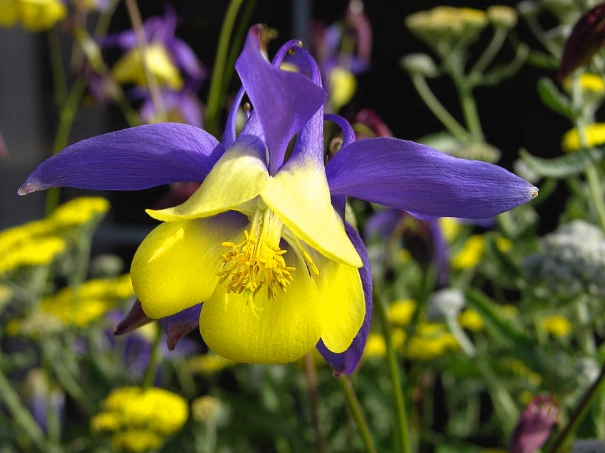
Popular Types of Aquilegia for Your Garden
There are over 70 species, but most garden center finds are hybrids. The color range is insane – from pure white and soft yellow to deep purple, red, pink, and bicolors. Here’s a breakdown of the ones you're most likely to encounter (or seek out).
| Variety Name | Color & Form | Height | Key Characteristics & My Experience |
|---|---|---|---|
| Aquilegia vulgaris (European Columbine) | Most often blue-violet, purple, white, or pink; short, hooked spurs. | 18-30" | The classic. Super hardy and a prolific self-seeder. The straight species is lovely, but look for cultivars like 'William Guiness' (deep purple with white). It's a workhorse in my shady border. |
| Aquilegia canadensis (Wild Columbine) | Red and yellow. Long, straight red spurs with yellow cups. | 12-24" | A North American native. Absolutely irresistible to hummingbirds. More tolerant of sun and drier soil than others. Less prone to leaf miner in my experience. A must-have for wildlife gardens. |
| Aquilegia chrysantha (Golden Columbine) | Bright yellow with long, elegant spurs. | 24-36" | Taller and more heat-tolerant. Great for the back of a part-shade border. 'Texas Yellow' is a stunning selection. It blooms a bit later for me, extending the season. |
| McKana Giants (Hybrid Mix) | A mix of large, long-spurred flowers in nearly every color combo. | 24-30" | What you often see in seed packets. Very showy, great for cut flowers. The downside? They can be a bit floppy and might need staking, especially after rain. |
| Aquilegia flabellata (Fan Columbine) | Soft blue, white, or pink; compact with attractive fan-shaped foliage. | 8-12" | Perfect for rock gardens, containers, or the front of a border. 'Mini Star' series is adorable. The foliage stays tidier looking than some of the taller types. |
My personal favorite? It's a toss-up between the native Aquilegia canadensis for its ecological value and sheer charm, and some of the darker vulgaris types like 'Black Barlow' (a double, spurless form that looks like a small dark clematis flower). The Barlows don't have nectar spurs, so they're less useful for pollinators, but man, they're dramatic in a vase.
How to Plant Columbines: Getting It Right from the Start
This is where most failures happen. You can't just plop an aquilegia columbine flower anywhere.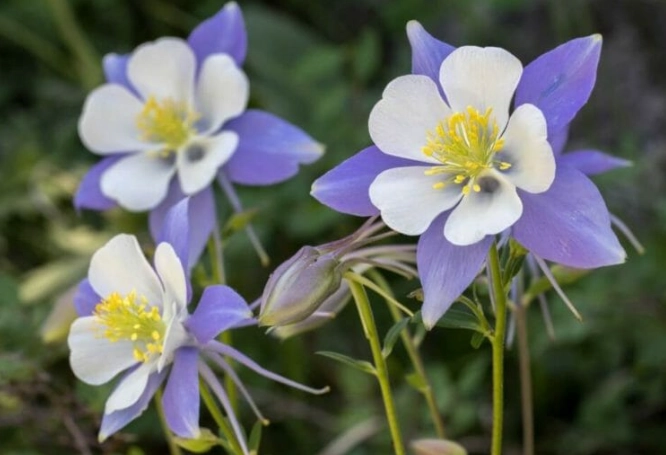
The Perfect Spot: Light & Location
Think of their natural habitat: woodland edges, rocky slopes. They want bright, dappled light. In cooler climates (like USDA zones 3-5), they can handle more sun, maybe even full sun if the soil stays consistently moist. But in hotter zones (6 and above), afternoon shade is non-negotiable. Full afternoon sun will scorch the leaves, stress the plant, and shorten its life dramatically.
I learned this the hard way. I planted a beautiful blue one in what I thought was a "bright spot" in my Zone 7 garden. By July, it was a crispy, miserable thing. Moved its seedlings to a spot with morning sun and afternoon shade, and they're happy as clams.
Pro Tip: Under a deciduous tree is ideal. They get light in spring when they're actively growing and blooming, and shade when the summer heat arrives.
Soil: The Drainage Imperative
This is critical. Columbines hate wet feet. Their roots will rot in heavy, soggy clay soil over winter. They thrive in rich, moist but well-drained soil. If you have heavy soil, you must amend it.
How? Dig a hole wider than the root ball. Mix a generous amount of compost and some coarse sand or fine grit into the native soil. This improves texture and drainage. You can also plant them in raised beds or on slopes. Good drainage is the single best thing you can do for their longevity.
Soil pH isn't a huge deal; they're adaptable from slightly acidic to slightly alkaline.
Planting Steps: Seeds vs. Transplants
From Seed: This is easy and rewarding. Columbine seeds often need a period of cold stratification to germinate. You can sow them outdoors in fall and let nature do the work, or mimic winter by mixing seeds with damp sand in a bag and storing them in the fridge for 3-4 weeks before sowing indoors in late winter. Don't cover the seeds deeply – they need light to germinate. Just press them gently onto the soil surface. They can take 30-60 days to sprout, so be patient. Seed-grown plants will flower in their second year.
From Nursery Pots: The best time is spring or early fall. Gently tease out any circling roots. Plant at the same depth it was in the pot. Water deeply to settle the soil. Space them about 12-18 inches apart. They'll fill in.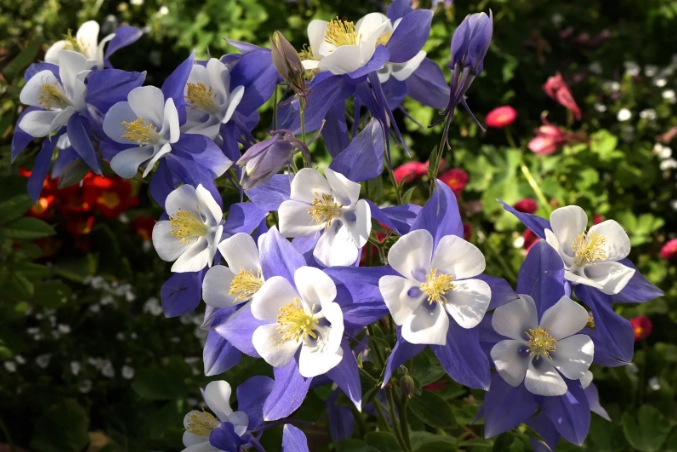
The Real Care Schedule: Keeping Them Happy Year-Round
Once established, aquilegia columbine flower care is pretty straightforward, but there are key moments.
I used to think you could just ignore them. And you mostly can, but a tiny bit of attention at the right time results in a much better-looking plant and more flowers.
Watering: Consistency Beats Quantity
They like consistent moisture, especially during spring growth and bloom. Deep watering once a week is better than frequent sprinkles. The goal is to encourage deep roots. Once established, they have decent drought tolerance, but they'll perform better and last longer with regular water. A 2-inch layer of mulch (shredded bark, leaf mold) is a game-changer. It keeps roots cool, conserves moisture, and suppresses weeds.
To Feed or Not to Feed?
They're not heavy feeders. If you planted them in decent compost-amended soil, that's often enough. A light application of a balanced, slow-release organic fertilizer in early spring as new growth emerges can give them a boost. Avoid high-nitrogen fertilizers – you'll get lots of leaves and fewer flowers, and the growth might be weak and floppy.
The Essential Chop: Deadheading & Cutting Back
This is the most important maintenance task. When flowers fade, cut the entire flowering stem back to the base. This does two huge things:
- It prevents the plant from putting energy into seed production (unless you want seeds, which we'll discuss).
- It often encourages a second, smaller flush of blooms later in the season.
Then, in late summer or early fall, the foliage can get tatty, especially if it had leaf miners. I cut the whole plant back to the ground. Fresh, clean leaves will often emerge and form a nice basal rosette for the winter. It makes the plant look a million times better.
Division? Usually Not Needed or Advisable.
Because they are short-lived and have a deep taproot, dividing mature aquilegia plants is tricky and often sets them back. It's not like dividing a hosta. The self-seeding habit is nature's way of renewing the colony. If you must move one, do it in early spring or early fall, dig deeply to get as much of the taproot as possible, and keep it well-watered after transplanting.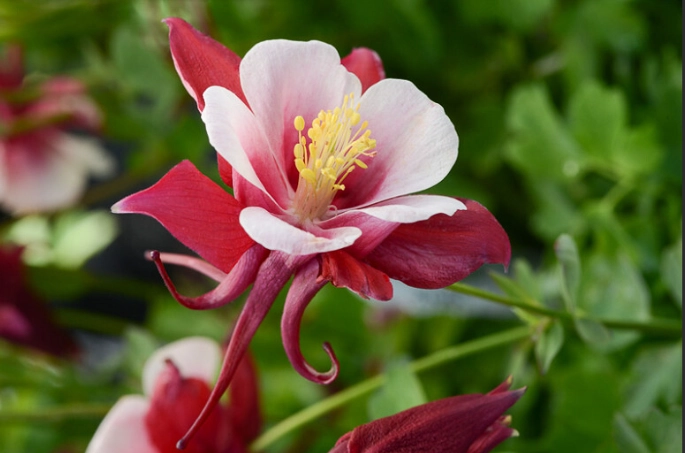
Pests & Problems: The Leaf Miner Dilemma
Let's be honest. The aquilegia columbine flower has a major Achilles' heel: the columbine leaf miner. This is the number one complaint from gardeners.
You'll see winding, whitish trails or blotches on the leaves. The miner is the larva of a small fly tunneling between the leaf surfaces. It looks awful, but here's the crucial part: it rarely kills the plant. It's a cosmetic issue that stresses the plant and makes it unsightly.
What NOT to do: Don't immediately reach for systemic pesticides. You'll kill the pollinators you're trying to attract to those beautiful flowers.
What to do instead:
- Sanitation is #1. As soon as you see damaged leaves in spring, pick them off and destroy them (put them in the trash, not the compost). This removes the larvae before they can mature and lay more eggs.
- Cut it all back. After blooming, or when infestation is severe, cut the entire plant back to the ground. It will usually send up fresh, clean foliage.
- Encourage healthy plants. A stressed plant is more susceptible. Ensure good growing conditions.
- Consider tolerance. I've learned to live with a bit of it. The early spring foliage is often pristine, and the damage appears after flowering. By then, the plant has done its main job.
Other occasional issues are aphids (blast them off with water) and powdery mildew (improve air circulation). Deer and rabbits generally leave columbines alone, which is a massive plus in many areas.
Designing with Columbines: They're Not Just for Cottage Gardens
Yes, they're a cottage garden staple, but they're so much more versatile.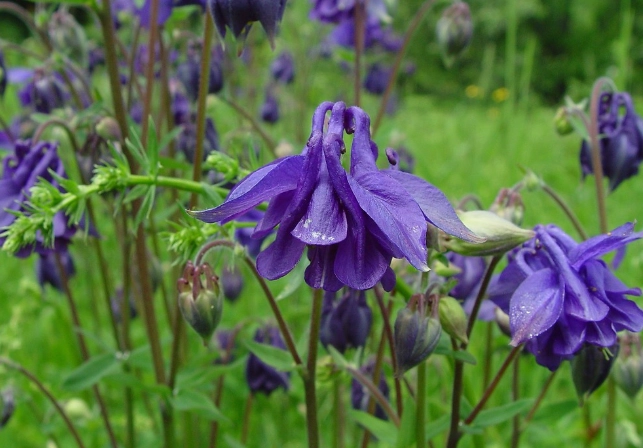
Naturalistic/Woodland Gardens: Perfect with ferns, hostas, pulmonaria, hellebores, and bleeding heart. The native A. canadensis is perfect here.
Rock Gardens: Use the dwarf species like A. flabellata. They love the sharp drainage.
Mixed Borders: They provide wonderful vertical interest and airy texture in spring. Pair them with the bold leaves of heuchera, the spiky forms of iris, or the mounds of hardy geraniums. They bloom alongside late tulips and alliums.
Containers: Dwarf varieties are excellent in spring container arrangements. Just ensure the pot has excellent drainage.
The key is to place them where their dying foliage later in the season will be hidden by the expanding leaves of summer-blooming neighbors.
Propagation & Seeds: Managing the Self-Seeding Circus
This is where you become the conductor. If you let all the seeds ripen and drop, you can have hundreds of seedlings. The hybrids will not come true from seed – they revert and cross, often resulting in lovely but unpredictable colors (usually in the blue-violet-pink-white range).
If you want control: Deadhead religiously before seeds form.
If you want surprises: Let a few seed pods turn brown and rattle. Shake them where you want potential new plants. Or, collect the seeds, store them in a cool, dry place, and sow them where you choose.
To save a specific variety: You must divide it (hard) or take root cuttings in winter (a more advanced technique). For most of us, enjoying the ever-changing self-sown parade is part of the fun of growing the aquilegia columbine flower.
Frequently Asked Questions (The Stuff You Actually Search For)
Are aquilegia columbine flowers poisonous?
Yes. Like many in the buttercup family, all parts of the plant contain compounds that can be toxic if ingested in large quantities. They can cause mild stomach upset. It's wise to wear gloves when handling them if you have sensitive skin, and to keep them out of reach of curious pets and children. The University of California's Safe and Poisonous Garden Plants guide lists them as having minor toxicity.
Why are my columbine leaves turning yellow?
Usually one of three things: 1) Overwatering/poor drainage (the most common cause – check your soil), 2) Natural senescence after blooming (just cut them back), or 3) Leaf miner damage severe enough to stress the plant.
Do columbines attract pollinators?
Absolutely, and specifically! The long-spurred types are evolutionary marvels designed for long-tongued pollinators. Hummingbirds adore the red-flowered A. canadensis. Bumblebees and hawk moths are frequent visitors to others. The nectar is tucked deep in those spurs, a reward only they can fully access. For more on planting for pollinators, the Xerces Society is an invaluable resource.
Can I grow aquilegia in pots?
Yes, especially the smaller varieties. Use a high-quality, well-draining potting mix. Ensure the pot has large drainage holes. Water regularly, as pots dry out faster. They may need more winter protection in containers, as the roots are more exposed to cold.
What should I plant with columbines?
Think about succession. Plant them with companions that will fill in and cover their fading foliage: ferns, hostas, astilbes, daylilies, or catmint. For a stunning spring combo, try them with late-blooming tulips, forget-me-nots (Myosotis), and the silvery foliage of lambs' ears (Stachys).
So, there you have it.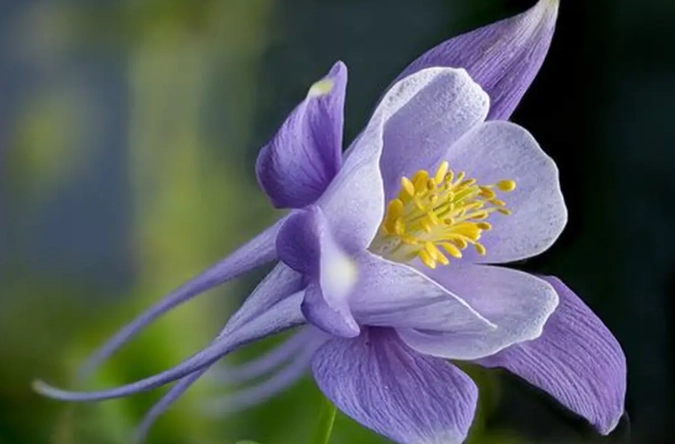
The aquilegia columbine flower isn't a "plant it and forget it" perennial for decades, but it's a generous, beautiful, and ecologically valuable plant that rewards a little understanding. Embrace its self-sowing habit, manage the leaf miner with sanitation, and give it the drainage and light it craves. Do that, and you'll have those enchanting, nodding flowers bringing fairy-tale charm to your garden every spring.
It's worth the tiny bit of effort. I can't imagine my spring garden without them now.