Let's talk about medicinal plants. Not as some ancient, mystical concept, but as living things you can grow on your windowsill or in your backyard. I've been cultivating and using them for over a decade, and the biggest mistake I see beginners make is jumping straight into complex herbal formulas without understanding the plant itself. This guide is about fixing that. We'll move past the generic lists and get into the real, actionable details of choosing, growing, and using medicinal herbs safely and effectively.
What's Inside This Guide
Why Bother Growing Your Own Medicinal Plants?
You can buy dried herbs online, right? True. But there's a gap between buying a bag of chamomile and growing it. When you grow it, you control everything: no pesticides, harvested at peak potency, and you develop a relationship with the plant. You learn its lifecycle, its preferences. That knowledge translates directly to better, more intentional use. The World Health Organization notes that up to 80% of people in some countries rely on plant-based medicine for primary healthcare. Bringing that into your own space is empowering.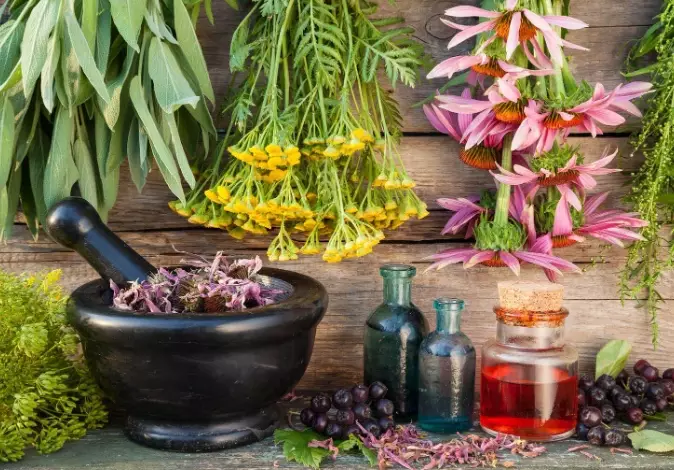
It's also about purity. I once tested a commercially bought "organic" echinacea root against my homegrown batch. Mine had a significantly stronger, more pungent smell and a darker, more resinous tincture color. You just can't guarantee how long that store-bought herb sat in a warehouse, or what conditions it endured.
How to Choose the Right Medicinal Plants for Your Garden
Don't start with ginseng or goldenseal. They're finicky and slow. Start with the workhorses—the resilient, fast-growing herbs that offer clear benefits and are hard to mess up.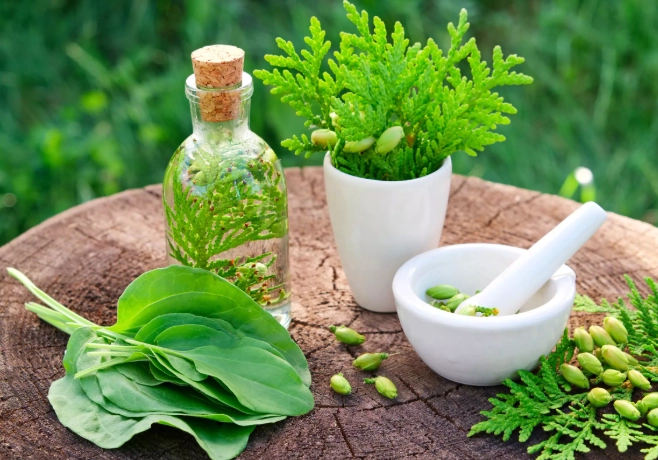
Top 5 Beginner-Friendly Medicinal Plants
These are my go-to recommendations for anyone starting out. They're adaptable, useful, and forgiving.
| Plant | Primary Uses | Key Growing Needs | Start From |
|---|---|---|---|
| Calendula (Calendula officinalis) | Skin healing, anti-inflammatory, infused oils for cuts & rashes | Full sun, average soil, loves to reseed itself | Seed (very easy) |
| Peppermint (Mentha × piperita) | Digestive aid, headache relief, culinary use | Partial sun, moist soil, plant in a container (it's invasive) | Starter plant/cutting |
| Lemon Balm (Melissa officinalis) | Calming nerves, promoting sleep, antiviral properties | Sun to part shade, tolerates poor soil | Starter plant or seed |
| Echinacea (Echinacea purpurea) | Immune system support, wound healing | Full sun, well-drained soil, drought-tolerant once established | Seed or root division |
| Thyme (Thymus vulgaris) | Antiseptic, respiratory support, powerful culinary herb | Full sun, poor, dry, rocky soil (it thrives on neglect) | Starter plant |
Look at your space realistically. A sunny balcony is perfect for thyme and calendula in pots. A shady corner? Lemon balm might be your champion. The USDA Plants Database is a fantastic, free resource to check your local growing zone and native plant alternatives.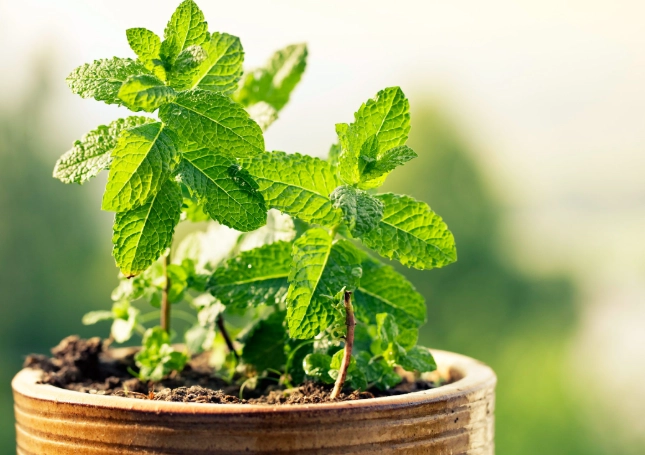
The Non-Negotiable Basics of Growing and Care
Here's where most online guides get vague. They say "well-drained soil" but don't explain what that means for a pot on a fire escape.
Soil is Everything: For containers, use a high-quality potting mix, not garden soil. I mix in 30% coarse perlite or sand for drainage. Medicinal plants often develop their strongest compounds under a bit of stress (like slightly dry, nutrient-poor conditions), so go easy on the fertilizer. A little compost at planting is usually enough.
Watering Wisdom: The top inch of soil should dry out before you water again. Stick your finger in. Overwatering is the #1 killer of potted herbs. It rots the roots and makes the plant susceptible to disease. Thyme and echinacea prefer to dry out more; mint and lemon balm like consistent moisture.
Sunlight: "Full sun" means at least 6-8 hours of direct light. Less than that, and your plants will be leggy and weak, producing fewer of the medicinal compounds you want. If you only have partial sun, focus on plants like lemon balm, mint, and certain mints.
Pro Tip Most Miss: Talk to local nurseries, not big-box stores. The staff often have hands-on experience with what grows well in your specific microclimate. They might point you to a local variety of sage or chamomile that outperforms the standard seed packet versions.
Harvesting and Preserving Your Medicinal Bounty
Timing is not a suggestion; it's critical. Harvest aerial parts (leaves, flowers) in the morning after the dew dries but before the midday sun bakes away the volatile oils. For roots, harvest in the fall after the plant's energy has descended back down.
Drying: This is the simplest method. Bundle stems and hang them upside down in a dark, warm, well-ventilated place (an attic, a closet with a fan). Or use dehydrators on the lowest heat setting (
Making a Simple Infusion (Tea): Use 1 teaspoon of dried herb (or 2 tsp fresh) per cup of just-boiled water. Cover and steep for 10-15 minutes. This extracts the water-soluble compounds. For roots, barks, or berries, you need a decoction: simmer them in water for 20-30 minutes.
Making a Tincture: This is an alcohol extract that pulls out different compounds and has a long shelf life. Fill a jar 1/3 to 1/2 full with dried herb, cover completely with 80-100 proof vodka (like 40%-50% alcohol), seal, shake, and store in a dark place for 4-6 weeks, shaking occasionally. Then strain.
Label everything immediately. I can't tell you how many unlabeled jars of brown liquid I've had to throw out. Include the plant name, part used, date, and solvent (e.g., "Echinacea purpurea root, harvested Oct 2023, in 40% vodka").
Safety First: The Rules No One Tells You
This is the most important section. Plant medicine is powerful, and "natural" does not equal "safe." Foxglove is natural. So is poison hemlock.
1. Positive Identification is Mandatory. Never, ever harvest or use a plant you cannot identify with 100% certainty. Use a good field guide and, when starting, go with an experienced forager. Many medicinal plants have toxic look-alikes.
2. Start Low, Go Slow. When trying a new herb internally, start with a small dose (half a cup of tea) and see how your body reacts over 24 hours. Herbs can cause allergic reactions or interact with medications.
3. Know Your Contraindications. Research is key. For example:
- Peppermint is great for digestion but can relax the lower esophageal sphincter, potentially worsening acid reflux for some people.
- Echinacea is an immune stimulant, which is generally not recommended for people with autoimmune conditions.
- St. John's Wort has infamous interactions with a huge list of prescription drugs, including birth control and antidepressants.
4. Consult a Professional. For serious, chronic, or complex health issues, work with a qualified clinical herbalist or a healthcare provider knowledgeable in herbal medicine. Don't rely solely on internet forums.
5. Sustainability. Never overharvest wild plants. Take only what you need, and never more than 10% of a healthy population. Better yet, grow your own or source from ethical cultivators.
Reader Comments