What You’ll Discover in This Guide
I remember the first time a stick moved. I was about ten, poking around an oak tree, and I reached for what I thought was a small, broken twig stuck to the bark. My finger was an inch away when the "twig" detached and walked sideways, revealing six tiny legs. It was an inchworm, a master of disguise, and that moment hooked me for life. Camouflage insects aren't just hiding; they're performing a magic trick in plain sight, and once you learn the secret, you see the world differently.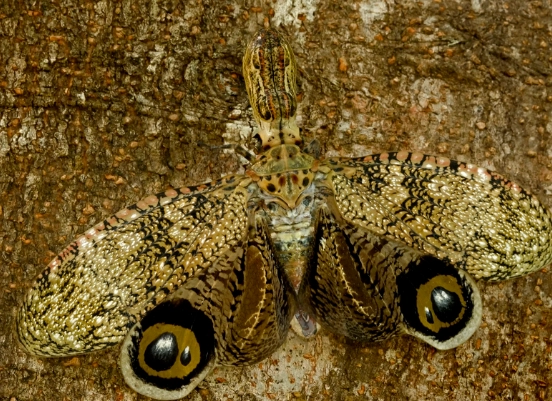
This isn't just about knowing a few bug facts. It's about developing a new way of seeing. Whether you're a gardener, a hiker, a photographer, or just someone who enjoys nature's puzzles, understanding insect camouflage opens up a hidden layer of the natural world right outside your door.
How Camouflage Works in Insects
Forget the idea of camouflage as simple green paint. For insects, it's a multi-layered survival strategy. The goal isn't necessarily to be invisible—it's to be unrecognizable. A predator's brain is looking for specific shapes: wings, legs, the outline of a body. Camouflage breaks that outline, confuses that shape, and blends it into the visual noise of the background.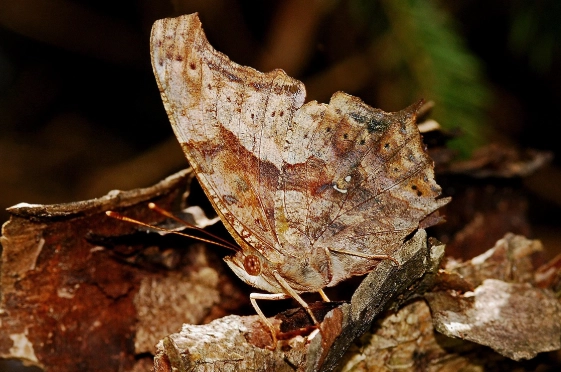
It works on two main levels: color and pattern matching (crypsis), and shape deception (mimesis). The most effective disguises combine both. The color match has to be precise, often influenced by diet and genetics. The pattern needs to mimic the texture of bark, lichen, or leaf veins. But the real genius is in the three-dimensional shape. An insect that looks like a leaf doesn't just have a leaf-like color; it has a body that's flat and veined, and it holds itself at the exact angle a real leaf would hang.
A study published in Nature journal highlighted how some insects even have micro-structures on their bodies that scatter light like the surface of a plant, making the color match work from every angle. It's engineering at a microscopic level.
Think of it this way: You're not looking for a bug on a leaf. You're looking for a leaf that is, upon closer inspection, a bug. That shift in perspective is everything.
The Three Main Types of Insect Camouflage
Insects have evolved several distinct "schools" of disguise. Knowing these categories helps you know what to search for.
1. Background Matching (Crypsis)
This is the classic "blend in" approach. The insect matches the color, brightness, and pattern of a specific background. It's common, but it's also location-specific. A green katydid is invisible on a leaf but stands out like a beacon on dark soil.
Classic Examples:
- Walking sticks and katydids: Champions of looking like the vegetation they live on.
- Many caterpillars: The cabbage white caterpillar is a pale, velvety green that disappears against cabbage leaves.
- Grasshoppers in dry fields: They often take on a dusty brown or tan hue.
The pitfall here? They have to stay put. Movement is the great betrayer of background matchers.
2. Mimicry (Looking Like Something Else)
This is more advanced. The insect doesn't just blend; it impersonates a specific object that predators ignore or avoid. This is where you get the real showstoppers.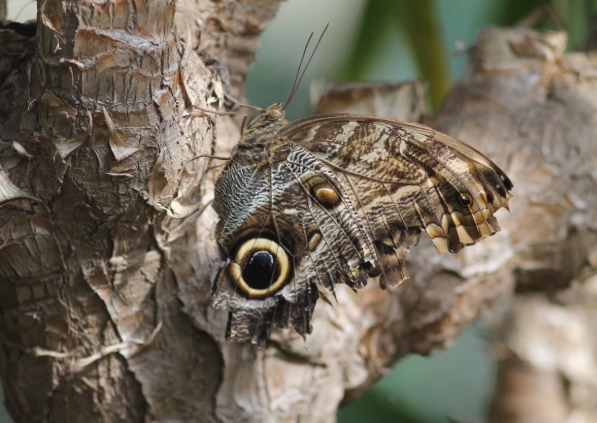
The Impersonators:
- Leaf insects: The ultimate plant mimics, complete with fake leaf veins, "bite marks," and a swaying motion that mimics a leaf in the breeze.
- Orchid mantis: This one is mind-blowing. It doesn't hide on orchids; it becomes one, with petal-like limbs to attract pollinating insects as prey. It's aggressive camouflage.
- Dead leaf butterfly: When its wings are closed, it's a perfect, crumpled brown leaf with a fake stem and spots mimicking mold.
- Treehoppers: These little sap-suckers have helmets that look like thorns, making a tasty insect appear to be a painful part of the plant.
3. Disruptive Coloration
This is the most subtle and clever strategy. Instead of hiding the entire body, the insect uses bold, high-contrast patterns to break up its outline. Think of it as optical camouflage.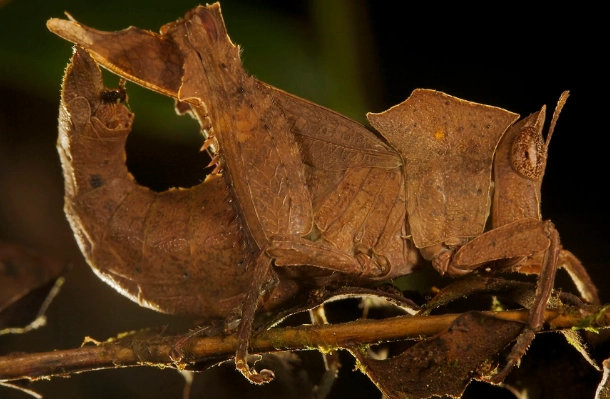
A classic example is a moth with wings that have contrasting bands of color. When it lands on a similarly patterned tree trunk, your eye follows the lines of the pattern, not the edge of the moth's wing. The shape of the insect gets lost in the visual clutter.
Many butterflies use this when their wings are closed. The flashy upper sides are for mating displays, but the undersides are a masterpiece of disruptive browns, grays, and blacks designed to vanish against bark or soil.
Where to Find Camouflage Insects (Hint: Start in Your Yard)
You don't need a rainforest. Some of the best camouflage artists are in everyday places. The key is to slow down and change your search pattern.
Your Garden or Local Park:
Look at the undersides of leaves. This is prime real estate for caterpillars and other leaf-mimics. Check the stems and twigs carefully—is that a thorn or a treehopper? Scan patches of bare soil or mulch for ground crickets and beetles that match the dirt.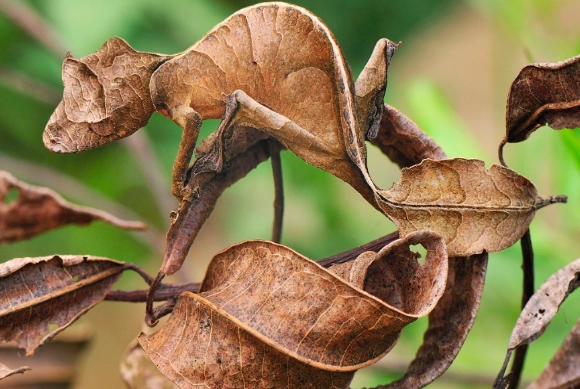
Forests and Woodlands:
This is the grand stage. Tree bark is home to countless bark beetles, moths, and true bugs. Lichen-covered branches host lichen-mimicking spiders and caterpillars. Don't just look at the big trees; check the saplings and shrubs where walking sticks often feed.
Grasslands and Meadows:
A sea of grass and stems. This is where you need a keen eye for pattern disruption. Many grasshoppers and planthoppers here look like just another seed head or dried grass blade. Move slowly and watch for slight movements against the wind.
I've had the best luck in the early morning or late afternoon. Insects are often less active then, holding their camouflage pose perfectly. The softer light also reduces harsh shadows that can give them away.
Expert Tips for Spotting the Invisible
After years of looking, I've learned it's less about having hawk eyes and more about having a patient, curious mind. Here’s what most guides don’t tell you.
Don't Look for the Insect. This sounds wrong, but it's the golden rule. Look for irregularities. A stick that's at a slightly wrong angle. A leaf that seems to have an extra vein. A patch of bark with a texture that doesn't quite match. Your brain is excellent at spotting things that are "off." Trust that instinct.
Get Low and Change Your Angle. An insect camouflaged against a tree trunk from your standing height might be obvious from a side view. Crouch down. Look up at leaves from below. The change in perspective and lighting can reveal a hidden shape instantly.
Watch for the "Giveaway." Often, it's not the insect you see first, but a clue. A perfectly round drop of "water" (honeydew) on a stem might mean a sap-sucking bug is above it. A single leaf trembling independently on a still day deserves a second look. A bird repeatedly pecking at one spot on a tree might be going after a well-hidden cluster of bugs.
Use Your Phone Camera. Seriously. The macro lens function or a cheap clip-on macro lens is a revelation. You can scan a small area in extreme detail on your screen. Sometimes, you'll see the insect in the digital image before your eyes register it in real life. It's a fantastic training tool.
The National Wildlife Federation has great resources on backyard biodiversity that underscore how common these hidden insects are. You just have to learn their language.
It’s a skill that builds. The first one is the hardest. Then you find another, and another. Suddenly, you realize the world is much more crowded—and much more clever—than it first appeared.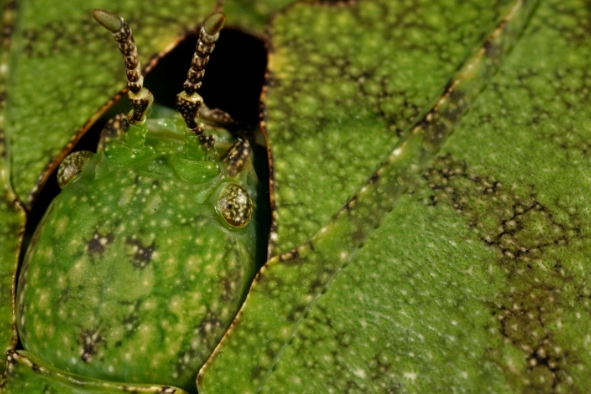
Reader Comments