When you think of insects, you might picture swarming ants or buzzing honeybee hives. But most insects—over 90% of bee species, for example—are solitary. They work alone, nest alone, and play a huge role in our ecosystems. I’ve spent years observing them in my backyard, and let me tell you, they’re fascinating. This guide dives into what solitary insects are, how to spot them, and why they matter more than you think.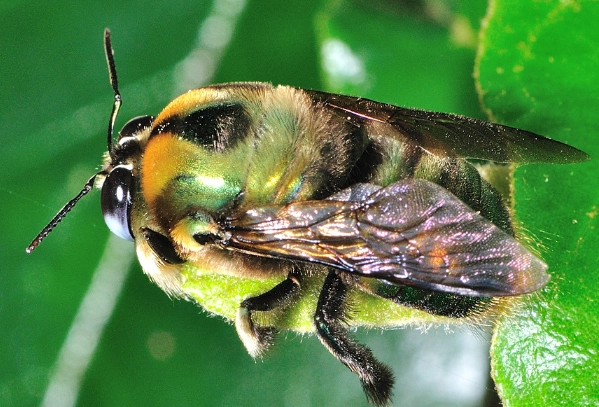
What You'll Learn in This Guide
What Are Solitary Insects?
Solitary insects live and operate independently, unlike social insects like honeybees or termites. Each female builds her own nest, lays eggs, and provisions them with food—no colony, no queen, no workers. After that, she’s done; the offspring fend for themselves. It’s a tough life, but it’s efficient. Think of them as the freelancers of the insect world.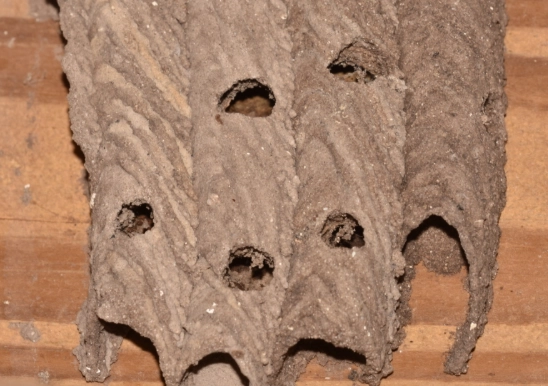
They’re everywhere: in soil, wood, stems, even abandoned snail shells. I once found a mason bee nesting in an old keyhole in my shed. They’re adaptable, but often overlooked because they don’t form large, visible colonies.
Solitary vs. Social Insects: Key Differences
Here’s a quick breakdown. Social insects have complex societies with分工, while solitary insects are solo actors. For instance, a honeybee hive can have thousands of individuals, but a solitary bee might just be a single female tending to a handful of eggs. The difference isn’t just about numbers; it affects their behavior, lifecycle, and how we interact with them.
Note: Don’t confuse solitary with aggressive. Many solitary insects are harmless and focused on their tasks, not on defending a home base.
5 Common Solitary Insects You Should Know
Let’s get specific. Here are five solitary insects you’re likely to encounter, based on my observations and reports from sources like the Xerces Society for Invertebrate Conservation.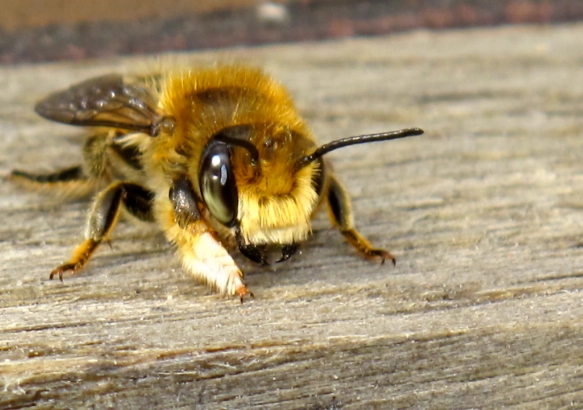
| Insect | Key Features | Habitat | Active Season |
|---|---|---|---|
| Mason Bees (Osmia species) | Metallic blue or black, fuzzy body, uses mud to seal nests | Hollow stems, wood holes, bee hotels | Early spring to summer |
| Leafcutter Bees (Megachile species) | Dark-colored, carries leaf pieces to line nests | Pre-existing cavities in wood or soil | Summer |
| Digger Bees (Andrena species) | Small, often brown, nests in bare ground | Sandy or loose soil in sunny areas | Spring |
| Solitary Wasps (e.g., Potter Wasps) | Slim body, builds mud nests, hunts caterpillars | Under eaves, on walls, in soil | Summer to fall |
| Certain Beetles (e.g., Carrion Beetles) | Varied shapes, often decomposers | Decaying matter, soil | Varies by species |
Mason bees are my favorite. I set up a bee hotel last year, and within weeks, females were busy sealing tubes with mud. They’re incredible pollinators—one mason bee can do the work of dozens of honeybees. But they’re often mistaken for flies because of their size.
Mason Bees: The Efficient Pollinators
These bees are workhorses. They emerge in early spring when fruit trees bloom. The female collects pollen on her belly, not on leg baskets like honeybees, which makes pollination more effective. She lays an egg in a tube, adds a pollen ball, seals it with mud, and repeats. After a month, she dies, and the larvae develop alone. It’s a simple, no-fuss lifecycle.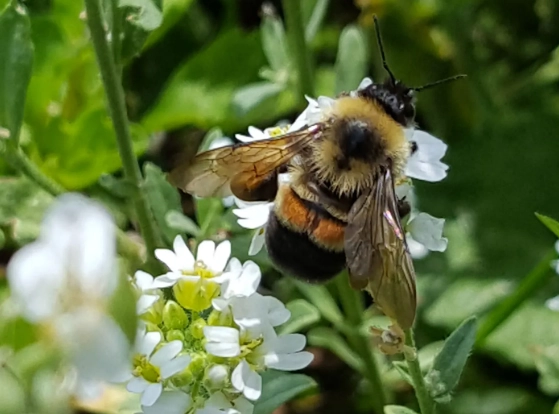
If you want to attract them, provide hollow reeds or drilled wood blocks. Avoid plastic bee hotels; they can cause moisture issues. I learned this the hard way when mold ruined a nest.
How to Identify Solitary Insects in Your Backyard
Spotting solitary insects takes patience. Look for small, solitary activity rather than swarms. Here’s a practical approach.
Key identification features:
- Nesting behavior: Insects carrying materials like mud, leaves, or resin to small holes. For example, if you see a bee flying into a tiny crack in a wall with a leaf piece, it’s likely a leafcutter bee.
- Physical traits: Solitary bees are often hairier and stouter than wasps. Wasps are smoother and more elongated. Beetles vary widely, but look for hard wing covers.
- Flight patterns: Solitary insects tend to fly directly to nests, not zigzag like social wasps. They’re focused, not defensive.
I recommend keeping a notebook. Note the date, location, and what the insect is doing. Over time, you’ll start recognizing patterns. For ground-nesters, look for small mounds of soil with a central hole—digger bees love sandy spots in vegetable gardens.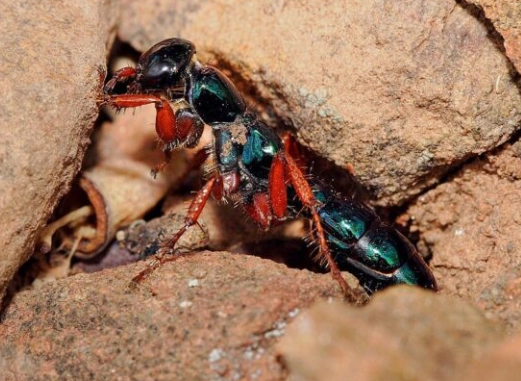
The Ecological Importance of Solitary Insects
Why care? Solitary insects are unsung heroes in ecosystems. They pollinate plants, control pests, and recycle nutrients. According to the USDA, native bees, many of which are solitary, contribute billions to agriculture through pollination.
Pollination Powerhouses
Solitary bees are often more efficient pollinators than honeybees because they’re messier. They drop more pollen as they move between flowers. For plants like tomatoes and blueberries, this is crucial. In my garden, after encouraging solitary bees, my squash yield doubled. They don’t get enough credit.
They also fill gaps. Honeybees might not be active in early spring or late fall, but mason bees and others are, ensuring continuous pollination.
Common Misconceptions About Solitary Insects
Let’s clear up some myths. One big mistake: people think all solitary insects are pests. Not true. Most are beneficial. Another is that they’re rare—they’re actually common, just inconspicuous.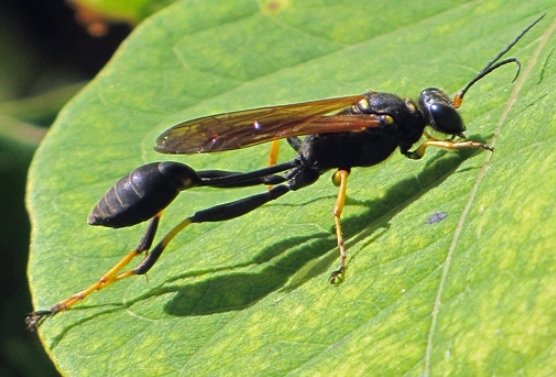
I’ve heard gardeners say, “I saw a bee alone, so it must be lost.” Nope, that’s its normal life. Or, “They’ll sting if I get close.” Solitary bees rarely sting; they’re too busy working. Wasps might, but even solitary wasps are less aggressive than social ones.
A subtle error: assuming bee hotels always help. If not maintained, they can spread diseases. Clean them yearly with a mild bleach solution. I skipped this once, and parasitic mites wiped out a generation.
How to Support and Conserve Solitary Insects
Conservation is straightforward but requires a mindset shift. Stop over-tidying your garden. Here’s a step-by-step plan.
Create a solitary insect-friendly garden:
- Provide nesting sites: Leave bare soil patches, piles of dead wood, or bundles of hollow stems. Avoid disturbing these areas.
- Plant diverse flowers: Choose native plants that bloom across seasons. Examples: goldenrod for fall, crocus for early spring. Avoid double-flowered varieties; they often lack pollen.
- Avoid pesticides: Even organic ones like neem oil can harm larvae. If you must, use targeted applications at night when insects are less active.
- Offer water: A shallow dish with stones for perching helps in dry spells.
I transformed a corner of my yard into a “wild zone” with unmowed grass and decaying logs. Within a year, digger bees moved in. It’s not pretty by conventional standards, but it’s buzzing with life.
Case Study: A Suburban Garden Transformation
A friend in Ohio followed these steps. She replaced part of her lawn with native wildflowers and stopped using herbicides. She reported a 40% increase in solitary bee sightings and better vegetable pollination. The key was consistency—she didn’t clean up plant debris until spring, giving insects a place to overwinter.
Frequently Asked Questions
Solitary insects are more than just background noise in nature. They’re vital players that keep our gardens and ecosystems running. By understanding and supporting them, we can make a real difference. Start small—observe, plant a few native flowers, and embrace a bit of mess. You might be surprised by what you discover.