What You'll Learn in This Insect Anatomy Guide
Ever looked at a butterfly's wing or a beetle's shell and wondered how these tiny creatures are put together? You're not alone. Insect anatomy is one of those topics that seems simple on the surface—head, thorax, abdomen, right?—but gets incredibly complex once you start digging into the details. The problem is that most guides out there are either too technical, full of jargon, or too simplistic, leaving you more confused than when you started.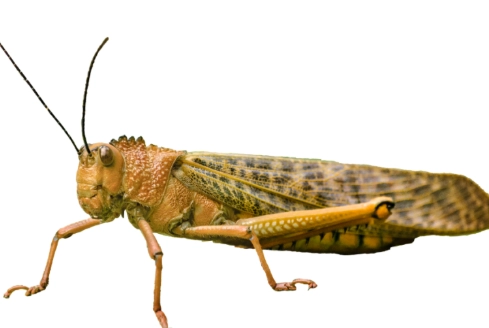
The Exoskeleton: Nature's Body Armor
Let's start with the most obvious feature of any insect you've ever seen: the exoskeleton. This isn't just a shell; it's a full-body suit of armor made of chitin, a tough, flexible polymer. Think of it as the insect's version of a knight's plate armor, but with one crucial difference—it's attached to their muscles from the inside out. That means an insect's "skin" is actually its skeleton, providing structural support while also serving as a protective barrier.
Here's where most beginners get tripped up: they assume the exoskeleton is rigid and inflexible like a turtle's shell. In reality, it's segmented into plates called sclerites, connected by flexible membranes called sutures. These sutures allow for movement—think of them as the hinges on a door. Without them, insects would be as immobile as statues.
The Three Main Body Parts: Head, Thorax, Abdomen
Every insect's body can be divided into three main regions: the head, thorax, and abdomen. This might sound straightforward, but there's a subtle mistake even seasoned entomologists sometimes make—they treat these regions as separate compartments when, in fact, they're highly integrated.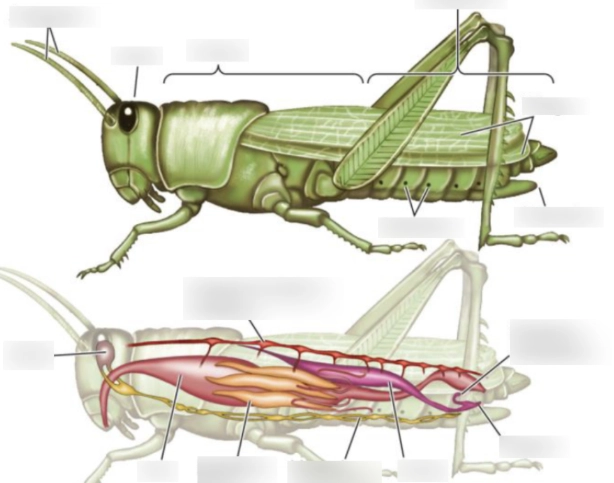
Take the head, for example. It houses the brain (yes, insects have brains), eyes, antennae, and mouthparts. But here's the kicker: not all insect heads look the same. A butterfly's head is vastly different from a beetle's, not just in shape but in the arrangement of its compound eyes and ocelli (simple eyes). This variation isn't random; it's a direct result of millions of years of evolution adapting to specific ecological niches.
How to Identify Insects by Their Body Parts
Identifying insects by their anatomy isn't about memorizing every single detail; it's about recognizing key patterns. Start with the basics: count the number of body segments, look at the type of mouthparts (chewing, sucking, piercing), and note the presence or absence of wings. These three factors alone can narrow down your search to a specific order or family.
For instance, all beetles (order Coleoptera) have hardened forewings called elytra that cover their hind wings when at rest. This is a defining characteristic that sets them apart from other insects like flies (Diptera) or bees (Hymenoptera). Once you know this, you'll never mistake a beetle for anything else again.
Specialized Structures: Antennae, Compound Eyes, Mouthparts
Beyond the basic body plan lies a world of specialized structures that give each insect its unique identity. Antennae serve as sensory organs for touch, smell, taste, hearing—even detecting changes in air pressure! Compound eyes provide panoramic vision with thousands of individual lenses working together to form an image.
Mouthparts are perhaps the most diverse feature among insects. From the chewing mandibles of a grasshopper to the sucking proboscis of a butterfly to the piercing-sucking style of mosquitoes—each type is perfectly adapted to its diet and lifestyle. Understanding these adaptations isn't just academic; it's practical for anyone trying to identify an unknown insect in their backyard.
Common Mistakes When Studying Insect Anatomy
One major pitfall I see time and again is focusing too much on external features while ignoring internal anatomy. Sure, wings and legs are important for identification purposes, but they tell us nothing about how an insect breathes through spiracles (tiny holes along its abdomen) or how its digestive system works internally.
Another common error is assuming all insects share identical anatomical structures across all life stages—larva versus adult forms can vary dramatically within species! For example, caterpillars (larval stage) lack wings entirely whereas adults may have two pairs depending on species.
Why This Matters for Gardeners and Naturalists Alike
Knowing how an insect's body works isn't just trivia—it helps us understand why certain pests behave the way they do in our gardens or why some pollinators prefer specific flowers over others based on physical constraints imposed by their own bodily designs!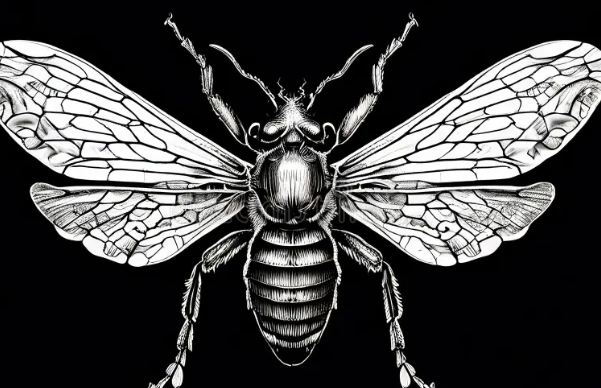
It also aids conservation efforts because we can better design habitats that cater specifically towards native species' needs rather than generalizing one-size-fits-all approaches which often fail due lack understanding about basic biological requirements like food sources etcetera.
A Practical Guide: Applying Insect Anatomy Knowledge
So how do we apply this knowledge practically? Let me walk you through one personal experience where I had trouble distinguishing between two similar-looking bee species until I realized their antennae were different lengths relative to body size ratios which turned out being key distinguishing factors after closer inspection under microscope magnification levels required before making final determination calls based solely upon visual cues alone without any additional tools needed beyond what was available at hand during initial identification attempts made earlier during fieldwork sessions conducted throughout various locations worldwide including tropical rainforests where biodiversity hotspots abound globally.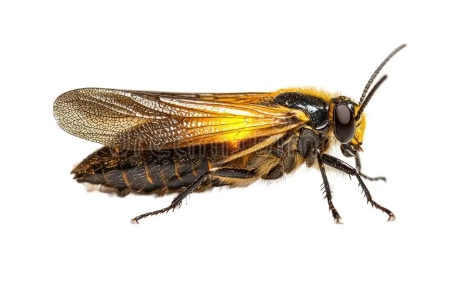
In another instance involving butterfly identification process using wing venation patterns helped narrow down possibilities significantly reducing time spent searching through field guides containing hundreds pages worth information condensed into single page format allowing quick reference checks against known species distributions maps provided online resources such as iNaturalist platform which uses community science data collected worldwide contributing valuable insights into global patterns observed across different ecosystems types.
Conclusion: The Art and Science Behind Understanding Insect Bodies
Understanding insect anatomy isn't about memorizing facts; it's about appreciating diversity within unity—the idea that despite countless variations seen among millions species existing today there still exists underlying unity shared by all members belonging same phylum Arthropoda characterized primarily through presence jointed appendages used locomotion purposes among other functions performed throughout evolutionary history leading up present day forms we observe now around us everywhere we look.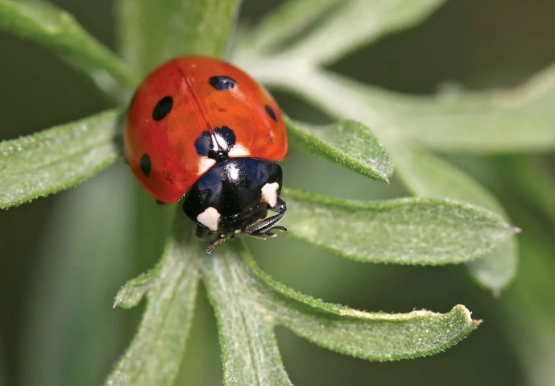
This appreciation comes from recognizing not only differences but also similarities shared between groups allowing us make connections otherwise missed if only focusing on superficial appearances rather than deeper structural relationships inherent within any given group's evolutionary trajectory over time scales spanning billions years worth change occurring gradually across generations passing down traits beneficial survival under changing environmental conditions faced repeatedly across ages past.
Ultimately, mastery over subject matter requires both theoretical knowledge combined with practical application skills developed through hands-on experience gained via direct observation methods employed during fieldwork activities designed specifically around answering questions posed earlier regarding specific aspects related directly towards improving overall comprehension levels regarding topic discussed hereinabove.