Let's be honest. Walking into a garden center and buying those perfect little seedlings in spring is easy. Maybe too easy. There's a certain magic, a deeper satisfaction, that comes from holding a packet of tiny, lifeless-looking specks and turning them into a thriving tomato plant or a burst of zinnias. That's the heart of seed starting. It's not just about saving a few dollars (though that's a nice bonus). It's about connection, variety, and the pure joy of the process.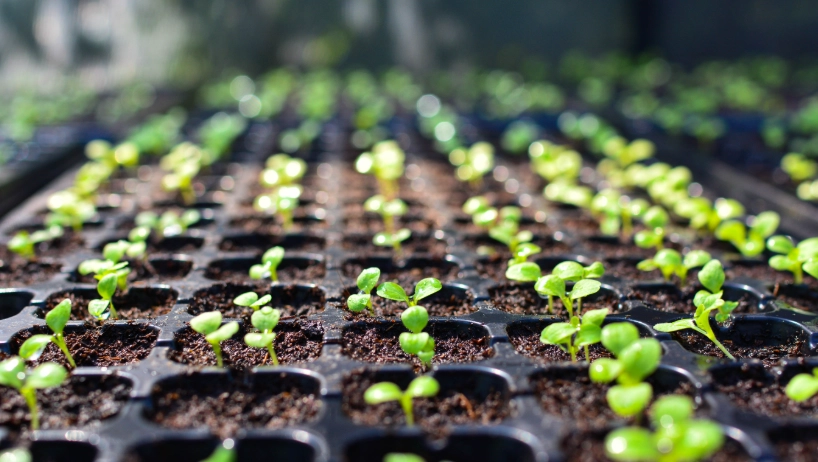
Quick Navigation
- Why Bother Starting from Seed?
- The Absolute Basics: What You Really Need to Get Started
- A Step-by-Step Walkthrough of the Seed Starting Process
- Choosing Your Seed Starting Medium: A Quick Comparison
- Timing is Everything: When to Start Your Seeds
- Hardening Off: The Crucial Step Everyone Rushes
- Transplanting: Moving Day for Your Seedlings
- Top 5 Seed Starting Mistakes (And How to Avoid Them)
- Answering Your Seed Starting Questions
- Taking It Further: Advanced Tips for Your Next Season
I remember my first attempt. I used dirt from my backyard, shoved the seeds in too deep, left them in a dark corner, and wondered why nothing happened. It was a disaster. But that failure taught me more than any success could have. Now, years later, my sunroom transforms into a miniature jungle every March, and I want to help you skip the messy parts I had to figure out the hard way.
Why Bother Starting from Seed?
You might be thinking, "Why go through the hassle?" Good question. Here's the thing: when you master seed starting, you unlock your garden's full potential.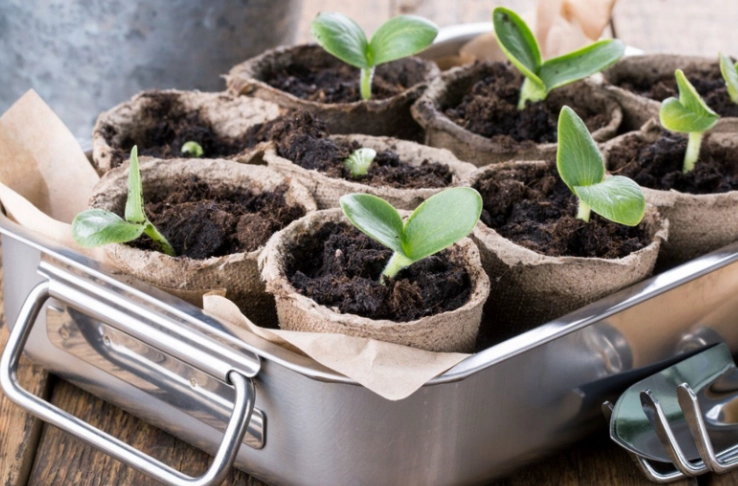
First, the variety is unbeatable. Garden centers stock what sells—common tomatoes, popular peppers, standard petunias. But what about the Cherokee Purple tomato with its rich, complex flavor? Or the Lemon Cucumber that looks like a little yellow ball? Seed catalogs and online retailers offer thousands of varieties you'll never find as seedlings. You get to grow exactly what you want, not just what's available.
Second, timing and control. You're not at the mercy of the store's delivery schedule. Want to get a head start on a long-season crop like onions or celery? You can start them indoors when there's still snow on the ground. You control the entire life cycle, from the very first root (called a radicle, by the way) to the final harvest.
And yes, cost. A packet of 30 tomato seeds might cost the same as two pre-started seedlings. The math is pretty compelling.
The Absolute Basics: What You Really Need to Get Started
Gardening marketing can make it seem like you need a lab. You don't. Let's strip it down to the essentials.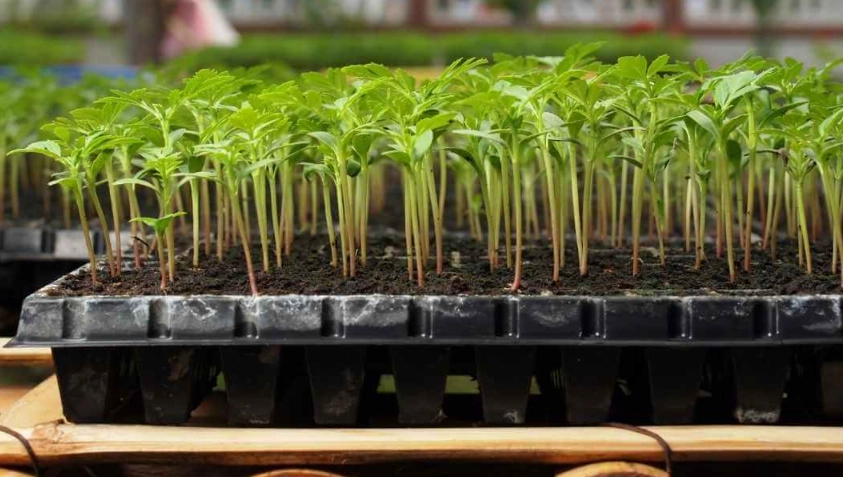
The Foundation: Your Growing Medium
This is where I made my first big mistake. Garden soil is a no-go. It's too dense, often carries diseases, and doesn't drain well in small containers. You need a dedicated seed starting mix. Notice I said "mix," not "soil." A good mix is sterile and lightweight, often made of peat moss, coir, vermiculite, and perlite. Its job is to hold moisture and air around the delicate seed and new roots.
A Home for Your Seeds: Containers
You have options here, from fancy cell trays with humidity domes to recycled yogurt cups (just poke drainage holes!). The key is drainage. Soggy roots are a death sentence for seedlings. I've used it all. Fancy trays are nice for organization, but a shallow plastic food container works just as well. Depth matters more than width at this stage.
The Spark of Life: Light
This is the most critical element after water. A sunny windowsill is the classic image, but it's often insufficient, especially in early spring. Seedlings become leggy—stretching thin and weak toward the light—if they don't get enough.
For reliable, robust seed starting, you'll want a simple shop light with fluorescent or LED grow bulbs. You don't need expensive purple "blurple" lights. A basic white LED shop light works wonders. Keep the lights just 2-4 inches above the seedlings and run them for 14-16 hours a day. A simple timer plug makes this effortless.
Water and Warmth: The Comfort Factors
Seeds need consistent moisture to germinate, but not a swamp. A spray bottle is perfect for the early days. Bottom watering is even better—setting your containers in a tray of water and letting the mix soak it up from below. This encourages deep roots and keeps the seed leaves dry, preventing a nasty fungal disease called "damping off."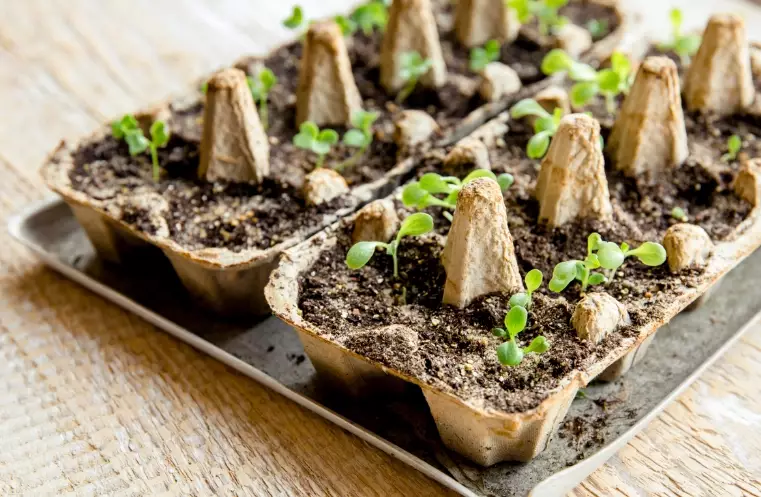
Warmth speeds up germination. Most seeds germinate best in soil temperatures between 65-75°F (18-24°C). A simple seedling heat mat placed under your trays can work miracles, especially for heat-lovers like peppers and eggplants. My pepper seeds used to take forever. With a heat mat, they pop up in under a week.
A Step-by-Step Walkthrough of the Seed Starting Process
Let's walk through the process, from packet to plant. It's easier than you think.
Step 1: Reading the Seed Packet (Your Cheat Sheet)
Don't toss that packet! It holds all the secrets. It tells you when to start seeds relative to your last frost date, how deep to plant, how many days to germination, and whether the seed needs any special treatment. The USDA Plant Hardiness Zone Map is your best friend for understanding your local frost dates. Knowing your zone is the first step to proper timing.
Step 2: Planting Depth – The Goldilocks Principle
Not too deep, not too shallow. A general rule is to plant a seed at a depth twice its width. Tiny seeds like lettuce or petunias just need a light sprinkling on the surface. Bigger seeds like beans or cucumbers get planted about an inch deep. The packet will specify. If in doubt, err on the side of too shallow. A seed that can't push through too much soil is a seed that never sprouts.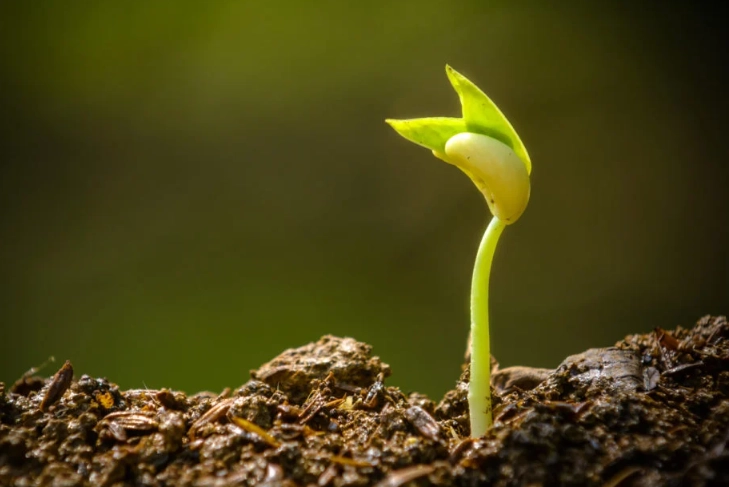
Step 3: The Waiting Game (Germination)
This is the test of patience. Keep the mix moist and warm. A clear plastic dome or even a loose plastic bag over the container creates a mini-greenhouse, holding in humidity. The moment you see green, remove the cover and get those lights on!
Step 4: Seedling Care – The First True Leaves and Beyond
Once most seeds have sprouted, drop the temperature a bit (low 70s during the day, mid-60s at night) to encourage sturdy growth. Keep the lights close. When the first set of true leaves (the ones that look like the actual plant, not the initial rounded seed leaves) are fully developed, it's time for a very diluted dose of half-strength liquid fertilizer. They're starting to use up the energy stored in the seed.
Step 5: Thinning and Potting Up
If you planted multiple seeds per cell and more than one sprouted, you have to thin. It feels brutal, but it's necessary. Snip the weaker seedlings at the soil line with scissors. Don't pull them, as that disturbs the roots of the keeper.
As roots fill the small starter cell, the plant will need more room. This is called "potting up." Gently lift the seedling by its leaves (never the fragile stem), place it in a slightly larger pot with fresh potting mix, and water it in. This gives it a boost of nutrients and space to grow stronger before transplanting outside.
Choosing Your Seed Starting Medium: A Quick Comparison
Not all mixes are created equal. Here’s a breakdown of common options to help you choose.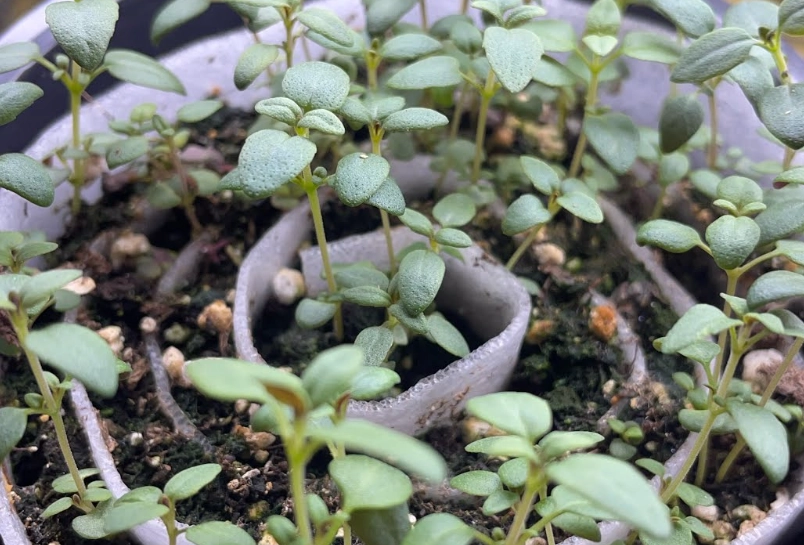
| Medium Type | Best For | Pros | Cons | My Personal Take |
|---|---|---|---|---|
| Commercial Seed Starting Mix | Beginners, most vegetables & flowers | Sterile, lightweight, consistent, excellent drainage | Can be pricey, often peat-based (environmental concerns) | My reliable go-to. Worth the cost for the success rate. |
| Coir-based Mix | Eco-conscious gardeners, good water retention | Renewable resource, holds water well, good structure | Can dry out into a brick if completely dry, may need more frequent fertilizing | Great alternative to peat. Just stay on top of watering. |
| Soil Blocks (no container) | Advanced gardeners, plants that hate root disturbance | No plastic waste, air-prunes roots (prevents circling), easy transplant | Learning curve, requires a blocker tool, needs careful moisture management | Tried it, loved it for cucurbits. A bit messy but rewarding. |
| DIY Mix (e.g., peat/vermiculite/perlite) | High-volume starters, cost-cutters | Cheap in bulk, fully customizable | Time-consuming to mix, storage of components | Only do this if you're starting hundreds of plants. Otherwise, buy a bag. |
Timing is Everything: When to Start Your Seeds
This is the most common question, and the answer is: it depends. It depends on your last spring frost date and what you're growing. The seed packet will say something like "start indoors 6-8 weeks before last frost."
But here's a rough guide for common veggies, assuming a last frost in early May:
- 10-12 weeks before: Onions, leeks, celery, parsley.
- 8 weeks before: Peppers, eggplants. (Give these a heat mat!)
- 6-7 weeks before: The big one: Tomatoes. Also broccoli, cabbage, kale, lettuce.
- 4 weeks before: Cucumbers, squash, melons. (These grow fast and hate being pot-bound.)
- Direct sow after frost: Beans, corn, carrots, radishes, peas. These don't transplant well.
Hardening Off: The Crucial Step Everyone Rushes
You can't take your pampered indoor seedlings and just plop them in the garden. It's a shock they might not survive. They need to acclimate to sun, wind, and temperature fluctuations. This process is called hardening off.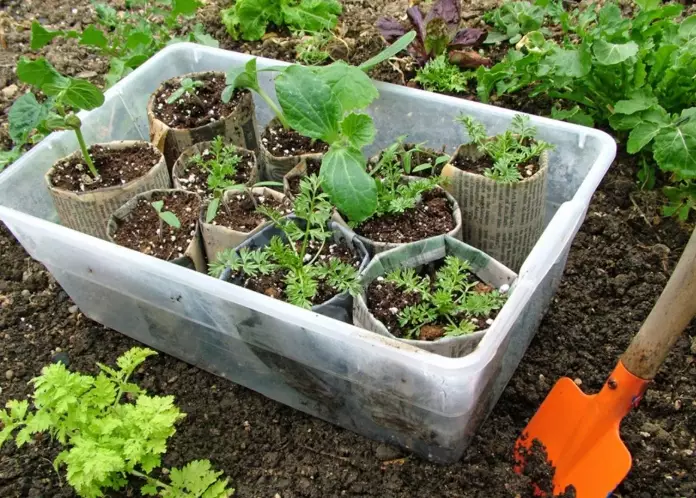
It takes 7-10 days. Start by placing them in a shaded, sheltered spot outside for just 1-2 hours. Bring them in. Each day, increase their time outside and gradually introduce them to morning sun. Avoid harsh midday sun at first. By the end of the week, they should be staying out overnight if temperatures are safe. This toughens them up, literally thickening their stems and adapting their leaves.
I've skipped this step in a moment of spring fever. I lost an entire flat of beautiful broccoli to sunscald in one afternoon. Lesson painfully learned.
Transplanting: Moving Day for Your Seedlings
Choose a calm, cloudy day if possible, or transplant in the late afternoon. Water the seedlings well in their pots before you start. Dig a hole slightly larger than the root ball. Gently remove the plant, teasing apart any circling roots if necessary. Plant it at the same depth it was growing, except for tomatoes and tomatoes—you can (and should) bury their stems deeper, as they will grow roots all along the buried stem. Firm the soil gently, water deeply, and maybe add a mulch layer to retain moisture.
Top 5 Seed Starting Mistakes (And How to Avoid Them)
- Overwatering: The #1 killer. Soggy soil = no oxygen = dead roots. Let the surface dry slightly between waterings. Bottom water.
- Insufficient Light: Leads to leggy, weak seedlings. Get those lights close. Invest in a basic setup if your windows are dim.
- Starting Too Early: Impatience leads to giant, struggling plants before the weather is ready. Follow the packet timing.
- Skipping Hardening Off: It's a non-negotiable week. Don't ruin months of work by rushing the last step.
- Using Garden Soil or Heavy Potting Mix: It compacts and smothers delicate roots. Use a fluffy, sterile seed starting mix.
Answering Your Seed Starting Questions
Why haven't my seeds sprouted?
Three likely culprits: old/expired seeds, incorrect temperature (too cold), or planting too deep. Check the seed packet's "days to germination." If it's past that and you've ruled out temp and depth, they might be duds.
My seedlings are tall, thin, and falling over. Help!
That's "legginess." They're desperately reaching for light. Immediately lower your grow lights to within 2-3 inches of the tops. You can also gently brush your hand over the tops of the plants a few times a day; the slight stress encourages them to thicken up. For tomatoes, you can pot them up deeply, burying part of the stem.
What are those white fuzzy things on the soil surface?
Probably harmless saprophytic fungus. It feeds on organic matter in damp soil and isn't harmful to plants, but it indicates very moist conditions. Ease up on watering and increase air circulation. A small fan on low can help.
Should I use fertilizer on my seedlings?
Not until they have their first set of true leaves. The seed provides initial food. After that, a very diluted, balanced liquid fertilizer (half strength or less) every 10-14 days is plenty. More is not better—it can burn tender roots.
Can I start seeds without any special equipment?
Absolutely. Recycled containers, a sunny south-facing window (in late spring), and a careful eye on water can work for easy-starters like lettuce, kale, and herbs. But for reliable results with a wide variety, especially in late winter/early spring, a basic light setup is the game-changer.
Taking It Further: Advanced Tips for Your Next Season
Once you've got the basics down, you can play around. Some seeds have hard coats and benefit from scarification (gently nicking the seed coat with a file) or stratification (a period of cold, moist conditions to mimic winter). Many native flowers and some perennials require this. The University of Minnesota Extension guide on starting seeds indoors has excellent, science-backed information on these techniques and more.
Keep a simple journal. Note what you planted, when you planted it, when it germinated, and what worked or didn't. This record is pure gold for planning next year's garden.
The journey of seed starting is a cycle of small attentions leading to immense rewards. There will be setbacks—a tray that dries out, a bout of damping-off, a cat that decides your seedling flat is the perfect bed. It happens to everyone. But the first time you bite into a tomato that grew from a seed you nurtured, you'll understand. It tastes different. It tastes like accomplishment.
So grab a packet of seeds. Something easy like marigolds or basil for your first try. Moisten some mix, plant them shallow, keep them warm and lit. Watch for that first hint of green. You've got this.