Let's be honest. For years, I thought composting was something only serious gardeners with massive yards did. It seemed messy, complicated, and maybe a bit smelly. I'd toss my banana peels and coffee grounds into the trash, feeling a tiny pang of guilt, but the idea of starting felt overwhelming. Where do you even begin? What if you do it wrong and end up with a slimy, stinky mess?
Then I tried it. And you know what? I messed up. My first compost pile was a wet, anaerobic lump that attracted more fruit flies than I care to remember. But that failure taught me more than any perfect guide could. Now, after years of turning my kitchen and yard waste into what I call "garden gold," I can tell you this: composting is one of the most satisfying, simple, and impactful things you can do at home. It's not rocket science, but there are a few key things you need to get right.
This guide is everything I wish I'd known when I started. We're going to move past the vague advice and get into the practical, sometimes gritty, details of making great compost.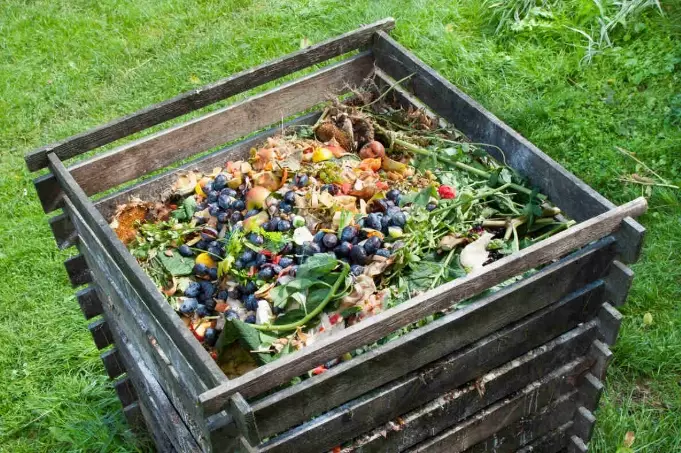
What Is Compost, Really? (And Why Bother?)
At its core, compost is just decomposed organic matter. But calling it that is like calling a fine wine fermented grape juice—it misses the magic. Through the work of billions of microorganisms, bacteria, fungi, and worms, your discarded scraps are transformed into a stable, crumbly, earthy-smelling material that's pure magic for soil.
So why go through the effort? The benefits stack up fast:
- Trash Your Trash: Up to 30% of what we throw away is compostable food scraps and yard waste. That's a lot of bags not going to the landfill, where they decompose without oxygen and create methane, a potent greenhouse gas.
- Supercharge Your Soil: This is the big one for gardeners. Compost doesn't just feed plants; it feeds the soil ecosystem. It improves soil structure (sandy soil holds more water, clay soil drains better), provides a slow-release buffet of nutrients, and encourages beneficial microbes and worms. It's a long-term soil builder, not a quick chemical fix.
- Saves Money: You buy less trash bags, less fertilizer, and less bagged garden soil or mulch. It's a closed-loop system right in your backyard.
I find the soil transformation the most compelling reason. My vegetable beds used to be tough, compacted clay. After a few seasons of adding homemade compost, they're darker, looser, and absolutely teeming with earthworms. The difference in plant health is night and day.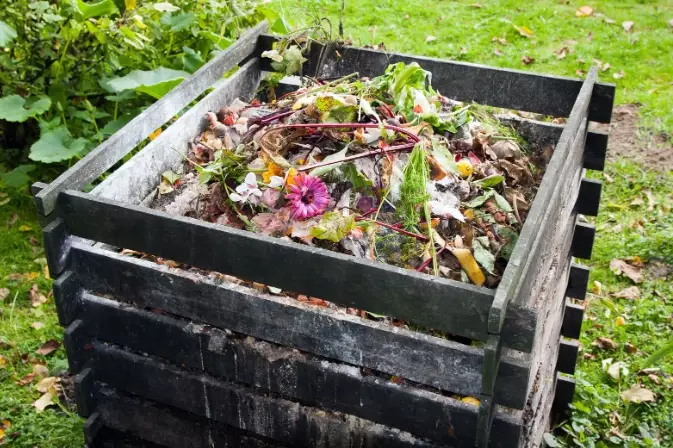
Composting 101: The Non-Negotiable Basics
Before you choose a bin or toss in your first scrap, you need to understand the four basic ingredients. Forget fancy formulas; just remember this simple framework.
The Four Pillars of a Healthy Pile
1. Greens (Nitrogen-Rich Materials)
These are the "activators." They provide protein and nitrogen for the microbes, heating up the pile. They are usually moist and green (but not always!). Think: fruit and vegetable scraps, coffee grounds, fresh grass clippings, plant trimmings, and tea bags (staples removed).
2. Browns (Carbon-Rich Materials)
These are the "fuel." They provide carbon, which gives the microbes energy and creates air pockets for oxygen. They are usually dry and brown. Think: dried leaves, straw, wood chips, sawdust (from untreated wood), shredded cardboard (non-glossy), and newspaper.
3. Water
Your pile should feel like a wrung-out sponge. Too dry, and the microbes go dormant. Too wet, and you drive out oxygen, causing anaerobic decomposition (that's the smelly kind). This is where most beginners, myself included, fail.
4. Air (Oxygen)
Aerobic decomposition is fast and odorless. Anaerobic is slow and stinky. You need to turn or aerate your pile to introduce oxygen. How often? We'll get to that.
The famous "C:N ratio" (Carbon-to-Nitrogen) you might read about is just a fancy way of balancing Browns and Greens. Aiming for a rough volume ratio of 2-3 parts Browns to 1 part Greens gets you in the right ballpark. Don't get a calculator out—just eyeball it. More Browns than Greens is almost always safer.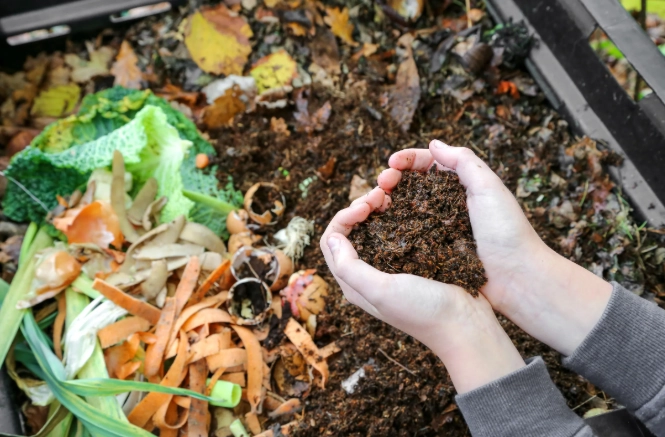
Your Composting Method: Picking What Works for Your Life
There's no single "best" way to compost. The best method is the one you'll actually use consistently. Let's break down the most common home systems.
| Method | Best For | How It Works | Effort Level | Time to Finished Compost |
|---|---|---|---|---|
| Cold Composting (Pile/Bin) | Beginners, those with space, low-maintenance gardeners. | Add materials to a pile or stationary bin. Let nature take its course with minimal turning. | Low | 6 months to 2 years |
| Hot Composting | Gardeners needing lots of compost fast, those who enjoy active management. | Carefully manage a large pile (at least 3'x3'x3') with a perfect C:N ratio, moisture, and frequent turning to generate high heat (130-160°F). | High | 1 to 3 months |
| Tumbler Composter | Small spaces, urban areas, avoiding pests, easier turning. | Add materials to a sealed, rotating drum. Turning is as easy as spinning the drum. | Medium | 2 to 6 months |
| Vermicomposting (Worm Bin) | Apartments, indoors, small-scale food scrap disposal, year-round composting. | Specialized composting worms (Red Wigglers) eat your food scraps in a contained bin, producing worm castings (vermicompost). |
I started with a simple, homemade three-bin wooden system for cold composting. It worked, but it was slow. I now use a hybrid: a tumbler for my daily kitchen scraps (it's neat and quick) and a big open pile in the back for yard waste and the contents of the tumbler when it's full. The tumbler is great, but I'll be honest—if you fill it all at once and don't spin it regularly, it can get clumpy and dense. It's not a magic "set and forget" solution.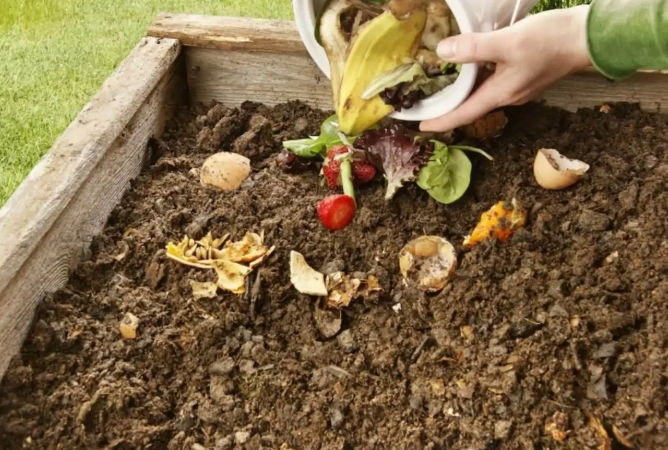
The Ultimate Yes/No List: What Can You Actually Compost?
This is the question I get asked the most. The anxiety over putting the wrong thing in is real. Here’s a clear, no-nonsense list.
| COMPOST THESE (Greens & Browns) | DO NOT COMPOST THESE |
|---|---|
| Fruit & Vegetable Scraps: Peels, cores, rinds, spoiled produce. Coffee Grounds & Filters: A fantastic green material. Eggshells: Crush them first; they add calcium. Tea Bags: Check if the bag is plastic-based; if so, rip it open and compost the leaves. Grass Clippings: Use in thin layers mixed with browns to avoid matting. Garden Plants & Weeds: Avoid weeds with mature seeds. Leaves: The king of browns! Shred them if you can. Straw & Hay: Excellent bulky brown. Shredded Paper/Cardboard: Non-glossy, without heavy inks. Great to balance wet food scraps. Wood Ash: From untreated wood only, in small amounts (it's alkaline). |
Meat, Fish, Bones, Dairy: Attracts rodents & pests, causes odors. Some hot composters do it, but I don't recommend it for beginners. Fats, Oils, Grease: Repels water, attracts pests. Diseased Plants: The disease pathogens may survive. Pet Waste (Dogs/Cats): Can contain harmful parasites. Coal or Charcoal Ash: Contains harmful substances for soil. Treated Wood Products: Contains toxic chemicals. Glossy/Coated Paper: Often contains plastics and heavy metals. Weeds with Mature Seeds: The seeds may survive and sprout in your garden. Biodegradable/Compostable Plastics: These usually only break down in industrial facilities, not home piles. |
A note on citrus and onions: You'll see debate online. Some say the acidity or oils harm worms or microbes. In a large, well-balanced outdoor pile, moderate amounts of citrus peels and onion scraps are absolutely fine. In a small, indoor worm bin, go lighter on them. See? Context matters.
Step-by-Step: Starting Your First Compost Pile Today
Enough theory. Let's build something.
- Choose Your Spot: Level ground, good drainage, partial shade is ideal (full sun dries it out, full shade keeps it too wet). Convenience matters—you're more likely to add scraps if it's not a hike.
- Start with a Brown Base: Lay down 4-6 inches of coarse browns (twigs, small stalks) for bottom aeration. Then add your first mixed layer: maybe 6 inches of shredded leaves (brown) mixed with some kitchen scraps (green).
- The Layering Habit: As you add kitchen scraps (your "greens"), always cover them with a "brown" blanket. A handful of shredded paper, dried leaves, or straw. This simple act controls odors, deters flies, and maintains balance. This was the game-changer for me.
- Monitor Moisture: Stick your hand in. It should feel damp, not dripping. During dry spells, sprinkle it with a hose. During rainy spells, cover it with a tarp or add extra browns.
- Turn for Speed: If you want faster compost, turn the pile every 1-2 weeks with a pitchfork or compost aerator. This injects oxygen. If you're lazy like me sometimes, just turn it when you think of it. It'll still decompose, just slower.
How do you know it's working? A healthy, active pile will get warm, even hot, in the center a few days after building or turning it. You might see steam on a cool morning. That's the microbes hard at work!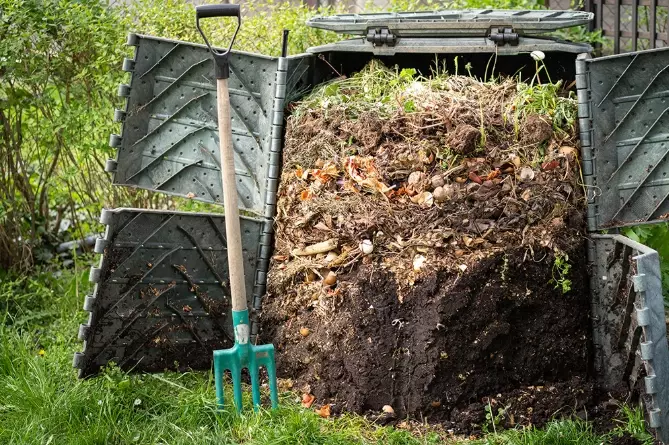
Compost Problems? Here's Your Troubleshooting Guide.
Something smells off, or nothing seems to be happening. Don't panic. Compost is resilient. Here are the common issues and how to fix them.
Diagnosis: Too many Greens, not enough air. It's gone anaerobic.
Fix: Turn the pile immediately to add air. Mix in a generous amount of dry Browns (shredded cardboard, straw, dry leaves). The smell should clear within a day or two.
Diagnosis: Could be too dry, too small, or lacking Nitrogen (Greens).
Fix: Check moisture (add water if dry). Add a bucket of fresh nitrogen-rich material like grass clippings, coffee grounds, or vegetable scraps. If the pile is smaller than 3 cubic feet, add more material to increase its mass.
Diagnosis: Likely exposing food scraps or adding forbidden items (meat, dairy).
Fix: Bury all food scraps under 6-8 inches of browns. Ensure your bin has a secure lid or wire mesh to block rodents. Never add animal products.
Diagnosis: Too wet, not enough air or Browns.
Fix: Turn it to aerate. Mix in a huge amount of dry, absorbent Browns (sawdust, shredded paper, dry leaves). Consider covering it during heavy rain.
My first pile had the rotten egg smell. I was just dumping food scraps in and ignoring it. Learning to cover every layer of green with brown was the simple fix. It felt so obvious in hindsight.
When Is It Done? How to Use Your Finished Compost
Finished compost is dark, crumbly, and smells like fresh earth or a forest floor. You shouldn't be able to recognize the original materials, except maybe a few sturdy twigs or eggshell fragments.
It's alive, not sterile.
You can sift it through a mesh screen to get a fine product for potting mixes, but for most garden uses, it's fine as is. Here’s what to do with your black gold:
- Soil Amendment: Mix it into garden beds before planting. Work in a 2-3 inch layer. This is the best use.
- Top Dressing/Mulch: Spread a 1-inch layer around established plants, trees, and shrubs. It will slowly feed them and improve soil structure as it washes in.
- Potting Mix Boost: For containers, mix up to 1/3 compost with 2/3 potting soil. Don't use 100% compost—it can compact and hold too much water.
- Lawn Tonic: Screened compost can be thinly spread over a lawn ("top-dressing") to improve soil health.
- Compost Tea: Steep finished compost in water (like tea) for 24-48 hours, aerate it with an aquarium pump, and use the liquid as a gentle foliar feed or soil drench.
Advanced Topics & Pro-Tips for the Compost Nerd
Once you've got the basics down, you can start to play and optimize.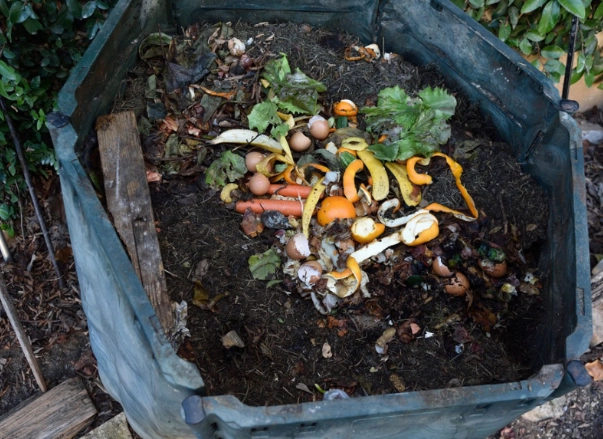
Composting Through Winter
Decomposition slows way down in the cold, but it doesn't stop at the center of a large pile. Keep adding materials. In fall, stockpile a big bag of dry leaves next to your bin to use as your winter "brown" blanket. An insulated bin or tumbler helps. Honestly, in very cold climates, I just let mine freeze and pick up again in spring. The pile will reactivate once it thaws.
The Science of Hot Composting
This is for the enthusiast. To achieve and maintain the high temperatures (130-160°F) that kill weed seeds and pathogens, you need precision: a large volume (1 cubic yard minimum), a near-perfect C:N ratio of 25-30:1, consistent moisture, and frequent turning (every 3-5 days) to replenish oxygen before it's depleted. It's a workout, but you can get usable compost in under a month. Resources from Cornell University's Waste Management Institute dive deep into the microbiology and thermodynamics if you're curious.
Bokashi: The Fermentation Pre-Process
Bokashi is a Japanese method that uses a special bran inoculated with Effective Microorganisms (EM) to ferment ALL food waste, including meat and dairy, in an airtight bucket. The output isn't finished compost; it's a pickled, pre-digested material that you then bury in soil or add to a traditional compost pile to finish breaking down. It's great for people who want to compost everything indoors without odors, but it's a two-step process and requires buying the bokashi bran.
Your Composting Questions, Answered
Let's tackle some of the specific, sometimes quirky, questions that pop up.
Q: I live in an apartment with no balcony. Can I still compost?
A: Absolutely. Vermicomposting (a worm bin) is your best friend. A properly managed bin under your sink or in a closet is odorless and can handle the food scraps of 1-2 people. Alternatively, see if your city has a community garden with a compost pile or a municipal food scrap drop-off program.
Q: Are compostable bags okay for my home pile?
A: Probably not. Most bags labeled "compostable" or "biodegradable" are designed for the high heat of industrial composting facilities. They will sit in your home pile for a very long time, looking like plastic litter. Toss the contents and put the bag in the trash (or check if your municipal compost accepts them).
Q: Can I compost paper towels and napkins?
A: Yes, if they haven't been used with cleaning chemicals, oils, or bodily fluids. Plain, used paper towels from drying hands or wiping up water are a great carbon source.
Q: How do I keep fruit flies away?
A> Bury your kitchen scraps deep. You can also keep a small countertop container with a tight lid and empty it every 2-3 days. A layer of newspaper or cardboard on top of the pile inside your main bin also acts as a physical barrier.
Q: Is store-bought compost starter necessary?
A> In my opinion, no. It's a mix of microbes and sometimes nutrients. A shovelful of finished compost or garden soil from an active bed does the exact same thing for free, introducing a whole ecosystem of local decomposers. A handful of soil is the best compost "starter" you can get.
Q: My compost has tiny white bugs. Is that bad?
A> Those are likely soil mites or springtails. They are beneficial decomposers, just like worms! They help break down materials. A healthy compost ecosystem is full of life. Only be concerned if you see large numbers of maggots (which usually indicate exposed meat or dairy).
Wrapping It Up: Your Journey Starts Now
Composting isn't about achieving perfection. It's about participating in a natural cycle. You will have batches that are better than others. You'll forget to turn it for a month. That's okay. The worst-case scenario is you end up with decomposed material a little slower than planned.
The system is forgiving.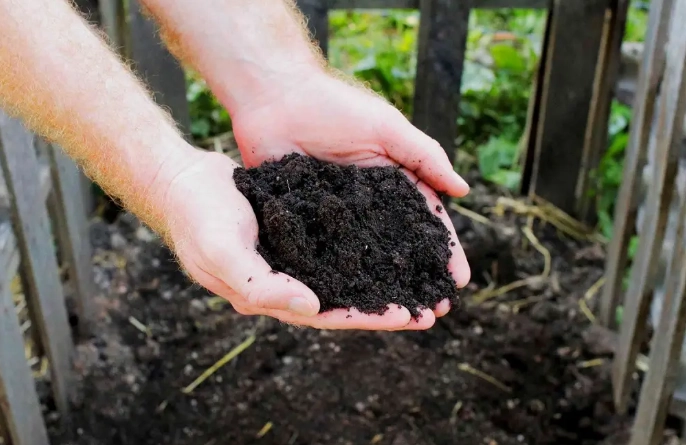
The act of turning your waste into a resource is profoundly satisfying. You stop seeing an apple core as trash and start seeing it as a future tomato plant. You become more connected to what you consume and what you grow.
Start small. Get a $10 plastic bin from the hardware store, drill some holes in it, and start with your next batch of coffee grounds and some shredded junk mail. Observe it. Learn from it. Don't be afraid to get your hands dirty. That rich, earthy smell on your hands after working with finished compost? That's the smell of success.