So you want to start an organic garden. Maybe you're tired of not knowing what's on your store-bought veggies. Maybe you just like the idea of getting your hands dirty and growing something real. I get it. I started for similar reasons, and let me tell you, my first attempt was... well, let's call it a learning experience. The tomatoes were sad, the lettuce bolted before I could blink, and the bugs seemed to have a welcome party I wasn't invited to.
But here's the thing. Organic gardening isn't about perfection. It's not some elitist club with impossible rules. It's really just about working with nature, not against it. It's about patience, observation, and a bit of good old-fashioned trial and error. And the payoff? Biting into a sun-warmed tomato you grew yourself, knowing exactly what went into it (and what didn't) – that's a feeling you can't buy.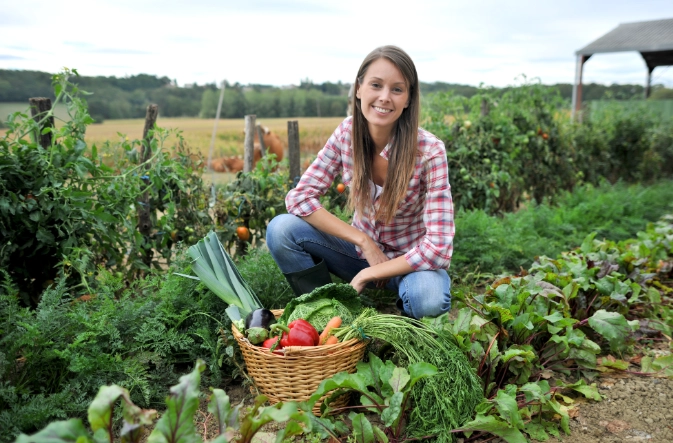
This guide is for anyone who's ever looked at a seed packet and felt overwhelmed. We're going to break it down, strip away the jargon, and talk about how you can actually make this work, even if your only experience is keeping a houseplant alive (or not).
Where on Earth Do I Even Start? Planning Your First Organic Garden
Before you buy a single seed, stop. The biggest mistake beginners make (yep, I did this too) is rushing to the garden center without a plan. You end up with 20 different seed packets, no space, and a whole lot of frustration.
Let's start simple.
Location, Location, Location: Sun is Non-Negotiable
Most vegetables and herbs are sun worshippers. They need a minimum of 6 hours of direct sunlight. More is better. Take a weekend and just watch how the sun moves across your potential spot. A sunny patio, a strip along a fence, even a sturdy fire escape can work. Don't try to fight a shady spot with “shade-tolerant” veggies if you're dreaming of peppers and tomatoes. You'll just be disappointed.
Access to water is the other big one. Dragging a hose 100 feet gets old fast. If you're using containers, being near a tap is a lifesaver.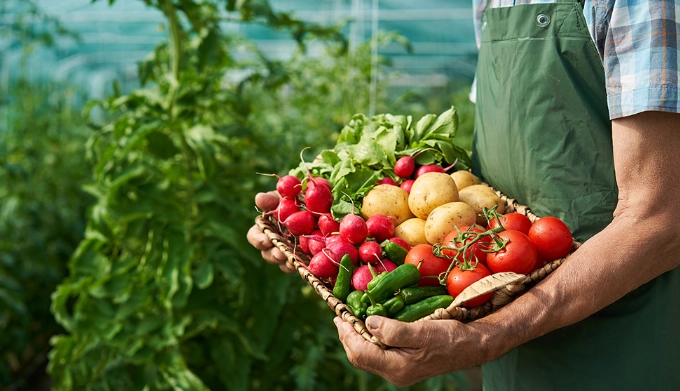
Containers vs. Raised Beds vs. In-Ground: What's Best for You?
This choice depends on your space, budget, and back.
- Containers & Pots: Perfect for patios, balconies, and renters. You have total control over the soil. Start small with a few 5-gallon buckets or fabric grow bags. Herbs, lettuce, peppers, and even determinate tomatoes do great. The downside? They dry out faster and need more frequent feeding.
- Raised Beds: My personal favorite for a dedicated garden space. They warm up faster in spring, have excellent drainage, and you don't have to deal with potentially poor native soil. You can build them to a height that's easy on your back. The initial setup takes more work and money, but they last for years.
- In-Ground Plots: The most traditional and least expensive to start. But, you're at the mercy of your existing soil. If you have heavy clay or pure sand, you've got a multi-year project ahead to build it up. A great long-term option if you have the space and patience.
I started with containers on an apartment balcony. It was humble, but it proved to me I could do it. Now I have raised beds. Start where you are.
Which brings us to the single most important part of organic gardening...
It All Begins (and Ends) With the Soil
If you remember one thing from this whole guide, let it be this: Feed the soil, not the plant. In conventional gardening, you might just pour synthetic fertilizer on a plant. In organic gardening, you think of the soil as a living, breathing city full of microbes, fungi, and worms. Your job is to be the mayor of that city and keep the citizens happy.
Building “Black Gold”: Your Composting Options
Compost is the heart of the organic matter cycle. It's decomposed plant material that turns into a rich, crumbly, sweet-smelling soil amendment. It improves soil structure, holds moisture, and provides a slow, steady feed of nutrients.
You have choices:
| Method | Best For | How It Works | My Honest Take |
|---|---|---|---|
| Cold/Passive Compost Pile | Gardeners with space and patience. | Just pile up yard waste (leaves, grass clippings) and kitchen scraps. Let it sit for 6-12 months. Turn it if you feel like it. | Super low-effort, but slow. Can attract pests if you add food scraps carelessly. Great for leaves. |
| Hot/Active Compost Bin | Those who want compost faster and can do a bit more work. | Use a bin or tumbler. Mix “greens” (kitchen scraps, fresh grass) with “browns” (dried leaves, cardboard) in a 1:3 ratio. Turn regularly to heat up. | My go-to method. You get compost in 2-4 months. Requires more attention to the mix and moisture. A tumbler is easier than turning a pile with a fork. |
| Vermicomposting (Worm Bin) | Apartments, small spaces, indoor enthusiasts. | Specialized worms (Red Wigglers) eat your food scraps in a contained bin. They produce worm castings – incredibly potent fertilizer. | Fascinating and highly effective. You have to manage moisture and not overfeed. Not for the squeamish, but the results are amazing for seedlings and potted plants. |
| Bokashi Fermentation | Small spaces, all food waste (including meat/dairy). | An anaerobic process using a special bran to ferment food waste in a sealed bucket. Pre-composts everything quickly. | Fast, doesn't smell if done right, and handles all scraps. But the fermented waste needs to be buried in soil or added to a traditional compost pile to finish. An extra step. |
I use a combination of a hot compost tumbler for yard/garden waste and a worm bin for kitchen scraps. It sounds like a lot, but once set up, it's just part of the routine.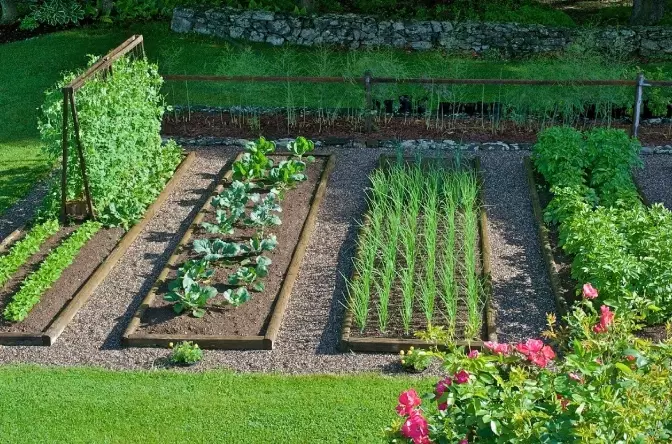
Other Soil Superheroes: Beyond Compost
Compost is the main event, but it has a great supporting cast.
- Leaf Mold: Just decomposed leaves. It's fantastic for improving soil structure and moisture retention. If you have trees, rake those leaves into a pile or bin and forget about them for a year or two. Free magic.
- Well-Aged Manure: Cow, horse, or chicken manure that has been composted for at least 6 months. Fresh manure will burn your plants and can contain pathogens. Source it from a trusted farm or buy it bagged and aged from a garden center.
- Cover Crops/Green Manure: This is an advanced but brilliant technique. You plant a crop like clover or winter rye not to eat, but to grow and then turn into the soil. It prevents erosion, suppresses weeds, and adds organic matter. The Sustainable Agriculture Research & Education (SARE) program has fantastic resources on this if you have a larger in-ground plot.
The goal is to constantly add organic matter. Every season, top-dress your beds with an inch or two of compost. It's like a yearly vitamin boost.
Choosing What to Grow: Start with the “Easy Wins”
Ambition is great, but success is better. For your first foray into organic gardening, pick plants that are forgiving and productive. This builds confidence.
Here's my tried-and-true list of beginner-friendly organic crops:
- Leafy Greens (Lettuce, Kale, Swiss Chard, Spinach): Fast growers. You can harvest “cut-and-come-again” leaves for weeks. Kale is almost indestructible and sweetens after a frost.
- Bush Beans: Seeds are big and easy to plant. They germinate quickly and produce a reliable crop. Few pest problems. Just pick them regularly to keep them producing.
- Radishes: The instant gratification vegetable. From seed to harvest in as little as 25 days. If your radishes fail, you haven't lost much time. They're a great soil test crop.
- Zucchini/Summer Squash: Be warned: one plant is often enough for a family. They are prolific. Give them space and sun, and they will reward you (and your neighbors).
- Herbs (Basil, Mint, Chives, Oregano, Thyme): Incredibly easy, especially in pots. Fresh herbs transform cooking. Mint is invasive—always plant it in a container unless you want a mint lawn.
What to avoid in year one? Cauliflower and celery are finicky. Artichokes take forever. Asparagus is a perennial investment that takes years to establish. Walk before you run.
The Organic Gardener's Toolbox: Dealing with Pests and Weeds
This is the part that scares people. You're going organic, so you can't just spray anything, right? Right. But you have a whole arsenal of smarter tactics.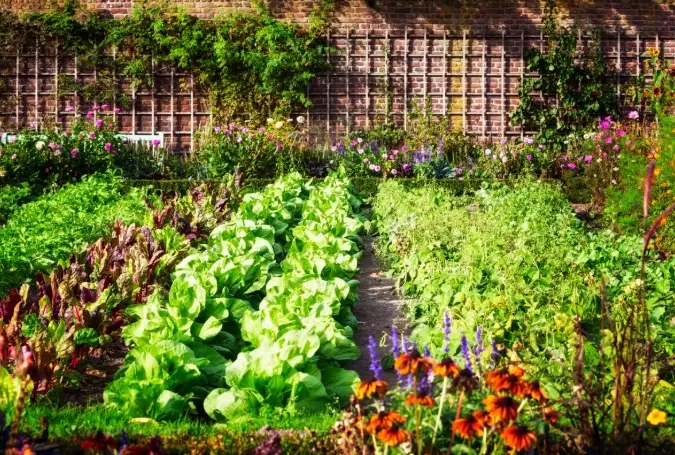
Prevention is 90% of the Battle
Healthy plants grown in good soil are your first and best defense. A stressed plant sends out chemical signals that pests can literally smell. Keep your plants strong.
- Diversity is Key: Don't plant a huge monoculture of one crop. Mix things up. Interplant flowers like marigolds, calendula, and nasturtiums among your veggies. They attract beneficial insects and can confuse pests. This companion planting concept is backed by institutions like the Royal Horticultural Society, which notes that while evidence varies, diversity generally promotes garden health.
- Encourage the Good Bugs: Ladybugs, lacewings, and parasitic wasps are your tiny army. Plant nectar-rich flowers (dill, fennel, yarrow, alyssum) to give them a food source so they stick around.
- Physical Barriers: Row covers (lightweight fabric) are a game-changer. Drape them over crops like carrots or brassicas (cabbage, broccoli) to keep out flying insects like cabbage moths. It's like a mosquito net for your plants.
When Pests Show Up: The Escalation Response
You will see bugs. The goal is management, not total annihilation.
- Identification & Tolerance: Is that bug actually causing damage? Learn what a few common pests look like (aphids, cabbage worms, squash bugs). Can you tolerate a few holes in your kale? Probably.
- Manual Removal: Put on some gloves and squish aphids with your fingers. Pick off hornworms and tomato worms and... dispose of them. Check the undersides of leaves. It's gross but effective.
- Blast Them Off: A strong jet of water from the hose can knock aphids and spider mites right off the plant. Do this in the morning so the plant dries.
- Organic Sprays (Last Resort): Insecticidal soaps and horticultural oils (like neem oil) work by smothering soft-bodied insects. They break down quickly and are less harmful to beneficials. But they're a broad-spectrum last resort, not a weekly routine. Always spray in the evening to avoid harming bees.
I had an epic battle with squash bugs one year. I lost. The lesson? The next year, I was out there every day checking the undersides of leaves for their copper-colored eggs and scraping them off. Vigilance won the war.
Weeds: The Eternal Nemesis
Weeds compete for water, nutrients, and light. The key is to never let them get established.
- Mulch, Mulch, Mulch: This is your #1 weed prevention tool. A 2-3 inch layer of straw, shredded leaves, or wood chips blocks light from reaching weed seeds, keeps soil moist, and eventually breaks down to feed the soil. It makes your garden look tidy, too.
- Hoe When Dry: On a hot, sunny day, run a sharp hoe just under the soil surface to slice off young weeds. They'll wilt and die in the sun before they can re-root.
- Pull When Wet: After a rain, the whole weed, root and all, comes out much easier.
Accept that some weeding is just part of the meditation of gardening. Put on a podcast and zone out for 15 minutes. It's not so bad.
Watering Wisely: More Than Just Turning on the Hose
Overwatering is as common a killer as underwatering, especially in containers. Roots need oxygen as much as they need water.
The golden rule: Water deeply and less frequently. A long, slow soak encourages roots to grow deep into the soil, making plants more drought-resistant. A quick sprinkle just wets the surface, encouraging shallow roots.
Stick your finger into the soil up to the second knuckle. If it feels dry, it's time to water. If it's damp, wait. Get to know the “heft” of your pots—a dry pot is much lighter than a watered one.
Water at the base of the plant, not from overhead. Soaker hoses or drip irrigation are fantastic investments that save water and prevent fungal diseases by keeping leaves dry. Water in the morning if possible, so any splashed leaves have time to dry before nightfall.
Answering Your Organic Gardening Questions (The Real Ones)
Let's tackle some of the questions that kept me up at night when I started.
Is organic gardening more expensive?
It can be at the start. Buying compost, soil for raised beds, and organic seeds or plants has a cost. But you quickly start saving. You make your own compost. You save seeds from heirloom plants. You don't buy synthetic fertilizers or pesticides. Over time, it becomes incredibly cost-effective, especially when you weigh it against the price of organic produce at the store.
Can I really grow enough to make a difference?
Absolutely. You might not feed your family entirely for a year, but you can make a significant dent. A few tomato plants can yield 20+ pounds of fruit. A 4x8 foot raised bed planted intensively can produce a staggering amount of salads, greens, and root vegetables. It's about fresh, ultra-nutritious food at its peak, not necessarily bulk storage.
What if I don't have a backyard?
Container gardening is organic gardening. Herbs, lettuces, peppers, eggplant, dwarf tomatoes, beans—all thrive in pots. Look into community gardens in your area. They provide space, often water, and a community of fellow gardeners to learn from.
Are organic seeds really necessary?
For true, certified organic produce, yes, you should start with organic seeds. But as a beginner, don't let this stop you. The most important step is to start. Many heirloom or non-treated seeds from reputable companies are a fine starting point. As you get more serious, seek out organic seed suppliers. The key principle of organic gardening is about the process, not just the pedigree of the seed.
How do I deal with diseases like powdery mildew or blight?
Prevention again. Good air circulation (don't overcrowd plants), watering at the soil level, and rotating crops (don't plant tomatoes in the same spot year after year) are huge. For mild cases, a homemade spray of 1 part milk to 9 parts water can help suppress powdery mildew on squash leaves. For serious issues, sometimes the best organic response is to remove and destroy the affected plant to protect the rest. It's tough, but it's part of the ecosystem management.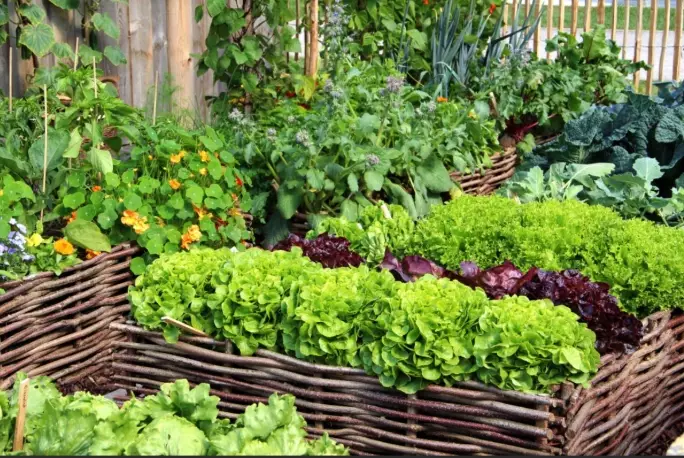
Your First Season: A Loose Timeline
Don't be rigid, but this might help you visualize the flow.
- Late Winter/Early Spring: Plan. Order seeds. Start seeds indoors for slow growers like tomatoes and peppers (if you have a sunny window or grow lights).
- Spring (After Last Frost): Prepare soil. Add compost. Plant cool-season crops directly: peas, spinach, lettuce, radishes, carrots. Transplant your seedlings after hardening them off (acclimating them to outdoor life for a week).
- Late Spring/Early Summer: Plant warm-season crops: beans, corn, squash, cucumbers. Mulch everything. Start your compost pile.
- Summer: Water, weed, harvest! Keep picking beans and zucchini to encourage more. Watch for pests. Enjoy.
- Late Summer/Fall: Plant a second crop of cool-season greens. As plants finish, pull them and add to the compost (unless diseased). Top-dress beds with compost. Plant a cover crop if using.
- Winter: Plan for next year. Read seed catalogs. Rest. The soil is resting too.
Look, your first garden won't be perfect. You'll forget to water something. A squirrel will steal your first ripe tomato. You'll plant things too close together. I still make mistakes every single year.
But you'll also taste a strawberry that actually smells like a strawberry. You'll watch a bee pollinate a squash flower. You'll feel the satisfaction of turning kitchen scraps into soil. You'll understand seasons in a way you never did before.
That's the real harvest of organic gardening. It's not just the food. It's the connection. So just start. Get a pot, some good soil, a packet of basil seeds, and put them together. You've officially begun.