- Why Your Garden Desperately Needs Ladybugs
- Meet the Family: Common Ladybug Species
- The Incredible Ladybug Life Cycle: From Egg to Adult
- How to Attract Ladybugs and Make Them Stay
- The Ladybug Arsenal vs. Common Pests
- Buying Ladybugs: Does It Work? The Honest Truth.
- Ladybug FAQs: Answering Your Real Questions
- Building a Partnership, Not Just a Population
Let's talk about ladybugs. You know them, those cute little red beetles with black spots that seem to pop up on sunny leaves. Most of us have a fond memory of one landing on our hand as a kid. But here's the thing – most of us have no idea what absolute powerhouses these insects are. I used to just think they were pretty. Then I started gardening seriously, and let me tell you, my perspective changed completely.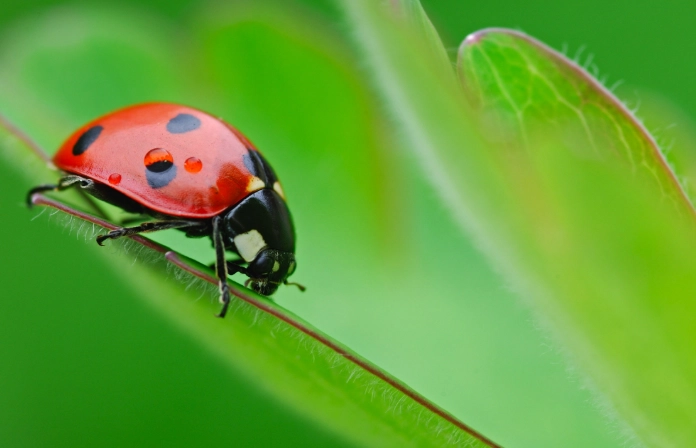
I remember the first year my rose bushes were absolutely smothered in aphids. I was ready to go buy some spray, the strong stuff. My neighbor, an old-timer who's been gardening for fifty years, just shook his head. "Wait for the ladies," he said. I had no idea what he meant. A week later, I saw them. A small squadron of bright red ladybugs had descended on my roses. Within days, the aphids were gone. Not reduced, gone. That was the moment I became a ladybug believer.
This guide is everything I wish I knew back then. We're going to move past just thinking they're cute and really dig into why every gardener should be actively trying to recruit these spotted allies. We'll cover what they eat (spoiler: it's your worst garden pests), their weird and wonderful life cycle, how to tell different species apart, and most importantly, how to make your garden so inviting that they decide to move in and raise a family.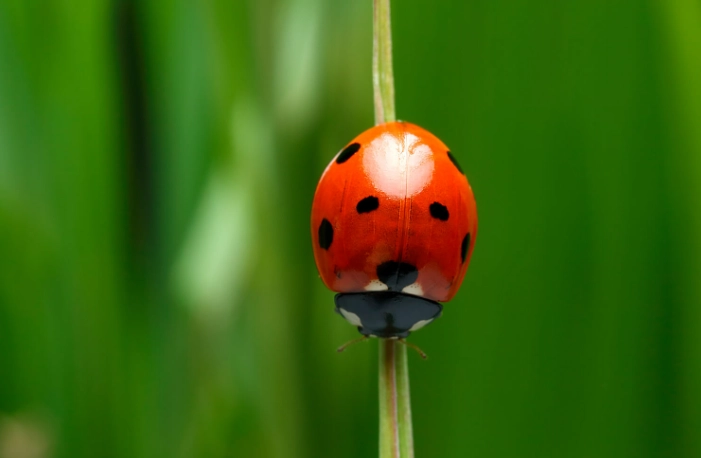
Why Your Garden Desperately Needs Ladybugs
Let's cut to the chase. Why should you care? If you've ever seen the underside of a leaf turn into a seething mass of aphids, you'll understand the problem. Chemical sprays are a quick fix, but they're a messy solution. They kill the good bugs along with the bad, they can harm pollinators, and they leave residues. Ladybugs offer a targeted, sustainable, and free alternative.
A single ladybug larva can eat up to 400 aphids during its development. Let that sink in. Four hundred. The adult ladybugs are no slouches either, munching their way through about 50 aphids a day. When you have a population of them, they act like a living, breathing pest control army. And their appetite isn't limited to aphids. They'll happily gobble up mealybugs, spider mites, scale insects, and even the eggs of other pests like Colorado potato beetles or corn borers.
It's a level of efficiency that's hard to beat. I've seen it firsthand. My vegetable patch used to be a constant battle. Now, with a healthy ladybug population (which I worked to attract), I barely have to intervene. The system mostly balances itself. It's not perfect – sometimes an outbreak happens – but it's a world of difference.
But how exactly do they manage to be so effective? It's not just about adult ladybugs. The real secret weapon is often overlooked.
The Secret Life of Ladybug Larvae: The Unsung Heroes
This is where most people's knowledge drops off. If you saw a ladybug larva, you might mistake it for a tiny alien or even a pest itself. They look nothing like the cute, round adults. They're elongated, spiky, and often dark colored with bright orange or yellow markings. They look fierce, and they are.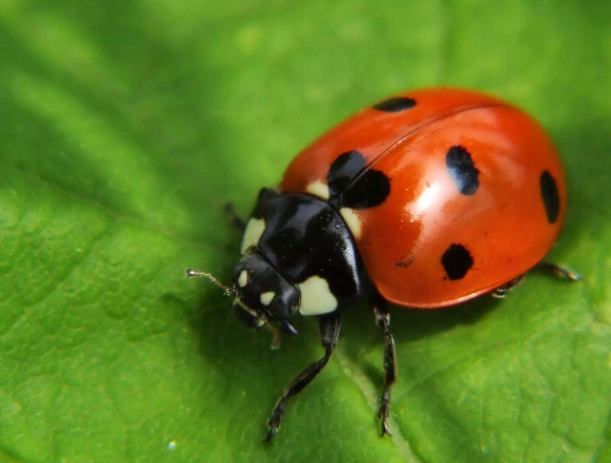
The larval stage is the all-you-can-eat buffet phase of a ladybug's life. They are eating machines, pure and simple. They have one job: consume as much as possible to fuel their metamorphosis into an adult. This is when they do the bulk of their pest-killing work. An adult ladybug is efficient, but a larva is a voracious predator on a mission.
I'll admit, the first time I saw one on my fava bean plant, I almost flicked it off, thinking it was something bad. Luckily, I took a picture and looked it up. That was a crucial lesson: you have to learn to recognize the babies if you want to protect them. Killing a ladybug larva is like firing your best employee before they even get started.
Meet the Family: Common Ladybug Species
Not all ladybugs are the classic red-with-black-spots. There's a surprising amount of diversity. Knowing who's who can help you understand what you're working with. The most common native species in North America is the Convergent Lady Beetle (Hippodamia convergens). It's often the one you find for sale. But there are others.
Then there's the controversial one: the Asian Lady Beetle (Harmonia axyridis). It was introduced in the 20th century for pest control and has spread widely. It's a fantastic pest eater, but it has a bad habit of swarming homes in the fall to overwinter, and it can outcompete some native species. They also tend to bite more often than native ladybugs (just a little pinch, but it's annoying). You can often identify them by an "M" or W-shaped marking behind their head.
Here’s a quick rundown of some common players in the garden:
| Species (Common Name) | Key Identifying Features | Diet & Role | Notes |
|---|---|---|---|
| Convergent Lady Beetle (Hippodamia convergens) | Orange-red, usually with 13 black spots. Two converging white lines behind the head. | Voracious aphid eater. The classic biocontrol agent. | Native to North America. Often harvested and sold for release. |
| Seven-Spotted Ladybug (Coccinella septempunctata) | Red with seven distinct black spots (three on each wing, one in the middle). | Generalist predator of soft-bodied pests. | Common in Europe and introduced in North America. A very effective forager. |
| Twice-Stabbed Lady Beetle (Chilocorus stigma) | Shiny black with two red spots. Looks very different! | Specializes in scale insects. | A great example of ladybug diversity. Loves trees and shrubs. |
| Asian Lady Beetle (Harmonia axyridis) | Color varies from orange to red, spots vary from many to none. Look for the "M" marking. | Extremely aggressive predator of a wide pest range. | Introduced. Very effective but can be a household nuisance in autumn. |
Spotting these different types can become a fun garden game. The main takeaway? Most of them are on your side, working for free. For authoritative information on ladybug identification and biology, resources like the Entomological Society of America or university extension websites (e.g., University of Minnesota Extension) are invaluable.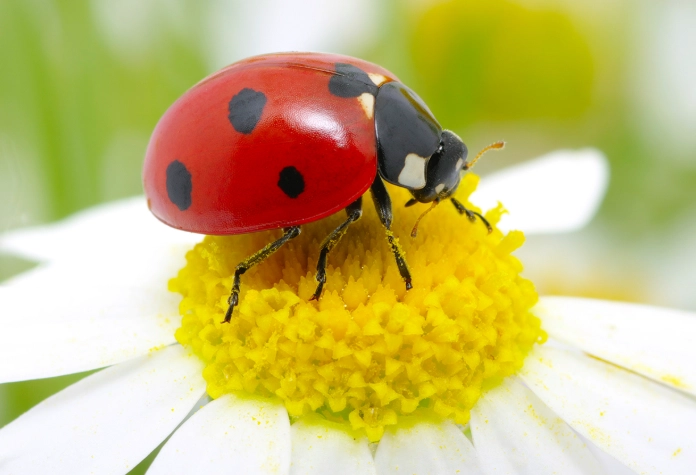
The Incredible Ladybug Life Cycle: From Egg to Adult
Understanding this cycle is the key to supporting them year-round. It's a complete metamorphosis, just like butterflies: egg, larva, pupa, adult.
Stage 1: The Eggs. A female ladybug seeks out a plant infested with aphids or other prey. She'll lay a cluster of 10-50 tiny, yellow, football-shaped eggs on the underside of a leaf, right in the middle of the food source. Talk about setting your kids up for success! The eggs hatch in about 3-5 days.
Stage 2: The Larva. This is the stage we talked about – the eating machine. It lasts for about 2-3 weeks, during which the larva will molt its skin several times as it grows (each stage is called an instar). It just eats and grows. All that pest control is happening here.
Stage 3: The Pupa. When it's fully grown, the larva attaches itself to a leaf or stem. It then forms a pupa, which looks like a shriveled, spiky blob. Inside, the magic of metamorphosis happens. This stage lasts about a week. It's a vulnerable time, so providing sheltered spots in your garden is crucial.
Stage 4: The Adult. The new adult emerges soft and pale yellow. Within hours, its exoskeleton hardens and its iconic colors develop. It will then feed, mate, and continue the cycle. Adults can live for several months, and some species even overwinter as adults, huddled in leaf litter or cracks in bark (or, unfortunately, the siding of your house).
How to Attract Ladybugs and Make Them Stay
This is the million-dollar question. You can't just wish them there. You need to create a five-star insect hotel. It boils down to three things: food, water, and shelter.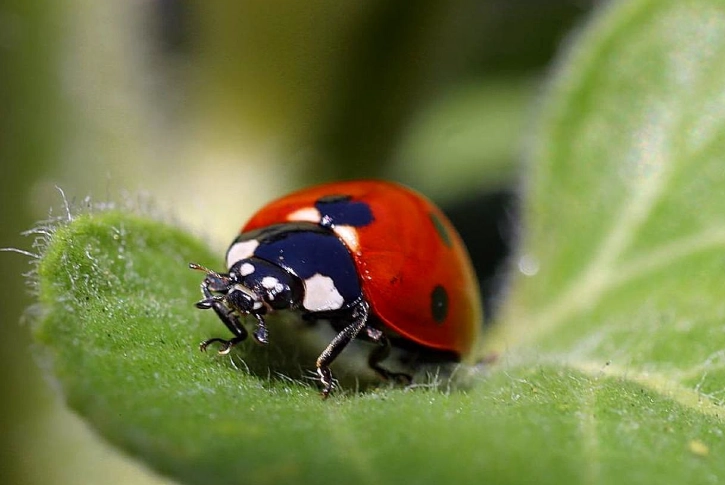
1. Plant a Ladybug Cafeteria
Adult ladybugs need two food sources: pests for protein (for egg development) and pollen/nectar for energy. Yes, many adult ladybugs are omnivores! By planting pollen-rich flowers, you provide a reliable food source for them when pest numbers are low, encouraging them to stick around.
Some of the best plants for attracting adult ladybugs include:
- Herbs: Let some of your cilantro, dill, fennel, and parsley go to flower. The tiny flowers are perfect. My dill patch is always crawling with beneficial insects.
- Flowers: Alyssum (sweet, white flowers are a magnet), cosmos, marigolds, calendula, yarrow, and angelica.
- Weeds (tolerate some!): Dandelions and wild carrots (Queen Anne's lace) are actually excellent early-season food sources. I'm not saying let your yard go wild, but a dedicated "bug-friendly" corner can work wonders.
Of course, you also need to have some pest plants to provide the main course for the larvae. A few aphids on your nasturtiums or milkweed is not a crisis; it's bait.
2. Provide Shelter and Water
Ladybugs need places to hide from their own predators (birds, spiders, other insects) and to ride out bad weather. A messy garden is a good garden for bugs.
- Leave some leaf litter under shrubs.
- Have patches of dense ground cover or low-growing plants.
- You can even buy or build simple "ladybug hotels" – small boxes filled with hollow stems, pine cones, or straw.
- For water, a shallow dish with pebbles and water (so they don't drown) or consistently damp soil is enough.
3. The Big Don't: Stop Using Broad-Spectrum Pesticides
This is non-negotiable. Insecticidal soaps, neem oil, and other targeted organic treatments can be used with extreme care if you must. But spraying general insecticides will kill the ladybugs, their larvae, and their eggs. You're nuking your own army. If you've committed to attracting ladybugs, you have to commit to a more hands-off, integrated approach to pest management. The U.S. Environmental Protection Agency has resources on integrated pest management (IPM) that align perfectly with this philosophy.
The Ladybug Arsenal vs. Common Pests
Let's get specific about what these beetles tackle. It's not just aphids on roses.
| Garden Pest | Damage They Cause | How Ladybugs Help | Best Ladybug Life Stage for the Job |
|---|---|---|---|
| Aphids | Suck plant sap, cause curling/distortion, spread plant viruses. | Primary food source. Ladybugs can decimate colonies. | Larvae (most voracious) & Adults |
| Spider Mites | Pierce plant cells, cause stippling/yellowing, create fine webs. | Will consume all life stages of mites. | Larvae & Adults |
| Mealybugs | Sap-suckers that leave sticky honeydew and white waxy residue. | Ladybug larvae will crawl into crevices to find them. | Larvae (excellent at hunting in tight spaces) |
| Scale Insects (Soft Scale) | Immobile sap-suckers that look like bumps on stems/leaves. | Specialist ladybugs (like Twice-Stabbed) love them. | Adults & Larvae of specific species |
| Insect Eggs (e.g., Colorado Potato Beetle, Corn Borer) | Future generations of leaf-eating caterpillars/beetles. | Ladybugs will scavenge and eat the egg clusters. | Adults & Larvae |
Seeing this list really puts their value into perspective. They're not a one-trick pony. They're a multi-tool for garden health.
Buying Ladybugs: Does It Work? The Honest Truth.
You'll see bags of live ladybugs for sale at garden centers or online. The idea is tempting: instant pest control! I've tried it. The results are... mixed.
The biggest issue is what I mentioned earlier: if you release 1500 ladybugs into a garden that doesn't have established food, water, and shelter, they will treat your garden as a pit stop. Most will fly away within 48 hours. You're essentially providing a snack and a launchpad for them to find a better home.
If you do decide to buy them, here's how to maximize your chances:
- Release at the right time: Early morning or late evening when it's cool. They are less likely to fly immediately.
- Pre-hydrate them: Lightly mist the bag or container with water before opening.
- Release in the right place: Place them at the base of infested plants or in your "ladybug cafeteria" area.
- Have a prepared garden: This is key. Make sure there are pests for them to eat and flowers for nectar before they arrive.
My personal take? The money is better spent on plants that will attract and sustain a native population that reproduces on-site. Building is slower but leads to a permanent resident workforce, not a fly-by-night contractor. The University of California's Statewide Integrated Pest Management Program (UC IPM) has excellent, science-based publications on using beneficial insects that often caution against the casual purchase of ladybugs for this reason.
Ladybug FAQs: Answering Your Real Questions
I get a lot of questions from fellow gardeners about these beetles. Here are the most common ones, straight from the trenches.
No, that's a common myth. The number of spots is determined by the species and sometimes individual genetics, not age. A newly emerged adult has its full complement of spots.
They can, but it's rare and not serious. They have mandibles and might give a little pinch if they feel threatened or are trying to see if you're food (especially the Asian species). It feels like a tiny pinch, nothing more. It's more surprising than painful.
That's a defense mechanism called "reflex bleeding." When stressed, they exude a bit of their yellowish, smelly hemolymph (insect blood) from their leg joints. It's mildly toxic and tastes bad to predators. It can stain, so try not to handle them roughly. Wash your hands if you get any on you.
Yes, color is a key identifier for different species. They're all still ladybugs (family Coccinellidae). For example, the Twenty-spotted Ladybug is often beige, and the Mexican Bean Beetle (a pest itself!) is yellow with spots.
Most species overwinter as adults. They seek out protected spots to enter a state of dormancy (diapause). This could be under leaf litter, in rock piles, under tree bark, or, problematically, in the cracks and attics of houses (mainly the Asian Lady Beetle). Providing good overwintering sites in your garden, like a brush pile or a dedicated insect hotel in a sheltered spot, can encourage them to stay on your property.
This is crucial. Ladybug larvae are active hunters. They move around on plants searching for prey. They have six legs in the front and are often described as "alligator-shaped." Pest caterpillars are often slow-moving, leaf-munching, and may have more legs (prolegs along their abdomen). If you see a spiky, fast-moving critter on an aphid-infested plant, it's probably a friend. When in doubt, take a picture and use an app like iNaturalist or consult your local extension service website.
Building a Partnership, Not Just a Population
At the end of the day, working with ladybugs is about a shift in mindset. You're not trying to dominate your garden with chemicals. You're trying to cultivate a balanced mini-ecosystem where natural checks and balances do most of the heavy lifting. The ladybug is a star player in that system.
It requires patience. You have to tolerate a few pests to feed your allies. You have to plant things you might not have considered just for the bugs. You have to be okay with a little bit of "wildness" in the corners. But the payoff is immense: a healthier garden, less work spraying and worrying, more pollinators, and the simple joy of watching nature's own pest control in action.
Start small. Plant a patch of alyssum or let some herbs flower. Hold off on the spray bottle at the first sign of aphids and just watch for a week. You might be surprised at who shows up to help. That bright red flash against the green leaves is more than just a pretty sight. It's a sign your garden is alive, working, and thriving on its own terms. And honestly, isn't that the kind of garden we all want?