In This Guide
Let's talk about pollinators. You've probably heard the buzz—pun intended—about saving the bees. But honestly, when I first started digging into this, I realized I had no clue what that really meant. I pictured a few honeybees on some flowers and thought, "How hard can it be?" Turns out, I was pretty wrong. The world of pollinators is vast, fascinating, and honestly, a bit messy. It's not just about bees; it's about butterflies, moths, flies, beetles, hummingbirds, and even bats. These are the unsung workers of our food system and natural landscapes.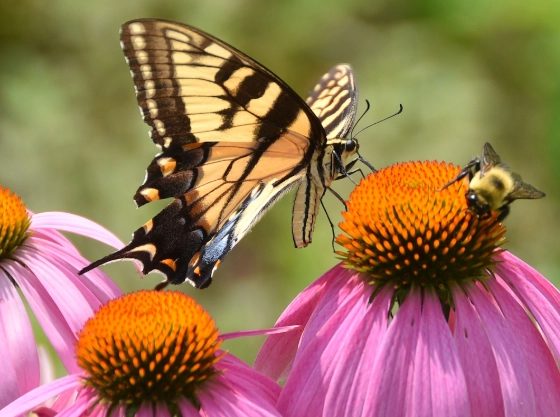
I remember planting what I thought was a "butterfly bush" a few years ago, feeling quite proud of myself. It grew like crazy and attracted... basically nothing. Maybe a couple of cabbage whites. It was a total letdown. That experience sent me down a rabbit hole. What was I doing wrong? Why weren't the good bugs showing up? That failure taught me more than any success could have. It's not about just putting any flowering plant in the ground. It's about understanding what these creatures actually need, which is often different from what the garden center is selling you.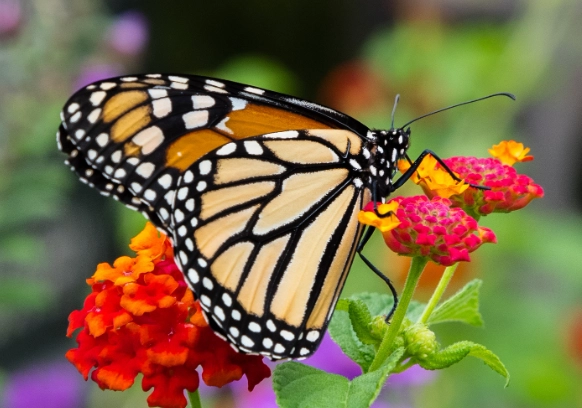
Think of a pollinator not as a cute visitor, but as a creature with a job. Its job is to move pollen from one flower to another. In return, it needs fuel (nectar) and protein (pollen) for itself and its young. Your garden is either a helpful pit stop or a barren wasteland on its commute. Which one do you want it to be?
This guide is the one I wish I had when I started. We're going to move past the vague advice and get into the practical, sometimes gritty, details of creating a space that truly supports these essential animals. We'll talk about who they are, why they're in trouble, and most importantly, what you can actually do in your own patch of earth to make a real difference. No fluff, just actionable steps.
What Exactly Is a Pollinator? (It's More Than You Think)
Okay, let's get the basics straight. A pollinator is any animal that facilitates the transfer of pollen from the male part (anther) of a flower to the female part (stigma) of the same or another flower. This act is what leads to fertilization and the production of fruits and seeds.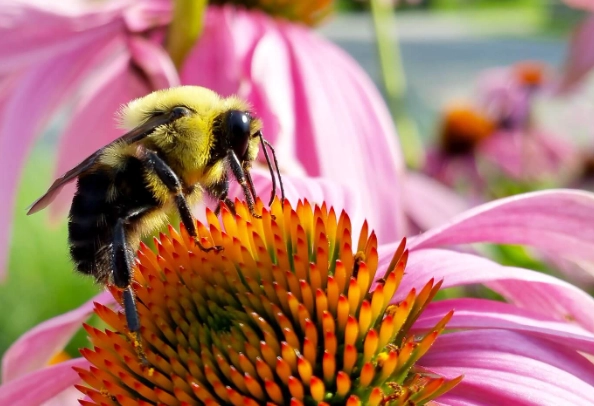
When you hear "pollinator," your brain probably jumps straight to the European honey bee. And look, they're important for agriculture, but they're actually a managed, non-native species in many parts of the world. The real story is with our native pollinators. There are over 4,000 species of native bees in North America alone! From big, fuzzy bumblebees that can "buzz pollinate" tomatoes to tiny, solitary mason bees that are efficiency experts.
But bees are just the headline act. Have you ever seen a hoverfly zipping around your flowers? That's a pollinator. Those nocturnal moths visiting your evening blooms? Pollinators. Even some ants, beetles, and wasps get in on the action. In the tropics, birds and bats are major players. This diverse group of pollinators is what keeps ecosystems resilient. If one has a bad year, others can pick up the slack.
Why Should You Care? The Stakes Are Surprisingly High
I get it. It's easy to think, "It's just a few bugs, what's the big deal?" I used to think that too. Then I started connecting the dots. It's not an exaggeration to say that pollinators are a fundamental link in our food chain. The Food and Agriculture Organization of the United Nations (FAO) states that nearly 75% of the world's food crops depend, at least in part, on animal pollination. We're talking about apples, almonds, blueberries, coffee, cocoa, and a huge variety of vegetables.
Beyond your plate, pollinators are keystone species in wild ecosystems. They enable the reproduction of over 85% of the world's flowering plants. Those plants provide food and shelter for countless other animals, stabilize soil, and produce the oxygen we breathe. The decline of a single native bee species can have ripple effects through an entire habitat.
And they are declining. Habitat loss is the giant one. We've turned prairies into lawns and wild edges into concrete. Pesticides, particularly a class called neonicotinoids, are a major threat—they're systemic, meaning the plant absorbs them, and they can end up in the pollen and nectar. Climate change messes with the timing of flower blooms and pollinator emergence. Diseases and parasites play a role too, especially for managed bees.
Here's a personal gripe: the perfectly manicured, monoculture lawn. It's a pollinator desert. It offers zero food, zero shelter, and is often maintained with chemicals that actively harm them. It's like a green parking lot. If you want to help, rethinking your lawn is one of the most powerful things you can do.
The good news? You don't need to solve global climate change to help. You can start right outside your door. Creating a pollinator-friendly habitat is a direct, tangible action with immediate local benefits.
Your Action Plan: Building a Pollinator Paradise
This is the fun part. Transforming your space isn't about one grand gesture; it's about a series of smart choices. Let's break it down.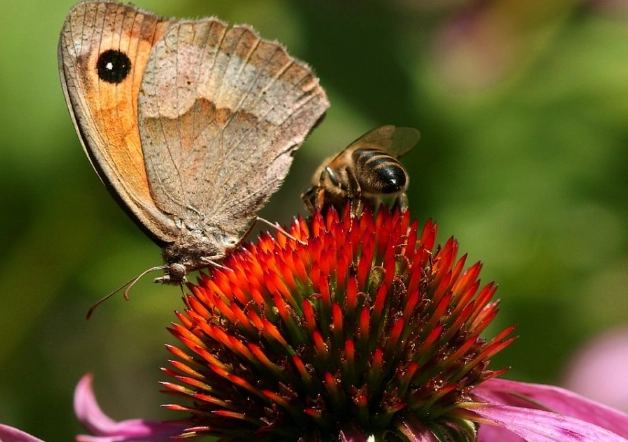
Step 1: Plant the Right Stuff (This is 80% of the Battle)
Choosing plants is where most people, including past me, go wrong. It's not just "flowers good." Native plants are the absolute gold standard. Why? Because they have co-evolved with your local pollinators over thousands of years. The shapes, nectar guides, and bloom times are a perfect match. Non-native plants might look pretty, but they're often like empty calorie junk food for pollinators—if they can access them at all.
Think in terms of bloom time. Your goal is to have something flowering from early spring to late fall. A pollinator needs food from the moment it wakes up (a bumblebee queen in March) until it goes dormant (the last autumn butterflies).
Here’s a simple table to get you started thinking about a succession of blooms. (Note: Specific plants will vary wildly by region! Use this as a template and then research your local natives).
| Season | Pollinator Needs | Example Plant Types (Research Local Species!) |
|---|---|---|
| Early Spring | Critical for emerging queen bumblebees and early butterflies. Food sources are scarce. | Willows, Red Maple, native violets, Spring Beauty, Lupine |
| Late Spring / Early Summer | Main season kick-off. Many bees and butterflies are active. | Milkweed (for Monarchs!), Bee Balm, Penstemon, Coneflowers (Echinacea), Salvia |
| High Summer | Peak activity. Needs high nectar and pollen producers. | Sunflowers, Joe-Pye Weed, Goldenrod, Blazing Star (Liatris), Mountain Mint |
| Late Summer / Fall | Essential for building fat reserves for overwintering. Migrating Monarchs need fuel. | Asters, Goldenrod (yes, it's not the allergen—ragweed is!), Sedum, Native Grasses with seeds |
A quick word on cultivars vs. straight species. Nurseries love to sell you fancy cultivars with names like 'Big Bang Purple Starburst'. Sometimes these are bred for looks at the expense of nectar, or the flower structure becomes too complex for insects to access. When possible, choose the straight, native species. Organizations like the Xerces Society for Invertebrate Conservation provide fantastic regional plant lists that are a much better starting point than a generic garden center shelf.
Step 2: Provide Shelter and Nesting Sites
Food is only half the equation. Where do these creatures live? Most native bees (about 70%) are solitary and nest in the ground. They need bare, undisturbed patches of soil. Others, like mason bees, nest in hollow stems or beetle holes in wood.
You can help by:
- Leaving the leaves! This is my biggest winter habit change. That leaf litter is a hibernation hotel for countless moth chrysalises, butterfly pupae, and dormant bumblebee queens. Raking and bagging them is like throwing away next year's pollinators.
- Creating a "messy" corner. Leave a dead log, a pile of branches, or some standing dead stems (cut them back in spring, but leave 12-24 inches tall). It feels weird at first if you're used to tidiness, but it's life-giving.
- Making or buying a bee hotel. If you do this, research proper design. Many cheap ones are decorative death traps (smooth bamboo can trap moisture and spread disease, or the backs are sealed). The U.S. Fish & Wildlife Service has a good guide on building a safe one. Place it in a sunny, sheltered spot.
A Simple Trick: Instead of cutting all your perennial stems to the ground in fall, cut them back to different heights, between 8 and 24 inches. These hollow stems become perfect nesting tunnels for stem-nesting bees next spring. Then you can cut them back further the following fall.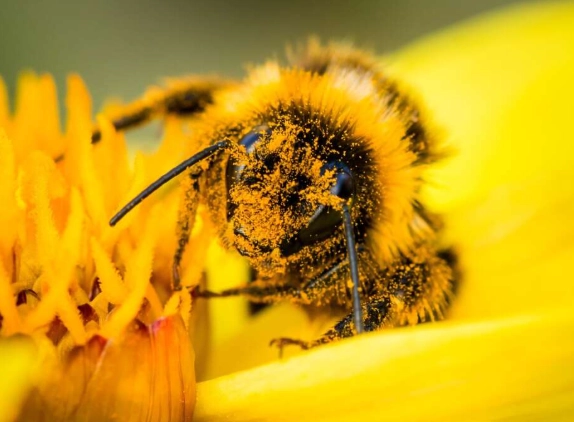
Step 3: Ditch the Chemicals. Completely.
This one is non-negotiable. Insecticides, by design, kill insects. Even "organic" ones like pyrethrin are broad-spectrum and don't discriminate between a pest aphid and a baby bee. Herbicides kill the "weeds" that are often early-blooming pollinator plants (think dandelions and clover in your lawn).
A healthy, diverse garden with native plants will naturally attract predator insects (like ladybugs and lacewings) that keep pest populations in check. You have to tolerate a little bit of damage—it's a sign your garden is part of an ecosystem. If you have a major outbreak, use targeted methods like spraying pests off with water or hand-picking.
Your commitment to being pesticide-free is a direct vote for pollinator health.
Tackling Common Questions & Myths
You've got questions. I had a ton. Let's clear some things up.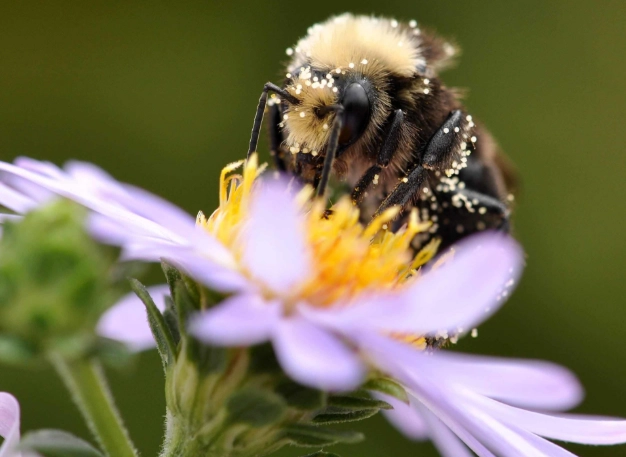
Absolutely! Container gardening is a fantastic way to support urban pollinators. Focus on a few key native plants in large pots with good soil. Even a single pot of blooming native salvia or coneflower on a balcony provides a vital food source. You can add a small dish of water with pebbles in it (a landing pad) for them to drink.
This is a classic point of confusion. The non-native butterfly bush (Buddleia davidii) does attract adult butterflies with its nectar. However, it's often called a "fast food" source. It provides no food for butterfly caterpillars (the larval stage). Worse, in many areas, it's invasive, escaping gardens and outcompeting native plants that do support the full life cycle. A better choice is to plant a native "host plant" like Milkweed for Monarchs, Pawpaw tree for Zebra Swallowtails, or Parsley for Black Swallowtails. Feed the babies, not just the adults.
Honeybees are vital for commercial crop pollination, but they are a managed livestock species, like chickens. Supporting native pollinators is about supporting the wild ecosystem. Native bees are often more efficient pollinators for native plants and many crops. A diverse pollinator community is a resilient one. Don't ignore the honeybee's struggles, but remember that helping native habitat helps all pollinators, including honeybees when they forage.
This is a huge concern for people, and it's understandable. But here's the reality: pollinator gardening attracts foraging bees. These bees are focused on one thing: collecting food. They are not defending a hive and have zero interest in you. I spend hours photographing in my pollinator garden and have never been stung while a bee was on a flower. Ground-nesting bees are famously docile. Yellowjackets (which are wasps, not bees) are more likely to be attracted to your picnic meat than your flower garden. The risk is incredibly low.
Taking It Further: Observe, Learn, and Connect
Once you start, it becomes addictive. You'll notice things you never saw before. Is that a metallic green sweat bee? Is that caterpillar on the milkweed a Monarch?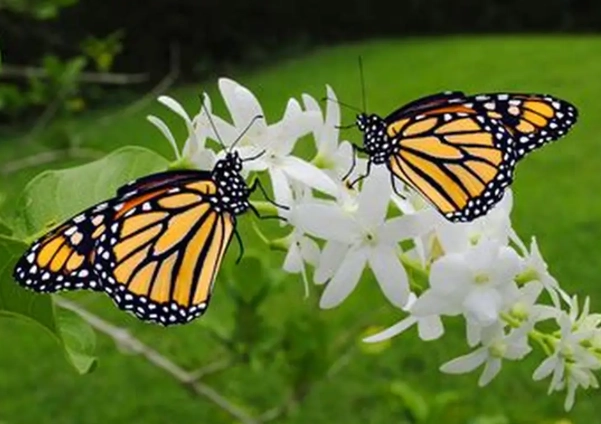
Consider participating in community science. Projects like Monarch Watch or the Bumble Bee Watch use data from people like you to track pollinator populations. Your observations become valuable science.
Talk to your neighbors. Maybe you can create a pollinator corridor down your street. Advocate for your town to reduce pesticide use in public parks or to plant native species along roadsides. The National Wildlife Federation's Certified Wildlife Habitat program is a great way to formally recognize your yard's efforts.
Helping pollinators isn't about perfection. It's about progress. It's about making more conscious choices, one plant and one square foot of habitat at a time. You'll make mistakes (I sure did). Some plants won't thrive. You might plant something that gets eaten to the stems—celebrate that! It means you're feeding someone.
The reward is a garden that feels truly alive. It hums, flutters, and buzzes with purpose. You're not just growing flowers; you're growing an ecosystem. And in a world where these crucial creatures are facing so many challenges, that's a powerful and deeply satisfying thing to do.
So, what's your first step going to be? Maybe it's researching one native plant for your area. Maybe it's deciding to leave a patch of leaves this fall. Whatever it is, start there. Your local pollinators will thank you, even if you don't hear it.