Let's be honest, most of us got our first cactus because someone told us it was impossible to kill. "Just ignore it," they said. So you did. And then, six months later, you're staring at a sad, mushy, or completely shriveled-up plant wondering what went wrong. I've been there. I've killed my fair share of cacti by following that bad advice. The truth is, while cacti are incredibly resilient and adapted to harsh conditions, they do have specific needs. Calling them "indestructible" does them a disservice and sets new plant parents up for failure.
This guide is the one I wish I had when I started. We're going to move past the myths and dive into what these fascinating plants really need. Whether you're trying to identify the spiky ball on your windowsill, save a cactus that's looking poorly, or choose the perfect new one, you'll find practical, no-nonsense advice here.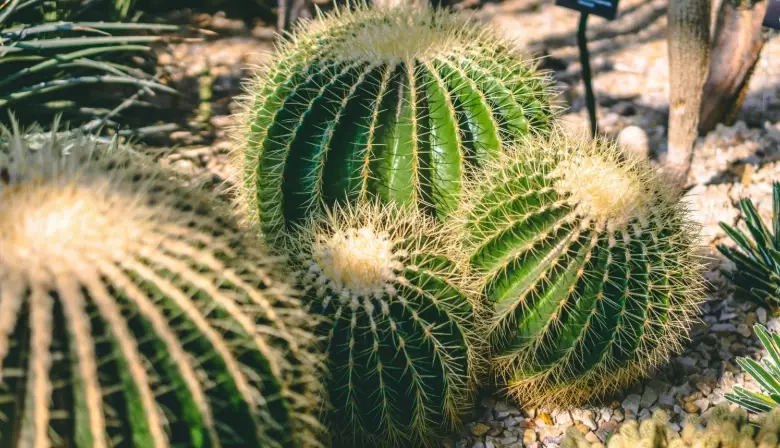
What Exactly Is a Cactus, Anyway?
It seems like a simple question, but it's the key to understanding how to care for them. All cacti are succulents, meaning they store water in their stems, leaves, or roots to survive droughts. But not all succulents are cacti. The defining feature? Areoles. These are small, cushion-like bumps from which spines, flowers, and new branches grow. If a spiky plant doesn't have these specialized structures, it's not a true cactus. Think of areoles as the plant's command centers.
Their iconic spines are modified leaves. By reducing leaves to spines, cacti minimize surface area and reduce water loss through transpiration. The green, fleshy part is the stem, which is where photosynthesis happens and where all that precious water is stored. This incredible adaptation allows them to thrive in environments where other plants would perish in days.
They're native almost exclusively to the Americas, from the deserts of the southwestern United States down through Mexico and into South America. There's one exception—Rhipsalis baccifera—which somehow made its way to Africa and Sri Lanka. Nature finds a way.
Popular Types of Cactus for Your Home
Walking into a garden center can be overwhelming. There are tall ones, round ones, fuzzy ones, and some that look like they're from another planet. Here’s a breakdown of some of the most common and beginner-friendly types you're likely to encounter. This isn't just a list; it's a cheat sheet to help you pick one that matches your style and your home's conditions.
The Classics (Great for Beginners)
- Golden Barrel Cactus (Echinocactus grusonii): The quintessential round, ribbed cactus covered in golden spines. It's slow-growing and loves bright, direct light. Just don't overwater it (trust me).
- Bunny Ears Cactus (Opuntia microdasys): Flat, pad-like stems that resemble, well, bunny ears. It has tiny glochids (hair-like spines) that detach easily and are painfully irritating. Handle with care—or better yet, with tongs!
- Old Lady Cactus (Mammillaria hahniana): A cylindrical cactus covered in white, hair-like spines, giving it a "fuzzy" appearance. It produces a stunning crown of pink flowers. It's forgiving and doesn't demand constant attention.
The Statement Makers
- Saguaro (Carnegiea gigantea): The king of the desert. While the massive, arms-up giants are centuries old, you can buy small ones. They need intense light and immense patience, as they grow painfully slow indoors. Probably not the best first cactus.
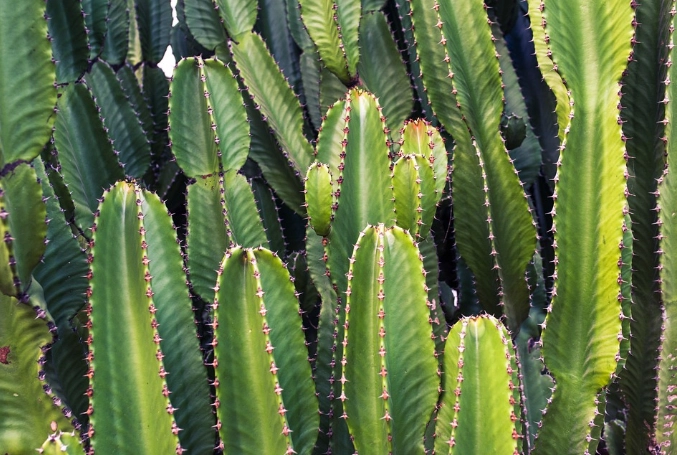
- Blue Columnar Cactus (Pilosocereus pachycladus): A stunning tall, blue-tinged cactus with golden spines. It grows relatively fast (for a cactus) and adds a dramatic, architectural element to a bright room.
- Rat Tail Cactus (Aporocactus flagelliformis): Long, trailing, rope-like stems covered in short spines. Perfect for a hanging basket in a bright spot. It produces spectacular pink or red flowers.
To make your choice easier, here’s a comparison of some top picks based on key care factors:
| Cactus Type | Light Needs | Watering Frequency | Growth Habit | Good for Beginners? |
|---|---|---|---|---|
| Golden Barrel | Bright, direct sun | Very low (let dry completely) | Globular, slow | Yes, if given enough light |
| Bunny Ears (Opuntia) | Bright light to direct sun | Low to moderate | Upright, pad-forming | Yes, but watch the glochids |
| Christmas Cactus | Bright, indirect light | Moderate (keep slightly moist) | Trailing, segmented | Yes, very forgiving |
| San Pedro | Very bright, direct sun | Moderate (in growing season) | Tall, columnar, fast | Yes, but needs space |
| Old Lady Cactus | Bright, direct sun | Low | Globular/clustering | Yes, very easy |
The Non-Negotiables of Cactus Care
This is the core of it. Get these four things right—light, water, soil, and pot—and your cactus will not just survive, it will thrive. It's a simple formula, but each part is critical.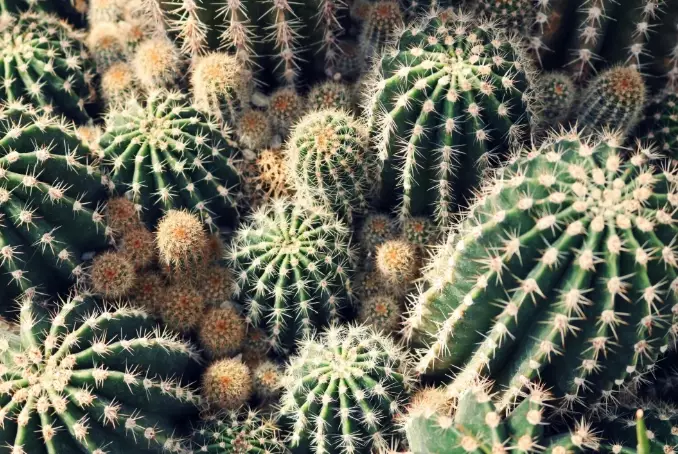
Light: The Number One Make-or-Break Factor
More cacti die from insufficient light than from anything else. In their natural habitat, they bask in relentless sun. Your living room is not the Sonoran Desert. A common sign of not enough light is etiolation—where the plant stretches out, becoming thin, pale, and reaching desperately for any light source. It's weak and unattractive.
What about grow lights? They're a fantastic solution, especially in winter or in dim apartments. You don't need a fancy setup. A simple LED full-spectrum panel or bulb placed a few inches above the plant for 12-14 hours a day can work wonders. I use them on a timer for my collection during our gloomy winters, and it stops the etiolation in its tracks.
Watering: The Art of Neglect (With Purpose)
This is where everyone panics. The rule is simple, but hard to execute: Soak it thoroughly, then let it dry out completely. I mean completely. Stick your finger deep into the soil. If it feels even slightly cool or damp, wait.
Here’s the seasonal breakdown that changed my cactus game:
- Spring & Summer (Growing Season): Water when the soil is fully dry. This might be every 10-14 days, depending on heat and light. Water deeply until it runs out the drainage hole.
- Fall: Start stretching the time between waterings. Let the soil stay dry for longer periods.
- Winter (Dormant Season): For most desert cacti, this is a rest period. Water very sparingly, maybe once a month or even less. The goal is to prevent the roots from drying out completely, not to promote growth.
Soil and Pot: Building the Right Foundation
Regular potting soil holds too much moisture and will suffocate and rot cactus roots. You need a fast-draining mix. You can buy a pre-made cactus/succulent mix, but I often find they still retain too much water. I do a 50/50 mix of a commercial cactus soil and something inorganic like perlite, pumice, or coarse sand. This creates air pockets and ensures water flashes through quickly.
The pot is just as important. Drainage holes are non-negotiable. No holes, no cactus. Terracotta pots are excellent for beginners because they are porous, allowing the soil to dry from the sides as well as the top. Plastic pots retain moisture longer, so you'd water less frequently. Size matters, too. A pot only slightly larger than the root ball is ideal. A huge pot holds a large volume of wet soil that the small roots can't absorb, leading to rot.
Common Cactus Problems and How to Fix Them
Even with perfect care, things can go wrong. Here’s how to diagnose and treat the most common issues.
Soft, Mushy, or Discolored (Yellow/Brown) Stem: This is almost always root rot from overwatering. It's a serious issue. You need to act fast. Unpot the plant, remove all the wet soil, and cut away any soft, mushy, or black roots and stem tissue with a sterile knife. Let the plant callus over in a dry, shady spot for several days to a week. Then, repot in fresh, dry cactus mix. Don't water for at least another week to allow roots to heal.
Shriveling, Wrinkling, or Puckering: This is usually underwatering… but not always. A shriveled cactus can also be a sign of root rot, where the roots are dead and can't take up water. Check the roots. If they're white and firm, give the plant a good soak. If they're rotten, follow the steps above.
Not Flowering: Most cacti need very specific conditions to bloom: maturity, enough bright light, and a proper cool/dry dormancy period in winter. If you keep your cactus warm and watered all winter, it may never get the signal to produce flowers. Also, some species just take decades to mature enough to bloom (looking at you, Saguaro).
Pests: Mealybugs look like tiny bits of white cotton, often in the crevices between ribs or under spines. Scale insects appear as small, brown, bumpy scales stuck to the stem. Treat both by dabbing the pests with a cotton swab dipped in rubbing alcohol (isopropyl alcohol). For larger infestations, you may need an insecticidal soap. Good air circulation helps prevent them.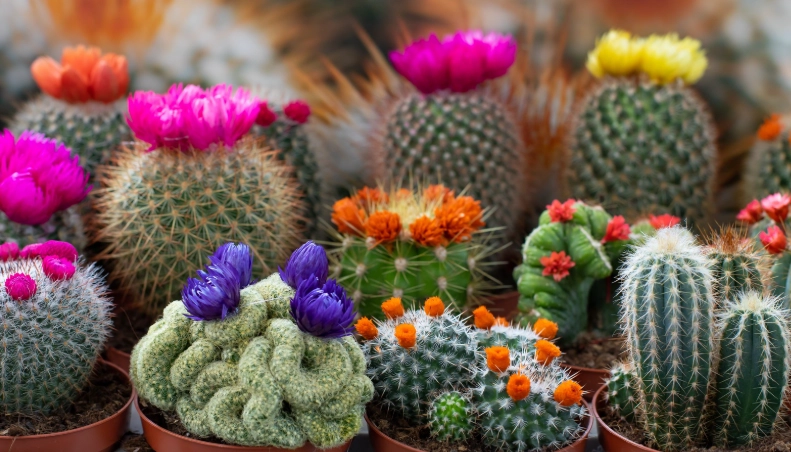
Propagating Your Cactus: Making More Plants
One of the joys of cactus care is creating new plants for free. There are two main ways:
From Offsets/Pups: Many cacti, like Mammillaria or some Echinopsis, produce small clones around their base. Once these pups are about one-third the size of the mother plant, you can carefully twist or cut them off. Let the cut end dry and callus for several days, then plant it in a small pot with cactus mix. Water lightly after a week.
From Cuttings: This works for columnar cacti (like San Pedro) or segmented ones (like Opuntia). Cut a healthy segment with a clean, sharp knife. Let the cut end dry and form a hard callus—this can take from a few days to a few weeks. Once callused, place the cutting on top of dry cactus mix. Don't bury it. Roots will eventually seek out the soil. Only water lightly once roots have formed.
Cactus FAQs: Answering Your Real Questions
How often should I really water my cactus?
Throw away the calendar. The frequency depends entirely on the season, the size of the pot, the type of soil, the amount of light, and the humidity in your home. In the height of summer, with the plant in a terracotta pot in full sun, it might need water every 7-10 days. In the middle of winter, in a cool room, it might not need water for 6 weeks. Always check the soil first.
Can a cactus get too much sun?
Yes, especially if it's not acclimated. If you take a cactus that's been living in a shady nursery and immediately put it in blazing afternoon sun, it can get sunburned. Sunburn shows as pale, white, or yellowish scorched marks that are permanent (though the plant can outgrow them). Introduce more light gradually over a couple of weeks.
What's the difference between a cactus and a succulent?
All cacti are succulents, but not all succulents are cacti. The key difference is the presence of areoles on cacti. Also, most cacti are native to the Americas, while succulents come from all over the world. Care can be similar, but it's best to identify your plant specifically for the best advice.
Why is my cactus leaning over?
It's usually reaching for light (etiolation), causing it to grow weak and lean. Give it more light. It could also be a sign of root rot, where the base becomes weak. Check the firmness of the stem at the soil line.
Are cacti safe for pets?
Most cacti are non-toxic, but the physical danger of the spines is the real concern. Spines can cause injury to the mouth, paws, or digestive tract if ingested. It's best to keep all spiny plants out of reach of curious pets. For a definitive resource on plant toxicity, always check with a reliable source like the ASPCA's Animal Poison Control Center.
Taking It Further: Resources and Next Steps
If you've caught the cactus bug, there's a whole world to explore. Local botanical gardens often have excellent desert or succulent houses. The Arizona-Sonora Desert Museum website is a fantastic virtual resource for learning about these plants in their native habitat. For serious taxonomy and identification, the LLIFLE Encyclopedia of Living Forms is an incredibly detailed, though technical, database.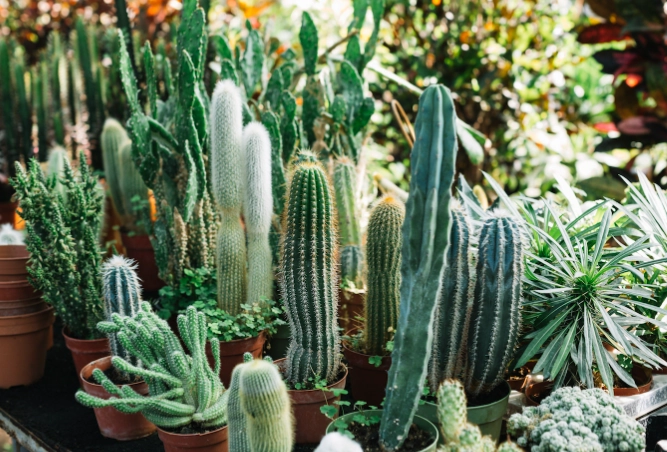
Remember, the best teacher is observation. Pay attention to your plant. A plump, firm cactus is a happy cactus. A little wrinkling before watering is normal. Slow growth is normal. These are plants that operate on a timescale far slower than our own.
The goal isn't to create a perfect, Instagram-ready plant instantly. It's to build a routine that respects the cactus's natural rhythm. Start with one easy type, master the soak-and-dry method, and give it the sunniest spot you have. From there, the possibilities are endless. You might just find that your low-maintenance cactus becomes a deeply rewarding, lifelong hobby.
And if you kill one? Don't beat yourself up. We've all been there. Learn from it, try to figure out what went wrong, and get another one. Every brown thumb can turn green with a little patience and the right information.