- The Biggest Lie: How to Water Your Succulents Correctly
- Sunlight: The Goldilocks Zone for Succulent Growth
- Soil and Potting: The Foundation You Can't Ignore
- Common Problems & Their Real Solutions
- Propagation: Making Free Plants (It's Easier Than You Think)
- Top 5 Succulents for Absolute Beginners
- Answering Your Burning Questions
Let's be honest. You probably bought a cute little succulent because someone told you they're impossible to kill. "Just ignore it," they said. So you did. And now it's either a mushy, brown mess or a stretched-out, pale ghost of its former self. Sound familiar? Yeah, I've been there too. My first succulent was a beautiful Echeveria that I lovingly drowned with weekly waterings. It did not thrive.
The thing is, "low maintenance" doesn't mean "no maintenance." It means understanding what the plant actually needs, which is surprisingly specific. The internet is full of conflicting advice, and it's easy to get overwhelmed. This guide isn't about rigid rules. It's about understanding the why behind succulent care, so you can finally stop guessing and start growing plants that actually look good.
The Biggest Lie: How to Water Your Succulents Correctly
This is the number one reason succulent plants die. Not underwatering, but overwatering. The "soak and dry" method gets thrown around a lot, but what does that actually mean in your home?
Forget the calendar. Don't water every Tuesday. Your plant doesn't know what day it is. Instead, you need to check the soil. Stick your finger in the drainage hole at the bottom of the pot. Is it completely, totally dry? Not just dry on the surface, but dry all the way through? Good. Now wait another 3-5 days. Seriously. Succulents store water in their leaves and stems; they're built for drought. Underwatering might make them look wrinkled and thirsty, but it's usually fixable. Overwatering rots the roots from the inside out, and that's often a death sentence.
When you do water, go all in. Take the pot to the sink and drench it. Let water flow freely out of the drainage hole for a good 30 seconds. This ensures the entire root ball gets moisture and helps flush out salts and minerals. Then, let it drain completely before putting it back in its decorative cover or saucer. Never let your succulent sit in a puddle of water.
Seasonal Watering Adjustments: They Hibernate Too
Most common succulents have a growing season (spring and summer) and a dormant season (fall and winter). During dormancy, their growth slows or stops, so they need far less water. In winter, you might only need to water once a month, or even less if your home is cool. In the hot, bright summer, they might be thirsty every 7-10 days. Pay attention to the plant, not the season on the calendar. A succulent under a strong grow light in your basement in December might still be actively growing.
Sunlight: The Goldilocks Zone for Succulent Growth
Light is food for plants. But with succulents, it's a delicate balance. Too little, and they start to "etiolate"—a fancy word for stretching out desperately towards the light. The stems get long and weak, and the leaves spread out, losing their compact, rosette shape. It's not healthy growth; it's a stress response.
Too much, too fast, and you get sunburn. Crispy brown or white patches on the leaves that are permanent scars. I learned this the hard way after moving a Haworthia from a shady shelf to a south-facing windowsill in July. It was not a happy plant.
Most flowering succulents need bright, indirect light for at least 6 hours a day. A south or east-facing window is often ideal. But "bright" can be subjective. A good test: does the plant cast a distinct, sharp shadow at midday? If the shadow is fuzzy and faint, the light is probably too low.
What About Grow Lights?
If you live in a dungeon (or just have poor natural light), grow lights are a game-changer. You don't need a fancy, expensive setup. A simple, white full-spectrum LED bulb in a desk lamp can work wonders for a small collection. The key is duration and distance. Aim for 12-14 hours of light per day, and keep the light 6-12 inches above the plants to prevent burning or stretching. The University of Florida's IFAS Extension has a great, science-based publication on indoor plant lighting that explains the concepts clearly.
Here's a quick guide to light needs for some popular types:
| Succulent Type | Light Needs (Ideal) | Signs of Too Little Light | Signs of Too Much Light |
|---|---|---|---|
| Echeveria, Graptopetalum | Bright, direct sun (4-6+ hrs) | Stretching, pale color, leaves pointing down | Red/brown crispy patches, leaves curling inward |
| Haworthia, Gasteria | Bright, indirect light | Slow growth, dark green color | Bleached, reddish, or brown leaves |
| Sansevieria (Snake Plant) | Low to bright indirect | Very slow growth | Leaf scorch on edges |
| Sedum (Stonecrop) | Full sun to partial sun | Leggy growth, poor coloration | Wilting in extreme afternoon heat |
Soil and Potting: The Foundation You Can't Ignore
That dense, peaty soil your succulent came in from the big-box store? It's basically a death trap. It holds moisture for way too long around the roots. Succulents need a gritty, airy, fast-draining mix. The goal is for water to wet the roots and then drain away quickly, leaving pockets of air.
You can buy a pre-made cactus & succulent mix, but honestly, most of them still hold too much water for my liking. I always amend them. My go-to recipe is: 50% bagged succulent/cactus soil, 25% perlite, and 25% coarse sand or poultry grit (like the kind used for chicken coops, just make sure it's washed). This creates the perfect chunky, well-aerated environment.
The pot matters just as much. Drainage holes are non-negotiable. No ifs, ands, or buts. Ceramic or terracotta pots are excellent because they are porous and allow the soil to dry from the sides as well as the top. Terracotta, in particular, wicks moisture away. Plastic pots retain moisture longer, so you'll need to water less frequently and be extra sure your soil mix is gritty.
When and How to Repot
Don't repot a new succulent immediately. Let it acclimate to your home for a few weeks. Repot when: 1) The roots are visibly growing out of the drainage holes, 2) The plant is top-heavy and tips over easily, or 3) The soil has become old and compacted (usually every 2-3 years).
Choose a pot only 1-2 inches larger in diameter than the root ball. A pot that's too big holds excess soil, which stays wet longer and can lead to root rot. When repotting, gently remove old soil from the roots, trim any dead or mushy roots, and let the plant sit out bare-root for a day or two to callus over any broken roots before planting in fresh, dry mix. Wait a week before watering to allow roots to settle and heal.
Common Problems & Their Real Solutions
You can do everything "right" and still run into issues. Here's how to diagnose the common ones.
Why Are the Bottom Leaves Drying Up?
This is usually normal! As a succulent grows, it absorbs nutrients from its older, lower leaves to fuel new growth at the top. Those leaves will dry up, become papery, and fall off. Just gently pluck them off to keep the plant looking tidy and prevent pests from hiding there. Panic only if it's the upper, newer leaves or if it's happening rapidly all over.
Pests: Mealybugs and Fungus Gnats
Mealybugs look like tiny bits of white cotton fluff in the leaf joints or undersides. They suck sap and weaken the plant. Isolate the infected plant immediately. Dab the bugs with a cotton swab soaked in rubbing alcohol (isopropyl alcohol). It kills them on contact. You may need to repeat this every few days for a couple of weeks. For a bad infestation, you might need a systemic insecticide.
Fungus gnats are those tiny black flies that hover around the soil. They're annoying but mostly harmless to healthy plants. Their larvae, however, eat organic matter and can damage young roots. They thrive in consistently moist soil. The best cure is to let your soil dry out more between waterings. Sticky yellow traps catch the adults. The Royal Horticultural Society (RHS) has detailed, reliable advice on managing these pests organically.
My Succulent is Flowering! What Do I Do?
Congratulations! Enjoy it. A flowering succulent is generally a sign of a happy, healthy plant. The flower stalk will often grow from the center of a rosette (like in Echeveria) or from the side. Some succulents, like many Sempervivum (Hens and Chicks), are "monocarpic," meaning the main rosette dies after flowering, but it produces many offsets (babies) before it goes. Don't be sad—it's the circle of life! You can leave the flower stalk until it dries up, then snip it off at the base.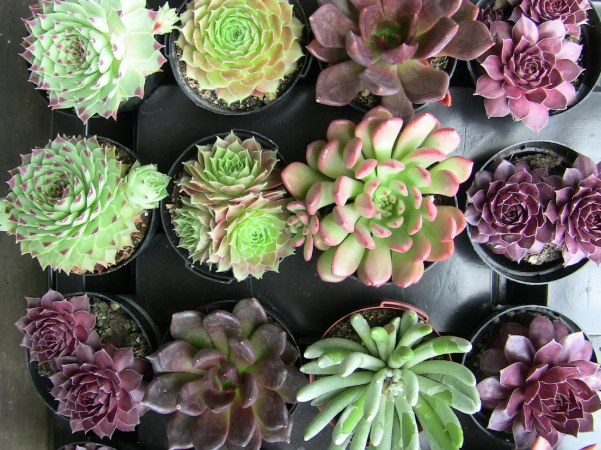
Propagation: Making Free Plants (It's Easier Than You Think)
This is the magic part. You can create new succulent plants from just a leaf or a stem cutting. It feels like a superpower.
Leaf Propagation: Gently twist a healthy, plump leaf from the stem. Get a clean break. Let the broken end callus over for 2-3 days. Then, just lay it on top of dry succulent soil. Do not bury it. Mist the soil lightly every few days, or just wait. In a few weeks, you should see tiny pink roots and then a miniature rosette. Don't remove the mother leaf until it's completely shriveled—it's providing nutrients.
Stem Cutting Propagation: If you have a leggy succulent, chop the top off (leave about an inch of stem on the base plant—it will often grow new heads!). Let the cutting callus for a few days, then stick the stem into dry soil. Wait a week, then water lightly. The cutting will grow roots.
Top 5 Succulents for Absolute Beginners
If you've killed plants before, start with these forgiving champions. They're widely available and can tolerate a bit of beginner neglect (though you should try not to neglect them!).
- Jade Plant (Crassula ovata): The classic. It's practically a tree. Tolerates lower light and irregular watering better than most. If the leaves get slightly soft and wrinkly, it's time for a drink.
- Snake Plant (Sansevieria): The indestructible legend. It thrives on neglect, tolerates very low light, and only needs water every few weeks. Overwatering is its only real enemy.
- Zebra Haworthia (Haworthiopsis attenuata): Loves bright, indirect light. Its striped leaves are striking. It's small, slow-growing, and perfect for a desk. It's also less prone to etiolation than some others.
- Burro's Tail (Sedum morganianum): A beautiful trailing succulent with plump, blue-green leaves. Loves bright light. Be careful—the leaves fall off easily (but you can propagate every single one!).
- Echeveria 'Lola' or 'Perle von Nurnberg': I'm including a classic rosette type because they're so popular. They need more light (a south window) but are relatively forgiving as far as Echeverias go. Their beautiful colors are worth the extra attention.
Answering Your Burning Questions
So, put down the watering can for a second. Take a good look at your plant. What's it trying to tell you? Chances are, the answer is simpler than you think.