Quick Guide to This Article
- What Is This Plant, Really? Breaking Down the Basics
- The No-Nonsense Guide to Planting and Growing Vaccinium Ovatum
- From Flower to Feast: Harvesting and Using the Berries
- Designing With Vaccinium Ovatum: It's Not Just a Berry Bush
- Answering Your Burning Questions About Evergreen Huckleberry
- The Final Word: Why This Plant Deserves a Spot in Your Garden
Let's talk about a plant that doesn't get nearly enough credit. You might have walked past it a hundred times on a hike in the Pacific Northwest and not given it a second glance. A dense, glossy-green shrub tucked under the towering Douglas firs. But if you knew what it was, you'd probably stop. This is Vaccinium ovatum, the evergreen huckleberry. And honestly? It's one of the most versatile, tough, and downright useful native plants you can bring into your garden. It's not some high-maintenance diva. It's the quiet, productive neighbor that just gets on with things, season after season.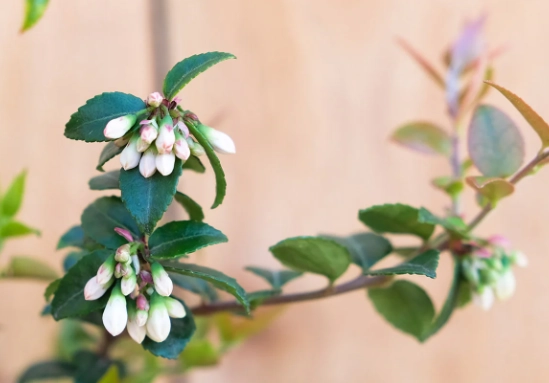
I remember the first time I positively identified one. I was on a soggy trail near the Oregon coast, more focused on not slipping in the mud. Then I saw these dark, dusky blue berries nestled among the waxy leaves. I knew enough not to eat random berries, but the shape was unmistakable—like a tiny, perfect apple. A quick check with a guide (and later, a confirmed expert) confirmed it: I'd found my first wild Vaccinium ovatum patch. That moment of connection, of recognizing a plant that feeds birds, bears, and humans alike, is what native gardening is all about. It's not just landscaping; it's rebuilding a tiny piece of the ecosystem right outside your door.
What Is This Plant, Really? Breaking Down the Basics
So, Vaccinium ovatum. The name sounds a bit scientific and intimidating, doesn't it? Let's demystify it. Vaccinium is the genus that includes all your favorites: blueberries, cranberries, and bilberries. Ovatum refers to the oval shape of its leaves. Put it together, and you've got the oval-leaved blueberry cousin. Most folks just call it evergreen huckleberry, or sometimes California huckleberry (though its range goes way north of California).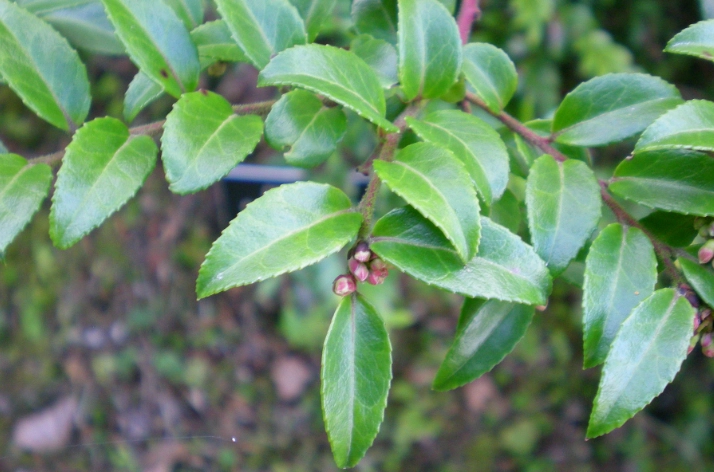
What does it look like? Imagine a shrub that can grow anywhere from a tidy 3 feet to a sprawling 12 feet tall if left completely alone (though 4-6 feet is garden-typical). The leaves are what grab you first—a rich, leathery green on top with a paler underside, staying on the plant all year round. In spring, it puts out these delicate, urn-shaped pinkish-white flowers. They're subtle. You have to look for them. But to bees and hummingbirds, they're a neon sign for an all-you-can-eat nectar buffet.
Then comes the main event: the berries. Starting out a reddish color, they mature to a deep, almost blackish-purple with a dusty bloom (that's the natural yeast, by the way). They're smaller than a commercial blueberry, often with a more complex, tangy-sweet flavor that some people find superior. The texture can be a bit crunchier, thanks to the small seeds.
Its natural home is the coastal coniferous forest understory. That's a fancy way of saying it loves to live in the dappled shade of big trees, from central California all the way up to British Columbia. This native range is a huge clue for how to care for it, which we'll get into. The USDA Plants Database, a fantastic free resource, has a detailed map of its distribution if you're curious about how close it is to your area.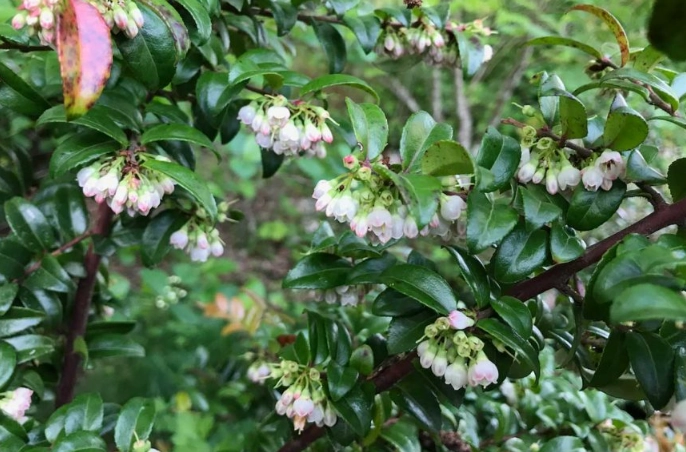
Why It's a Star Player in Native Gardens
Look, I love a showy hydrangea as much as the next person. But there's something profoundly satisfying about planting something that belongs. Vaccinium ovatum isn't just surviving in your garden; it's connecting to an ancient ecological web. Birds like band-tailed pigeons and thrushes rely on the berries. Pollinators are adapted to its flowers. It hosts specific caterpillars. When you plant it, you're not just getting a shrub; you're hiring a whole support staff for your local wildlife.
It's also ridiculously well-adapted to its climate zone. Once established, it's drought-tolerant. It scoffs at mild winters. It doesn't need coddling with fertilizers and constant watering. In an era of trying to garden more sustainably, that's a massive win. You're saving water, reducing chemical inputs, and providing habitat. That's a triple win that most introduced ornamentals can't touch.
The No-Nonsense Guide to Planting and Growing Vaccinium Ovatum
Okay, you're sold on the idea. How do you actually make this plant happy? The good news is, it's not complicated. The key is mimicking its favorite place: the forest floor.
Finding the Perfect Spot
Sunlight is the first big decision. Full, blasting afternoon sun in a hot, dry interior valley? That's asking for trouble—scorched leaves, stressed plant, constant watering. Vaccinium ovatum thrives in partial to full shade. The ideal is what's called "high canopy" shade—bright, filtered light under deciduous trees or at the edge of a woodland. It can handle morning sun with afternoon shade beautifully. In cooler, foggier coastal areas, it can tolerate more sun. My rule of thumb? If you're in a hot area, err on the shadier side. If you're right on the coast with cool summers, you can be more generous with sun.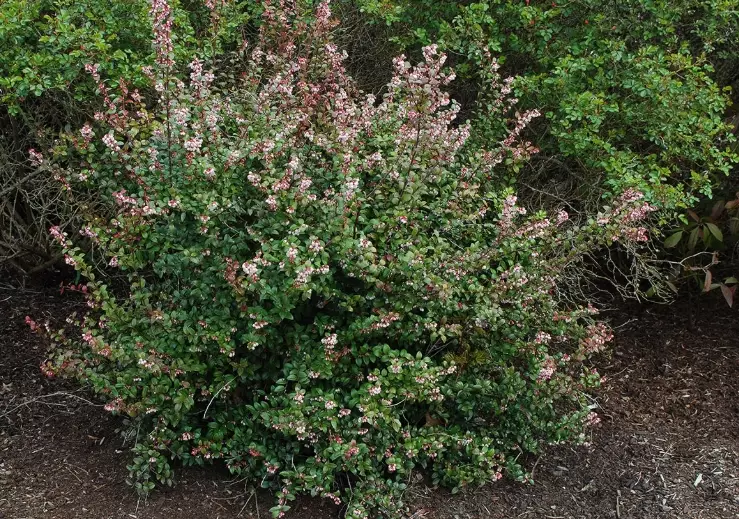
Soil is the second critical piece. This is where most people go wrong. Vaccinium ovatum, like all its Vaccinium cousins, has a real thing about soil chemistry. It must have acidic soil. We're talking a pH between 4.5 and 6.0. If you have neutral or, heaven forbid, alkaline soil, the plant can't access iron and other nutrients. It gets yellow leaves (chlorosis) and just sits there, miserable. How do you know your soil pH? Get a test kit from a garden center. It's the best ten bucks you'll spend.
Beyond pH, the soil should be well-draining but moisture-retentive. Sounds contradictory, right? It means soil rich in organic matter—think the decomposing leaf litter of a forest. If you have heavy clay, you must amend it. Raised beds are a fantastic option for complete control.
The Planting Process, Step-by-Step
- Dig a Wide, Shallow Hole: Make it two to three times as wide as the root ball, but only as deep. You don't want to plant it too deep; keep the crown level with the soil surface.
- Amend the Soil: Mix the native soil you removed with a generous amount of acidifying organic matter. Peat moss is the classic choice (though there are sustainability concerns). A better alternative is composted pine bark, aged sawdust, or a bagged "acidic planting mix" from a nursery. I also always mix in a handful of elemental sulfur, which slowly acidifies the soil over time.
- Water It In: Set the plant in, backfill with your amended mix, and water thoroughly to settle the soil and eliminate air pockets.
- Mulch Heavily: This is non-negotiable. Apply 3-4 inches of an acidic mulch like pine needles, shredded oak leaves, or bark chips. This keeps the roots cool, conserves moisture, suppresses weeds, and as it breaks down, it continues to feed the soil and maintain acidity.
Here’s a quick-reference table for the ideal growing conditions:
| Factor | Ideal Condition | Why It Matters |
|---|---|---|
| Light | Partial to Full Shade (Dappled Sunlight) | Mimics its native understory habitat; prevents leaf scorch. |
| Soil pH | Strongly Acidic (4.5 - 6.0) | Essential for nutrient uptake; prevents chlorosis (yellowing leaves). |
| Soil Type | Well-draining, Rich in Organic Matter | Prevents root rot while holding necessary moisture. |
| Water | Consistently Moist (Not Soggy), Drought-Tolerant Once Established | Needs regular water for the first 2-3 years, then is remarkably resilient. |
| Climate | USDA Zones 7-9 (Pacific Northwest Coast is Prime) | Tolerates mild winters and cool, moist summers best. |
Ongoing Care: Less is More
Watering is crucial in the first two years. Keep the soil consistently moist, like a wrung-out sponge. Deep, infrequent watering is better than daily sprinkles. After it's settled in, its roots will have dug deep, and it will need far less supplemental water, surviving on rainfall in many coastal areas. This is its superpower.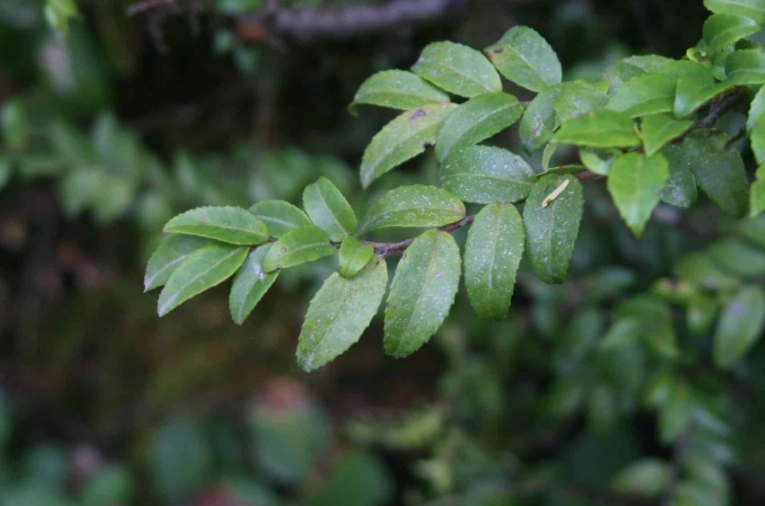
Fertilizer? Go easy. If you used good compost at planting and maintain that mulch layer, it might not need much. If you do feed it, use an organic, acid-forming fertilizer like cottonseed meal, a special "azalea/camellia/rhododendron" food, or a light sprinkle of blood meal in spring. More is not better. You're not trying to force explosive growth; you're supporting steady, healthy growth.
Pruning is simple. You can pretty much leave it alone for a natural shape. If you want a denser hedge or to control size, prune lightly in late winter or right after flowering. Just don't go hacking it back to the ground—it flowers and fruits on old wood. I like to just remove any dead or spindly branches each year to keep air circulating in the center.
From Flower to Feast: Harvesting and Using the Berries
This is the fun part. If you provide a happy home, your Vaccinium ovatum will reward you. Berries typically ripen from late summer into fall, depending on your location. They don't all ripen at once, so you'll be making little visits over several weeks.
How do you know they're ripe? Color is the first clue—that deep, uniform purple-black. But the best test is taste. A ripe berry will come off the stem with just a gentle tug. If you have to pull hard, it's not ready. The flavor should be sweet with a balancing tartness. Unripe berries are frankly pretty awful—astringent and sour.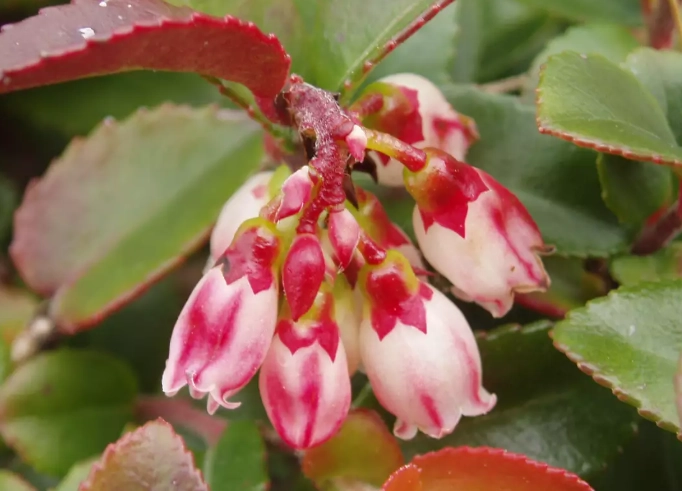
You'll be competing with the birds. It's a fair competition; you planted a bird buffet, after all. I use lightweight bird netting draped over a simple frame if I really want a harvest for the kitchen. Otherwise, I practice sharing. There's usually enough to go around.
What Can You Actually Do With Them?
Everything you'd do with a blueberry, but with a more intense flavor profile. They make incredible jam and jelly—the natural pectin content is high, so it sets beautifully. I think their complex flavor shines brightest in simple preparations: sprinkled on morning yogurt, baked into muffins or scones (they hold their shape well), or just eaten fresh by the handful while you're gardening.
They also freeze perfectly. Spread them in a single layer on a baking sheet, freeze until solid, then dump them into a bag. You'll have a taste of summer in the middle of winter for pancakes or a quick sauce. I've also had success dehydrating them into chewy, tart-sweet little snacks.
Designing With Vaccinium Ovatum: It's Not Just a Berry Bush
This is where Vaccinium ovatum truly flexes its muscles. Its neat, evergreen habit and tolerance for shearing make it a fantastic, multi-purpose landscape plant.
- The Perfect Native Hedge or Screen: Plant them 3-4 feet apart, give them a light shear once or twice a year, and you have a dense, beautiful, living fence that feeds you and the wildlife. It's far more interesting than privet or photinia.
- Understory Planting & Woodland Gardens: This is its native role. Pair it with other shade-loving natives like ferns (especially sword fern), salal, inside-out flower, and redwood sorrel. You create a low-maintenance, layered, ecological tapestry.
- Foundation Planting: Its year-round structure and neat growth make it excellent for anchoring the corners of a house, especially on the north or east side where sun is limited.
- Container Growing: Yes, you can! Use a large pot with an acidic potting mix. It's a great way to control soil conditions if your native soil is alkaline. Just be vigilant about watering, as pots dry out faster.
I think its biggest design value is texture. Those glossy, oval leaves provide a wonderful contrast to plants with finer foliage, like grasses, or larger leaves, like hostas (though stick to natives if you can!).
Answering Your Burning Questions About Evergreen Huckleberry
The Final Word: Why This Plant Deserves a Spot in Your Garden
Gardening trends come and go. But gardening with purpose, with plants that belong, is timeless. Vaccinium ovatum isn't a flashy trend. It's a foundational plant. It gives you four-season structure, ecological benefits, and a delicious harvest, all while asking for very little in return once it's settled.
It teaches you to pay attention to your site's conditions—the light, the soil, the natural water. It connects your garden to the broader landscape. And there's a deep satisfaction in nurturing a plant that would be growing wild just a few miles away. You're not forcing something to grow where it doesn't want to; you're providing a home for a local resident.
My advice? If you're in the Pacific Northwest or a similar climate, find a native plant nursery, pick up a Vaccinium ovatum, and give it a try. Plant it in a spot with morning sun or dappled shade, fix up the soil with some acid compost, mulch it well, and be patient. In a few years, you'll have a beautiful, resilient shrub that feeds you, shelters birds, and reminds you of the quiet, productive beauty of the natural woods right outside your window.
It's more than just a plant. It's a piece of the forest you get to live with.