Explore This Guide
- Why Nasturtiums Shine in Hanging Baskets (And Why You Might Want to Try Them)
- Picking the Perfect Trailing Nasturtium Variety
- The Step-by-Step: Planting Your Hanging Basket for Success
- The Care Routine: Keeping Your Hanging Basket Happy
- Solving Common Nasturtium Problems in Hanging Baskets
- Harvesting and Using Your Edible Flowers
- Frequently Asked Questions (The Stuff You Actually Want to Know)
- Wrapping It Up: Your Cascade of Color Awaits
Let's talk about hanging basket nasturtiums. You've probably seen them – those cheerful, vibrant flowers spilling over the edges of containers, looking like a waterfall of orange, yellow, and red. I remember the first time I tried growing them. I figured, how hard could it be? They're supposed to be easy, right? Well, I made some classic mistakes (we'll get to those) but eventually got it right, and now they're a non-negotiable part of my summer garden.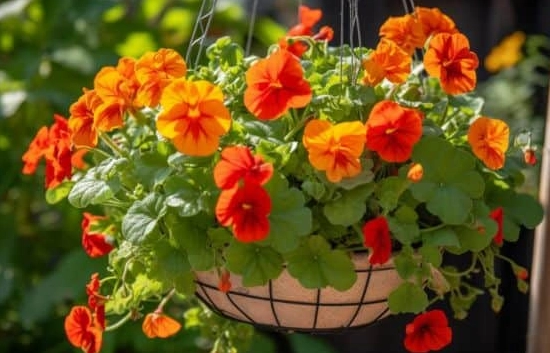
Why bother with a hanging basket nasturtium setup? For starters, they solve problems. Not enough ground space? Check. Want to add height and dimension to a patio? Check. Looking for something that's both pretty and practical (yes, you can eat them)? Double check. They have this casual, overflowing beauty that feels both planned and wonderfully wild.
This isn't just about sticking a plant in a pot and hoping for the best. There's a bit of know-how that transforms a struggling vine into a glorious cascade. We're going to cover everything – and I mean everything – from picking the right seed packet to stopping the aphids from throwing a party on your blooms. I'll share what worked for me, what totally failed, and the little tricks that make a big difference.
Why Nasturtiums Shine in Hanging Baskets (And Why You Might Want to Try Them)
Nasturtiums (Tropaeolum majus) are almost comically well-suited for hanging baskets. It's like they evolved for this purpose. Their natural growth habit is trailing or climbing. Give them an edge to spill over, and they'll happily comply, often growing 2 to 3 feet long in a single season. But the benefits go way beyond just looks.
First, they're incredibly fast. From seed to first bloom can be as little as 6-8 weeks. That's instant gratification in the gardening world. You get a quick payoff, which is great for keeping motivation high.
Then there's the dual-purpose nature. Every part is edible. The flowers have a sweet, peppery zing perfect for salads. The leaves are like a more intense arugula. Even the seeds can be pickled as "poor man's capers." So your hanging basket isn't just decor; it's a mini salad bar waiting to happen. I love snipping a few flowers right before dinner guests arrive – it instantly elevates a plate.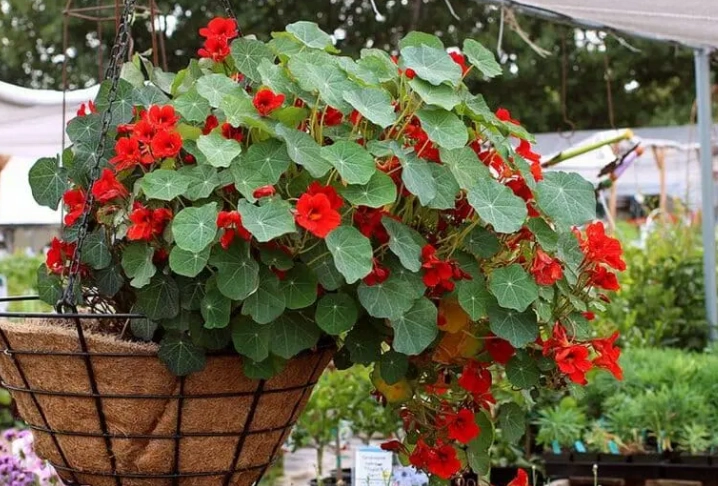
They're also phenomenal companion plants. While they're brightening up your porch, they're working as a trap crop in the air. Aphids, whiteflies, and cabbage moths seem to prefer nasturtiums over your precious vegetables. It's a sacrificial plant that lures pests away. I always hang a basket or two near my patio tomato pots for this very reason. It doesn't eliminate pests, but it sure distracts a good number of them.
And let's not forget the low-maintenance appeal. Once established, hanging basket nasturtiums are remarkably drought-tolerant. They don't need rich soil. In fact, rich soil and too much fertilizer will give you a jungle of leaves at the expense of flowers. They thrive on a bit of neglect, which is perfect for busy people or those who tend to over-love their plants to death (guilty as charged, sometimes).
Picking the Perfect Trailing Nasturtium Variety
This is where most people, including my past self, go wrong. Not all nasturtiums are created equal for hanging baskets. The common, bush-type nasturtium will just form a mound and look confused in a hanging pot. You need the vining or trailing types.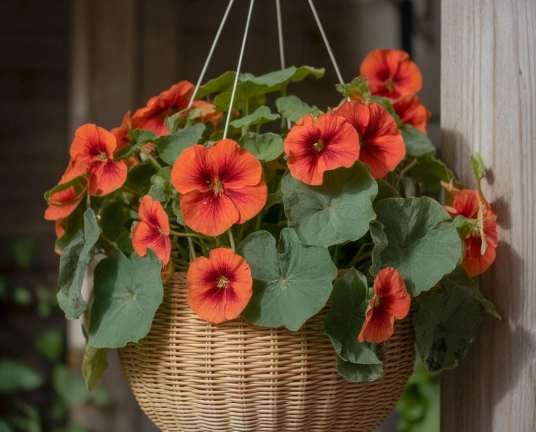
Here’s a breakdown of the champions, the ones that will give you that iconic, lush, overflowing look. I've grown most of these, and each has its own personality.
| Variety Name | Key Features | Bloom Color | Trail Length | My Personal Notes |
|---|---|---|---|---|
| Jewel of Africa | Variegated leaves (cream & green), extremely vigorous | Mix of reds, oranges, yellows | Up to 6 feet! | Stunning foliage even without flowers. Can get leggy if not in full sun. |
| Trailing Single Mixed (often just sold as "Trailing") | The classic, reliable workhorse. Easy to find. | Classic bright red, orange, gold | 3-4 feet | You can't go wrong. Consistent performer. The "default" hanging basket nasturtium. |
| Whirlybird Series | Unique upward-facing flowers (no spurs), semi-trailing | Wide range, including peach and cream | 2-3 feet | Flowers are easier to see as they face up. Less "wild" look, more tidy. |
| Alaska Series | Marbleized, variegated white-and-green leaves | Reds, oranges, yellows | 2-3 feet (more bushy than trailing) | Foliage is the star. Good for part-shade spots where blooms might be fewer. |
| Empress of India | Stunning dark blue-green leaves, deep colored flowers | Rich crimson-red | 2-3 feet | Dramatic and elegant. A slower starter but worth the wait. |
My personal favorite for a pure wow factor is the Jewel of Africa. The leaves are so pretty you almost don't need flowers. But for a beginner, you'll have the least headaches with a standard Trailing Single Mixed packet. They're forgiving and predictable.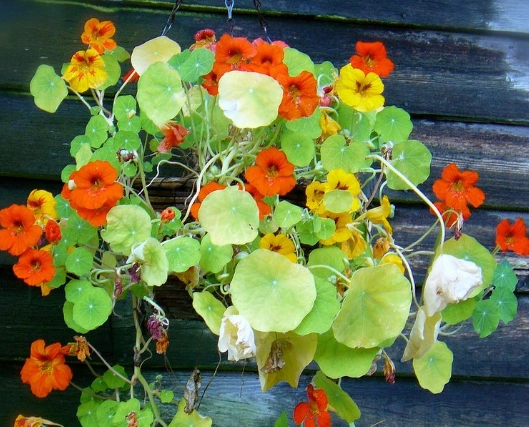
Heirloom vs. Hybrid: A Quick Thought
You'll see both. Heirloom varieties (like Empress of India) often have more intense colors and you can save their seeds reliably. Hybrids (like the Whirlybird series) are often bred for specific traits like disease resistance or unique flower forms. For a hanging basket nasturtium, it's less about which is "better" and more about the specific look and growth habit you want. I grow both and enjoy the difference.
The Step-by-Step: Planting Your Hanging Basket for Success
Okay, you've got your seeds. Now let's get them in the basket. This process is simple, but a few tweaks can mean the difference between a sad little plant and a bursting fountain of color.
Step 1: Choosing and Prepping the Basket
Size matters. A 12-inch diameter basket is the absolute minimum I'd recommend. 14-16 inches is ideal. Nasturtiums have a surprising root run for an annual. A bigger basket holds more moisture and gives roots room to grow, which translates to a healthier, longer-lasting plant.
Material? Plastic-lined wire baskets, coco liners, even solid plastic pots with good drainage holes all work. I prefer the lined wire baskets because they allow air flow to the roots. If using a coco liner, line it with a thin sheet of plastic (poke holes in it) to slow down water evaporation on hot days. Coco liners dry out incredibly fast.
Fill it with a low-fertility potting mix. This is crucial. Don't use that rich, black, moisture-control garden soil. Don't mix in compost or slow-release fertilizer. A standard, cheap, all-purpose potting mix is perfect. You want it to be well-draining. Nasturtiums hate "wet feet." If the mix feels too heavy, cut it with 20% perlite.
Step 2: To Soak or Not to Soak the Seeds?
Nasturtium seeds are big, tough, and wrinkly. You can plant them directly, and they'll eventually germinate. But soaking them in lukewarm water for 8-12 hours (or overnight) before planting makes a dramatic difference. It softens the hard seed coat and can cut germination time by several days. I always soak. It's a small step with a big payoff.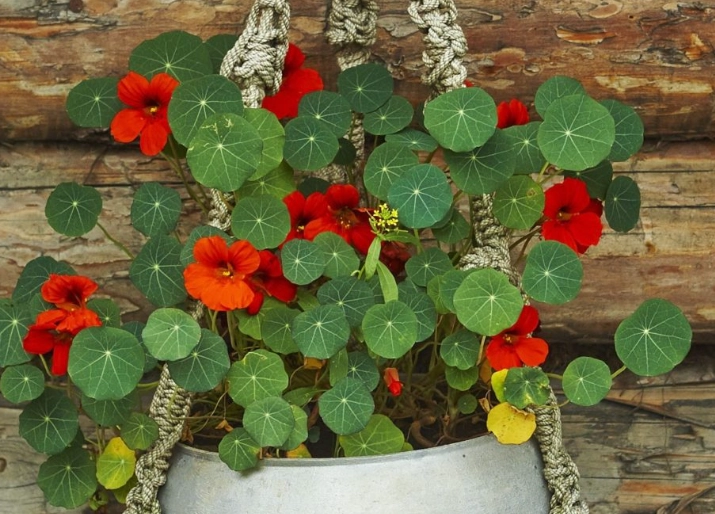
Step 3: Planting Depth and Pattern
Plant the soaked seeds about 1/2 inch deep. In a 14-inch basket, I plant 5-7 seeds. Don't just put them in the middle. Plant a few in the center, and then plant 2-3 seeds around the outer edge, about 2 inches in from the rim. This ensures the basket fills out from the center and spills over the sides from the get-go.
Water the soil thoroughly after planting until water runs out the bottom. Then, keep the soil consistently moist (not soggy) until you see sprouts, which usually takes 7-12 days.
The Care Routine: Keeping Your Hanging Basket Happy
Once they're up and growing, care is straightforward, but there are nuances.
Watering: The Biggest Trick
Hanging baskets dry out faster than anything else in the garden. In peak summer, you might need to water daily, even twice a day in a heatwave. The goal is to water deeply until it runs out the bottom, then let the top inch of soil dry out before watering again. Stick your finger in the soil. If it's dry an inch down, it's time.
Morning watering is best. It gives the foliage time to dry, reducing the risk of mildew. Avoid frequent, light sprinklings – they encourage shallow roots.
Feeding: Less is More
Repeat after me: I will not over-fertilize my nasturtiums. They are light feeders. A single, diluted dose of a balanced, water-soluble fertilizer (like a 5-5-5) once a month during peak blooming is more than enough. Or use a fertilizer higher in phosphorus (the middle number) to promote flowers. If you see lots of leaves and few flowers, stop fertilizing completely.
Sunlight: How Much is Ideal?
For the most prolific blooming, they want full sun – at least 6-8 hours of direct sunlight. They will grow in part shade (3-6 hours), but the display will be sparser, with more leaves and fewer flowers. The variegated-leaf varieties (Alaska, Jewel of Africa) can handle a bit more shade as their foliage provides the show.
Deadheading and Pruning
Deadheading (removing spent flowers) encourages more blooms. It tells the plant to keep producing instead of setting seed. Just pinch off the faded flower and the little stem behind it.
Don't be afraid to give long vines a trim if they get too leggy or if growth is only coming from one part of the basket. Cutting back a long stem often encourages branching from the base, creating a fuller basket. I give mine a light "haircut" mid-summer if they start looking stringy.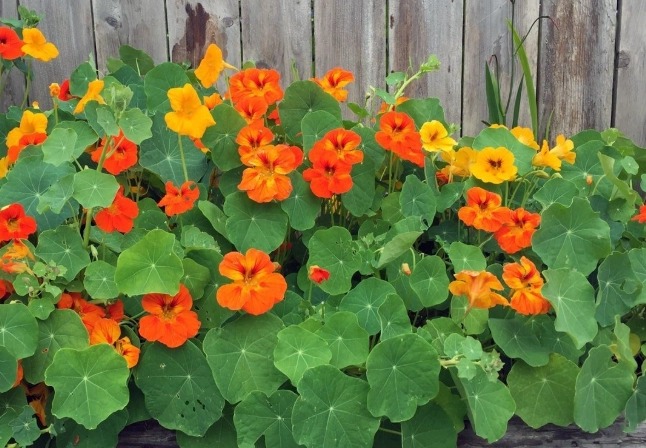
Solving Common Nasturtium Problems in Hanging Baskets
No plant is completely trouble-free. Here are the usual suspects and how to deal with them.
Aphids: The #1 Nuisance
These tiny green or black bugs love nasturtium stems and the undersides of leaves. A few aren't a problem, but they can multiply quickly.
What to do: Blast them off with a strong jet of water from your hose every few days. This is often enough. For heavier infestations, insecticidal soap or neem oil sprays work. I make a simple spray with a few drops of dish soap in a liter of water. The key is consistency – spray every 3-4 days for two weeks to break their cycle.
Cabbage White Butterflies & Caterpillars
You'll see pretty white butterflies fluttering around, then later find holes in the leaves from their green caterpillars.
What to do: Hand-pick the caterpillars if you see them. If it's a major issue, use Bacillus thuringiensis (Bt), an organic bacterial spray that specifically targets caterpillars and is safe for everything else. The Royal Horticultural Society (RHS) has a good guide on managing Cabbage White Butterflies that applies to nasturtiums as a host plant.
Powdery Mildew
This looks like white, powdery dust on the leaves, usually later in the season. It's a fungal disease favored by humid conditions with poor air circulation.
What to do: Improve air flow by not overcrowding plants. Water at the soil level, not on the leaves. Remove badly affected leaves. As a preventative or mild treatment, a spray of 1 part milk to 9 parts water can be surprisingly effective. For a science-backed overview of this common issue, the University of California's Integrated Pest Management program has a comprehensive page on Powdery Mildew.
Sometimes, the leaves turn yellow. This can be overwatering, under-watering, or a natural process as older leaves die back. Check your soil moisture first.
Harvesting and Using Your Edible Flowers
This is the fun part! Harvest flowers and leaves in the morning after the dew has dried, when they are freshest. Pick flowers that have just fully opened. Gently rinse them and pat dry.
The flavor is peppery, similar to watercress. It's milder in the flowers and stronger in the leaves.
- Salads: The classic use. They add stunning color and a peppery punch.
- Garnish: Float them in soups, cocktails, or on desserts. They make anything look fancy.
- Pesto: Substitute half the basil with nasturtium leaves for a spicy, unique pesto.
- Stuffed Flowers: Fill larger blooms with a soft cheese mixture for an impressive appetizer.
- Seed Pods: Pick the green, immature seed pods and pickle them in vinegar with herbs. They're a fantastic, tangy condiment.
Frequently Asked Questions (The Stuff You Actually Want to Know)
Wrapping It Up: Your Cascade of Color Awaits
Growing a spectacular hanging basket nasturtium isn't about having a green thumb. It's about understanding a few simple preferences: poor soil, plenty of sun, and consistent water. Avoid the temptation to pamper them, and they'll reward you with months of carefree, cascading color.
Start with a simple trailing mix in a decent-sized basket. Soak those seeds. Put it in the sunniest spot you have. Water when dry. Then, just watch it go. Before long, you'll have that vibrant, tumbling display that makes neighbors stop and ask, "What are those, and how do I get some?"
And when they do, you can tell them it's easier than it looks. You might even have a few seeds saved to share.