Fuchsias have a reputation. Ask any gardener, and they'll either gush about the mesmerizing ballet of blooms or shudder, remembering a crispy, flowerless plant they killed years ago. I've been there. My first fuchsia was a gift, a stunning 'Swingtime' in a hanging basket. I put it in full sun because, well, don't all flowers love sun? It was a crispy critter within two weeks. That failure sparked a decade-long obsession with getting these plants right. Let's cut through the myths. With the right know-how, fuchsias aren't divas; they're prolific performers that can bloom from late spring right up to the first frost.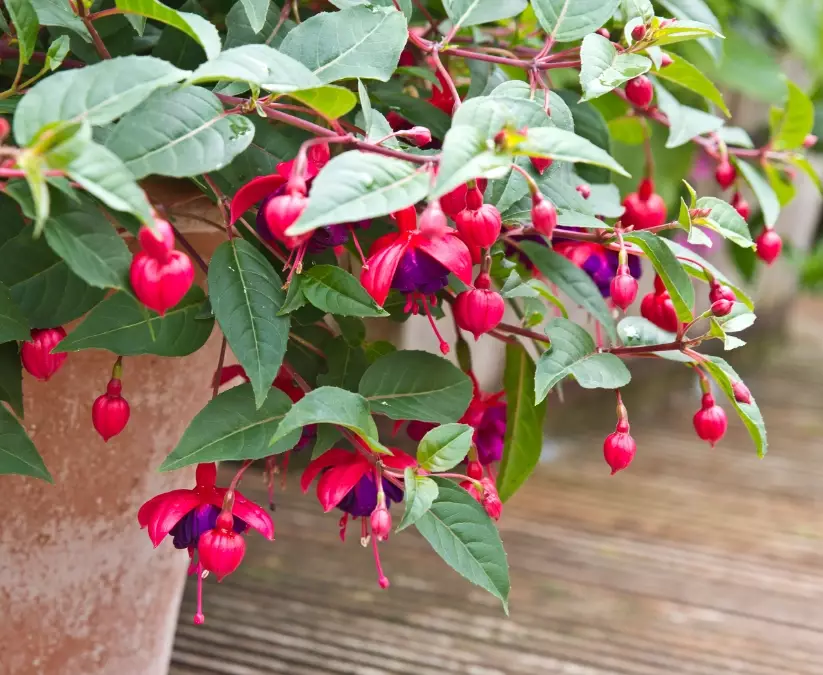
What's Inside This Guide
Why Fuchsias Are Worth the Effort
It's not just about the flowers, though the intricate, jewel-toned blossoms are the main event. A well-grown fuchsia is a living sculpture. The way the flowers dangle and dance in the breeze adds a layer of movement to the garden that few other plants offer. They're also hummingbird magnets. I've spent countless mornings with my coffee, watching these tiny birds duel over the nectar in my 'Gartenmeister Bonstedt'.
But here's the non-consensus bit everyone misses: fuchsias are fantastic foliage plants too. Many varieties, like 'Autumnale' or 'Genii', have stunning golden or variegated leaves. Even when between bloom cycles, the plant structure itself is attractive. They fill a crucial niche for reliable color in shade. While impatiens melt in the heat and begonias can get leggy, a fuchsia in dappled light just keeps pumping out flowers.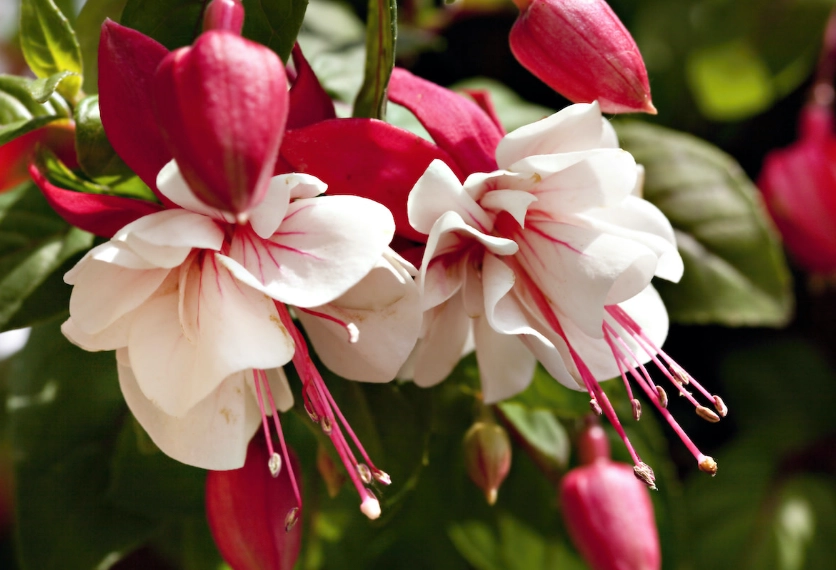
The Perfect Care Routine: Light, Water & Food
Get these three elements right, and 90% of your problems disappear.
Light: The Goldilocks Zone
Morning sun with afternoon shade is the absolute sweet spot. Think east-facing patio or under the dappled light of a tree. The old advice of "full shade" often leads to weak, sparse blooming. They need light to flower. The scorching afternoon sun, especially in hotter climates (USDA zones 7+), will fry them. If you only have a sunny spot, look for the more sun-tolerant 'triphylla' types, like the aforementioned 'Gartenmeister'.
Watering: Consistency is King
This is where most people fail. Fuchsias hate wet feet, but they also despise drying out completely. Their roots are fine and sensitive. The goal is evenly moist, never soggy. In a hanging basket on a hot day, that might mean watering once, even twice daily. Stick your finger an inch into the soil. If it's dry, water thoroughly until it runs out the bottom. A self-watering pot or a thick mulch layer can be a game-changer here.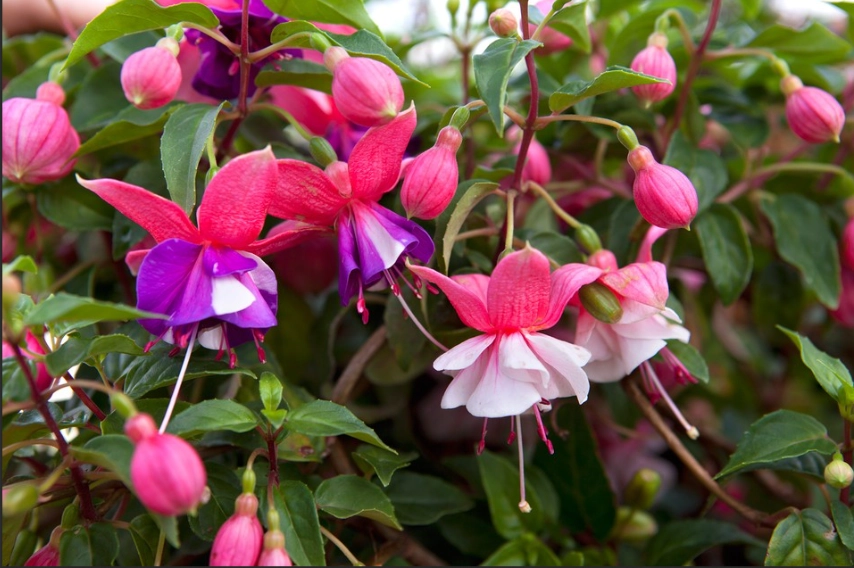
Feeding: The Bloom Booster
To flower non-stop, fuchsias are heavy feeders. A balanced, water-soluble fertilizer (like a 10-10-10) every two weeks works. But I've had better results with a bloom-boosting formula higher in potassium (the third number, e.g., 15-30-15) starting once flower buds appear. For container plants, consider a slow-release fertilizer mixed into the potting soil at planting time as a baseline.
Diagnosing Common Problems (And How to Fix Them)
Let's play plant doctor. Here’s a quick-reference table for the issues you’re most likely to face.
Bud blast (buds forming then falling off)Sudden change in environment (temp, light, water), or underfeeding.Ensure consistent care. Start a regular feeding schedule with high-potassium fertilizer.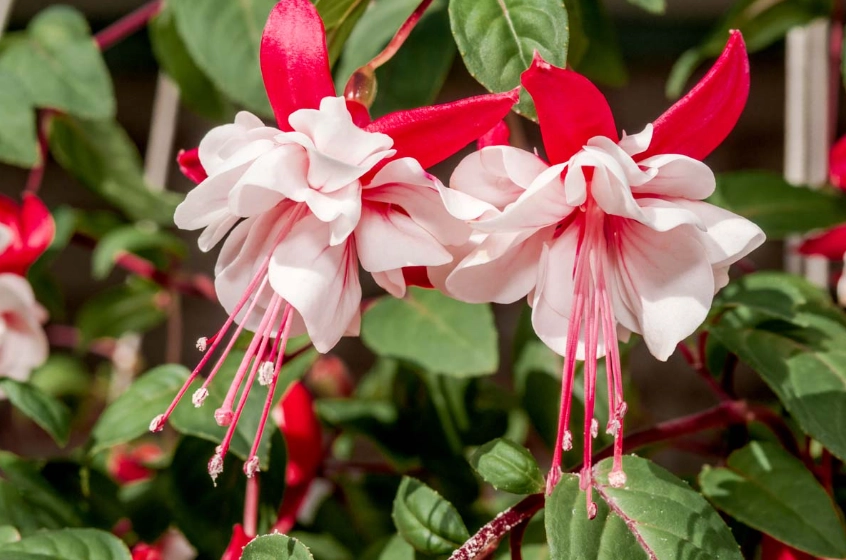
| Symptom | Likely Cause | Immediate Action |
|---|---|---|
| Leaves turning yellow, starting from the bottom | Overwatering or poor drainage. Roots are suffocating. | Stop watering. Check if pot drains freely. Repot into fresh, well-draining mix if soil is soggy. |
| Leaves crispy, brown, and dry | Underwatering, too much sun, or wind scorch. | Water deeply, move to a shadier, more sheltered location. Mist foliage in extreme heat. |
| Tiny white flies around plant, sticky leaves | Whitefly infestation. Very common on fuchsias. | Hang yellow sticky traps. Spray with insecticidal soap or neem oil, covering undersides of leaves. Repeat weekly. |
| No flowers, only lush green growth | Too much nitrogen, not enough light, or an immature plant. | Switch to a bloom booster fertilizer. Assess light levels—it may need a bit more morning sun. |
Choosing the Right Variety for Your Garden
This is critical. Picking a variety suited to your climate and goal saves endless heartache. The main split is between hardy fuchsias (can survive winter in the ground in milder climates) and tender/trailing fuchsias(grown as annuals or overwintered indoors).
For beginners, I always recommend starting with a hardy, upright bush type. They're more forgiving. 'Dollar Princess' (purple and red) and 'Hawkshead' (white) are virtually bulletproof. For hanging baskets, you can't beat the classic trailers like 'Swingtime' (red and white) or 'Dark Eyes' (deep purple and red).
My personal favorite for multi-season interest is 'Mrs. Popple'. It's a hardy shrub with classic red and purple flowers, but if you leave the berries on in autumn, they turn a deep, glossy black that the birds love. It’s a plant that works from June through November.
Overwintering Secrets for Hardy & Tender Types
The big fear. It's simpler than you think.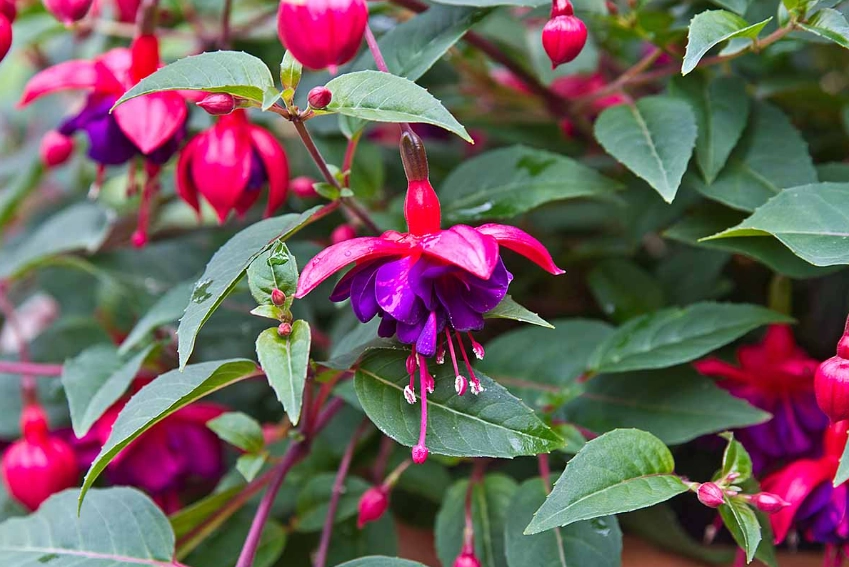
For hardy fuchsias in the ground: Don't cut them back in fall! The old growth protects the crown from frost. Wait until you see new buds swelling in spring, then prune back to that live wood. A thick mulch of leaves or bark after the first frost is great insurance.
For tender fuchsias in pots: You have two options. The first is to let them go dormant. After the first frost kills the foliage, cut stems back to about 6 inches. Store the pot in a dark, cool (35-45°F / 2-7°C), frost-free place like a garage or basement. Water it just once a month to keep the roots from completely drying out. In spring, bring it into the light, water, and watch it regrow.
The second method, which I prefer for special varieties, is to keep them as semi-dormant houseplants. Prune them back by a third, bring them inside to a cool, bright windowsill, and water sparingly. They'll look a bit sad, but they'll hold on until spring.
Your Fuchsia Questions, Answered
My fuchsia survived winter but isn't growing in spring. Is it dead?
What's the best potting mix for container fuchsias?
 How do I make my hanging basket fuchsia look fuller?
Can I grow fuchsias from the berries I see?
Are there any fuchsias that can handle full sun?
Reader Comments