You bought a beautiful camellia, full of promise. You planted it, watered it, waited. Then, the buds turned brown and dropped. Or the leaves yellowed. I've been there. After twenty years of growing camellias from the Pacific Northwest to the humid South, I've made every mistake so you don't have to. This isn't just another plant profile. It's a roadmap to avoiding the heartbreak of a struggling camellia and unlocking its true, lavish potential.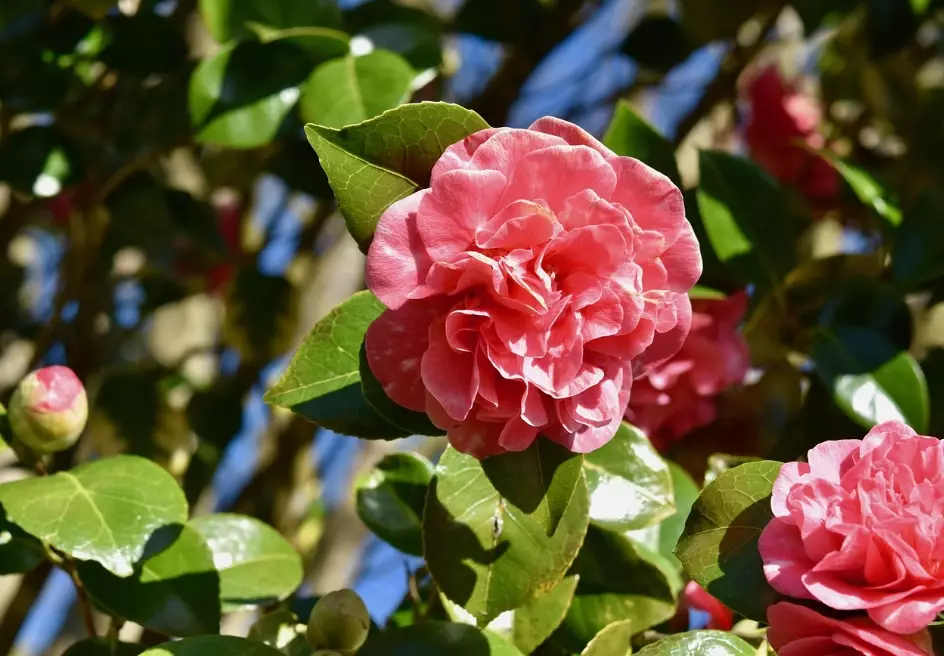
What You'll Learn in This Guide
Getting the Foundation Right: Soil and Planting
Fail here, and you fight an uphill battle forever. The biggest myth? "Camellias love acid soil." It's incomplete. They demand well-drained, acidic, and organically rich soil. The drainage part is what most people miss.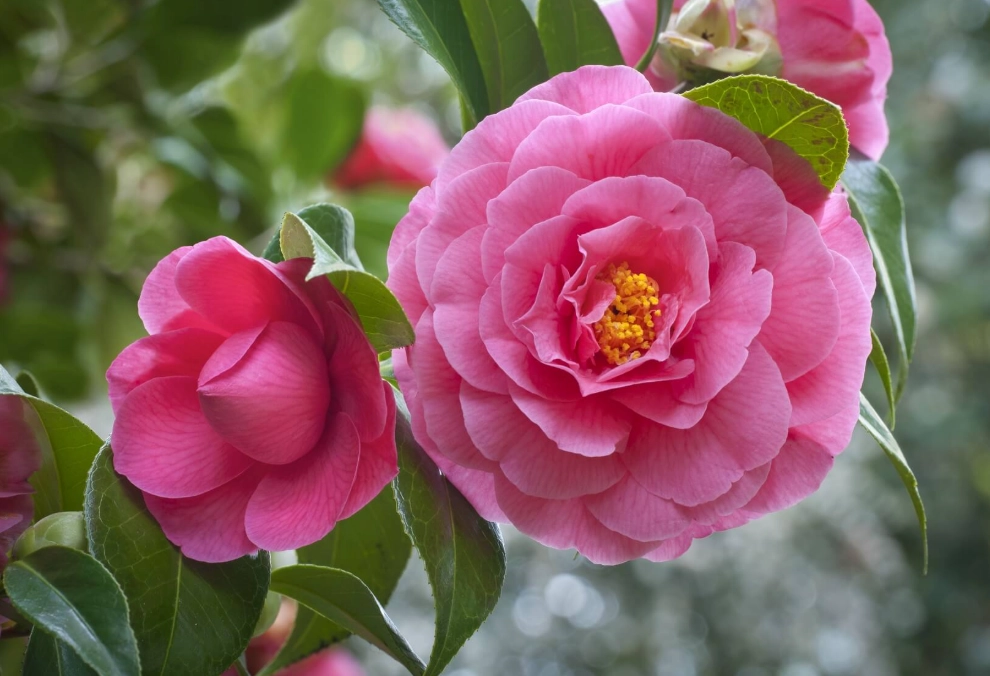
The 24-Hour Test: Before you plant, dig a hole about a foot deep and fill it with water. If it drains completely within 24 hours, you're good. If it doesn't, you must plant in a raised bed or mound. Soggy roots are a death sentence.
I learned this the hard way with a gorgeous 'Kramer's Supreme' in heavy clay. It sulked for two years until I lifted it and rebuilt the planting site with a 50/50 mix of native soil and a specific camellia/azalea mix (look for one with pine bark fines). Never use generic potting soil.
The Planting Hole: Wider, Not Deeper
Dig a hole two to three times wider than the root ball, but only as deep as the root ball itself. Planting too deep invites stem rot. Set the camellia so the top of the root ball is slightly above the surrounding soil level. Backfill with your amended soil, water thoroughly to settle, and apply a 3-inch layer of mulch (pine needles or shredded bark) to conserve moisture and keep roots cool. Keep mulch away from the stem.
The Non-Negotiables of Ongoing Camellia Care
Camellias aren't high-maintenance, but they are particular. Get these four things right.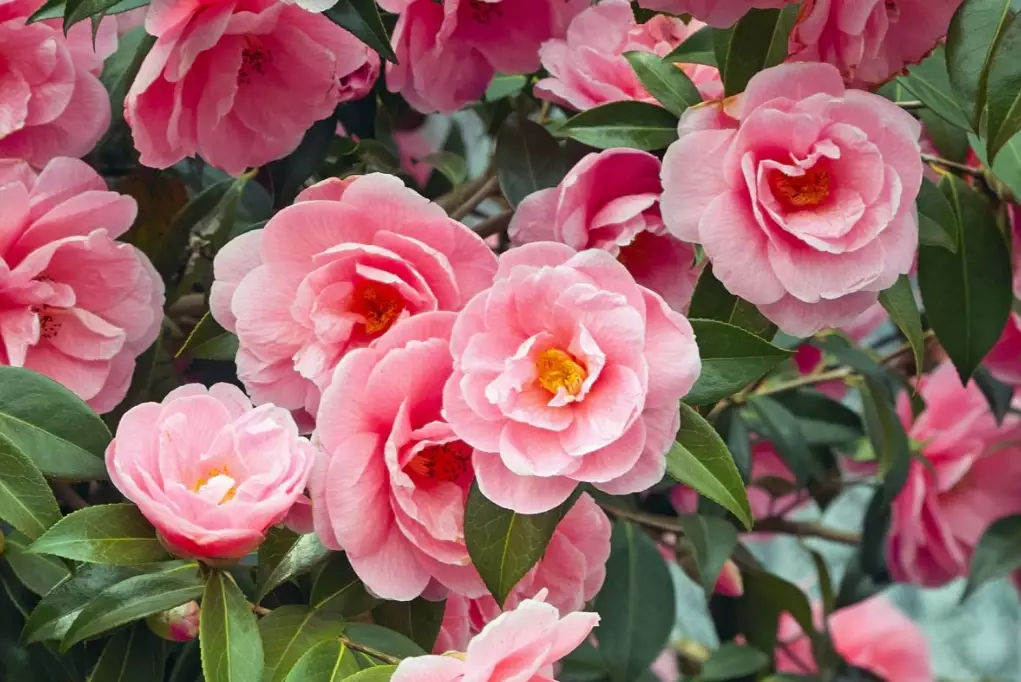
Watering: Consistent moisture is key, especially in the first two years and during bud formation (late summer). Deep watering once a week is better than frequent sprinkles. A soaker hose is your best friend. Drought stress is the #1 cause of bud drop.
Feeding: Use a fertilizer formulated for acid-loving plants. The American Camellia Society recommends feeding three times a year: early spring (after blooming), early summer, and mid-summer. Stop fertilizing by late July/August. Late feeding promotes tender new growth that winter frost will kill.
Sunlight: Ideal is dappled sunlight or morning sun with afternoon shade. In cooler climates (like the Pacific Northwest), they tolerate more sun. In hot southern zones, deep shade is crucial to prevent scorching.
Winter Protection: For borderline climates, mulch heavily over the root zone. For container plants, move them to a sheltered spot against a house wall. A sudden hard freeze after a warm spell can damage buds.
Pruning and Shaping Without Fear
Prune immediately after flowering ends. If you prune in fall, you're cutting off next season's blooms. It's that simple.
Most camellias naturally form a lovely shape. Your goal is to improve air circulation (to prevent disease) and remove dead or crossing branches. Use clean, sharp tools. Make cuts just above a leaf node or a branch junction. For overgrown shrubs, you can be aggressive—camellias regenerate well from old wood. I once cut a 10-foot 'Yuletide' back to 3 feet; it came back bushier than ever.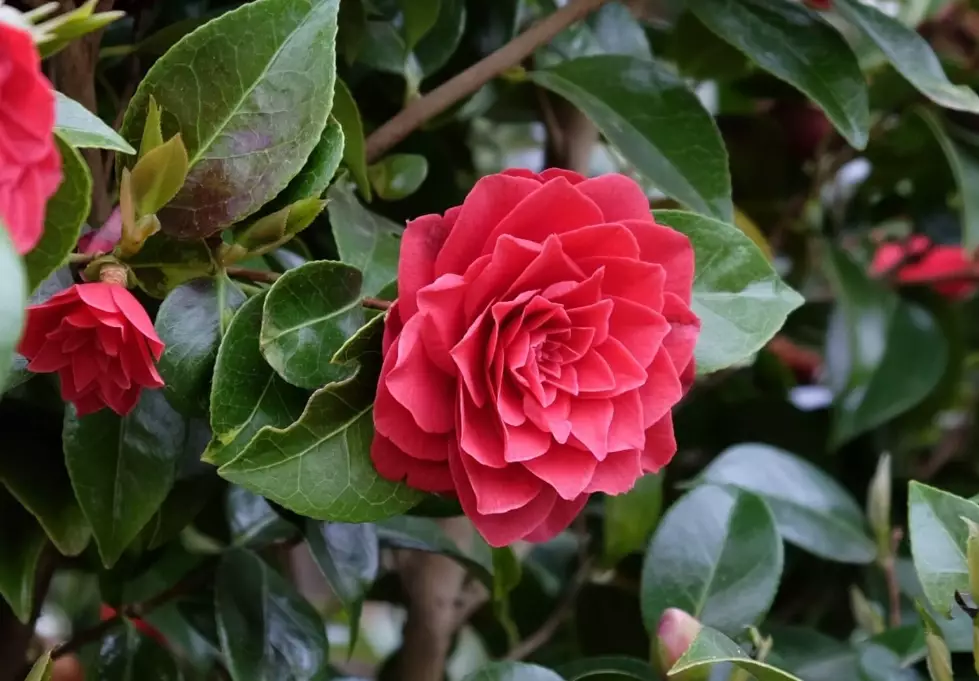
Disinfect your pruners between plants with rubbing alcohol. Camellia flower blight, a fungal disease, can spread on contaminated tools.
How to Choose the Right Camellia for Your Garden
This is where fun begins. Don't just pick the prettiest picture. Match the plant to your climate and goal. The two main species are Camellia japonica (late winter/spring bloom, glossy leaves) and Camellia sasanqua (fall/early winter bloom, smaller leaves, often more sun-tolerant).
| Variety Name | Type & Bloom Time | Flower & Key Features | Best For |
|---|---|---|---|
| 'April Dawn' | C. japonica, Mid to Late Season | Striking white with pink streaks, formal double. Very cold hardy. | Gardens with late frosts; a stunning focal point. |
| 'Yuletide' | C. sasanqua, Late Fall to Winter | Brilliant red single flowers with yellow stamens. Compact, upright growth. | Holiday color, containers, hedges in warmer zones. |
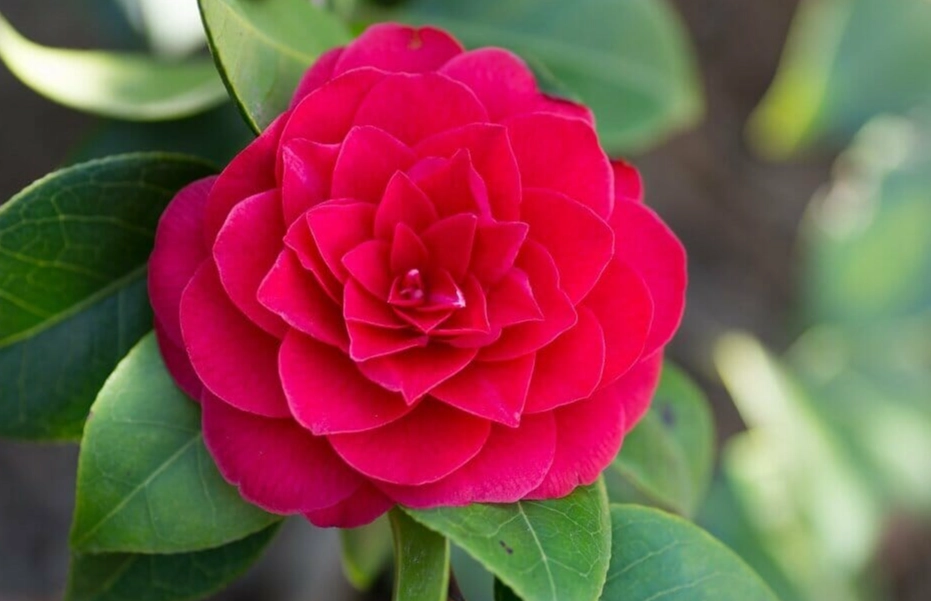
| 'Kramer's Supreme' | C. japonica, Mid-Season | Deep red, peony-form. Prolific bloomer, vigorous grower. | Making a bold statement; reliable performance. |
| 'Shishi Gashira' | C. sasanqua, Fall to Winter | Semi-double pink, low, spreading habit. Exceptionally heat tolerant. | Ground cover, spilling over walls, hot climate gardens. |
Visit a local botanical garden, like the American Camellia Society's Massee Lane Gardens, to see mature specimens. Local nurseries often stock varieties proven for your area.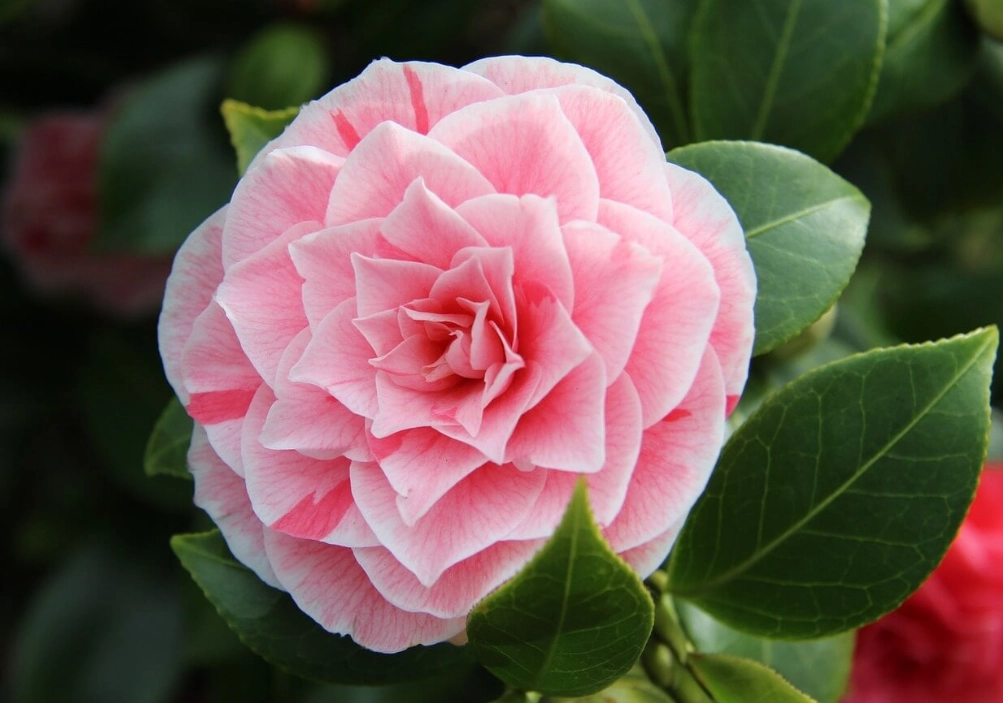
Troubleshooting Common Camellia Problems
Yellow Leaves with Green Veins: Classic sign of iron chlorosis—soil is not acidic enough. Apply chelated iron and amend soil with sulfur or more acidic compost.
Bud Drop: Usually caused by dry soil during bud development (Aug-Oct) or sudden temperature swings. Ensure consistent watering and provide wind protection.
Brown Spots on Flowers (Flower Blight): Fungal disease. Remove and destroy all fallen flowers and mulch. Improve air circulation via pruning.
Sooty Mold: A black film on leaves. It's a symptom of an insect problem (scale, aphids). Control the insects with horticultural oil, and the mold will wash away.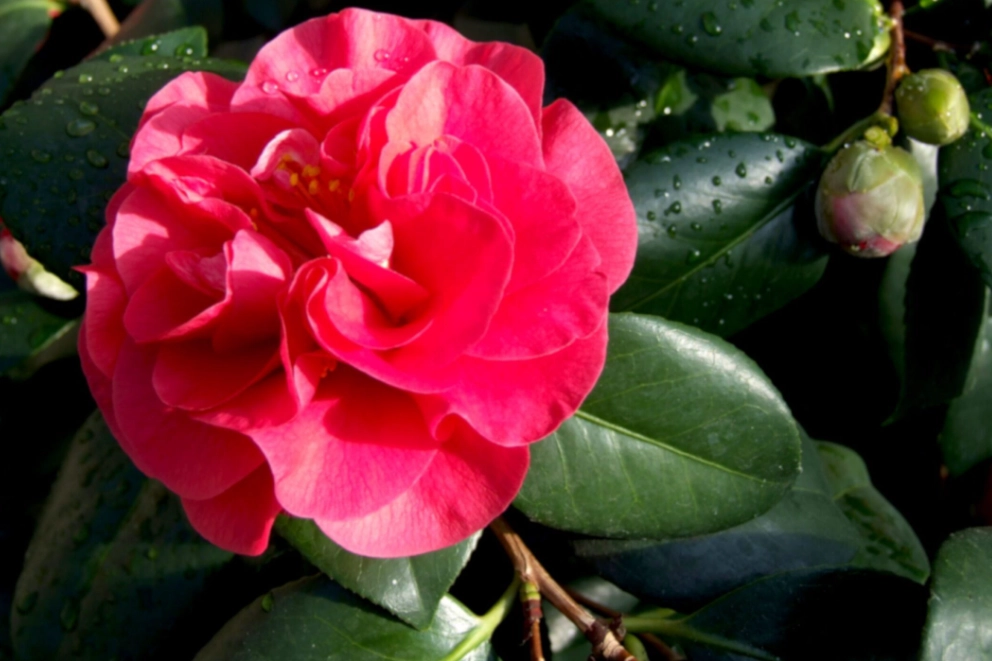
Your Camellia Questions, Answered
My camellia has lots of buds but they never open, just turn brown. What's happening?
This is classic bud blast. Nine times out of ten, it's a watering issue from the previous late summer or fall when the buds were forming. The plant experienced drought stress. Next year, be militant about deep, weekly watering from August through October. The other culprit could be a late frost damaging the buds just as they swell.
Can I grow camellias in a pot successfully long-term?
Absolutely, and it's a great solution for tricky soils. Choose a dwarf or slow-growing variety like 'Little Bit' or 'Fairy Blush'. Use a large pot (at least 16-18 inches wide) with excellent drainage and a camellia-specific potting mix. Repot every 2-3 years in early spring, pruning the roots slightly. Container plants need more frequent watering and feeding, and in cold zones, the pot needs winter insulation.
 What's the difference between a japonica and a sasanqua, and which should I choose?
Think of them as siblings with different personalities. Japonicas are the classic, with large, glossy, dark green leaves and big, rose-like blooms in late winter/spring. They prefer more shade. Sasanquas have smaller, narrower leaves, often bloom in fall/winter with simpler, sometimes fragrant flowers, and tolerate more sun and heat. Choose a sasanqua if you want a hedge, screen, or fall color. Choose a japonica for a stunning woodland understory specimen with dramatic flowers.
Is it true I shouldn't plant camellias too close to my house?
There's some wisdom here. First, ensure the site gets the right light (often east-facing is ideal). Second, and more importantly, avoid the "rain shadow" area under a wide eave where the soil stays dry. Camellias need ambient rainfall. Plant them at least 2-3 feet from the foundation so roots have room and air can circulate, preventing mildew on walls.
Reader Comments