I’ve grown thyme for over a decade, and let me tell you, most guides miss the point. Thyme flowers aren’t just pretty; they’re a sign your plant is thriving, but getting there involves avoiding subtle mistakes that kill plants quietly. This isn’t a rehash of generic tips. It’s based on my own failures and successes, like the time I nearly lost a whole patch to root rot because I followed common watering advice too literally. If you want thyme flowers that bloom reliably and herbs you can use year-round, read on.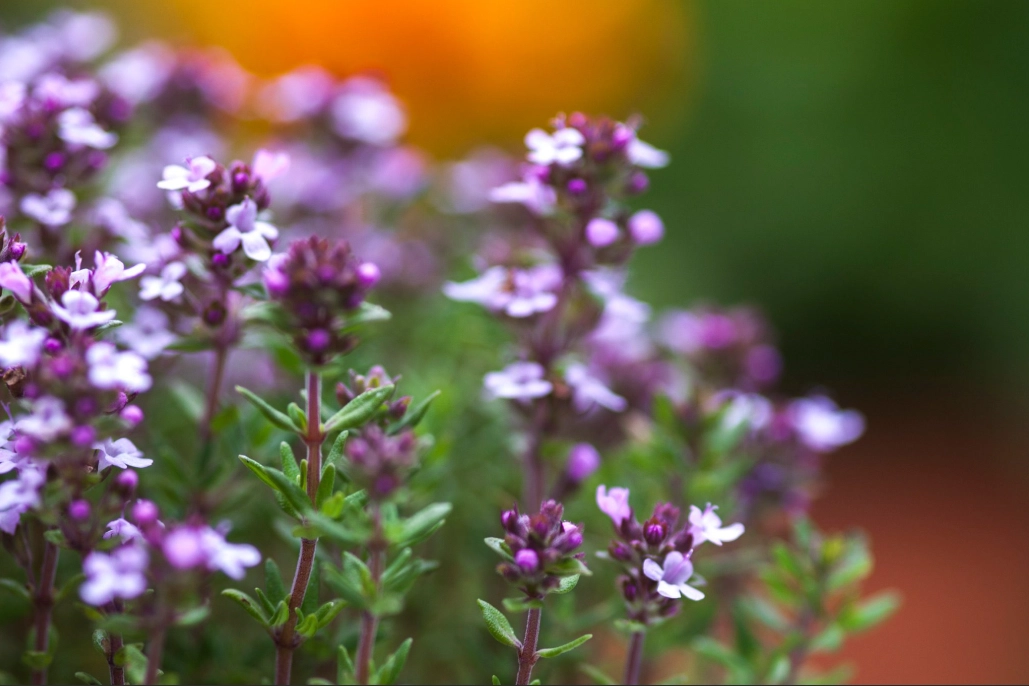
Jump to What You Need
What Are Thyme Flowers Really?
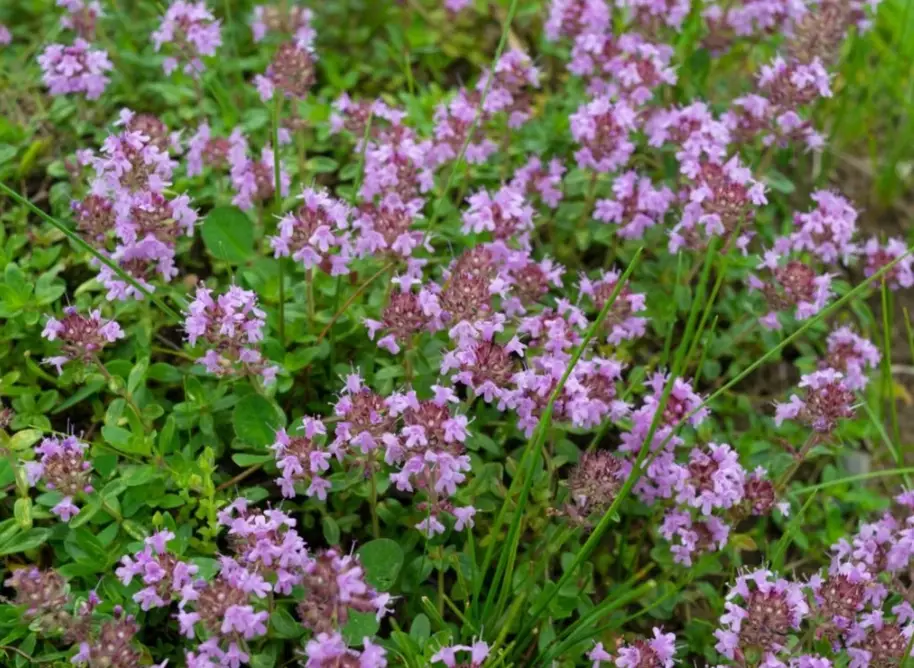
Thyme flowers are the small, lavender to pink blossoms that appear on thyme plants (Thymus vulgaris) in late spring to summer. They’re not just decorative; they attract pollinators like bees and enhance the herb’s flavor. But here’s what many don’t say: the flowers indicate plant maturity. If your thyme isn’t flowering, it might be stressed or too young. I’ve seen gardeners panic over this, but often, it’s about patience and proper care.
Thyme is a perennial herb native to the Mediterranean, so it loves sun and well-drained soil. The flowers are edible and packed with antioxidants, but their appearance depends on factors like light and pruning. According to the Royal Horticultural Society, thyme thrives in USDA zones 5-9, but with adjustments, you can grow it elsewhere.
Growing Thyme from Scratch: A Step-by-Step Blueprint
Starting thyme isn’t hard, but doing it right saves months of frustration. I’ll walk you through it based on my own garden trials.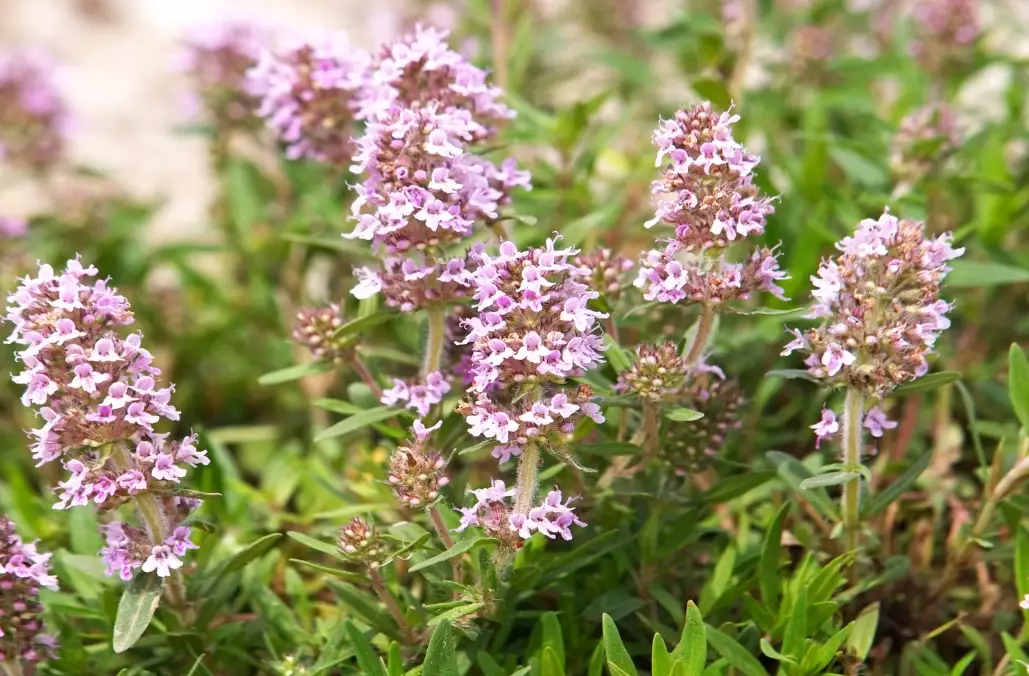
Choosing the Right Soil and Location
Thyme hates wet feet. That’s the biggest lesson I learned. Use sandy or loamy soil with a pH of 6.0-8.0. If your soil is clay-heavy, amend it with coarse sand or perlite. For location, pick a spot with full sun—at least 6 hours daily. I made the mistake of planting some in partial shade; those plants grew leggy and never flowered.
Consider container growing if drainage is an issue. A terracotta pot with drainage holes works wonders. Fill it with a mix of potting soil and grit (like 2:1 ratio).
Planting Thyme Seeds or Cuttings
Seeds are slow; cuttings are faster. For seeds, sow indoors 6-8 weeks before the last frost. Surface sow them—they need light to germinate. Keep soil moist but not soggy. Germination takes 14-21 days. Once seedlings have 2-3 true leaves, transplant them outdoors after frost danger passes.
For cuttings, take 3-inch stems from a healthy plant in spring. Remove lower leaves, dip in rooting hormone (optional, but it helps), and plant in a mix of peat and perlite. Rooting takes 2-4 weeks. I’ve propagated dozens this way; it’s reliable and clones the parent plant’s traits.
Watering and Fertilizing Schedule
Water deeply but infrequently. Let the soil dry out between waterings. In hot climates, water once a week; in cooler areas, every 10-14 days. Overwatering is the #1 killer—I lost plants to root rot because I watered on a schedule without checking soil moisture.
Fertilize sparingly. Thyme is a light feeder. Use a balanced, organic fertilizer (like 10-10-10) at half strength in early spring. Too much nitrogen promotes leafy growth at the expense of flowers. I skip fertilizer if the soil is rich.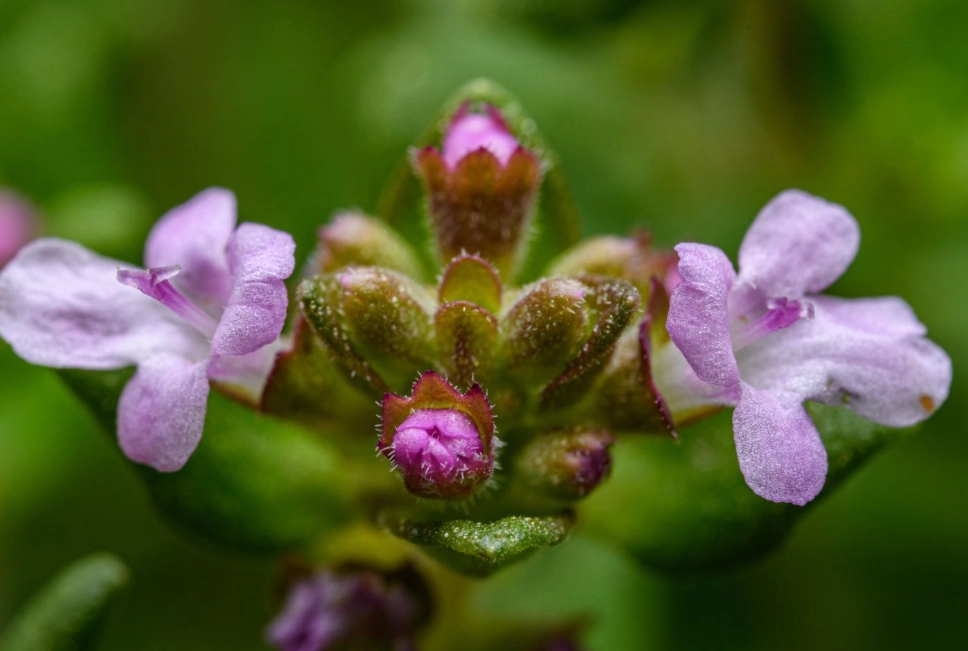
Thyme Flower Care and Maintenance: Beyond Watering
Once established, thyme is low-maintenance, but neglect leads to poor flowering. Here’s how to keep it thriving.
Pruning and Harvesting Tips
Prune thyme regularly to encourage bushiness and flowers. After flowering, cut back by one-third to remove spent blooms. This prevents the plant from going to seed and promotes new growth. Harvest leaves as needed, but avoid taking more than a third of the plant at once.
For maximum flower production, prune lightly in early spring. I’ve found that pinching tips every few weeks stimulates more branches and eventual blooms.
Dealing with Pests and Diseases
Thyme is generally pest-resistant, but watch for spider mites in dry conditions or root rot from overwatering. For spider mites, spray with water or use neem oil. Root rot is trickier; improve drainage and reduce watering. I once saved a plant by repotting it in grittier soil and cutting back on water.
Diseases like powdery mildew can occur in humid climates. Ensure good air circulation. If needed, apply a fungicide, but organic options like baking soda spray work for mild cases.
| Common Issue | Symptoms | Immediate Action |
|---|---|---|
| Root Rot | Yellowing leaves, wilting, soggy soil | Stop watering, repot in dry soil, trim rotten roots |
| Spider Mites | Fine webbing, stippled leaves | Spray with water, apply neem oil every 5-7 days |
| Powdery Mildew | White powder on leaves | Increase airflow, spray with milk solution (1:9 ratio) |
| Leggy Growth | Tall, sparse stems, few flowers | Prune back, move to sunnier spot |
Uses of Thyme Flowers in Cooking and Medicine
Thyme flowers aren’t just for show; they’re useful. I add them to dishes for a floral note, but they’re milder than leaves.
Culinary Applications
Use fresh or dried flowers in salads, soups, or as garnish. They pair well with roasted meats, vegetables, and cheeses. I make thyme flower vinegar by steeping flowers in white vinegar for a week—it’s great for dressings.
Drying is easy: hang bunches upside down in a dark, dry place. Store in airtight containers. Flowers retain flavor for up to a year if kept properly.
Medicinal Benefits
Thyme has antiseptic properties due to thymol. Flowers can be used in teas for respiratory issues or as a topical antiseptic. However, consult a healthcare professional before medicinal use. I’ve used thyme tea for sore throats; it’s soothing but not a cure-all.
Research from sources like the National Institutes of Health indicates thyme may aid digestion and boost immunity, but flowers specifically are less studied than leaves.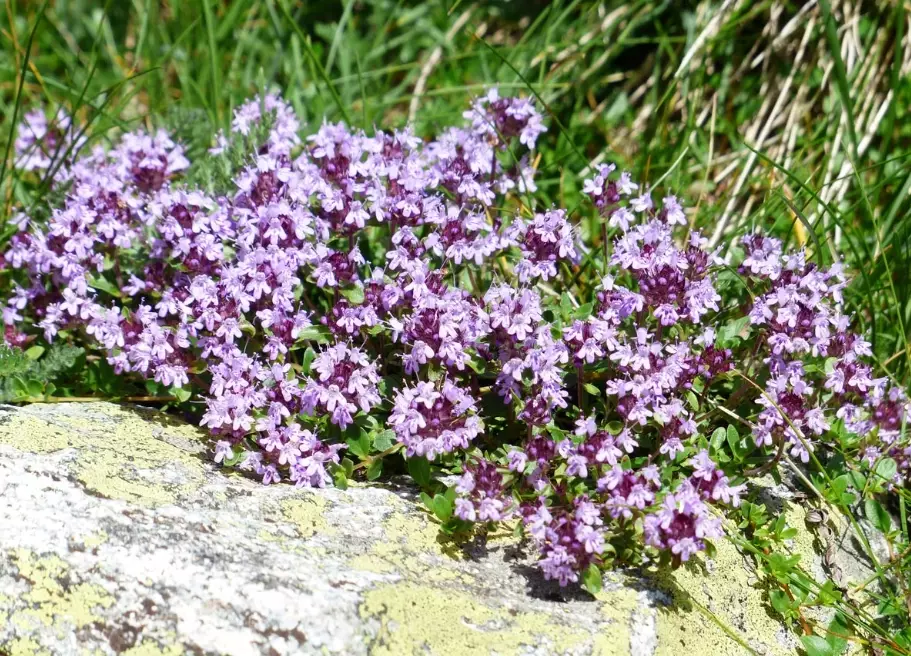
Common Mistakes When Growing Thyme (And How to Fix Them)
Based on my experience, here are pitfalls most guides ignore.
Mistake 1: Planting in rich, moist soil. Thyme originates from rocky, dry areas. Rich soil leads to weak growth and disease. Fix it by amending with sand or growing in raised beds.
Mistake 2: Over-fertilizing. More fertilizer doesn’t mean more flowers. It can cause nitrogen burn and reduce flowering. Use compost sparingly instead.
Mistake 3: Not pruning after flowering. If you leave spent flowers, the plant focuses on seeds, not new growth. Prune immediately to encourage a second bloom in fall.
Mistake 4: Ignoring winter care. In cold zones, thyme needs protection. Mulch with straw or bring pots indoors. I’ve lost plants to frost because I assumed they were hardy without extra care.
Your Thyme Flower Questions Answered
 Is it safe to eat thyme flowers if I use pesticides?
Growing thyme flowers isn’t rocket science, but it demands attention to细节. Start with well-drained soil, sun, and patience. Avoid overwatering, prune regularly, and don’t shy away from experimenting. My first thyme patch failed because I followed generic advice; now, I tailor care to my local climate. Whether you’re a beginner or seasoned gardener, these insights should help you cultivate thyme that not only survives but thrives with vibrant flowers.
Reader Comments