What You'll Learn in This Guide
Mentha, or mint, is one of those herbs everyone thinks they can grow—until their garden gets overrun or the plants die off. I’ve been cultivating mint for over a decade, and let me tell you, it’s not as simple as just sticking it in the ground. This guide cuts through the noise to give you real, actionable advice on growing mentha plants that thrive, not just survive. We’ll cover everything from planting basics to niche uses, and I’ll share some hard-earned lessons I learned the hard way.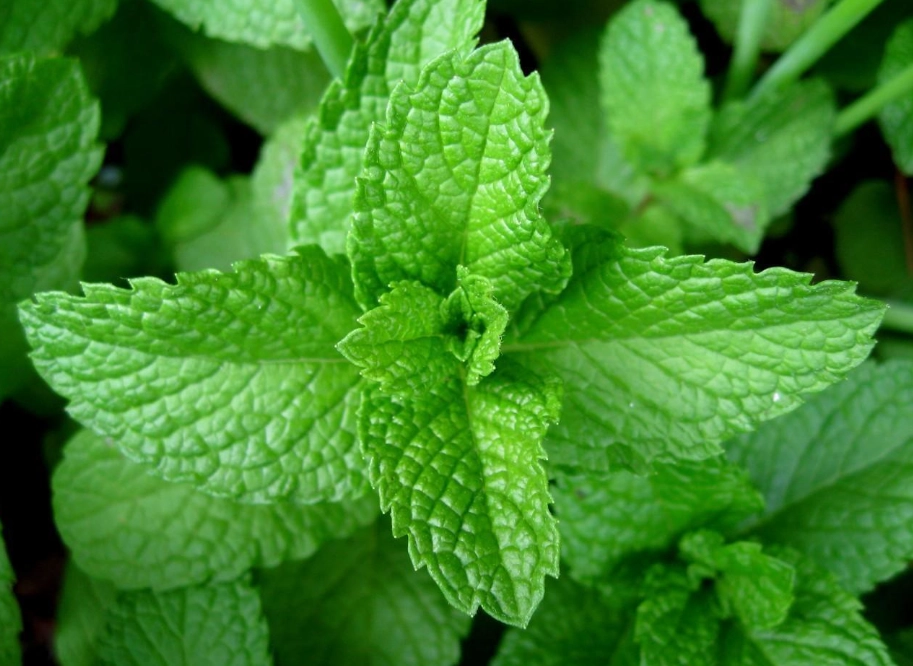
What is Mentha and Why Should You Grow It?
Mentha is a genus of plants in the Lamiaceae family, encompassing popular varieties like peppermint and spearmint. It’s perennial, meaning it comes back year after year, and it’s notorious for its invasive roots. But that vigor is also its strength—mint is incredibly versatile. You can use it in teas, cocktails, salads, and even as a natural pest repellent. According to the Royal Horticultural Society, mint has been cultivated for centuries for its aromatic leaves and medicinal properties. I started growing mint because I wanted fresh herbs for my kitchen, but I quickly realized it’s a gateway plant for beginner gardeners. It’s forgiving, but only if you know its quirks.
The Botanical Basics of Mint
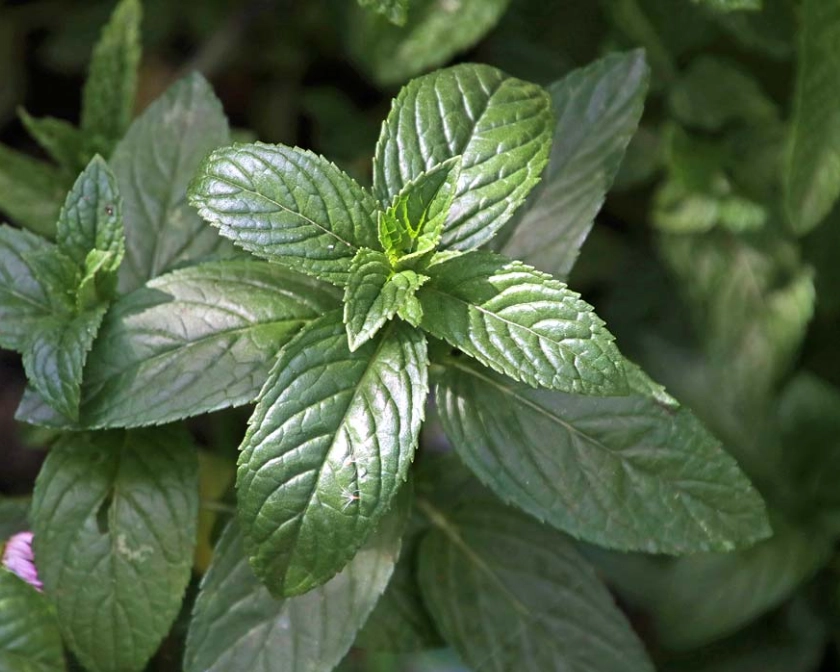
Mint plants typically have square stems, opposite leaves, and small flowers. They prefer moist soil and partial shade, though some varieties tolerate full sun. One thing most guides gloss over: mint’s root system, called rhizomes, spreads aggressively. If you don’t contain it, it’ll choke out nearby plants. I learned this the hard way when my spearmint invaded my tomato patch—it took months to clean up.
How to Plant Mentha: A Step-by-Step Guide
Planting mint isn’t rocket science, but skipping steps leads to weak plants. Here’s a foolproof method based on my experience.
Choosing the Right Location
Mint needs 4-6 hours of sunlight daily. Too much sun in hot climates scorches the leaves; too little makes it leggy. I recommend a spot with morning sun and afternoon shade. If you’re planting in-ground, use barriers like pots sunk into the soil to control spread. For container gardening, any pot with drainage holes works—just make it at least 12 inches deep.
Soil Preparation for Mint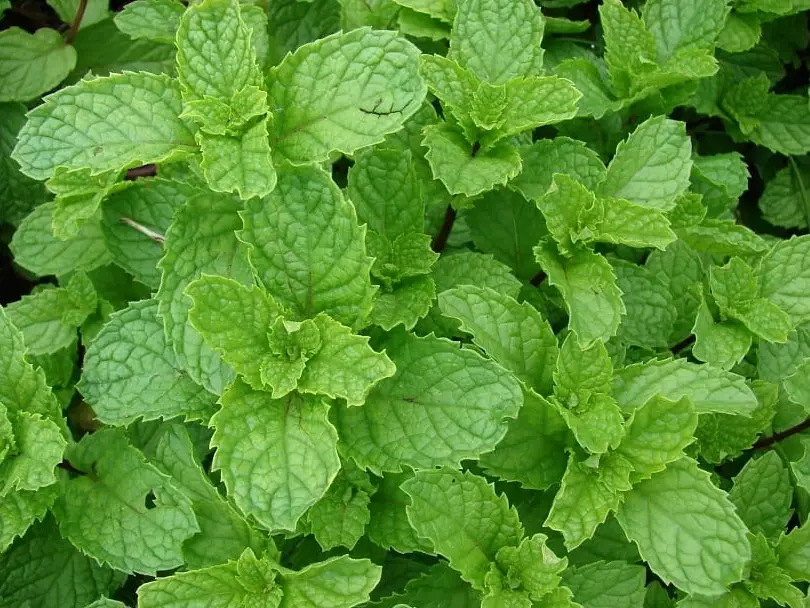
Mint thrives in rich, well-draining soil with a pH between 6.0 and 7.0. I mix compost into garden soil or use a potting mix for containers. Avoid heavy clay—it retains too much water and causes root rot. A common mistake is over-fertilizing early on; mint doesn’t need much nitrogen initially. Wait until it’s established.
Plant in spring after the last frost. Space plants 18-24 inches apart if in-ground. Water thoroughly after planting, but don’t drown them. I’ve seen folks kill mint by watering daily—it’s a balance.
Caring for Your Mint Plants
Once planted, mint requires minimal care, but neglect leads to problems. Here’s how to keep it healthy.
Watering and Feeding
Mint likes consistent moisture. Water when the top inch of soil feels dry—usually every 2-3 days in summer, less in cooler weather. Overwatering causes yellow leaves; underwatering makes them wilt. I use a drip irrigation system to keep things even. For feeding, apply a balanced organic fertilizer every 4-6 weeks during the growing season. Too much fertilizer encourages leaf growth at the expense of flavor.
Pruning and Maintenance
Prune mint regularly to promote bushiness. Pinch off the top leaves every few weeks. If it flowers, snip them off to direct energy to the leaves. In fall, cut back dead stems to ground level. Pest control is rarely needed—mint’s scent deters many insects. But watch for spider mites in dry conditions; a spray of water usually handles them.
Common Uses of Mentha
Mint isn’t just for garnishes. Its uses span culinary, medicinal, and practical domains.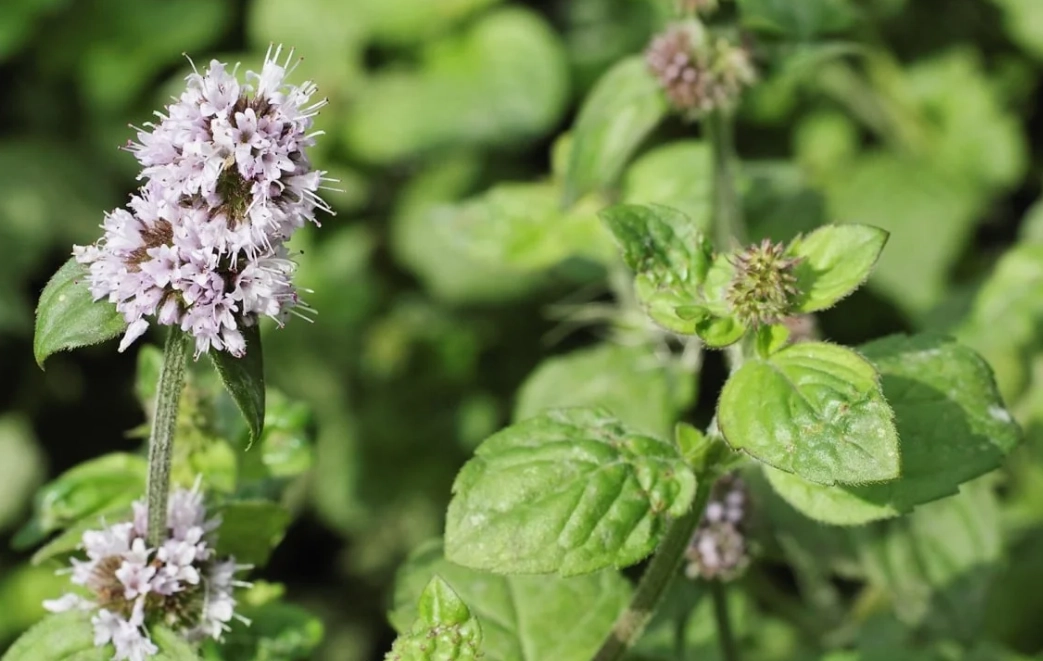
Culinary Applications
Fresh mint elevates dishes. Add it to salads, sauces, or drinks. I make a simple mint syrup by steeping leaves in sugar water—perfect for mojitos or lemonade. Drying mint is easy: hang bundles upside down in a dark, dry place for a week. Store in airtight containers. One pro tip: use mint in savory dishes like lamb or yogurt sauces; it cuts through richness.
Medicinal Benefits
Mint has been used for digestion and respiratory issues. Peppermint tea can soothe stomach aches. But don’t overdo it—excessive consumption may cause heartburn in some people. I find a cup of mint tea after meals helps with bloating. Always consult a healthcare professional for medical advice.
Top Mint Varieties to Consider
Not all mints are created equal. Here’s a quick comparison of popular types based on my trials.
| Variety | Flavor Profile | Best For | Growth Habit |
|---|---|---|---|
| Peppermint | Strong, cooling | Teas, desserts | Aggressive spreader |
| Spearmint | Mild, sweet | Cooking, cocktails | Moderate spread |
| Apple Mint | Fruity, subtle | Salads, garnishes | Less invasive |
| Chocolate Mint | Chocolatey hint | Desserts, drinks | Container-friendly |
I prefer spearmint for general use because it’s versatile and easier to control. Peppermint is potent—great for remedies but can overwhelm dishes if used heavily.
Expert Tips and Mistakes to Avoid
After years of growing mint, here are insights you won’t find in most guides.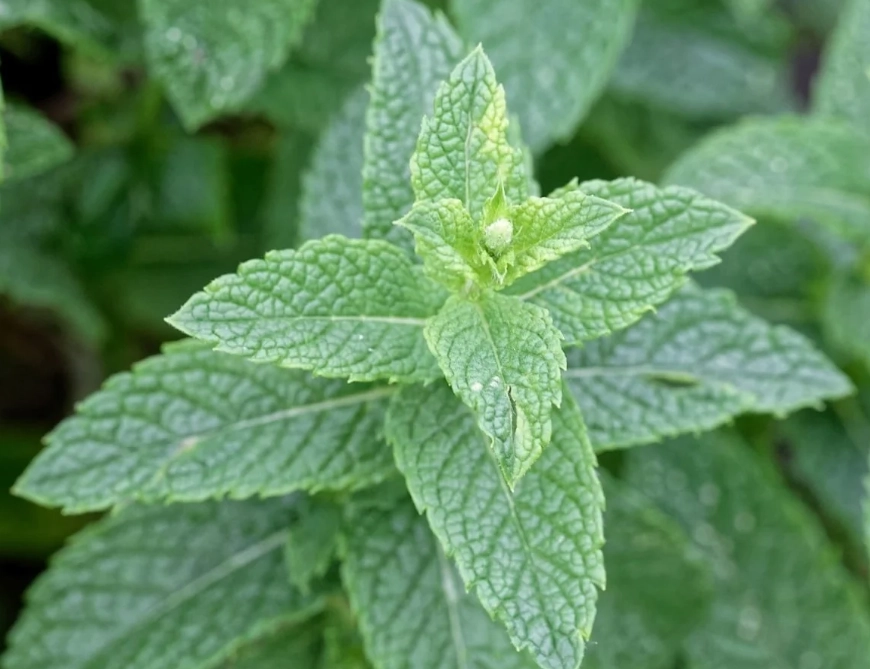
Containment is key. Plant mint in pots or use root barriers. I’ve seen gardens ruined by unchecked mint—it’s a nightmare to remove. Even in containers, repot every 2-3 years to refresh soil and prevent root-bound plants.
Harvest wisely. Pick leaves in the morning when oils are peak. Don’t strip the plant bare; take no more than one-third of the foliage at once. I made this error early on and stunted growth for weeks.
Companion planting. Mint deters pests like ants and cabbage moths, but it can inhibit growth of some plants like parsley. Plant it near tomatoes or roses for benefits, but keep it away from herbs it might overshadow.
One subtle mistake: using tap water with high chlorine. It can affect flavor. Let water sit overnight before watering, or use rainwater.
Frequently Asked Questions
 Can I grow mentha indoors year-round?
Growing mentha is a rewarding journey if you respect its nature. Start with one variety, apply these tips, and soon you’ll have a bounty of mint for all your needs. Remember, gardening is about experimentation—don’t be afraid to adjust based on your local conditions.
Reader Comments