You see "rosemary" at the garden center or in a recipe. It seems simple. But then you dig a little deeper and find names like 'Arp', 'Tuscan Blue', and 'Prostratus'. Suddenly, you're not just buying rosemary—you're choosing from a whole family of plants with different personalities. Picking the wrong one can mean a scraggly, unhappy bush or flavors that don't quite hit the mark in your cooking. This guide is here to end that confusion. We'll walk through the main types of rosemary, not just listing them, but showing you exactly how to match a variety to your garden's conditions and your kitchen's demands.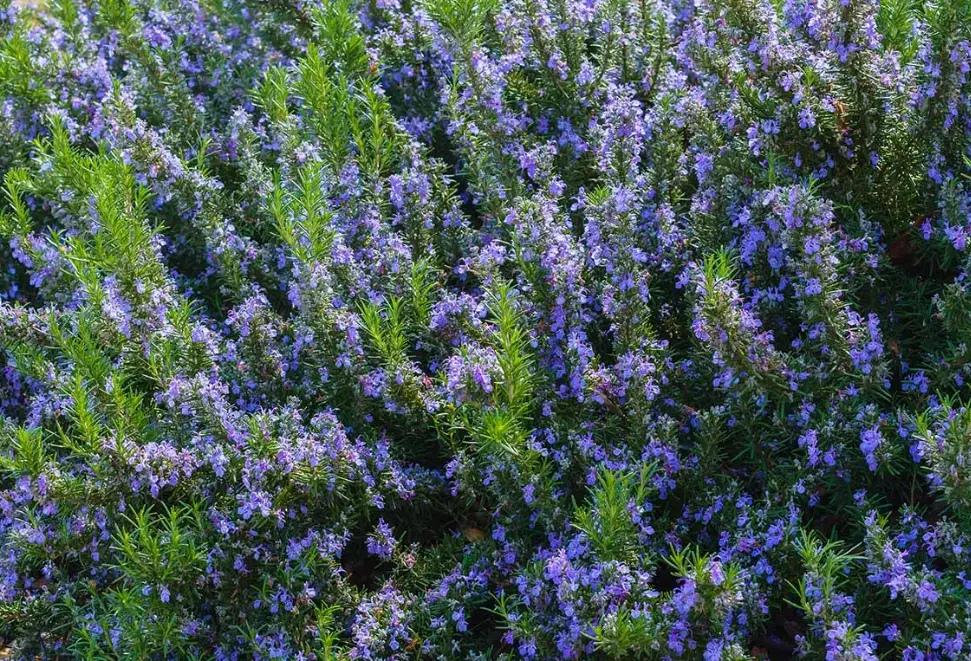
What's Inside This Guide
What Are the Main Types of Rosemary?
Forget botanical complexity for a second. When you're standing in front of a nursery display, rosemary varieties really break down into two camps: the ones that stand up and the ones that sprawl out.
Upright Rosemary Varieties
These are the classic kitchen herbs. They grow in a bushy, shrub-like form, typically reaching 3 to 6 feet tall and wide if left unpruned. Their stems are perfect for stripping leaves or using as aromatic skewers. Most of the famous culinary rosemary varieties fall into this group. They're your workhorses for roasting, stews, and bread.
Creeping (Prostrate) Rosemary Varieties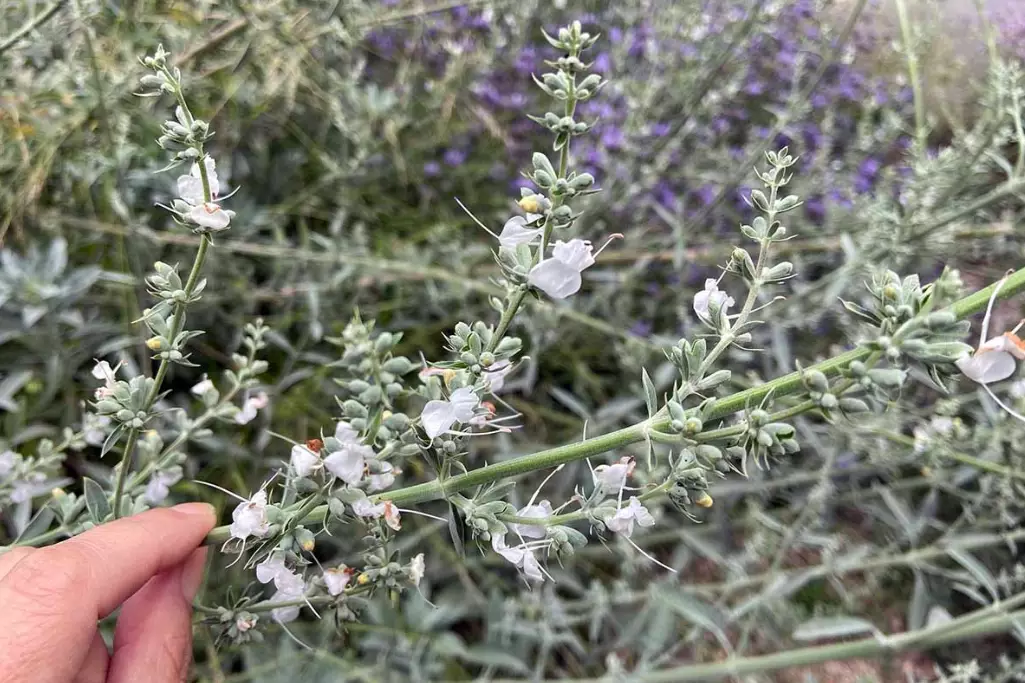
This is the rosemary that carpets the ground. It rarely gets taller than 2 feet but can spread several feet wide, cascading beautifully over walls and pots. Its flavor is just as potent, but the growth habit makes it a superstar for landscaping—think erosion control on a sunny slope or a fragrant, bee-friendly ground cover. Don't underestimate it in the kitchen, though; the needles are often more tender.
A Common Mistake I See: Gardeners treat all rosemary like a sun-loving, drought-tolerant cactus. While true for most, a few varieties, like 'Arp', have slightly better cold tolerance but can be more susceptible to root rot in poorly draining soil. It's a trade-off. Knowing which variety you have tells you its specific weakness.
How to Choose the Right Rosemary Variety for Your Garden
This isn't about picking the prettiest label. It's a practical decision tree. Ask yourself these questions in order.
First, what's your winter like? This is the biggest filter. If you regularly see temperatures below 20°F (-7°C), your list shrinks fast. You need a hardy variety like 'Arp' or 'Hill Hardy'. In warmer zones (7 and above), you have the full menu.
Second, how much space do you have? A small patio container can't handle a 'Tuscan Blue' that wants to become a small tree. Go for a compact upright like 'Blue Spires' or a prostrate type. For a large herb garden or hedge, the bigger uprights are magnificent.
Third, what's the primary job? Is this plant for cooking, landscaping, or both? For pure culinary use, prioritize flavor and leaf yield. 'Barbecue' rosemary, with its long, straight stems, is purpose-built. For a rock garden or wall, a creeping variety is non-negotiable. Many, like 'Prostratus', are dual-purpose.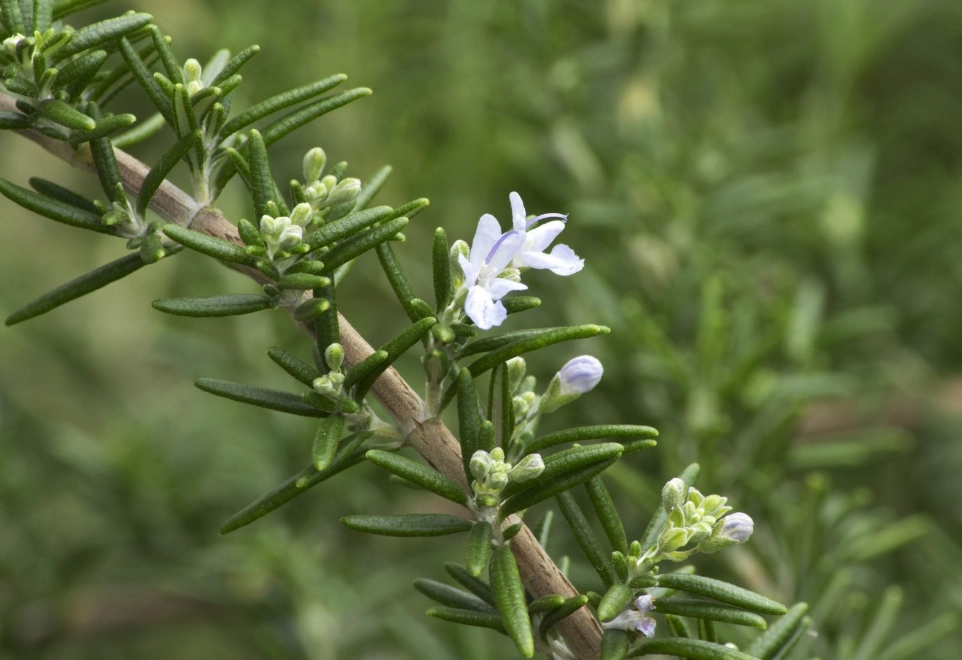
A Detailed Breakdown of Popular Rosemary Cultivars
Here’s where we get specific. This table isn't just a list; it's your cheat sheet for making a direct comparison.
| Variety Name | Type | Mature Size (H x W) | Hardiness (USDA Zone) | Key Characteristics & Best Uses |
|---|---|---|---|---|
| 'Arp' | Upright | 4' x 4' | 6-10 | The cold champion. Named for Arp, Texas. Woody, robust growth with gray-green leaves and light blue flowers. Flavor is strong, slightly piney. Best for: Cold-climate gardens where other rosemary fails. |
| 'Tuscan Blue' | Upright | 6' x 4-5' | 8-10 | A culinary favorite. Vibrant, deep blue flowers and dark green, highly aromatic leaves on straight, sturdy stems. Less woody, easier to strip. Best for: Warm-climate hedges and primary kitchen rosemary. |
| 'Barbecue' | Upright | 4-5' x 3' | 8-10 | It's in the name. Stems grow exceptionally long, straight, and sturdy—ideal for skewering meats and vegetables. Flavor is bold and classic. Best for: Grillers and anyone who wants a functional, tasty plant. |
| 'Blue Spires' | Upright | 3-4' x 3' | 8-10 | More columnar than spreading. Dense with rich blue flowers. A neater, more formal look. Tolerates light pruning very well. Best for: Smaller spaces, container gardening, or as a structural plant in a formal herb garden. |
| 'Prostratus' | Creeping | 1-2' x 4-8' | 8-10 | The classic trailer. Grows rapidly, forming a dense mat with light blue flowers. Fragrant and flavorful. Best for: Spilling over retaining walls, covering sunny banks, or in hanging baskets. |
| 'Huntington Carpet' | Creeping | 1' x 4-6' | 8-10 | A sport of 'Prostratus' with deeper blue flowers and a slightly denser, slower growth habit. Often considered more ornamental. Best for: Where you want ground cover but with more visual punch from the blooms. |
| 'Gorizia' | Upright | 4-5' x 4' | 7-10 | A lesser-known gem. Features unusually broad, bright green leaves (almost like a tiny conifer) and a sweet, complex flavor less dominated by camphor. Best for: Connoisseurs and those who find standard rosemary flavor too medicinal. |
I've grown 'Tuscan Blue' for years as my kitchen staple. Its vigor is impressive, but in a container, it demands ruthless annual root pruning or it becomes pot-bound and sulks. That's a hands-on detail you won't find on the plant tag.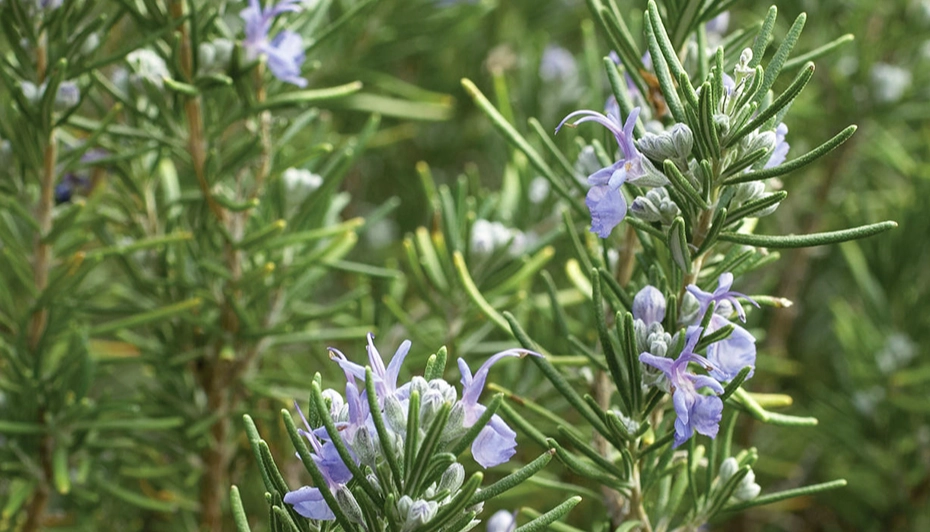
Pro Tips for Growing Any Rosemary Variety Successfully
Choosing the right plant is half the battle. Here’s how to keep it thriving, based on common slip-ups I've corrected in my own garden and others'.
The Number One Killer: Wet Feet. Rosemary roots despise soggy soil. In heavy clay, you must plant on a mound or in a raised bed. For containers, use a cactus/succulent mix or amend regular potting soil with 30-40% perlite or pumice. When you water, drench it thoroughly, then let the soil dry out completely before the next watering. In winter, be extra stingy.
Pruning: It's Not Just for Shape. If you never prune an upright rosemary, it gets leggy, woody, and produces fewer tender leaves. The trick is to prune after flowering or in early spring, but never cut back into the old, bare wood—it often won't regrow. Always cut into green, leafy growth. For creepers, shear them back lightly after blooming to encourage denser foliage.
Feeding: Less is More. Rosemary isn't a heavy feeder. A single application of a balanced, slow-release organic fertilizer in early spring is plenty. Over-fertilizing, especially with high-nitrogen formulas, leads to soft, fast growth that's more susceptible to cold damage and has less concentrated flavor.
For authoritative reference information on plant care, institutions like the Royal Horticultural Society (RHS) and the Missouri Botanical Garden provide excellent, science-based growing guides.
Your Rosemary Questions, Answered
 My 'Prostratus' rosemary looks great but is barely fragrant. Did I get a dud?
Reader Comments