Let's get this out of the way first: Daphne odora has a reputation for being difficult. Fussy. A diva that drops dead for no apparent reason. I've heard it all. After nearly two decades of gardening, including a stint at a specialty nursery, I've killed my share of them. But I've also learned the secrets to keeping them thriving. The truth is, winter daphne isn't inherently difficult; it just has non-negotiable needs that, once met, make it one of the most rewarding shrubs you can grow. Its late-winter perfume is unmatched – a sweet, citrusy, spicy scent that can stop you in your tracks on a gloomy February day. This guide cuts through the myths and gives you the actionable, specific steps to succeed with Daphne odora.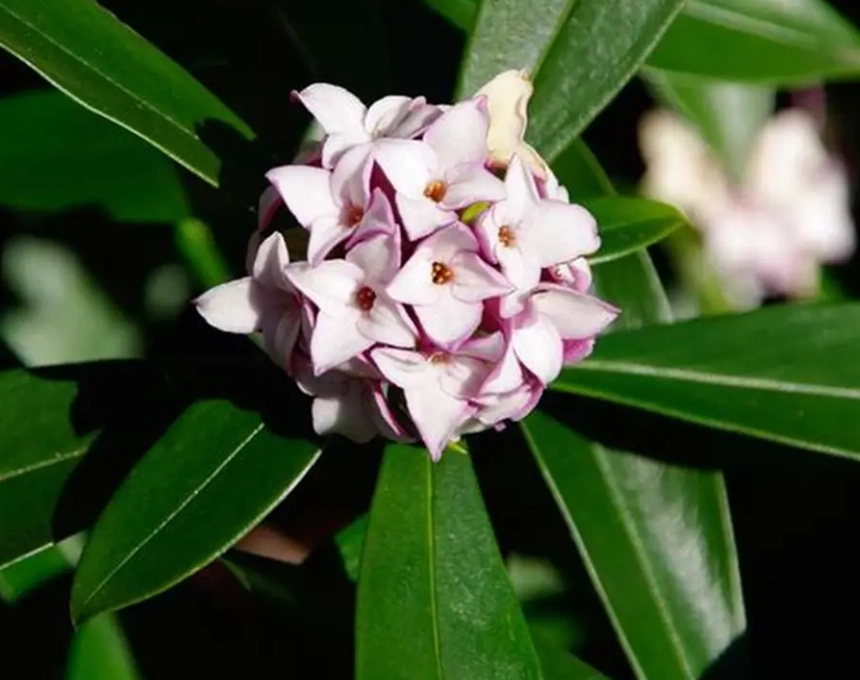
What's Inside This Guide
How to Plant Daphne Odora for Success
Ninety percent of daphne failures happen right here, at the planting stage. Get this wrong, and the plant might linger for a year or two before giving up. Get it right, and you've laid the foundation for a decades-long relationship.
Location is everything. Think of its native habitat: woodland edges in China and Japan. It wants bright, filtered light. Morning sun with afternoon shade is ideal. In cooler climates (USDA zone 7), it can handle more sun. In hotter areas (zone 8), it needs more protection. Full, baking afternoon sun is a death sentence. A spot under the dappled shade of a high-canopy tree, or on the east side of your house, is perfect.
Soil: The Non-Negotiable Foundation
This is the hill daphnes die on – literally. They demand extremely well-draining soil that is also rich in organic matter and moderately acidic (pH 5.5 to 6.5). Heavy clay that stays wet will suffocate the roots. Pure sand won't hold enough nutrients or moisture.
Here's my planting mix, honed over years: For every one part of your native soil, add one part coarse bark or composted pine fines, and one part perlite or coarse horticultural sand. This creates a loose, airy, yet moisture-retentive structure. I can't stress this enough: don't skip the grit. A visit to the Royal Horticultural Society's (RHS) advice pages will confirm the critical need for sharp drainage.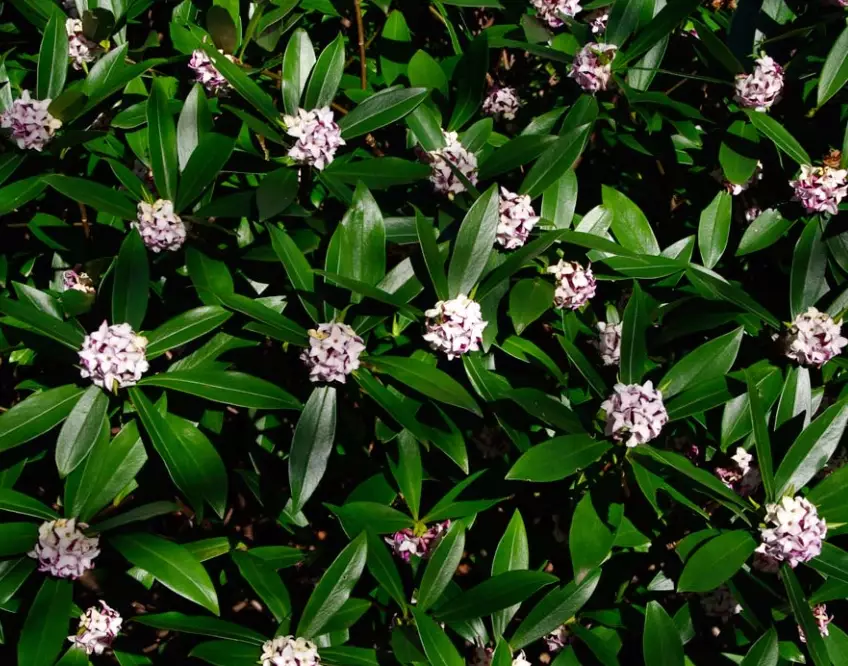
The Planting Hole: Dig a hole twice as wide as the root ball, but only as deep. You want the top of the root ball to sit slightly above the surrounding soil level – maybe an inch higher. This prevents water from pooling around the crown. Gently tease out any circling roots. Place the plant, backfill with your prepared mix, and water deeply to settle. Apply a 2-3 inch layer of mulch (shredded bark, leaf mold) to conserve moisture and keep roots cool, but keep it away from the stem.
Daphne Odora Care: Watering, Feeding, and Pruning
Once established, care is surprisingly straightforward. The key is consistency, especially with water.
Watering: The goal is evenly moist, never soggy and never bone dry. Think of a wrung-out sponge. In its first year, water deeply once or twice a week, depending on weather. Use your finger to check the soil 2 inches down. After establishment, it will be more drought-tolerant but will still perform best with consistent moisture. A soaker hose or drip irrigation on a timer is a fantastic investment for daphne owners.
Feeding: Less is more. Daphnes are not heavy feeders. A single application of a balanced, slow-release, acid-loving plant fertilizer in early spring is sufficient. Something labeled for rhododendrons, azaleas, or camellias is perfect. Over-fertilizing, especially with high-nitrogen fertilizers, can lead to soft, weak growth and fewer flowers.
Pruning: Here's a major point of confusion. Do not hard prune. Daphne odora grows slowly and resents being cut back into old wood. It may not sprout back. Prune only for shape or to remove dead/damaged branches, and do it immediately after flowering in late spring. This gives it time to set buds for next year. Simply snip off the spent flower clusters and maybe a bit of the stem behind them. That's it.
Solving Common Daphne Odora Problems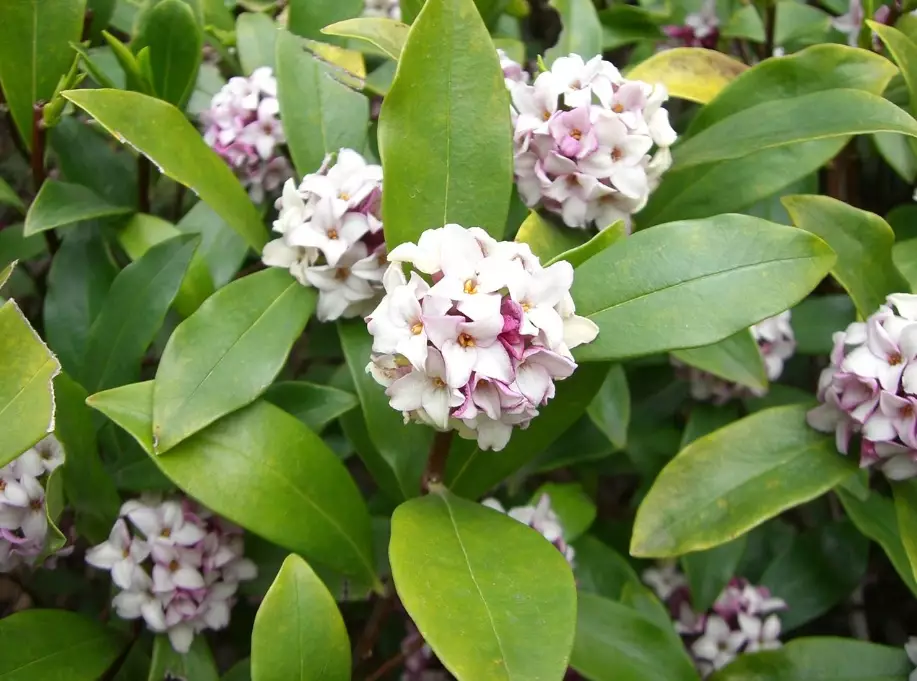
Let's diagnose the classic issues. If your daphne is struggling, it's likely one of these.
Sudden Wilting and Death (Often in Summer): This is almost always a root issue. Either:
- Root Rot: Caused by poor drainage or overwatering. The soil stays too wet, fungi attack, and roots die. Prevention is the only cure – ensure that perfect soil mix.
- Physical Root Damage: Daphnes have sensitive, fleshy roots. Never dig or cultivate around the base. Even heavy mulching with a rake can damage surface roots. Plant it and leave the area alone.
Yellowing Leaves (Chlorosis): Usually a sign of iron deficiency caused by soil pH being too high (alkaline). The plant can't uptake iron. Test your pH and apply a chelated iron supplement according to label directions. Acidifying your soil with sulfur or continued use of acidic mulch is the long-term fix.
Leaf Drop: Some leaf drop, especially of older inner leaves, is normal. Widespread leaf drop is a stress signal. Check your watering – is it too wet or too dry? Has there been a dramatic temperature swing? Did you recently fertilize? Correct the underlying issue, and it should recover.
Choosing the Right Daphne Odora Variety
Not all winter daphnes are the same. The species is great, but selected cultivars offer unique features. Here’s a breakdown of the most reliable and available ones.
| Variety Name | Best For | Mature Size (Approx.) | |
|---|---|---|---|
| Daphne odora 'Aureomarginata' | The most common cultivar. Glossy green leaves with thin, creamy-yellow edges. Intense fragrance. The classic choice. | Foundation planting, woodland gardens, fragrance gardens. | 4 ft H x 4 ft W |
| Daphne odora 'Alba' | Pure white flowers, slightly less overpowering scent than the pink type. Clean, elegant look. | Moon gardens, pairing with early white bulbs like snowdrops. | 4 ft H x 4 ft W |
| Daphne odora 'Mazelii' | Reported to be more cold-tolerant and vigorous than the species. Wider, more pronounced cream leaf margins. | Gardeners in colder parts of zone 7 seeking more resilience. | 5 ft H x 5 ft W |
| Daphne odora 'Zuiko Nishiki' | Stunning variegation with broad, central cream splashes on the leaves. A real collector's plant. | Adding year-round foliage interest in a shaded patio container or prominent garden spot. | 3 ft H x 3 ft W |
When shopping, look for plants at local, quality nurseries over big-box stores. Examine the foliage – it should be glossy and perky, not wilted or yellowing. Gently tap the plant out of its pot to check the roots; they should be white or light tan, not dark and mushy. A plant that's slightly root-bound is actually better than one that's been recently potted up into a huge container.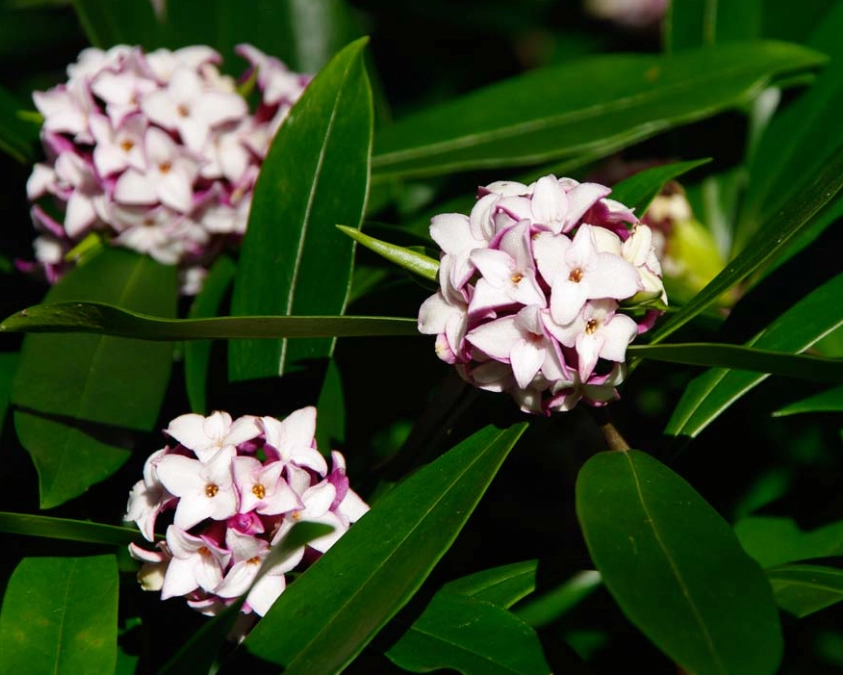
Your Daphne Odora Questions Answered
 Can I grow Daphne odora in a container?
Reader Comments