Let's be honest. For years, I thought mulberry trees were just messy things that stained sidewalks and fed birds. Then I planted one. That changed everything. Now, after a decade of growing, pruning, harvesting, and yes, cleaning up purple stains, I see it for what it truly is: one of the most generous, low-maintenance, and historically rich trees you can invite into your garden. It's not just a tree; it's a seasonal clock, a pantry, and a living piece of history. Whether you're dreaming of homegrown fruit, natural shade, or a connection to the ancient craft of sericulture (silkworm raising), this guide will walk you through every step, avoiding the pitfalls I stumbled into.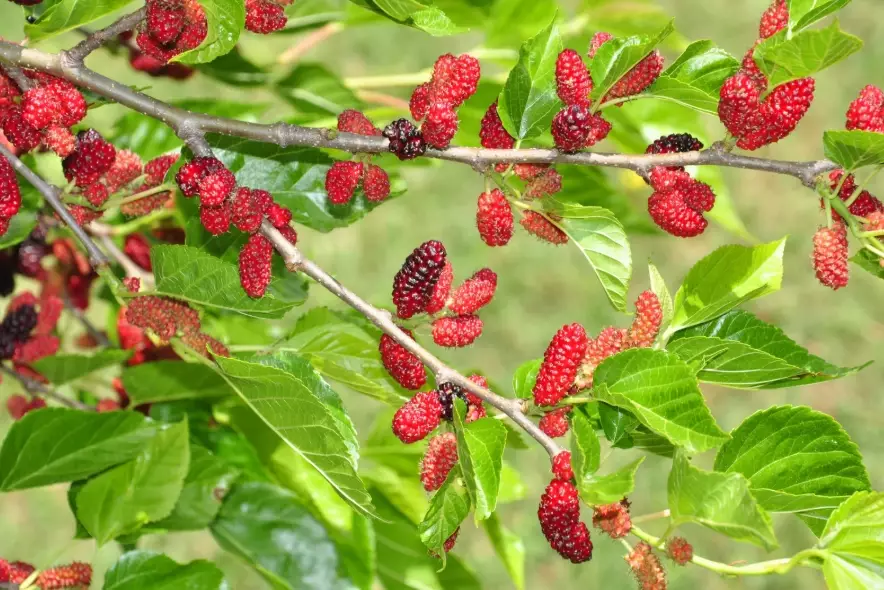
What You'll Find in This Guide
- Why You Should Seriously Consider a Mulberry Tree
- Choosing Your Mulberry: A Breakdown of Key Varieties
- How to Plant a Mulberry Tree (The Right Way)
- Ongoing Care and the Critical Pruning Schedule
- Harvesting and What to Do With All Those Berries
- What are the Most Common Mulberry Tree Problems?
- Your Mulberry Tree Questions, Answered
Why You Should Seriously Consider a Mulberry Tree
Before we get into the dirt, let's talk about the payoff. Most fruit trees demand perfect sun, precise chill hours, and relentless spraying. Mulberries? They're the relaxed cousin in the orchard.
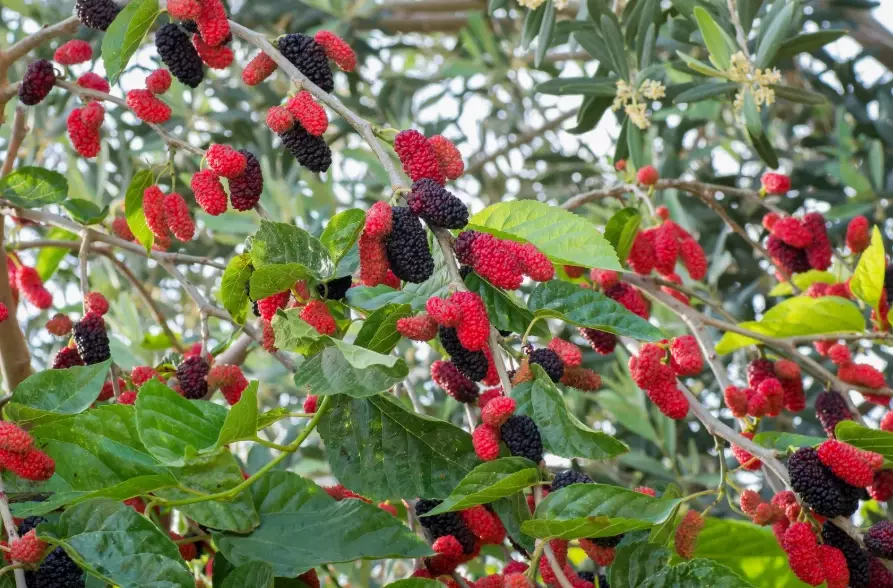
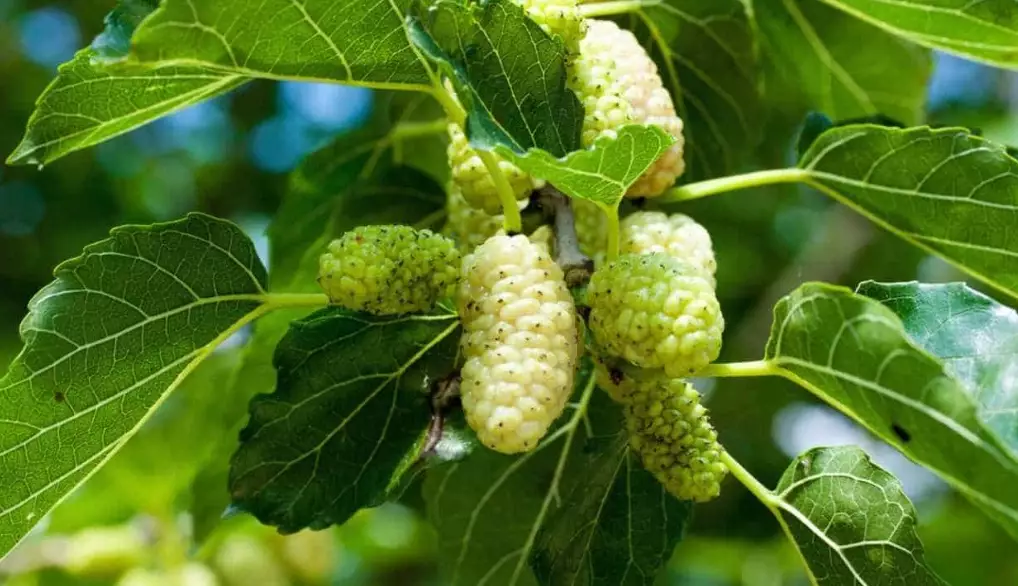
They adapt. I've seen them thrive in heavy clay and sandy soils. They're drought-tolerant once established. The fruit, a collective drupe, is incredibly sweet and comes in shades from white to deep black-purple. Beyond the berries, the leaves are the sole food source for silkworms, linking your garden to a 5,000-year-old tradition. You're not just planting a tree; you're planting a ecosystem hub for birds and pollinators. The downside? The ripe fruit drops. If you plant it over a patio or driveway, you'll regret it. Plant it over grass or in an orchard setting, and the cleanup is minimal.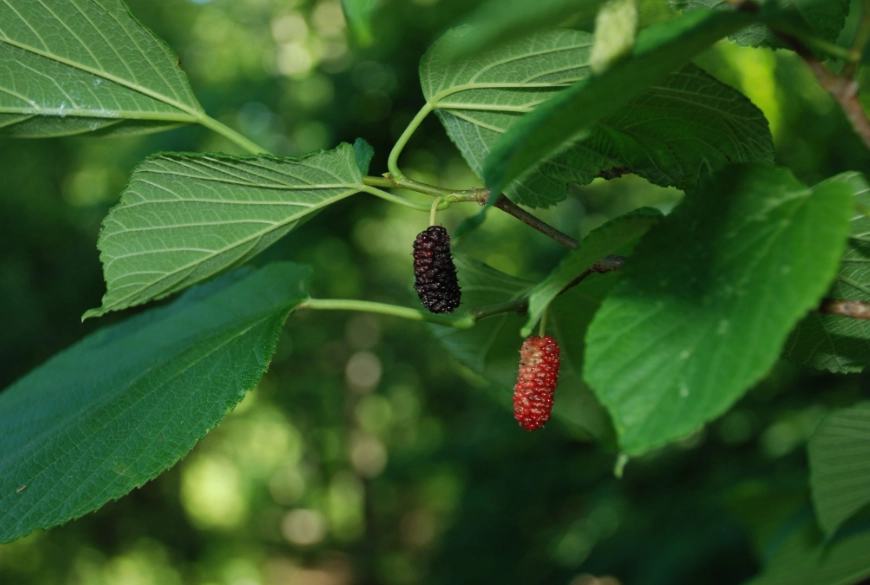
Choosing Your Mulberry: A Breakdown of Key Varieties
This is your first major decision, and it's more important than you think. Picking the wrong type for your space is the number one regret I hear from other growers.
| Variety | Fruit Color & Flavor | Tree Size & Habit | Best For | Key Consideration |
|---|---|---|---|---|
| Illinois Everbearing | Deep purple, very sweet, long season. | Large (30-50 ft), fast-growing. | Large yards, maximum harvest. | Needs significant space. Prolific producer. |
| Dwarf Everbearing (e.g., 'Issai') | Black, rich flavor. | Small (6-10 ft), shrub-like. | Containers, small gardens, patios. | Often starts fruiting in first year. Great for limited space. |
| White Mulberry (Morus alba) | White/pink, very sweet, mild. | Medium to large, often weedy. | Silkworm fodder, sweet fruit. | Can be invasive via bird-dropped seeds. Check local regulations. |
| Red Mulberry (Morus rubra) Native | Dark red to black, tart-sweet. | Large, spreading canopy. | Native planting, wildlife gardens. | Superior wildlife value. Less common in nurseries. |
| Pakistan/Alibert | Very long (3-4 inch), black, juicy. | Large, vigorous. | Unique appearance, exceptional fruit size. | Less cold-hardy. Needs hot summer to ripen fully. |
My personal pick for a typical backyard? A dwarf everbearing variety. You get all the fruit without turning your yard into a forest. The large standard trees are magnificent, but only if you have the room.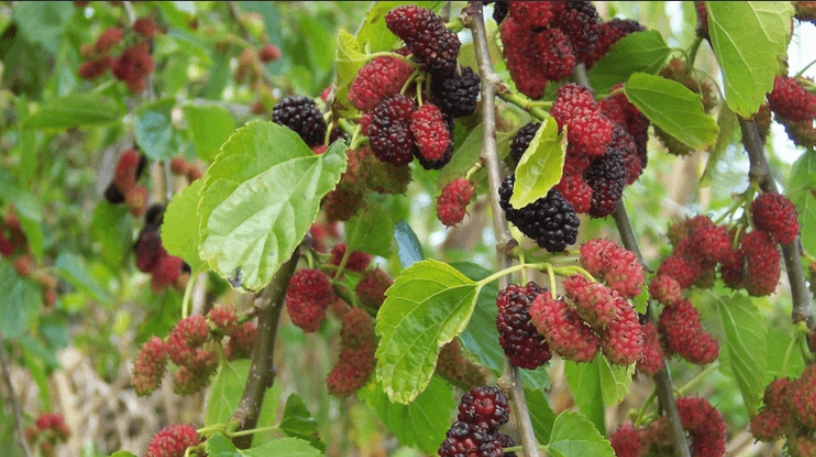
Expert Tip: Many beginners don't realize mulberries are often dioecious (separate male and female trees). Most modern cultivars sold for fruit are self-fertile, but if you buy a seedling or an older variety, you might need a pollinator pair. Always ask for a self-fertile, fruit-bearing cultivar to avoid a fruitless tree.
How to Plant a Mulberry Tree (The Right Way)
Planting is straightforward, but a few nuanced steps ensure a strong start. The best time is late fall or early spring when the tree is dormant.
Step-by-Step Planting Process
Location, Location, Location: Full sun is non-negotiable for good fruiting. Think about the future: that tiny sapling can become 30 feet wide. Place it at least 15-20 feet from buildings, septic fields, and paved areas. Over a lawn is ideal.
The Hole Truth: Dig a hole twice as wide as the root ball, but no deeper. Planting too deep is a silent killer. The root flare (where roots meet trunk) must be slightly above the soil grade. I add a few shovels of compost to the native soil for backfill, but avoid rich potting mixes—they can create a "bathtub effect" where water pools.
Watering In & Mulching: After planting, water deeply to settle the soil. Apply a 3-4 inch ring of wood chip mulch around the base, keeping it a few inches away from the trunk. This suppresses weeds and retains moisture. No need to stake unless you're in a very windy area; movement helps the trunk strengthen.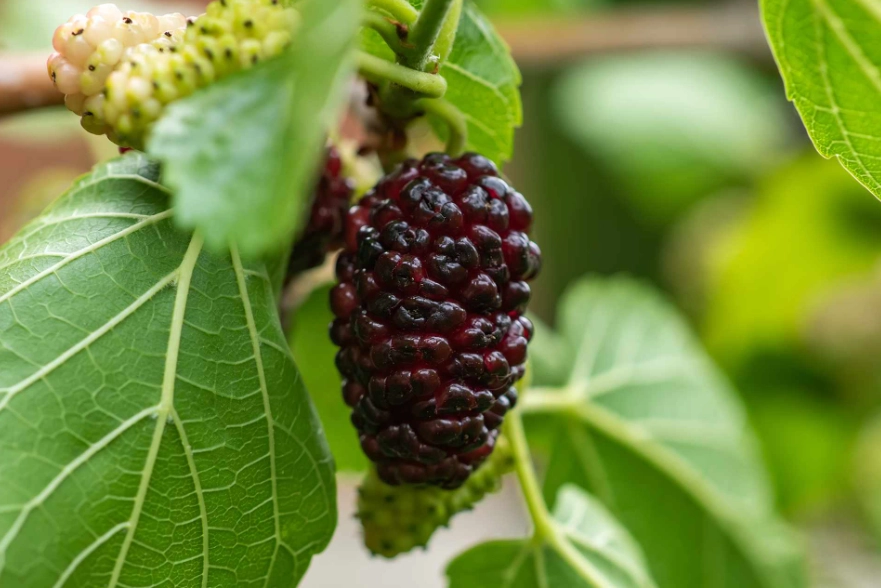
Ongoing Care and the Critical Pruning Schedule
Neglect is often a mulberry's best fertilizer. Overwatering and over-fertilizing cause more problems than they solve.
Watering: Deeply water once a week for the first season. After that, they're remarkably drought-tolerant. Yellowing leaves often signal overwatering, not thirst.
Feeding: A light application of a balanced, slow-release fertilizer in early spring is plenty. More nitrogen just means more leaves, not more fruit.
The Pruning Secret Most People Miss
Here's the non-consensus part. Everyone knows to prune. Almost everyone does it at the wrong time.
Mulberries bleed a milky sap profusely if pruned in late winter or spring. It's not harmful, but it's messy and stressful for the tree. The optimal window is late fall, after leaf drop, or in the dead of winter. The sap flow is minimal.
Focus on removing dead, diseased, or crossing branches. To control height, you can also head back long limbs. For a shrub-like dwarf tree, you can even cut it back hard every few years—it will bounce back with vigorous new growth that fruits heavily. The University of Minnesota Extension has excellent general pruning guides that apply well to mulberries.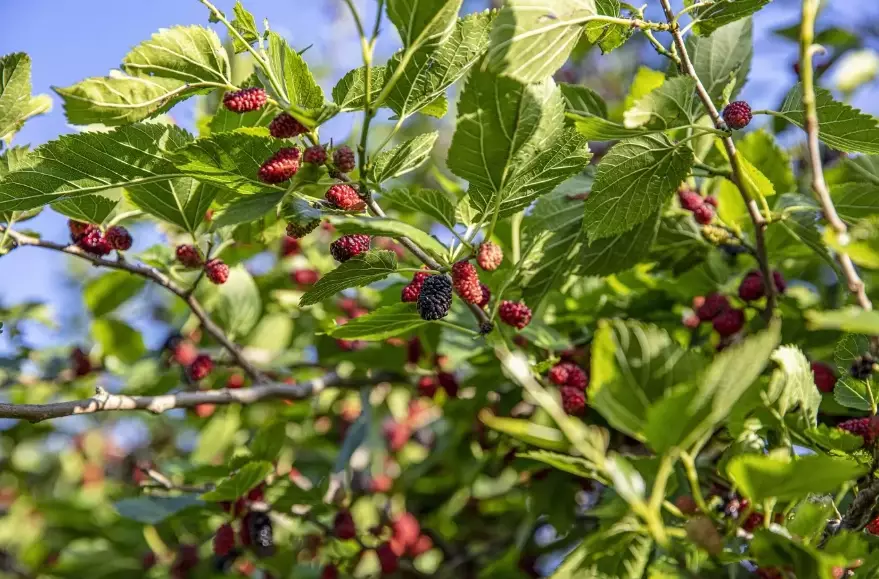
Harvesting and What to Do With All Those Berries
Harvest season is a happy problem. The berries don't all ripen at once, giving you a weeks-long buffet.
When to Pick: The fruit is ripe when it detaches with the slightest tug. If you have to pull, it's not ready. Lay a tarp or old sheet under the tree and give the branches a gentle shake—ripe berries will rain down. Do this in the cool of the morning.
Preservation Ideas: They're fragile and don't store fresh for long. Freezing is easiest: spread them on a tray, freeze solid, then bag them. They make incredible jam, syrup, and pie filling. My favorite is mulberry leather: puree, sweeten slightly, and dehydrate.
Don't forget the leaves! Young, tender leaves in spring can be dried for a mild, nutritious tea. And if you're ever curious, you can order silkworm eggs and feed them with your own leaves—a fantastic project for kids.
What are the Most Common Mulberry Tree Problems?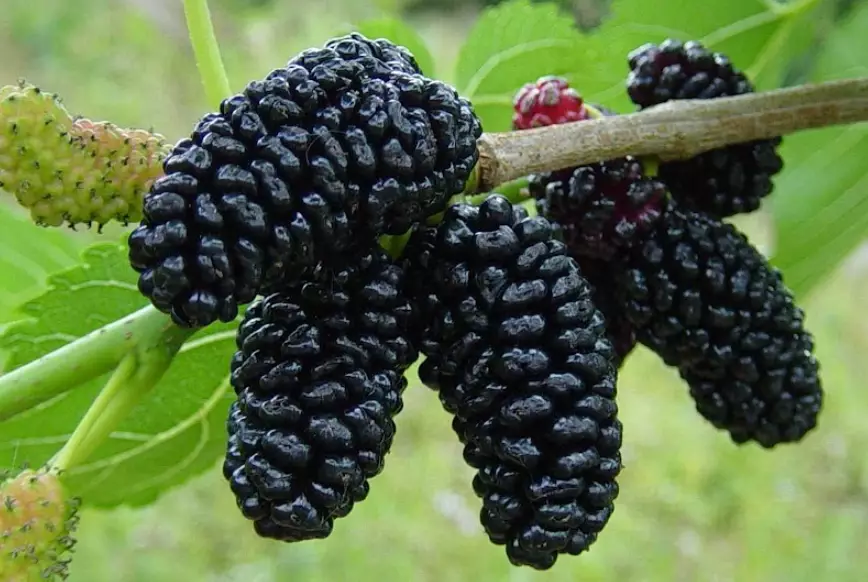
Thankfully, the list is short. Pest and disease issues are minimal compared to other fruit trees.
Birds: They will get some fruit. It's a trade-off for the wildlife value. Netting is the only surefire deterrent if you want the harvest for yourself.
Fungal Leaf Spot: Appears as small brown spots on leaves in wet springs. It's mostly cosmetic. Rake up fallen leaves in autumn to reduce spores. A healthy tree will outgrow it.
Root Damage: Their roots are relatively shallow and sensitive. Avoid digging or compacting soil under the canopy.
The biggest "problem" is the mess from falling fruit. This isn't a tree for a formal landscape. Embrace its wild, generous nature, and plant it where the mess doesn't matter. The USDA Plant Database profile for Morus alba notes its adaptability but also its potential for spreading, which is worth considering.
Your Mulberry Tree Questions, Answered
How fast does a mulberry tree grow, and when will it bear fruit?
Why is my mulberry tree dropping fruit before it ripens?
 Can I grow a mulberry tree in a container successfully?
Are mulberry tree roots invasive?
What's the difference between a blackberry and a mulberry?
 Planting a mulberry tree is an investment in future summers. It asks for little and gives back an astounding amount: shade, fruit, and a lively spectacle of nature right outside your window. Choose the right variety for your space, plant it thoughtfully, and prune it in the dormant season. You'll be rewarded for decades. Just maybe don't plant it right over your front walkway.