Let's talk about the Styrax plant. You might know it as the snowbell tree. If you've ever walked past one in late spring and caught a whiff of its incredible, sweet fragrance, you'll understand the obsession. Those delicate, bell-shaped white flowers hanging like little lanterns are a sight to behold. But here's the thing I've learned after years of gardening: many people buy a Styrax on impulse after smelling it at a nursery, only to struggle with it later. They treat it like any other ornamental tree, and that's where things go wrong. This guide is here to change that. I'll walk you through exactly how to care for a Styrax plant, from choosing the right spot to fixing common problems, based on hard-won experience, not just textbook advice.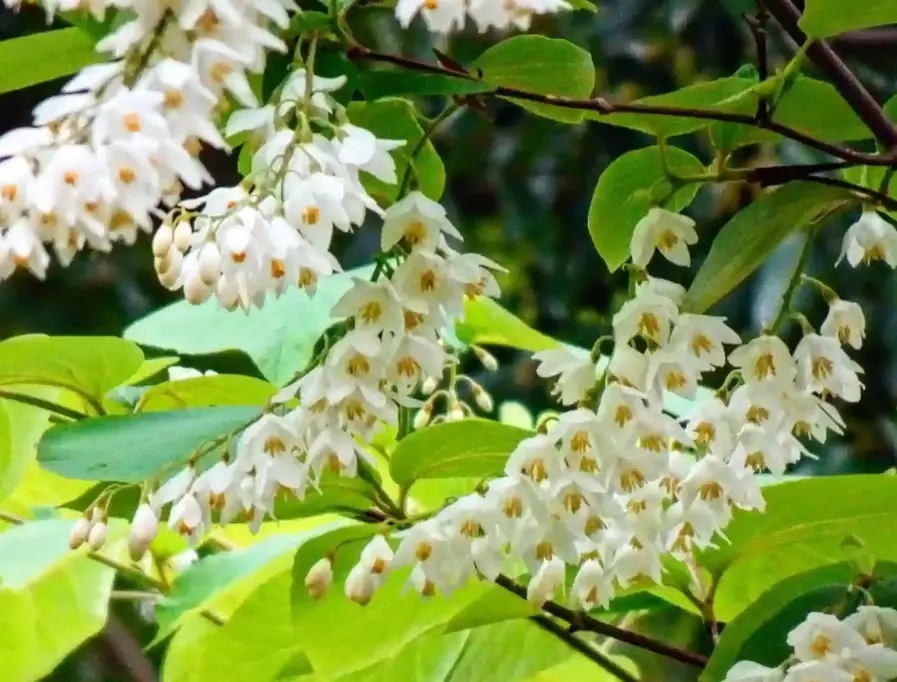
In This Guide: What You'll Learn
What Exactly is a Styrax Plant?
Styrax is a genus of about 130 species of trees and shrubs. The stars of the ornamental garden are usually Styrax japonicus (Japanese snowbell) and Styrax obassia (Fragrant snowbell). They're deciduous, meaning they lose their leaves in winter, which makes the spring flower show even more dramatic. They're not massive trees – typically reaching 20 to 30 feet – which makes them perfect for smaller urban gardens or as an understory tree in larger landscapes. The appeal is multi-season: spring flowers, decent yellow fall color, and an attractive, smooth gray bark that adds winter interest. But their secret weapon is that fragrance. It's light, citrusy, and honey-like, and it can perfume a large area of your garden.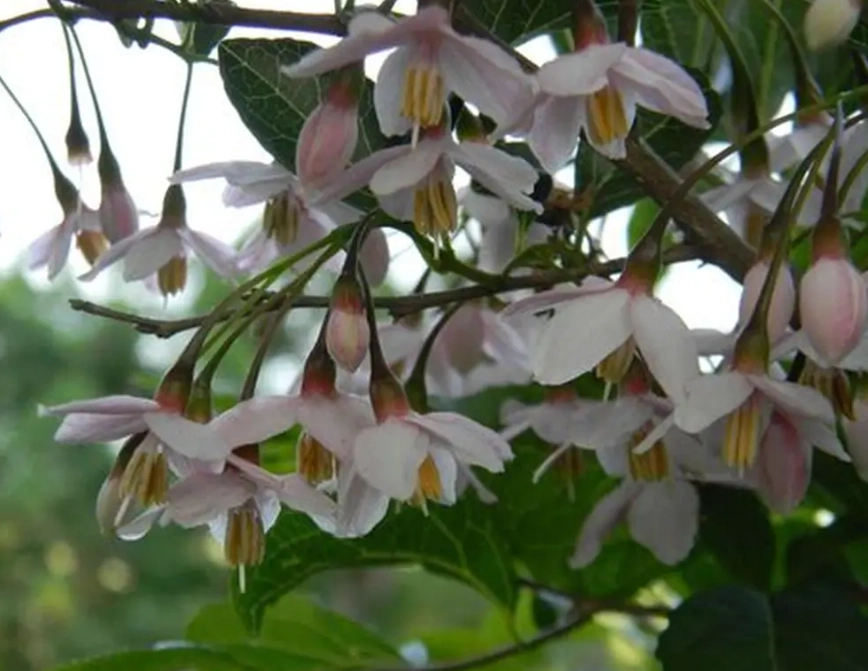
A Quick Reality Check: Styrax trees have a reputation for being a bit fussy. They're not the "plant it and forget it" type like some oaks or maples. They demand specific soil conditions and consistent moisture, especially when young. If you're not prepared to meet those needs, you'll end up with a stressed, sparse tree that rarely flowers. I've seen it happen too many times.
Step-by-Step Planting Guide for Styrax Trees
Getting the planting right is 80% of the battle. Do this wrong, and you'll fight an uphill struggle forever.
Choosing the Perfect Location
Sunlight is key. Aim for full sun to partial shade. In hotter climates (USDA zones 8 and above), afternoon shade is a blessing and prevents leaf scorch. In cooler zones, full sun encourages the best flowering. Think about the fragrance too. Plant it near a patio, walkway, or under a window you often open. Avoid windy, exposed sites. Those delicate branches and flowers don't appreciate being battered.
Soil: The Make-or-Break Factor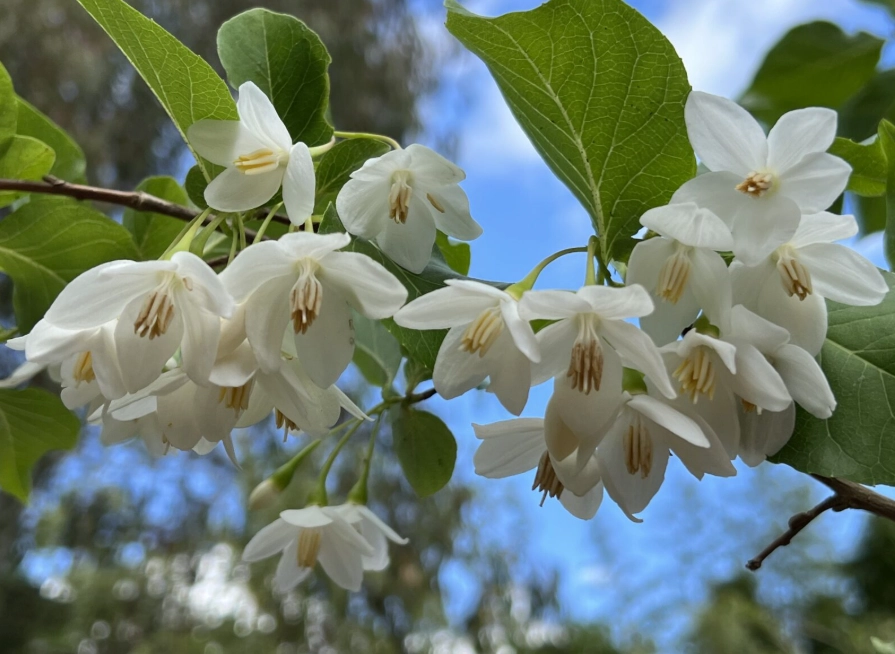
This is the most common mistake. Styrax abhors heavy, soggy clay. Its roots will suffocate and rot. It craves soil that is well-drained, rich in organic matter, and slightly acidic to neutral (pH 5.5 to 7.0). If you have clay soil, don't just dig a hole and plop it in. You must amend the entire planting area, not just the hole. I mix in a hefty amount of composted pine bark, leaf mold, and some coarse sand over a area at least three times the width of the root ball. This ensures the roots can spread into friendly territory.
The Planting Process
1. Dig a wide, shallow hole. It should be 2-3 times wider than the root ball but no deeper. You want the top of the root flare (where the roots start to spread) to be level with or slightly above the surrounding soil.
2. Tease the roots. If the plant is pot-bound, gently loosen the outer roots. Don't be afraid to cut through circling roots.
3. Place and backfill. Set the tree in the center. Backfill with your amended soil, tamping gently to remove air pockets.
4. Water deeply. Create a watering basin around the tree and soak it until water penetrates deep into the root zone.
5. Mulch wisely. Apply a 2-3 inch layer of organic mulch (shredded bark, wood chips) in a wide circle around the tree. Keep the mulch a few inches away from the trunk to prevent rot.
The Non-Negotiables of Ongoing Styrax Care
Once established, care is straightforward but specific.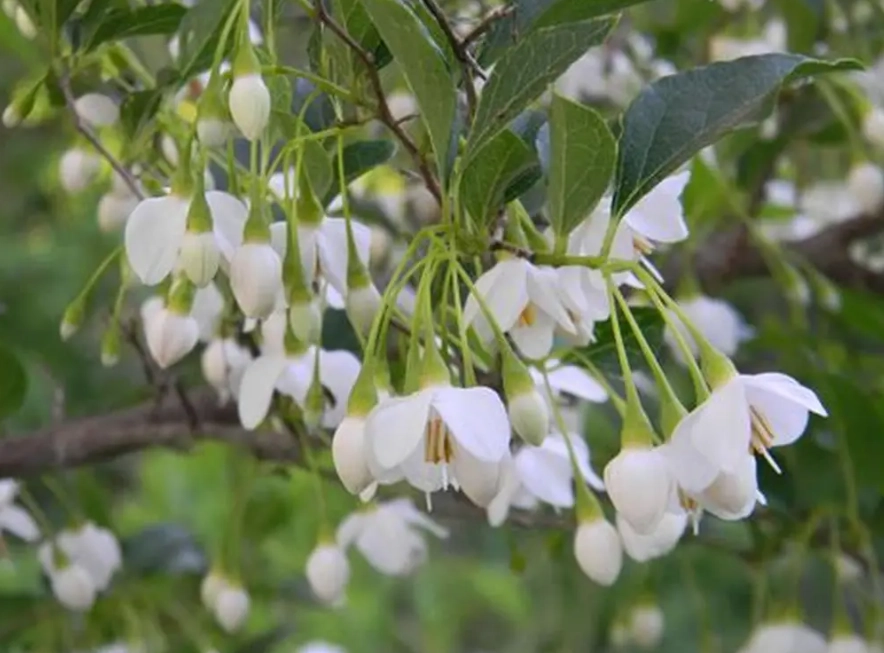
Watering Schedule You Can Actually Follow
Consistent moisture is critical, especially for the first 2-3 years. Think "evenly moist," not swampy, not bone-dry. A deep watering once a week during dry spells is a good rule of thumb. Stick your finger in the soil. If the top 2 inches are dry, it's time to water. A soaker hose or drip irrigation on a timer is a fantastic investment for these trees. As the tree matures, its roots go deeper and it becomes more drought-tolerant, but it will always perform better with summer water.
Feeding Your Styrax Plant
They aren't heavy feeders. An annual application of a balanced, slow-release fertilizer in early spring as new growth begins is perfect. I prefer an organic option like Espoma Tree-tone or Holly-tone (which helps maintain acidity). Just scratch it into the soil under the mulch and water it in. Over-fertilizing, especially with high-nitrogen formulas, can lead to lush leaves at the expense of flowers.
Pruning: Less is More
Styrax has a naturally beautiful, layered, horizontal branching habit. Your goal is to enhance that, not fight it. Prune in late winter when the tree is dormant.
Do: Remove any dead, damaged, or diseased branches. Thin out crossing or rubbing branches to improve air circulation. Make clean cuts just outside the branch collar.
Don't: Give it a "haircut" or try to shape it into a lollipop. You'll ruin its graceful form and reduce flowering, as blooms form on old wood.
Solving Common Styrax Plant Problems
Even with good care, issues can pop up. Here's how to diagnose and fix them.
| Symptom | Likely Cause | Solution |
|---|---|---|
| Yellowing leaves (chlorosis), poor growth | Alkaline soil (high pH) causing iron deficiency | Test soil pH. Apply soil sulfur or chelated iron. Use an acidifying fertilizer like Holly-tone. |
| Leaves wilting, browning at edges, branch dieback | Underwatering or root damage from soggy soil | Check soil moisture. Improve drainage if waterlogged. Ensure consistent deep watering. |
| Few or no flowers | Too much shade, over-fertilizing (excess nitrogen), pruning at wrong time | Move to sunnier location if possible. Switch to low-nitrogen, bloom-promoting fertilizer. Prune only in late winter. |
| Sticky residue on leaves (honeydew) with small insects | Aphids or Scale insects | Blast with a strong jet of water. For severe cases, use horticultural oil or insecticidal soap. |
| Powdery white coating on leaves | Powdery Mildew (common in crowded, humid conditions) | Improve air circulation via pruning. Avoid overhead watering. Fungicides can be used as a last resort. |
In my experience, the yellowing leaves issue is the most frequent and frustrating one for gardeners outside its native acidic soil range. It's a clear sign the tree can't access nutrients. Treating the soil acidity is a long-term fix, not a quick spray.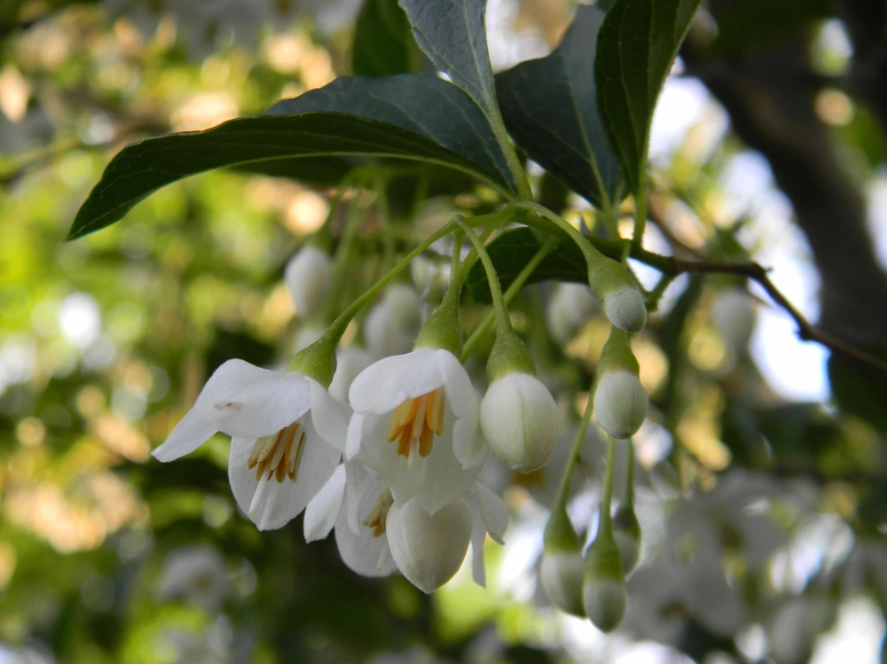
Top Styrax Varieties for Your Garden
Not all Styrax are created equal. Here are my top picks for different garden goals.
Styrax japonicus 'Pink Chimes': Yes, a pink snowbell! The flowers are a soft, shell pink. It's slightly smaller and just as fragrant as the white species. A real conversation starter.
Styrax japonicus 'Carillon': Also sold as 'Weeping Japanese Snowbell.' This is a stunning, smaller cultivar with a pronounced weeping habit. Perfect for a focal point near a pond or in a courtyard. It stays under 15 feet tall.
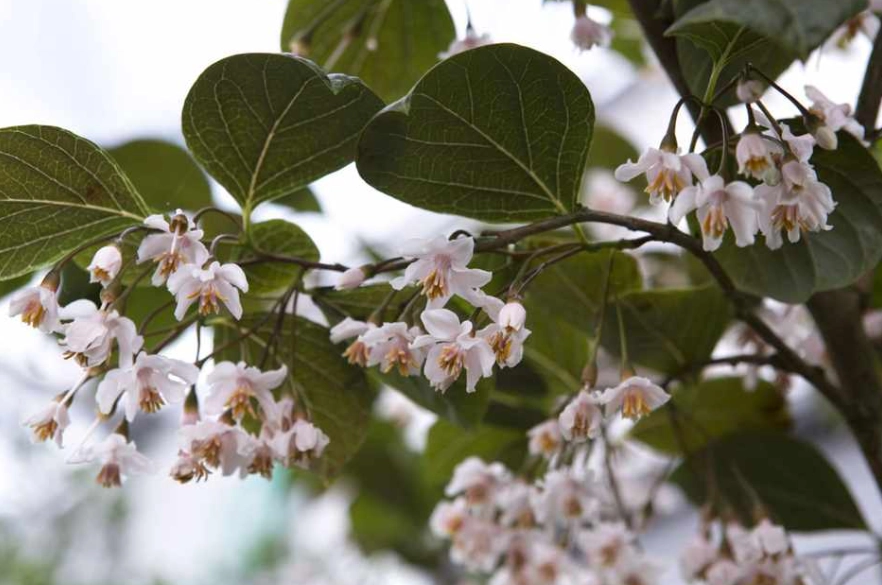
Styrax obassia (Fragrant Snowbell): My personal favorite for sheer fragrance power. The flower clusters are larger and more pendulous than S. japonicus, and the leaves are huge and round. It's a bit more tolerant of varying conditions once established.
Styrax americanus (American Snowbell): A native North American species. It's a large shrub or small tree, ideal for naturalistic or woodland gardens. It's more tolerant of wetter soils than its Asian cousins.
Your Styrax Questions Answered
 The lower branches of my Styrax are sparse and the tree looks leggy. Should I cut it back hard to make it bushier?
Growing a Styrax plant is a commitment, but the payoff is immense. That moment in late spring when the air fills with its scent and the branches drip with white flowers makes every bit of care worthwhile. Start with the right spot and soil, be patient with its growth, and you'll have a breathtaking, fragrant centerpiece in your garden for decades.
Reader Comments