Let's talk about the Abutilon, often called the Flowering Maple or Chinese Lantern. It's not a maple at all, but those leaves can sure fool you. The real show is the delicate, papery bells that hang like little lanterns. I've killed a few in my early days, mostly by being too nice with the watering can. Now, after a decade of trial and error, I can tell you this: Abutilon is tougher than it looks, but it has a few non-negotiable needs. Get those right, and you'll have a plant that blooms almost non-stop, adding a tropical flair to your patio or a bright spot in your living room. This guide cuts through the generic advice and gives you the specifics that actually matter.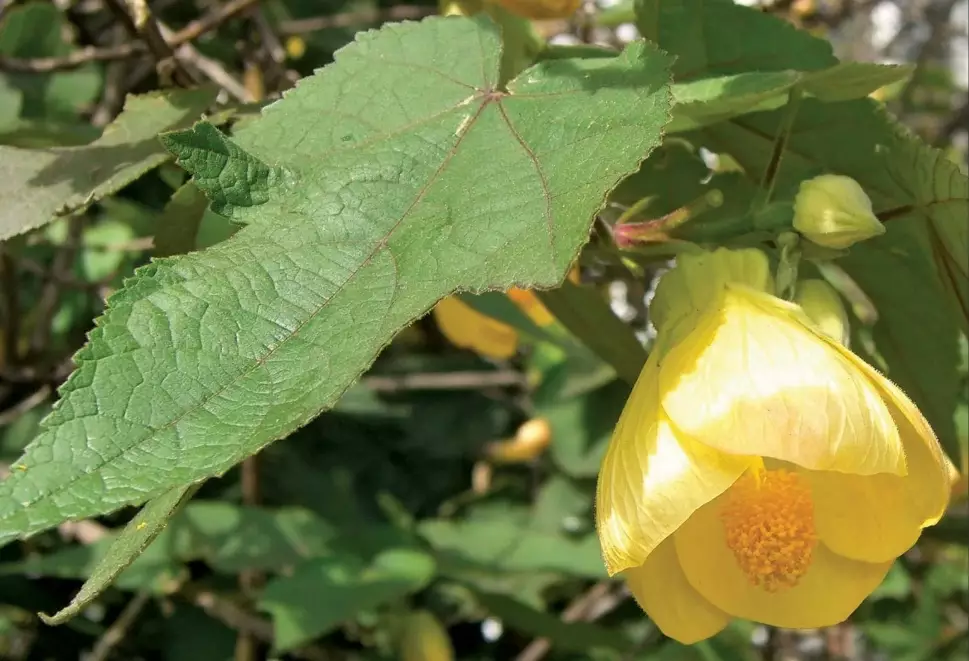
What's Inside This Guide
What Exactly is an Abutilon Plant?
Abutilon is a genus of about 150 species, part of the mallow family (Malvaceae) – think hibiscus and hollyhock. They're native to warm regions in the Americas, Africa, Asia, and Australia. The common names tell the story: 'Flowering Maple' for the shape of the leaves, 'Chinese Lantern' for the shape of the flowers. They can be evergreen shrubs, small trees, or even annuals in colder climates.
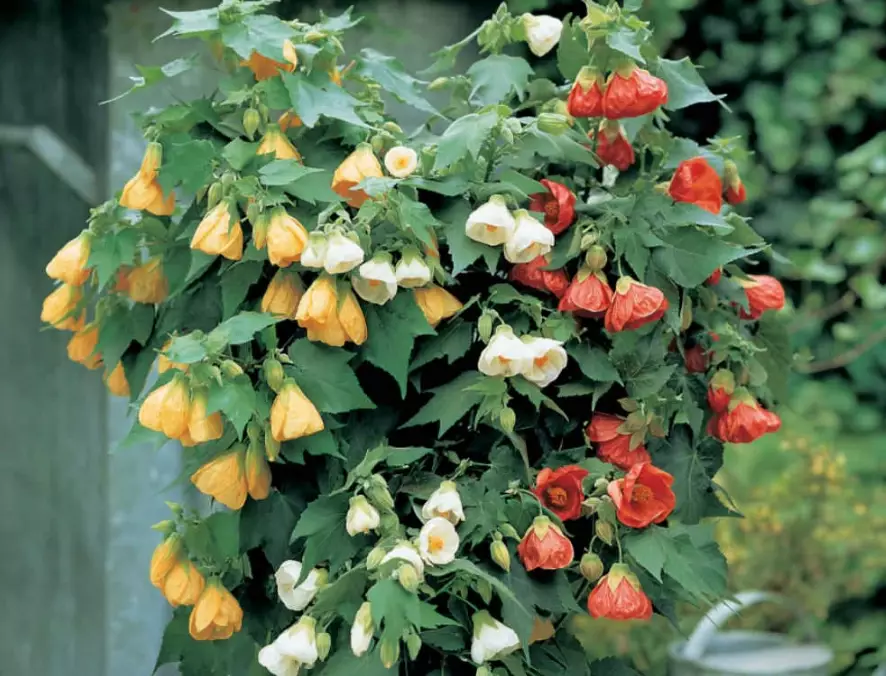
Most people grow them as container plants, bringing them indoors before the first frost. In USDA zones 9-11, they can be stunning landscape shrubs. The appeal is obvious: rapid growth, long flowering season (spring to fall, often year-round indoors), and those charming, nodding flowers in shades of red, orange, yellow, pink, and white.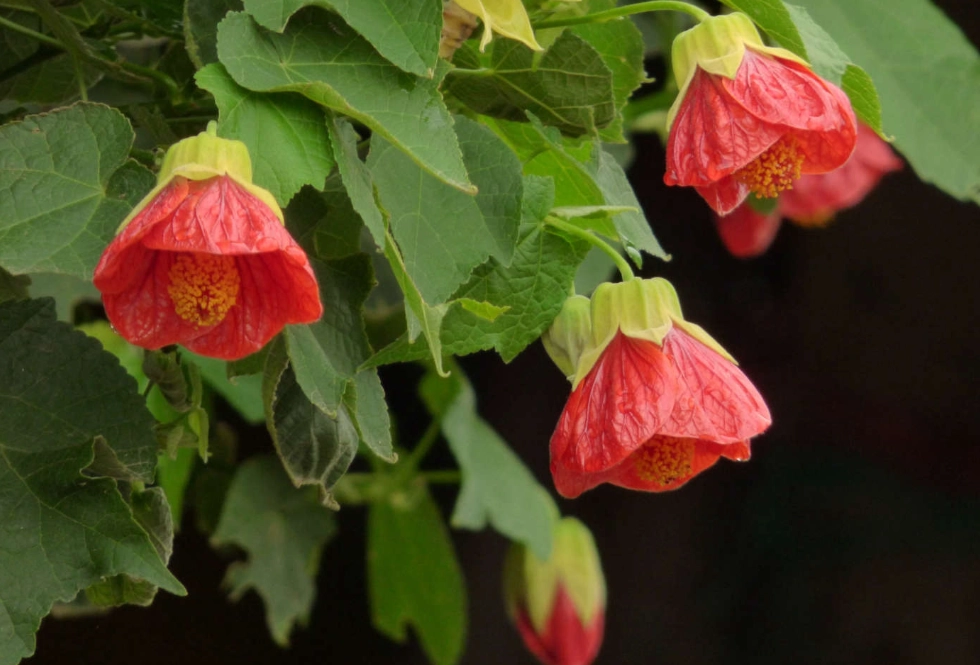
How to Care for Your Abutilon Plant
Here’s where most guides get it wrong. They treat Abutilon like any other houseplant. It's not. It's a heavy feeder and drinker that hates wet feet. It craves light but burns easily. Let's break it down.
Light: The Biggest Make-or-Break Factor
This is the most common mistake. People give it low light, wonder why it's leggy and flowerless, then move it to a scorching south window and burn the leaves. Abutilon needs bright, indirect light. Think east or west-facing window. A few hours of gentle morning sun is perfect. A south window with a sheer curtain works. If you only have a north window, it likely won't bloom well. Outdoors, dappled shade or afternoon shade is key in hot climates.
I learned this the hard way. My first 'Bella Red' sat in a north-facing room. It grew, sure. But it was all stem, no charm. Moved to an east balcony, it exploded with flowers in six weeks.
Watering: The Delicate Balance
Overwatering is the fastest killer. Underwatering makes it drop buds. The goal is consistently moist, never soggy. Stick your finger in the soil – if the top inch is dry, water thoroughly until it runs out the bottom. Then let it drain completely. Never let it sit in a saucer of water. In winter, reduce watering frequency but don't let it dry out completely.
Soil and Fertilizer: The Growth Engine
Abutilon isn't picky about soil pH, but it demands excellent drainage. A good quality, peat-based potting mix with added perlite or orchid bark (about 20%) is ideal. The Royal Horticultural Society (RHS) recommends a loam-based compost like John Innes No. 2 for long-term container growth.
Fertilizing is non-optional for good blooms. During the growing season (March to September), feed every two weeks with a balanced, water-soluble fertilizer (like a 10-10-10 or 20-20-20). I switch to a bloom-booster formula (higher phosphorus) once buds appear. In winter, feed monthly or not at all if the plant is dormant.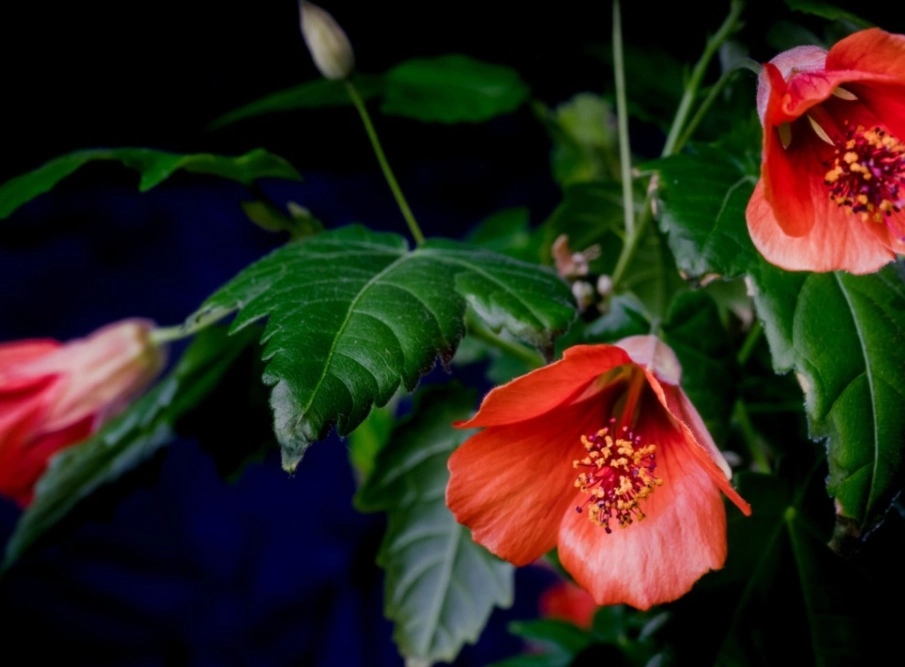
Temperature and Humidity
Abutilon likes it comfortably warm. Ideal temperatures are between 60-75°F (15-24°C). It can tolerate a brief dip to 50°F (10°C) but frost will kill it. This is why it's perfect for summer outdoors, winter indoors. It appreciates moderate humidity. If your indoor air is very dry (especially in winter), a pebble tray or occasional misting helps, but don't overdo it – wet leaves can invite disease.
| Care Aspect | Key Requirement | Common Mistake to Avoid |
|---|---|---|
| Light | Bright, indirect light (East/West window) | Placing in deep shade or harsh afternoon sun |
| Water | Water when top inch of soil is dry | Keeping soil constantly soggy or bone dry |
| Soil | Well-draining, peat-based mix | Using heavy, water-retentive garden soil |
| Fertilizer | Balanced feed every 2 weeks in growing season | Not feeding at all, leading to poor blooms |
| Temperature | 60-75°F (15-24°C) | Exposing to frost or drafts from heaters/AC |
Common Abutilon Problems and How to Fix Them
Yellow leaves? Dropping buds? Here’s your diagnostic chart.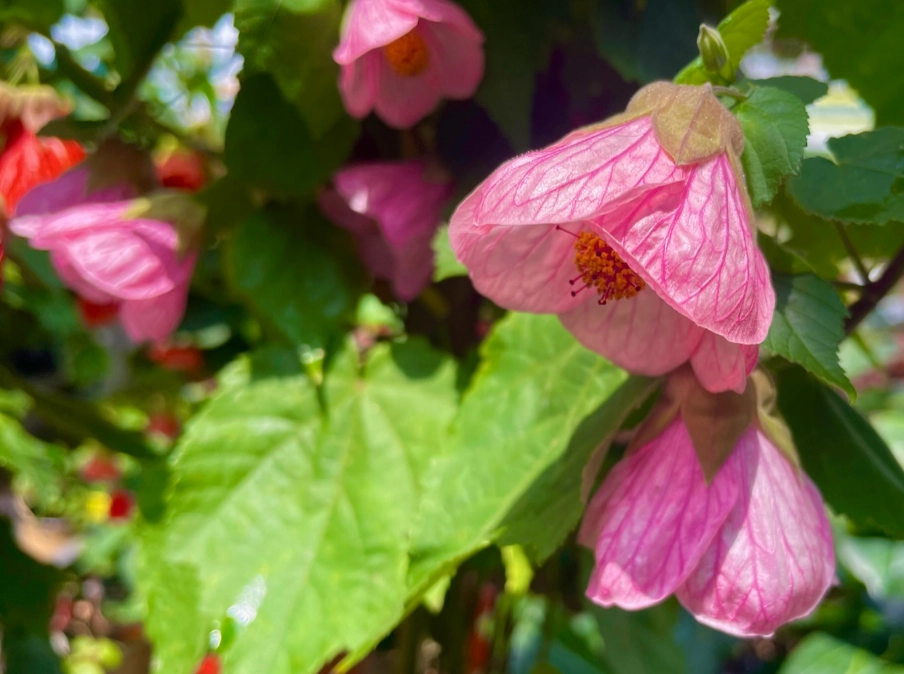
Yellowing Leaves
This can mean several things. Lower, older leaves yellowing is often natural aging or a nitrogen deficiency – feed it. Widespread yellowing, especially with wilting, screams overwatering. Check the roots. If they're brown and mushy, it's root rot. You'll need to repot into fresh, dry soil and cut away the rot. Yellow leaves with green veins could be iron chlorosis, often from waterlogged soil or incorrect pH.
Bud Drop
Heartbreaking. The plant makes buds, then drops them. The usual suspects are a sudden change in environment (moving it indoors/outdoors), underwatering, or low humidity. Once buds form, try not to move the plant and keep watering consistent.
Pests: Spider Mites and Whiteflies
Abutilon can attract these, especially indoors. Spider mites cause fine webbing and stippled leaves. Whiteflies swarm when you disturb the plant. Isolate the plant immediately. For spider mites, a strong spray of water under the leaves works for mild cases. For both, insecticidal soap or neem oil sprays, applied weekly, are effective. The Missouri Botanical Garden's plant care database lists these as common pests for Abutilon.
Propagating and Pruning Your Chinese Lantern
Want more plants? It's easy. Stem cuttings are the way to go. In spring or early summer, take a 4-6 inch cutting from a non-flowering stem. Remove the lower leaves, dip in rooting hormone (optional but helpful), and stick it in a pot of moist perlite or a seed-starting mix. Cover with a plastic bag to keep humidity high. Roots should form in 4-6 weeks.
Pruning is essential to keep your plant bushy and under control. They can get leggy. In late winter or early spring, before new growth kicks in, cut back the previous year's growth by one-third to one-half. Don't be shy. It encourages branching and more flowers. You can also pinch out the growing tips of young plants to promote bushiness.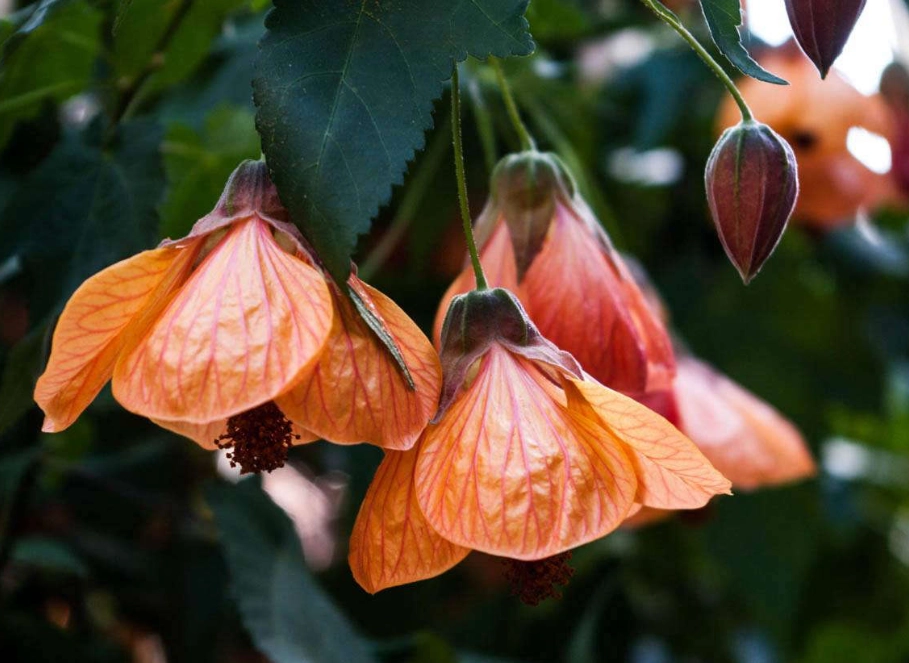
Top Abutilon Varieties to Grow
Not all Abutilon are created equal. Some are bred for compact container growth, others are sprawling giants. Here are three standout types:
Abutilon x hybridum 'Bella Series': This is your best bet as a beginner. It's a compact, seed-grown hybrid that flowers its head off in mixed colors (red, peach, yellow, pink). It stays under 2 feet, perfect for pots. Less woody, more herbaceous.
Abutilon megapotamicum: The trailing Chinese Lantern. Red and yellow flowers that look like little painted lanterns. Fantastic in hanging baskets or trained against a wall. It's less thirsty than some others.
Abutilon 'Souvenir de Bonn': A stunning variegated variety with green and cream leaves and coral-orange flowers. It's a showstopper but, as mentioned, can be a bit more finicky about pests.
Your Abutilon Questions Answered
 The edges of my Abutilon leaves are turning brown and crispy.
So there you have it. The Abutilon isn't a "set it and forget it" plant, but its care is straightforward once you understand its language—bright light, consistent moisture, and regular food. Pay attention to what it's telling you with its leaves and buds. Get those basics right, and you'll be rewarded with a generous, long-lasting display of those beautiful lantern flowers that few other houseplants can match.
Reader Comments